
Are you tired of pesky insects ruining your time outdoors? Imagine sitting comfortably on your patio without swatting away bugs every few minutes.
Insect-proofing your outdoor furniture isn’t just about comfort—it protects your investment and keeps your space inviting. You’ll discover simple and effective ways to keep unwanted insects away, so you can enjoy your outdoor area fully. Ready to transform your outdoor experience?
Let’s get started!

Credit: www.amazon.com
Common Pests Around Outdoor Furniture
Outdoor furniture creates a perfect spot to relax. Yet, pests often make it uncomfortable. Knowing common pests helps protect your furniture and enjoy your space. These bugs can cause damage and annoy anyone trying to unwind outside.
Types Of Insects To Watch For
Ants often build nests near furniture legs. They search for food crumbs and sugary drinks.
Spiders spin webs in corners and under tables. Their webs catch other flying insects.
Bees and wasps build nests in shaded spots. They can sting and pose a risk to people.
Termites attack wooden furniture quietly. They eat wood and cause structural damage over time.
Flies buzz around and settle on surfaces. They carry germs and spoil outdoor meals.
Why Pests Are Attracted To Furniture
Food spills and crumbs attract many insects. Sweet drinks and leftovers are their favorite snacks.
Shade and shelter protect pests from sun and rain. Furniture offers perfect hiding spots.
Wood provides food for termites and ants. Moist wood is especially inviting.
Plants near furniture create a moist and cool environment. This draws bugs closer to your seating area.
Dark corners and crevices offer safe places to hide. Pests use these spots to build nests or webs.
Choosing Pest-resistant Materials
Choosing pest-resistant materials is a smart way to protect outdoor furniture from insects. Some materials naturally repel bugs. Others can be treated to keep pests away. Selecting the right materials helps keep your furniture safe and looking good longer.
Best Furniture Materials To Avoid Insects
Teak wood is a top choice for outdoor furniture. It contains natural oils that repel insects. Cedar wood also works well. It smells nice and keeps bugs away. Metal furniture, like aluminum and steel, does not attract insects. Plastic and resin materials resist insect damage too. Avoid softwoods like pine, which attract pests easily.
Treatments And Coatings That Help
Applying insect-repellent treatments can protect wood furniture. Borate-based wood preservatives are effective against termites and ants. Water-resistant sealants also help keep bugs out. Paint with insect-repellent additives offers extra protection. Reapplying treatments every year keeps furniture safe. Always follow product instructions for best results.
Cleaning And Maintenance Tips
Keeping your outdoor furniture free from insects starts with good cleaning and maintenance. Dirt, food crumbs, and moisture attract bugs. Regular care helps stop insects from making your furniture their home. Clean furniture also lasts longer and looks better. Follow these simple tips to protect your outdoor space.
Regular Cleaning Routines
Clean your furniture at least once a week. Use a soft brush or cloth to remove dust and debris. Wash with mild soap and water to remove sticky spots. Dry the furniture completely to avoid mold and mildew. Do not leave food or drinks on furniture for long. These habits reduce places where insects can hide or feed.
Using Natural Repellents
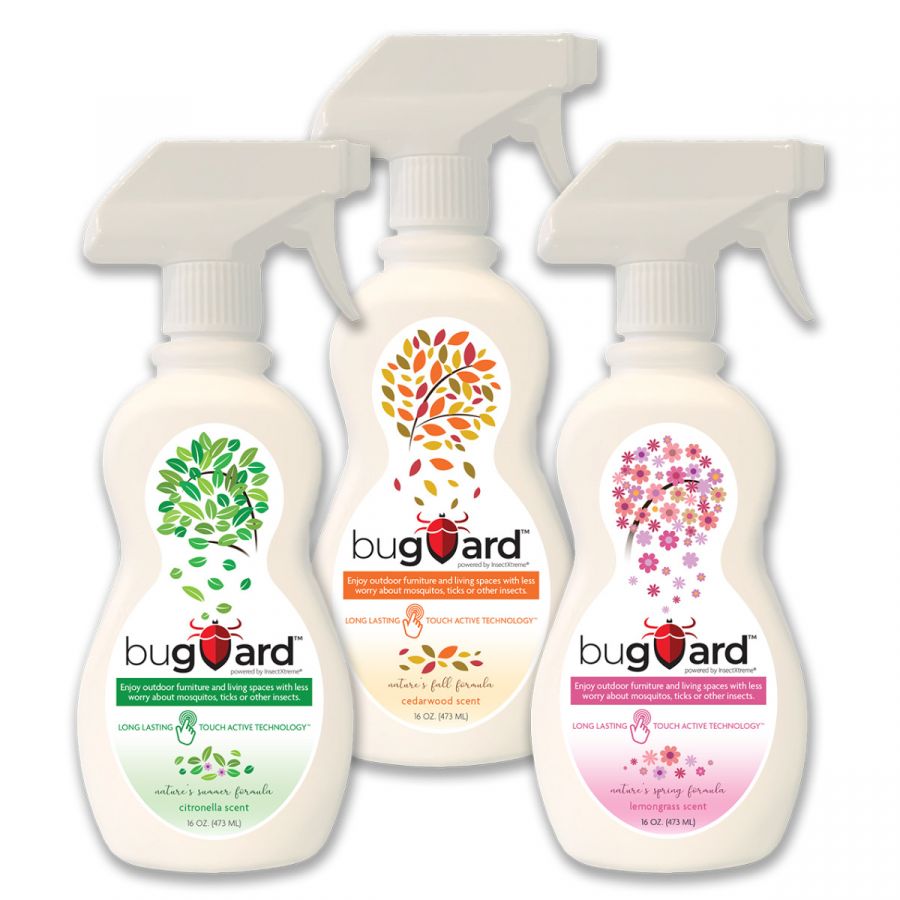
Natural repellents keep bugs away without chemicals. Spray lemon juice or vinegar on furniture surfaces. Essential oils like citronella, eucalyptus, and peppermint work well. Mix a few drops with water in a spray bottle. Apply regularly, especially in warm weather. These scents repel insects and are safe for your family and pets.
Inspecting For Early Signs Of Infestation
Check your furniture often for insect damage or nests. Look under cushions and inside crevices. Watch for small holes, webbing, or droppings. Early detection stops infestations before they grow. Treat any problem spots quickly with cleaning or natural sprays. Regular checks save time and protect your furniture.
Credit: www.hearthsidefurniture.com
Physical Barriers And Covers
Physical barriers and covers act as the first line of defense against insects. They stop bugs from reaching your outdoor furniture. Using these barriers helps keep your space clean and comfortable. Protecting furniture with covers and screens reduces the need for chemical sprays. It also keeps your furniture in good shape longer. Let’s explore some practical ways to use physical barriers.
Types Of Furniture Covers
Furniture covers come in many materials and styles. Waterproof covers protect against rain and bugs. Breathable fabric covers let air flow while blocking insects. Heavy-duty covers are good for long-term protection. Choose covers that fit your furniture snugly. Covers with zippers or elastic edges stay in place better. Dark-colored covers can hide dirt and stains well. Regularly clean and dry covers to avoid mold and mildew.
Installing Screens And Nets
Screens and nets create a barrier that bugs cannot cross. Use mesh screens around seating areas to block flies and mosquitoes. Nets can drape over tables and chairs to protect food and surfaces. Attach screens to frames or pergolas to enclose outdoor spaces. Fine mesh screens stop even tiny insects. Make sure screens are tight without gaps or holes. Remove or roll up screens during good weather to enjoy fresh air.
Outdoor Environment Management
Managing the outdoor environment is key to insect-proofing your outdoor furniture. Bugs often come from plants, moisture, and hidden water pools. Controlling these factors helps keep pests away.
Landscaping To Reduce Pests
Trim plants and bushes near your furniture. This limits places where insects can hide. Choose plants that do not attract many bugs. Avoid dense, overgrown areas close to seating spots. Clear fallen leaves and debris regularly. These can be breeding grounds for insects.
Controlling Moisture And Standing Water
Check your outdoor area for water that does not dry up. Pests like mosquitoes breed in standing water. Fix leaks and ensure good drainage around furniture. Use gravel or sand to improve soil drainage. Keep gutters clean to prevent water buildup. Dry areas discourage insects from settling near furniture.
Safe Chemical Treatments
Safe chemical treatments help protect outdoor furniture from insect damage. Using the right products keeps your furniture strong and looking good. These treatments stop bugs without harming people or pets.
Choosing safe chemicals means picking insecticides that work but are gentle on the environment. Applying them correctly ensures the best protection and avoids health risks.
Choosing The Right Insecticides
Select insecticides labeled for outdoor furniture or wood use. Look for products with low toxicity to humans and animals. Natural options like neem oil or pyrethrin can be effective and safer. Avoid harsh chemicals that cause skin irritation or strong odors. Always read the label to confirm the product suits your furniture type.
Application Tips For Safety And Effectiveness
Wear gloves and a mask to avoid skin contact and breathing fumes. Apply insecticides on a dry, calm day to prevent drift. Spray evenly on all surfaces, including under cushions and in crevices. Let the furniture dry completely before use. Store leftover chemicals out of children’s reach and follow disposal instructions carefully.
Diy Pest Control Solutions
DIY pest control offers a simple and safe way to protect outdoor furniture. It uses natural ingredients found at home. These solutions keep bugs away without harsh chemicals. You can make sprays and traps easily. They save money and keep the environment clean.
Homemade Sprays And Traps
Homemade sprays work well against many insects. Mix water with mild soap and a little vinegar. Spray this on the furniture to repel bugs. For traps, use sugar water or fruit juice in a jar. Cover it with a paper funnel so bugs can enter but not escape. Place traps near the furniture to catch pests. These methods reduce insect problems without chemicals.
Using Essential Oils And Natural Ingredients
Essential oils like citronella, peppermint, and eucalyptus repel insects. Add 10 to 15 drops of oil to water in a spray bottle. Shake well and spray on outdoor furniture. Natural ingredients like garlic and chili can also deter bugs. Blend them with water and spray on surfaces. These oils and ingredients are safe for people and pets. They keep your outdoor space fresh and bug-free.

Credit: www.insectshield.com
Frequently Asked Questions
How Can I Protect Outdoor Furniture From Insects?
Apply insect-repellent sprays or natural oils like citronella to furniture surfaces. Regular cleaning and covering furniture when not in use also help prevent insect infestations effectively.
What Materials Are Best For Insect-proof Outdoor Furniture?
Synthetic wicker, metal, and treated wood resist insects better. These materials are less attractive to bugs and easier to clean, reducing the chance of insect damage.
Does Sealing Wood Help Prevent Insect Damage?
Yes, sealing wood creates a protective barrier against moisture and insects. Use outdoor wood sealants or varnishes to extend furniture life and minimize insect problems.
How Often Should I Clean Outdoor Furniture To Avoid Insects?
Clean furniture at least once a week to remove food crumbs and dirt. Regular cleaning discourages insects from nesting and keeps furniture looking fresh and inviting.
Conclusion
Keeping insects away from outdoor furniture protects your comfort and furniture’s life. Clean your furniture often to remove crumbs and dirt. Use covers or sprays that repel bugs safely. Seal cracks and gaps where insects might hide. A few simple steps can make your outdoor space bug-free.
Enjoy fresh air without the nuisance of insects. Your outdoor area becomes a relaxing spot for family and friends. Small actions lead to big results in insect proofing. Stay consistent, and your furniture stays safe and clean.

