Have you ever looked at a stack of old books and wondered if they could become something more than just reading material? Imagine turning those worn pages into a unique, eye-catching bookshelf that tells a story all on its own.
Making a bookshelf from old books is a creative way to recycle, save money, and add a personal touch to your space. In this guide, you’ll discover simple steps that anyone can follow to transform your old books into a stylish and functional piece.
Ready to surprise yourself with this fun and rewarding project? Let’s get started!
Choosing The Right Books
Choosing the right books is the first step to create a sturdy bookshelf from old books. The books you select affect the strength and look of your project. Not all books work well for building. Think about size, cover type, and condition. These factors help you make a shelf that lasts and looks good.
Selecting Durable Hardcover Books
Hardcover books provide more support than paperbacks. Their thick covers add strength to the shelf. Choose books with solid, undamaged covers. Avoid books with broken spines or loose pages. This ensures your shelf stays strong and stable over time.
Matching Book Sizes For Stability
Books with similar sizes create a balanced shelf. Check the height and width of each book. Group books of almost the same size together. This makes stacking easier and prevents wobbling. A stable base keeps the shelf safe for heavy items.
Preparing Books For Construction
Remove dust and dirt before building. Clean books look better and last longer. If pages are loose, glue them carefully. Use a strong adhesive to keep books intact. This step helps your bookshelf hold weight without falling apart.

Credit: www.youtube.com
Gathering Tools And Materials
Before starting your bookshelf project, gather all needed tools and materials. This step saves time and keeps work smooth. Having everything ready helps build the bookshelf faster and safer. Below are the main tools and supplies required.
Essential Tools For Assembly
Start with a strong glue to hold books together. A hot glue gun works well for quick drying. Use clamps or heavy objects to press books while drying. A sharp craft knife helps trim book covers or pages. A ruler or measuring tape keeps shelves even. Sandpaper smooths any rough edges on books.
Additional Supplies For Finishing
Use clear varnish or spray sealant to protect the bookshelf. Paintbrushes apply varnish evenly without mess. Decorative paper or fabric can cover worn book covers. Felt pads on the bottom protect your floor. Small brackets or metal strips add extra shelf support.
Safety Equipment To Use
Wear gloves to protect your hands from glue and sharp tools. Safety glasses keep dust and glue out of your eyes. Work in a well-ventilated space to avoid strong glue fumes. Use a mask if sanding or spraying sealant. Keep a first aid kit nearby for small cuts.
Basic Construction Techniques
Building a bookshelf from old books requires some basic construction techniques. These steps help keep the structure strong and neat. You can make a unique piece with simple tools and patience. Understanding how to stack, secure, and create shelves will guide you through the process.
Stacking And Aligning Books
Start by choosing books of similar size and thickness. Stack them carefully to form the base. Keep the edges straight and aligned. This helps the bookshelf stay balanced. Use a flat surface to check alignment. Adjust books to avoid gaps and uneven layers.
Securing Books Together
Use strong glue to hold books in place. Apply glue between each book to bond them tightly. Press the books firmly until the glue dries. For extra strength, add clamps or heavy objects on top. Avoid using too much glue to prevent mess. Let the glue cure fully for a solid hold.
Creating Shelves And Compartments
Create shelves by stacking books horizontally with space between layers. Use thicker books as dividers for compartments. Glue these dividers securely to the base stack. This forms separate sections for organizing items. Measure each shelf space to fit your needs. Make sure shelves are level and stable before use.
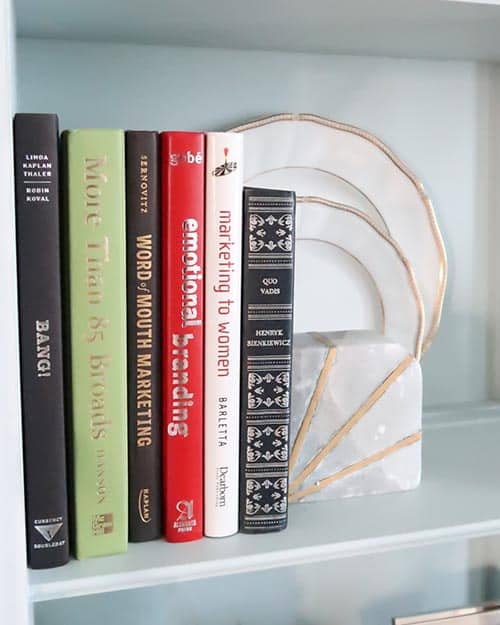
Credit: porchdaydreamer.com
Creative Design Ideas
Creative design ideas make your bookshelf from old books stand out. They add charm and personality. These ideas help you use old books in new ways. You can create a unique piece that fits your style. Below are some easy and fun design tips to try.
Incorporating Lighting Elements
Adding lights brings warmth and focus to your bookshelf. Small LED strips work well inside shelves. They highlight book titles and add soft glow. Battery-powered fairy lights create a cozy feel. Place them around the edges or behind books. Lighting makes your bookshelf more inviting and useful at night.
Adding Decorative Features
Decorative features make your bookshelf more than just storage. Use vintage bookends to keep books neat and add style. Place small plants or figurines between books for visual interest. Paint the sides of the bookshelf with bright colors. Add patterned wallpaper to the back panel for depth. These touches make the bookshelf lively and attractive.
Customizing Shelf Shapes
Change the shape of your bookshelf shelves for a creative look. Use curved or angled shelves instead of straight ones. Stack books horizontally and vertically for variety. Create small cubbies or open spaces for decor. Play with asymmetry to make the design dynamic. Custom shapes make the bookshelf a true conversation piece.
Finishing Touches
Finishing touches give your bookshelf a polished, complete look. They protect the structure and make it last longer. Small steps now save big repairs later. Focus on surface care, stability, and easy maintenance.
Protecting The Bookshelf Surface
Apply a clear sealant to protect the old book covers. Use a spray or brush-on varnish suitable for paper and wood. Let it dry fully before use. This stops dust and moisture from causing damage. Avoid heavy liquids that soak through the pages.
Enhancing Stability And Support
Add small brackets or L-shaped metal supports under shelves. Secure them with screws to keep shelves steady. Place rubber pads under the bookshelf feet to prevent slipping. Check all joints and tighten any loose parts. A stable shelf holds books safely and lasts longer.
Maintenance Tips For Longevity
Dust your bookshelf gently with a soft cloth weekly. Avoid direct sunlight to prevent fading of book covers. Keep the shelf in a dry room to stop mold growth. Inspect for loose parts or peeling edges every few months. Quick fixes keep your bookshelf looking great and strong.
Alternative Book-based Furniture
Old books can become more than just shelves for storage. They can turn into unique furniture pieces that add charm to any room. Using books creatively lets you reuse materials and show your love for reading in new ways.
Alternative book-based furniture offers fun and stylish options. These ideas give old books new life and create useful items for your home. Try these simple projects to transform your space with a literary touch.
Book Side Tables
Stack old books to form a small table. Secure the pile with glue or brackets for stability. Add a flat surface like glass or wood on top. This creates a sturdy side table perfect for lamps or drinks. Each stack can be a mix of colors and sizes. It adds a cozy, vintage feel to any room.
Book Stools And Chairs
Books can build strong bases for stools and chairs. Bind books tightly and place a cushion on top. Use heavy books for better support. This creates a comfortable seat with a creative look. Cover the sides with fabric or paint for a neat finish. It’s a smart way to reuse old books and save space.
Wall-mounted Book Displays
Books on walls make eye-catching displays. Attach shelves made from book stacks directly to the wall. Use metal brackets or wooden boards for support. Arrange books with covers facing out for decoration. These displays show off favorite titles while saving floor space. Perfect for small rooms or reading nooks.

Credit: www.remodelaholic.com
Frequently Asked Questions
How Do You Choose Books For A Bookshelf Project?
Select sturdy books with strong spines and similar sizes. Avoid fragile or valuable books to prevent damage. Vintage or hardcover books work best for durability and aesthetic appeal in your bookshelf.
What Tools Are Needed To Make A Bookshelf From Books?
You need strong adhesive, clamps, a ruler, and a utility knife. Optional tools include sandpaper and paint for finishing touches. These tools help assemble and secure the books effectively.
How Can I Ensure The Bookshelf Is Stable?
Use a strong adhesive and clamp books tightly while drying. Stack books evenly and align edges carefully. Adding a backing board or brackets increases stability and support.
Can Old Books Support Heavy Items On The Shelf?
Old books can hold light to moderate weight if glued well. Avoid placing very heavy items to prevent sagging or damage. Regularly check the shelf’s stability for safety.
Conclusion
Making a bookshelf from old books adds charm to any room. It saves money and gives new life to old items. The steps are simple and fun to follow. You can create a unique piece that shows your style. This project also helps reduce waste by reusing materials.
Try it yourself and enjoy the process. A handmade bookshelf can hold your favorite stories and memories. Start today and see how creative you can be!
