
Have you ever looked at your pile of old books and wished they could do more than just gather dust? What if your favorite stories could turn into something useful and eye-catching?
Making a bookshelf out of books isn’t just a clever idea—it’s a unique way to showcase your personality and creativity. Imagine building a piece that holds your treasures while sparking conversations every time someone visits. In this guide, you’ll discover simple steps to transform your books into a stunning, functional bookshelf that’s sure to impress.
Ready to give your books a new life? Let’s dive in!
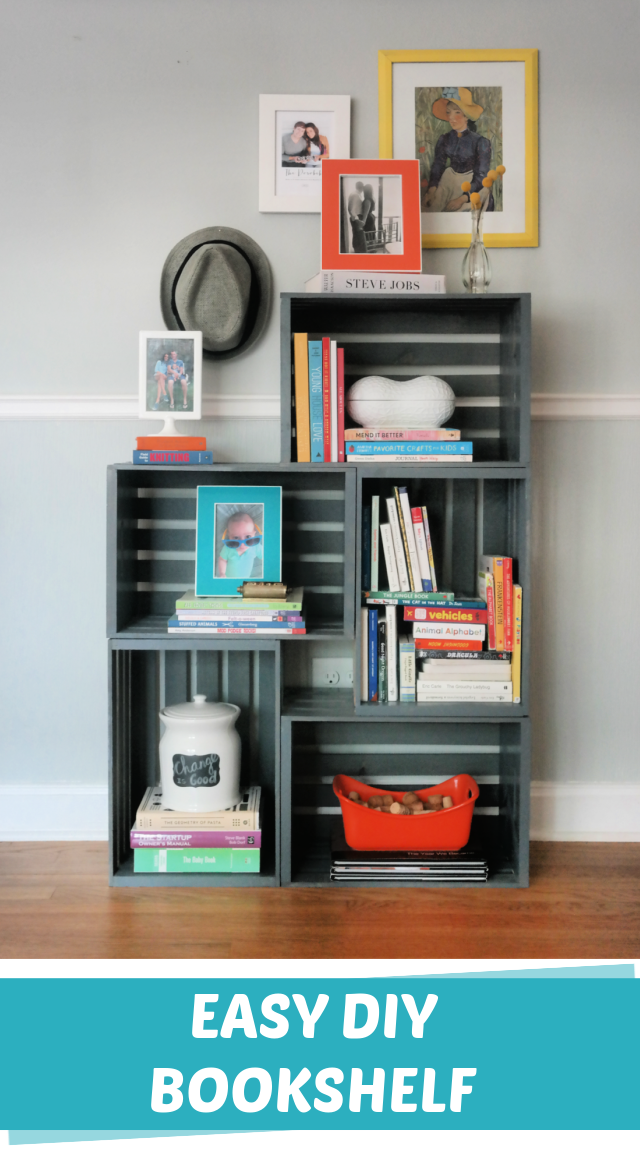
Credit: www.creatingreallyawesomefunthings.com
Materials Needed
Making a bookshelf out of books is a fun and creative project. Gathering the right materials is the first step. The materials affect the look and strength of your bookshelf. Some books work better than others. You also need a few extra supplies to hold everything together.
Choosing The Right Books
Select books with sturdy covers and strong spines. Hardcover books are best for support. Avoid old or damaged books that might fall apart. Choose books of similar size for a neat look. Mix colors and styles for a unique design. The number of books depends on your shelf size.
Additional Supplies
Get a strong glue that works on paper and covers. Use clamps or heavy objects to hold books while drying. Have a ruler or measuring tape to align books properly. A craft knife helps trim any uneven edges. Sandpaper can smooth rough spots on book edges. Protective gloves keep your hands safe during work.
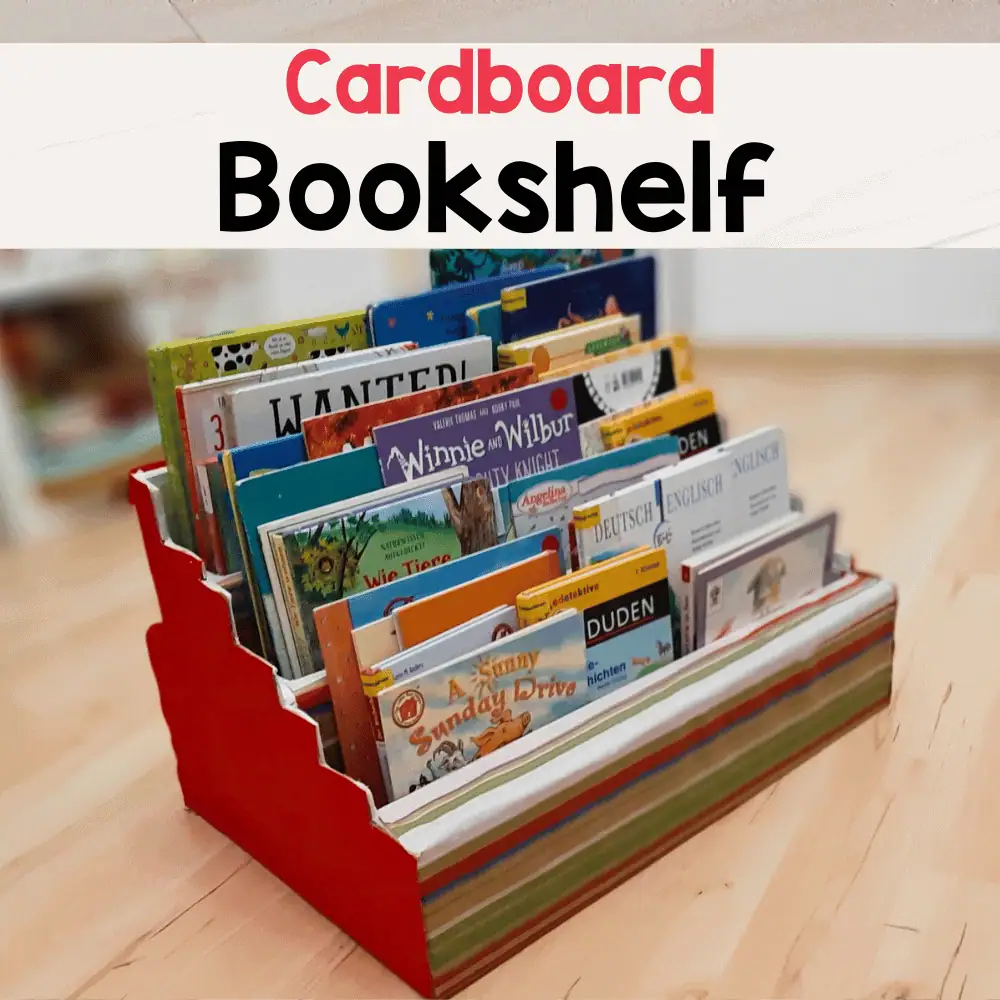
Credit: www.littleladoo.com
Preparing The Books
Preparing the books is the first step to creating a sturdy bookshelf from books. This step helps you select the best books and get them ready for stacking. Taking care of the books ensures your bookshelf looks good and lasts longer.
Cleaning And Sorting
Start by cleaning the books. Dust off covers and pages using a soft cloth or brush. This removes dirt and keeps your shelf fresh.
Next, sort the books by size and thickness. Choose strong books with firm covers. Avoid very old or fragile books that might break easily.
Sorting helps you build a balanced and stable bookshelf. Group books with similar sizes to make stacking easier.
Reinforcing The Spines
Check each book’s spine for damage. Weak spines can cause the bookshelf to collapse.
Use clear tape or bookbinding glue to strengthen loose or cracked spines. Apply gently to avoid damage.
Reinforced spines hold weight better and keep books in shape. This step makes your bookshelf safer and more durable.
Basic Construction Techniques
Building a bookshelf out of books is a creative and fun project. It requires some basic techniques to make sure the shelf is stable and looks good. Understanding simple construction methods helps to create a strong structure that holds your books safely.
This section covers two main ways to build your bookshelf: stacking books correctly and using adhesives. Both methods are easy and effective for DIY bookshelf projects.
Stacking Methods
Stacking books properly is key to a sturdy bookshelf. Place the largest and heaviest books at the bottom. This forms a solid base. Lighter books go on top for balance.
Align the books so their edges match. This helps the shelf stay straight. Avoid uneven stacks that can tip over. Use horizontal and vertical stacking for extra strength.
Try to keep the spine of the books facing out. This keeps the shelf neat and easy to read. Alternate the direction of the books to lock them in place.
Using Adhesives
Adhesives add extra support to your bookshelf. Use strong glue designed for paper and cardboard. Apply glue between each book layer carefully.
Avoid using too much glue. A thin layer is enough to hold the books together. Press the books firmly after gluing to remove air gaps.
Let the glue dry completely before placing heavy items. This ensures the shelf stays solid. Glue helps keep the books from shifting or falling.
Design Variations
Design variations make a bookshelf out of books unique and practical. Different styles change the look and function of your creation. You can arrange books in many ways to fit your space and taste. Think about how you want the shelf to stand and hold items. Small changes create big effects.
Vertical Vs Horizontal Shelves
Vertical shelves stand tall and save floor space. They work well for narrow walls and small rooms. Stack books upright to create strong columns. This style shows the spines clearly for easy book picking.
Horizontal shelves lay flat and offer wide surfaces. Stack books flat to form sturdy platforms. These shelves can hold heavier items on top. They add a cozy, stacked look to your room.
Incorporating Bookends
Bookends keep your shelf neat and stable. Use heavy objects or decorative pieces as bookends. They prevent books from falling sideways. Choose bookends that match your room’s style and colors. Bookends add charm and support to your shelf.
Finishing Touches
Finishing touches bring your bookshelf out of books to life. They make it look neat and last longer. Small details can change the whole look. Focus on painting, decorating, and adding supports for safety. These steps help you enjoy your new shelf every day.
Painting And Decorating
Choose paint that matches your room’s style. Use light colors for a fresh, clean look. Dark colors make it bold and strong. You can add patterns with stencils or tape. Stickers and small decorations add personality. Let the paint dry fully before use. Paint protects the books from dust and wear. Decorating makes your shelf unique and fun.
Adding Supports For Stability
Bookshelves made of books need extra support. Use L-brackets or small wooden blocks inside. Attach these to the back or sides carefully. This stops the shelf from tipping or falling. Make sure the supports fit well under heavy books. Test the shelf by pressing gently before use. Stability keeps your books safe and your shelf steady. Safe shelves last longer and hold more weight.
Creative Ideas
Creative ideas turn simple book stacks into unique shelves. They bring personality and style to your space. Using books as shelves is a fun way to show your love for reading. It also saves money and space. Simple tweaks make a big difference. Below are some ideas to spark your creativity.
Themed Bookshelf Designs
Create shelves based on a theme. Organize books by color for a rainbow effect. Stack books by genre to keep stories together. Use vintage books for a classic look. Arrange books with similar sizes for neat rows. Themes help your bookshelf stand out. They make it easier to find your favorite books. Try mixing books with small decor items. This adds charm and breaks the monotony.
Integrating Lighting
Lighting adds warmth and highlights your books. Use LED strips under each shelf for soft light. Clip small lamps to the edges for focused reading light. Fairy lights woven between books create a cozy feel. Choose warm white bulbs for a relaxing glow. Light placement can change the room’s mood. It also makes your bookshelf a focal point. Lighting shows off your collection even at night.
Maintenance Tips
Keeping your bookshelf made of books in good shape takes some care. Regular maintenance helps your unique shelf last longer and look great. Here are simple tips to keep your book shelf clean and strong.
Cleaning Your Bookshelf
Dust can settle on the books and between the layers. Use a soft cloth to wipe the surface gently. A small brush can help clean tight spots. Avoid using wet cloths to protect the paper. Clean your bookshelf at least once a week to prevent dust buildup.
Handling Wear And Tear
Books can get damaged over time from use and weight. Check your shelf for loose or bent books. Tighten any supports or add extra books for balance. Replace any damaged books to keep the shelf stable. Treat your bookshelf gently to avoid cracks and breaks.
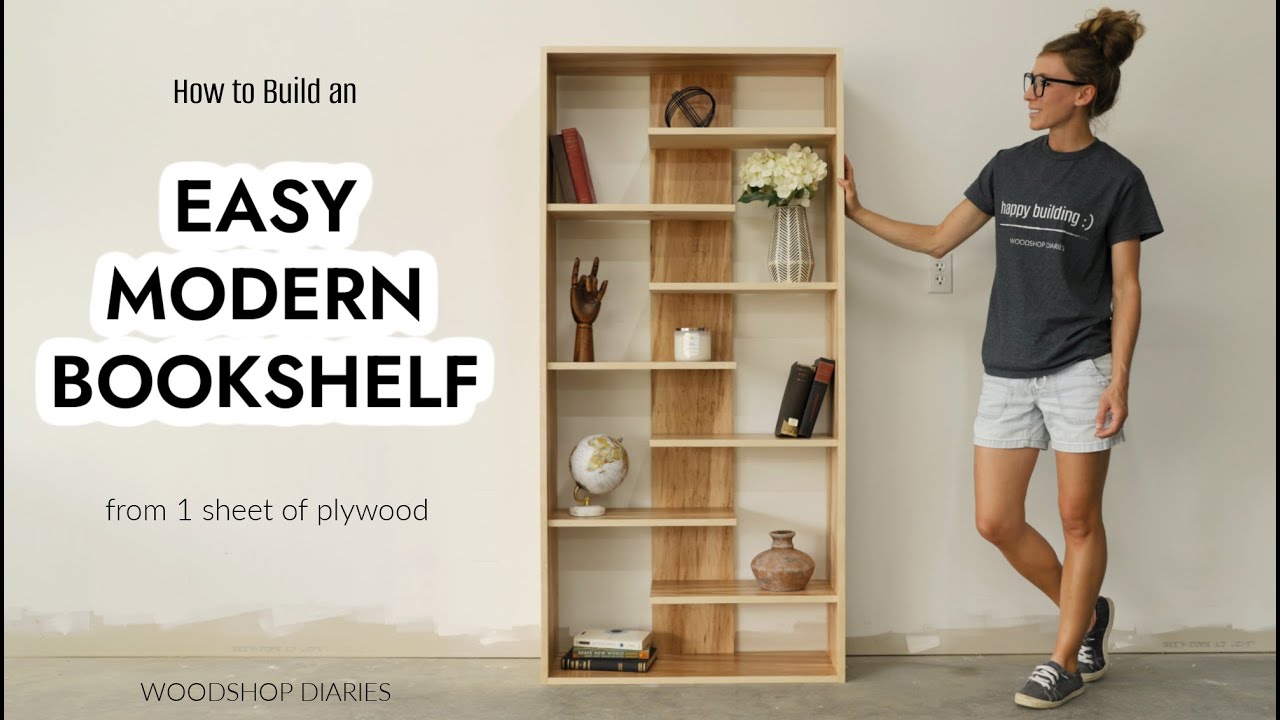
Credit: www.youtube.com
Frequently Asked Questions
How Do I Start Making A Bookshelf Out Of Books?
Begin by selecting sturdy, hardcover books for stability. Arrange them in a stack, alternating spine directions. Use strong adhesive or brackets for support and ensure the base is level to create a safe, functional bookshelf.
What Materials Are Needed For A Book Bookshelf?
You need hardcover books, strong adhesive or brackets, a level surface, and optional decorative elements. These materials help create a stable, visually appealing bookshelf made entirely from books.
Can I Customize The Bookshelf Size And Shape?
Yes, you can customize size and shape by varying book sizes and stacking patterns. Plan your design carefully for balance and stability before assembling your bookshelf.
How Do I Ensure The Bookshelf Is Stable?
Use heavy, hardcover books for the base and secure layers with adhesive or brackets. Keep the surface level and avoid uneven stacking to maintain stability.
Conclusion
Building a bookshelf from books is a fun, creative project. It saves space and shows off your favorite reads. You only need some sturdy books and a little patience. The result adds charm to any room. Try different shapes and sizes for a unique look.
It’s a great way to recycle old books too. Enjoy crafting your own book shelf today. Books can hold more than stories—they can hold your style.