Are you looking for a unique way to organize your books and add a stylish touch to your space? Making a bookshelf out of pipe is a creative and affordable project you can tackle yourself.
Imagine having a sturdy, industrial-looking shelf that stands out and holds all your favorite reads. In this guide, you’ll discover simple steps to build your own pipe bookshelf, even if you’ve never done DIY before. Ready to turn your ideas into a cool, functional piece?
Keep reading to find out how easy and rewarding this project can be.
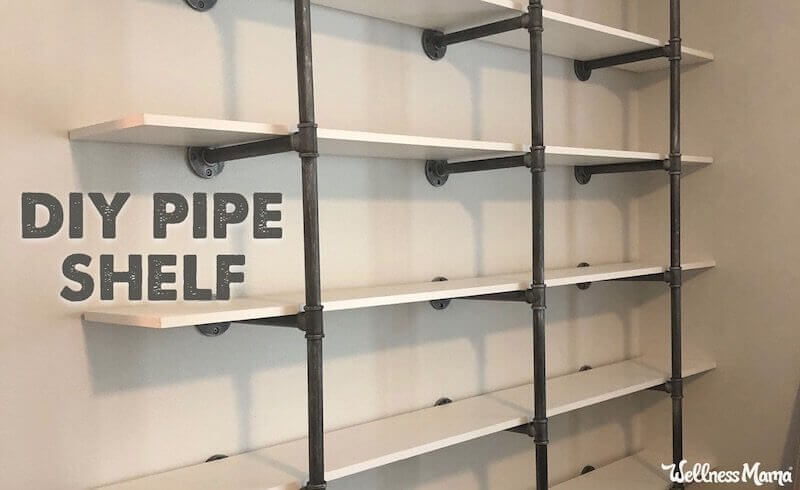
Credit: wellnessmama.com
Materials And Tools Needed
Building a bookshelf out of pipe creates a stylish and sturdy piece. Having the right materials and tools is important. It makes the process easier and the final product stronger.
This section covers the types of pipes, wood choices, and tools needed. Knowing these helps prepare you before starting the project. It saves time and avoids mistakes.
Types Of Pipes To Use
Black iron pipes are popular for pipe bookshelves. They are strong and have a classic look. Galvanized steel pipes resist rust and work well indoors. Copper pipes offer a unique style but cost more. Choose pipe size based on shelf width and weight. Most use 1/2 inch or 3/4 inch pipes for balance.
Wood Selection For Shelves
Wood choice affects the shelf’s look and durability. Pine is affordable and easy to work with. Oak is harder and lasts longer. Maple offers a smooth finish. Choose wood thick enough to hold books without bending. A 1 inch to 1.5 inch thickness works well. Sand and finish wood to protect it from damage.
Essential Tools Checklist
Gather these tools before starting the build. A pipe wrench helps tighten pipe fittings securely. A drill with bits is needed for wood holes. A saw cuts wood to shelf size. A tape measure ensures accurate measurements. Sandpaper smooths rough wood edges. A level checks that shelves are straight. Safety gear like gloves and goggles protects you during work.
Planning Your Bookshelf
Planning your bookshelf is the first step to a successful project. Careful planning saves time and money. It helps you create a design that fits your needs and space.
Think about the size, shape, and style. Visualize how it will look and function in your room. This stage sets a strong base for building your pipe bookshelf.
Measuring Your Space
Measure the wall or corner where the bookshelf will go. Note the height, width, and depth available. Write down these numbers clearly. Leave some extra room for ease of use and air flow.
Check for any obstacles like doors, windows, or vents. These can affect the final size. Accurate measurements prevent mistakes and wasted materials.
Designing The Layout
Decide the number of shelves you want. Think about what you will store on them. Books, plants, or decorations need different spacing.
Sketch a simple drawing of your shelf layout. Mark shelf heights and pipe placements. Keep the design balanced and stable. Make sure it matches your room’s style.
Calculating Pipe And Wood Dimensions
Use your layout to find pipe lengths and wood sizes. Pipes hold the shelves and support weight. Wood forms the flat surfaces for placing items.
Check pipe thickness and wood strength for durability. Cut materials slightly larger to allow for fitting. Precise calculations reduce errors during assembly.
Preparing The Pipes And Wood
Preparing the pipes and wood is an important step to build a sturdy bookshelf. Proper preparation ensures the shelf looks good and lasts long. This step involves cutting pipes, sanding wood, and choosing the right finish. Each part needs care and attention.
Cutting Pipes To Size
Measure the length needed for each pipe piece. Use a pipe cutter or a hacksaw to cut the pipes. Cut slowly to keep the edges smooth. After cutting, remove any sharp burrs with a metal file. This makes the pipes safe to handle and fit well.
Sanding And Finishing Wood
Start by sanding the wood with medium-grit sandpaper. Sand all surfaces until smooth to touch. Use fine-grit sandpaper for a softer finish. Remove dust with a dry cloth after sanding. Smooth wood helps paint or sealant stick better and prevents splinters.
Painting Or Sealing Options
Choose paint or sealant based on your style and wood type. Paint adds color and hides imperfections. Sealant protects wood from moisture and wear. Apply thin, even coats and let dry between layers. This protects your bookshelf and keeps it looking fresh longer.
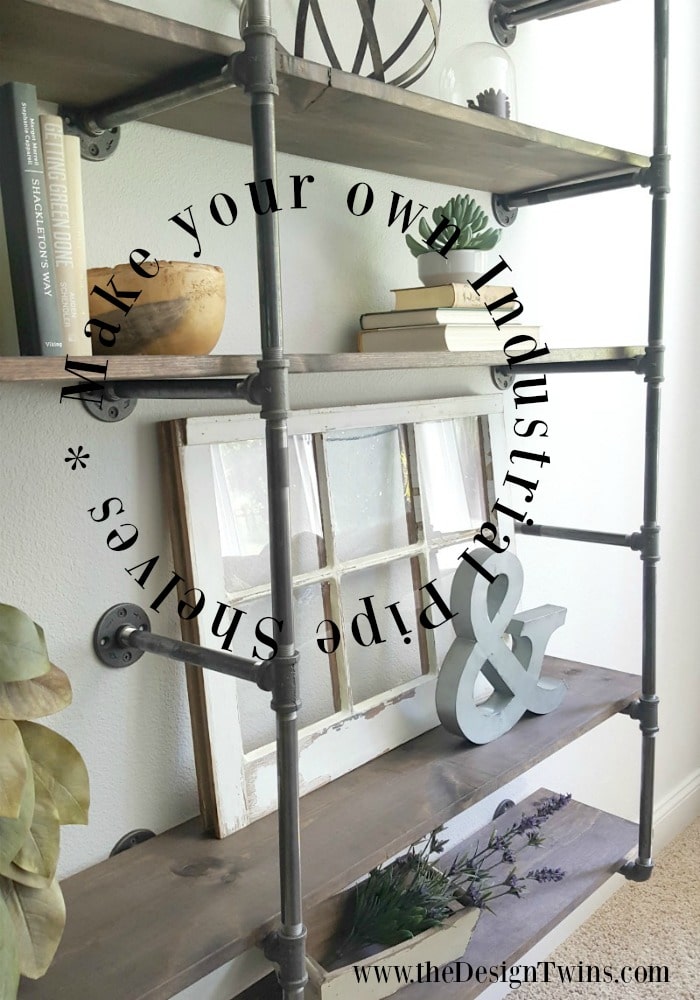
Credit: thedesigntwins.com
Assembling The Frame
Assembling the frame is a key step in making a bookshelf out of pipe. It creates the strong base that holds everything together. This process needs focus and care to ensure your shelf lasts long and looks great.
Connecting Pipes And Fittings
Start by gathering all pipes and fittings for your shelf. Use a wrench to tighten each connection well. Connect pipes to fittings in the order of your design. Check each joint to avoid loose connections. Tight joints keep the frame solid and safe.
Ensuring Stability And Balance
Place the frame on a flat surface. Look for any wobbling or uneven parts. Adjust pipe lengths or fittings to fix balance issues. A level shelf frame prevents books from falling. Stability is key for safety and durability.
Securing The Frame To The Wall
Mark spots on the wall where the frame will attach. Use wall anchors for extra support if needed. Screw brackets into the frame and wall firmly. This step stops the shelf from tipping forward. Wall attachment protects your books and your space.
Installing The Shelves
Installing the shelves is a key step in building your pipe bookshelf. This part gives the structure its function and style. Proper installation ensures the shelves are strong and look neat.
Placing Wooden Boards
Start by selecting wooden boards that fit your pipe frame. Place each board carefully on the pipe supports. Make sure the boards sit flat and even. Check that the boards cover the pipe edges well. This prevents wobbling and keeps the shelves stable.
Fixing Shelves To Pipes
Secure the wooden boards to the pipes to stop movement. Use pipe clamps or metal brackets to hold the shelves firmly. Tighten all screws or bolts evenly. This keeps the shelves safe and prevents them from sliding off. Double-check each fixing point for strength.
Adjusting Shelf Height
Decide how high each shelf should be based on your needs. Loosen the pipe fittings to move shelves up or down. Measure the space between shelves to fit your items well. Once in place, tighten the fittings securely. Proper height adjustment improves both look and use of your bookshelf.

Credit: thecavenderdiary.com
Styling And Maintenance Tips
Styling and maintaining your pipe bookshelf keeps it looking fresh and lasting longer. Simple tips help you decorate and care for your shelf. Small upgrades can grow your bookshelf over time. Here are some easy ways to style and maintain your pipe bookshelf.
Decorating Your Bookshelf
Place books both vertically and horizontally for variety. Add small plants or succulents to bring life to the shelf. Use baskets or boxes to store small items neatly. Display photo frames or art pieces for a personal touch. Mix materials like wood and metal for a balanced look.
Cleaning And Care
Dust the pipes and shelves regularly with a soft cloth. Use mild soap and water to clean any stains or dirt. Dry the pipes well to avoid rust or damage. Check pipe joints for tightness and adjust if needed. Avoid harsh chemicals that can harm the pipe finish.
Upgrading And Expanding
Add more shelves by installing extra pipes and boards. Change the wood finish to refresh the look. Replace old pipes with new ones for better strength. Install hooks on the sides to hang small items. Customize the height and width as your needs grow.
Frequently Asked Questions
What Materials Are Needed To Make A Pipe Bookshelf?
You need steel pipes, wooden boards, pipe fittings, screws, and wall anchors. These materials ensure a sturdy and stylish bookshelf.
How Do I Assemble A Pipe Bookshelf Step-by-step?
Start by measuring and cutting pipes. Attach fittings, secure boards, and fasten everything with screws. Follow a clear plan for best results.
Can I Customize The Size Of My Pipe Bookshelf?
Yes, pipe bookshelves are highly customizable. Adjust pipe lengths and board sizes to fit your space perfectly.
Is A Pipe Bookshelf Durable And Stable?
When properly assembled, pipe bookshelves are strong and stable. Use quality pipes and secure fittings for maximum durability.
Conclusion
Building a bookshelf out of pipe is a fun and practical project. It uses simple materials and basic tools. You can customize the size and style to fit your space. This kind of shelf adds a unique, industrial look to any room.
Plus, it holds books and other items well. Try making one yourself to enjoy a creative and useful piece of furniture. You’ll feel proud of your handiwork and save money too. Give it a go and see how easy and rewarding it can be!
