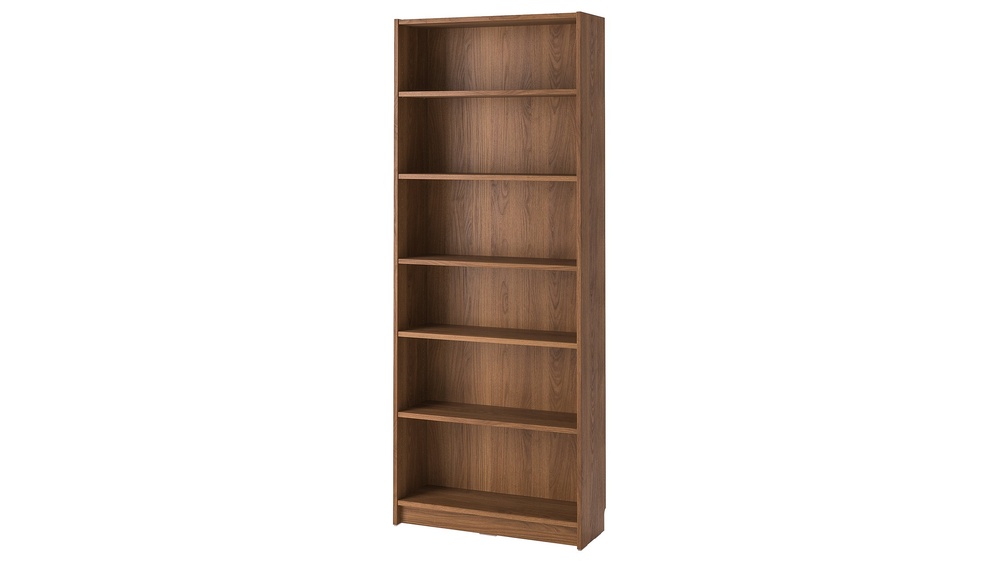
Are you looking for a simple, budget-friendly way to organize your books and add a personal touch to your space? Making a bookshelf with cardboard boxes is easier than you think.
You don’t need fancy tools or expensive materials—just a bit of creativity and some basic supplies. In this guide, you’ll discover step-by-step how to turn ordinary boxes into a sturdy, stylish bookshelf that fits your needs perfectly. Keep reading, and you’ll be surprised at how quickly you can create something both useful and unique for your home.
Materials Needed
Gathering the right materials is the first step to build a sturdy bookshelf from cardboard boxes. Choosing good supplies ensures your project lasts longer and looks neat. This section covers everything needed to start your DIY bookshelf.
Choosing The Right Cardboard Boxes
Select boxes that are strong and in good shape. Double-walled boxes work best for extra support. Avoid boxes with tears, holes, or water damage. The size of the boxes affects the shelf dimensions. Larger boxes create bigger shelves. Use uniform sizes for a balanced look.
Additional Supplies
Besides boxes, you need tape to hold pieces together firmly. Clear packing tape is strong and easy to use. Glue helps keep parts stable over time. Choose a quick-drying craft glue. Paint or decorative paper can improve the shelf’s appearance. Use items that dry fast to save time.
Tools Required
Cutting tools are essential for shaping boxes. A sharp utility knife works best for clean cuts. Scissors help with smaller details and trimming. A ruler or measuring tape ensures accuracy in size. A pencil marks cutting lines clearly. These simple tools make the building process smooth and precise.

Credit: upcyclemystuff.com
Preparing The Boxes
Preparing the cardboard boxes is the first step in building a sturdy bookshelf. This stage sets the base for a strong and neat structure. Taking time to ready the boxes properly helps ensure the shelf holds up well and looks good.
Focus on cleaning, shaping, and strengthening each box before assembly. Each task makes the boxes easier to work with and more durable.
Cleaning And Flattening
Start by removing any tape, labels, or dirt from the boxes. Clean surfaces help glue and paint stick better. Flatten the boxes carefully to avoid creases that weaken the cardboard. Use a flat surface and press down gently. This creates smooth panels to cut and join.
Cutting To Size
Measure the size of the bookshelf parts you need. Mark the cardboard with a pencil and ruler for straight lines. Use a sharp box cutter or scissors to cut along the marks. Cutting clean edges makes assembly easier and the shelf look neat. Cut extra pieces for shelves and supports.
Strengthening The Structure
Reinforce each box by gluing extra layers of cardboard inside. Use strong craft glue or hot glue for a firm bond. Add strips of cardboard along edges for more support. This stops the shelf from bending or collapsing under weight. Let glue dry fully before building.
Assembling The Shelves
Assembling the shelves is the core step in making a bookshelf with cardboard boxes. This process shapes the structure and determines its strength. Careful stacking and securing ensure the shelves hold books safely. You can also customize compartments for better organization.
Stacking And Arranging
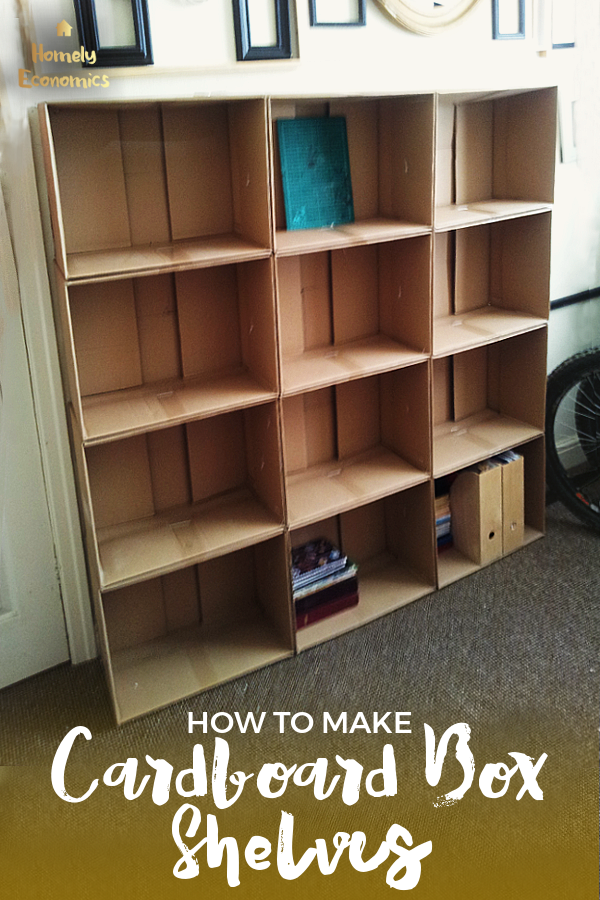
Start by placing the cardboard boxes in the order you want. Stack them vertically or horizontally depending on your design. Arrange boxes to create the desired height and width. Make sure the boxes align well for stability. Check that the shelves look balanced and even.
Securing With Tape Or Glue
Use strong tape or glue to join the boxes tightly. Apply tape along all edges where boxes meet. Press firmly to make the bond strong. If using glue, hold the boxes until dry. Secure connections prevent shelves from wobbling or falling apart.
Creating Compartments
Divide larger boxes into smaller sections with extra cardboard pieces. Insert these pieces inside the boxes to form compartments. This helps keep books or items separated. Compartments add structure and improve shelf strength. Customize sizes based on what you plan to store.
Credit: homelyeconomics.com
Reinforcing The Bookshelf
Reinforcing the bookshelf is key to holding your books safely. Cardboard alone can bend or break under weight. Strengthening the structure helps it last longer and stay stable.
Simple techniques make a big difference. Support beams, inserts, and proper stability checks keep your shelf firm. These steps make your cardboard bookshelf strong and useful.
Adding Support Beams
Support beams add extra strength inside the shelf. Use long strips of cardboard folded tightly. Place them vertically or horizontally along the back and sides. This spreads the weight evenly. It stops the shelf from sagging or collapsing.
Using Cardboard Inserts
Cardboard inserts fit inside the shelf compartments. Cut pieces to fit snugly inside each section. These inserts act like walls inside the shelf. They stop the sides from bowing out under heavy books. Inserts create more solid layers for better support.
Ensuring Stability
Check the shelf on a flat surface. Press gently on different parts to test firmness. Add extra beams or inserts where it feels weak. Secure joints with strong tape or glue. Make sure the shelf does not wobble or tilt. A stable shelf holds books safely and lasts longer.
Finishing Touches
Finishing touches bring your cardboard bookshelf to life. They improve strength and style. These small steps make your project look neat and last longer. Focus on painting, adding shelf liners, and personalizing your shelf.
Painting And Decorating
Choose paint that sticks well to cardboard. Acrylic paint works best. It dries fast and looks bright. Apply one or two coats for even color. Let each coat dry before the next. Use painter’s tape for clean edges. You can also add patterns or shapes with stencils. Stickers or washi tape add fun details.
Adding Shelf Liners
Shelf liners protect the cardboard from dirt and damage. Use contact paper or fabric for easy cleaning. Cut liners to fit inside each shelf space. Secure with glue or double-sided tape. Liners also stop books from slipping. Pick colors or patterns that match your room.
Personalizing Your Bookshelf
Make the shelf yours with personal touches. Add labels to find books quickly. Use small baskets or boxes for loose items. Attach hooks on the sides for keys or bags. Write your name or favorite quotes with markers. These details make your shelf special and unique.

Credit: www.youtube.com
Maintenance Tips
Maintaining a bookshelf made from cardboard boxes helps it last longer. Simple care keeps it sturdy and looking good. Follow these easy tips to protect your cardboard bookshelf.
Keeping It Dry
Cardboard weakens with moisture. Keep the shelf away from water and damp places. Avoid placing it near windows or bathrooms. Use a cover during spills or cleaning nearby. Dry spots quickly to stop damage.
Handling Weight Limits
Cardboard shelves can hold only light to medium items. Do not overload with heavy books or objects. Distribute weight evenly across all boxes. Check the shelf often for bending or sagging. Replace boxes if they start to weaken.
Cleaning Guidelines
Dust your shelf regularly with a dry cloth. Avoid using wet cloths or sprays. Use a soft brush to clean corners and edges. Keep the shelf clear of dirt and crumbs. Clean carefully to avoid tearing the cardboard.
Frequently Asked Questions
How Durable Is A Bookshelf Made From Cardboard Boxes?
Cardboard bookshelves are lightweight but can hold moderate weight. Reinforce with tape or glue for better durability. Avoid placing very heavy items to maintain structure and longevity.
What Materials Are Needed To Make A Cardboard Bookshelf?
You need sturdy cardboard boxes, strong adhesive or glue, packing tape, a ruler, a box cutter, and decorative paper or paint for finishing touches.
How Can I Make My Cardboard Bookshelf Look Attractive?
Use decorative paper, paint, or fabric to cover the boxes. Adding patterns or colors enhances appearance and personalizes your bookshelf. Seal with clear varnish for durability.
Is A Cardboard Bookshelf Eco-friendly?
Yes, using cardboard boxes recycles materials and reduces waste. It’s a sustainable option compared to buying new furniture. Reuse and recycle when the bookshelf is no longer needed.
Conclusion
Making a bookshelf with cardboard boxes is simple and fun. You need just a few materials and some time. This project helps save money and recycles old boxes. You can customize the size and shape to fit your space. It also gives a chance to be creative and personal.
Try adding paint or decorations for a unique look. Start with small steps and build your skills. This DIY bookshelf adds charm and function to any room. Give it a try and enjoy your new, handmade shelf.