Are you looking to add a unique touch to your home décor without spending a fortune? Making a console table with pipes is a smart and stylish way to do just that.
Imagine creating a piece that’s not only sturdy and functional but also has an industrial edge that stands out. In this guide, you’ll discover simple steps to build your own pipe console table, even if you’re new to DIY projects.
Ready to transform your space with a table that’s truly one of a kind? Let’s dive in and make it happen!
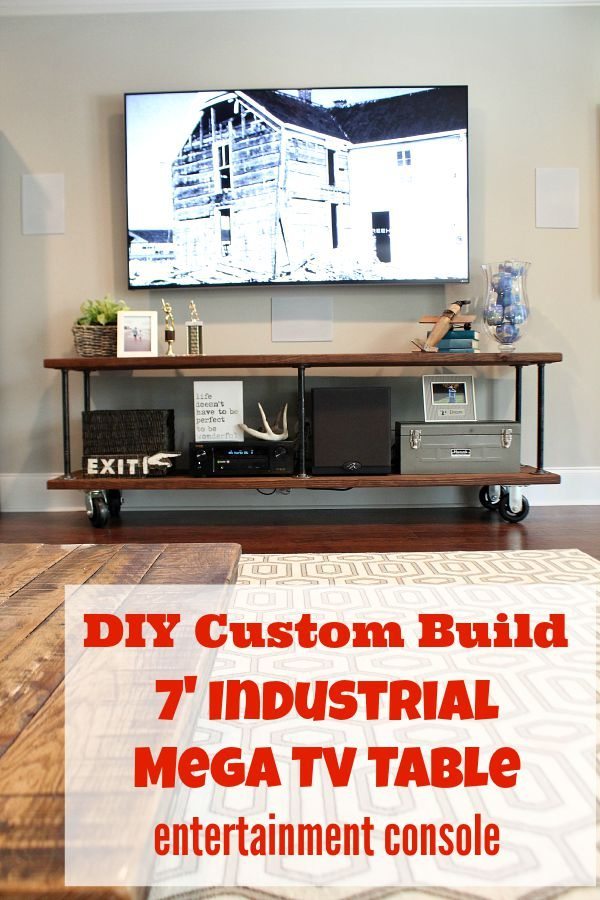
Credit: refreshrestyle.com
Materials Needed
Building a console table with pipes needs careful choice of materials. The right parts make the project strong and look good. Below are the key materials to gather before starting.
Pipe Types And Sizes
Use black steel pipes for a classic look. Galvanized pipes resist rust and last longer. Choose pipe sizes based on table height and stability. Common sizes are 1/2 inch or 3/4 inch in diameter. Include pipe fittings like elbows, tees, and flanges to join parts.
Wood Selection
Select wood that fits your style and budget. Pine is soft and easy to work with. Oak offers durability and a rich finish. Choose wood thickness between 1 to 1.5 inches for strength. Sand the wood smooth before assembly to avoid splinters.
Tools Required
Prepare tools for cutting, assembling, and finishing. A pipe cutter or hacksaw trims pipes to size. A drill helps fix screws into wood and pipe flanges. Sandpaper or an electric sander smooths the wood surface. A wrench tightens pipe fittings securely.
Credit: jenwoodhouse.com
Designing Your Console Table
Designing your console table is the first step in creating a piece that fits your space and style. It helps to plan carefully before cutting pipes or buying materials. Thoughtful design saves time and money.
Think about where the table will go. Measure the space and decide how big or small the table should be. Consider the height, width, and depth for perfect fit and use.
Choosing Dimensions
Start by measuring the wall or area for your table. Decide the table’s length based on the space available. Keep the depth shallow if space is tight. A height around 30 to 36 inches works well for most console tables. Make sure the table can hold the items you want to place on it.
Sketching The Layout
Draw your console table on paper or use a simple app. Sketch the top, legs, and pipe frame. Show how pipes connect at each joint. Mark the length of every pipe piece. A clear sketch guides your building and reduces mistakes.
Cutting Pipes And Wood
Cutting pipes and wood is the first step to build a sturdy console table with pipes. Accurate cuts ensure all pieces fit well. This part needs focus and care. Both materials need different tools and methods for cutting. Understanding how to measure and cut safely helps you avoid mistakes and injuries.
Measuring And Marking
Measure twice, cut once. Use a tape measure to get exact lengths for pipes and wood. Mark the cutting points clearly with a pencil or marker. For wood, mark on the flat side. For pipes, mark around the circumference for a straight cut. Check your marks before cutting. Good measuring saves time and material waste.
Safe Cutting Techniques
Wear safety goggles and gloves to protect your eyes and hands. Use a pipe cutter or hacksaw for metal pipes. Hold pipes firmly in a clamp while cutting. For wood, use a handsaw or power saw with a blade suitable for wood. Cut slowly to keep control and avoid splinters. Keep your work area clean and free from obstacles. Safety first keeps your project smooth and injury-free.
Assembling The Pipe Frame
Assembling the pipe frame is the key step in making a console table. This frame will support the tabletop and give the table its shape. Using pipes and fittings, you create a strong base that can hold weight and look good.
Careful assembly ensures the frame stays steady and lasts long. Follow the steps below to connect the pipes and keep the structure firm.
Connecting Pipes And Fittings
Start by sorting all pipes and fittings by size and type. This helps to find the right parts quickly. Attach the pipes to the fittings by hand first. Make sure each connection is tight but avoid forcing them.
Use a pipe wrench to tighten the joints. Turn slowly and stop once it feels secure. Check that all pipes fit flush without gaps. This prevents wobbling later.
Ensuring Stability
Place the frame on a flat surface. Check for any rocking or uneven legs. Adjust pipe lengths or fittings if needed. Tighten all joints again to lock parts in place.
Add floor protectors under the legs to avoid slipping. Test the frame by pressing down gently on the top. It should not move or creak. A stable frame means a safe, durable table.
Preparing The Wooden Top
Preparing the wooden top is an important step in making a console table with pipes. The wooden top is the surface where you place items. It needs to be smooth, strong, and well-finished. Taking time to prepare the wood properly ensures your table looks great and lasts long.
Start by sanding the wood to remove rough spots and splinters. Then, apply a finish to protect the wood and bring out its natural beauty. Finally, attach the wooden top securely to the pipe frame for stability. Each step is easy and helps create a sturdy, attractive table.
Sanding And Finishing
Use sandpaper with medium grit to smooth the wood surface. Sand along the grain to avoid scratches. Check for rough edges and sand them as well. After sanding, wipe the wood with a damp cloth to remove dust.
Choose a finish like varnish, oil, or paint. Apply it evenly using a brush or cloth. Let the finish dry completely before handling the wood. This step protects the wood from moisture and wear. It also makes the table easier to clean.
Attaching The Wood To Frame
Place the wooden top on the pipe frame to check the fit. Adjust the frame if needed for a snug fit. Use screws or bolts to attach the wood securely. Drill pilot holes to prevent the wood from splitting.
Make sure the screws are tight but not too tight. The wooden top should be firm and stable. This ensures the table can hold weight without wobbling. Your console table is now ready for use or decoration.
Final Touches
The final touches make your console table complete and ready to use. This stage improves the look and strength of your project. Small details can change the whole feel. Take your time to finish well.
Sealing And Protecting
Sealing the wood keeps it safe from water and dirt. Use a clear varnish or polyurethane. Apply thin coats with a brush. Let each coat dry fully before the next. This process makes the surface smooth and shiny. It also stops scratches and stains. Protect the pipes by wiping them clean. You can add a clear spray to avoid rust. This step helps your table last longer.
Adding Decorative Elements
Decorative touches give your table personality. Add small plants or candles for a cozy look. Use baskets or boxes underneath for extra storage. Attach hooks on the sides for keys or bags. Consider a small lamp for soft lighting. Choose items that match your room style. These elements make the table both useful and pretty.
Maintenance Tips
Maintaining your console table with pipes keeps it looking fresh and lasting longer. Regular care protects both the metal pipes and wooden parts from damage. Simple steps help avoid rust, scratches, and wear. Follow these easy tips to keep your table in great shape.
Cleaning The Pipes
Wipe the pipes with a soft, dry cloth often. Dust and dirt can cause scratches and rust. For tougher grime, use a damp cloth with mild soap. Avoid harsh cleaners that can damage the metal finish. Dry the pipes completely after cleaning to stop rust from forming.
Wood Care Advice
Dust the wood surface regularly using a soft cloth. Use a wood cleaner or polish to keep the wood shiny. Avoid placing hot or wet items directly on the wood to prevent stains. If scratches appear, use a wood touch-up marker to hide them. Keep the table away from direct sunlight to avoid fading.

Credit: www.lauracoxblog.com
Frequently Asked Questions
What Materials Are Needed To Make A Pipe Console Table?
You need metal pipes, wooden boards, pipe fittings, screws, and tools like a drill and wrench. These materials ensure durability and a rustic look for your console table.
How Do You Assemble Pipes For A Console Table Frame?
Connect pipes using elbows, tees, and flanges to create the frame. Tighten all joints securely for stability before attaching the tabletop.
What Type Of Wood Is Best For The Tabletop?
Choose hardwood like oak, walnut, or maple for strength and durability. These woods complement the industrial look of pipe tables.
Can I Customize The Size Of My Pipe Console Table?
Yes, you can adjust pipe lengths and wood dimensions to fit your space. Custom sizing allows for personalized design and function.
Conclusion
Building a console table with pipes is simple and fun. You only need a few materials and some basic tools. This project lets you create a stylish and strong table for your home. You can change the size or color to fit your space.
It is also a great way to save money compared to buying new furniture. Try it yourself and enjoy the process of making something useful. This DIY table adds a unique touch to any room. Ready to start? Grab your pipes and begin!

