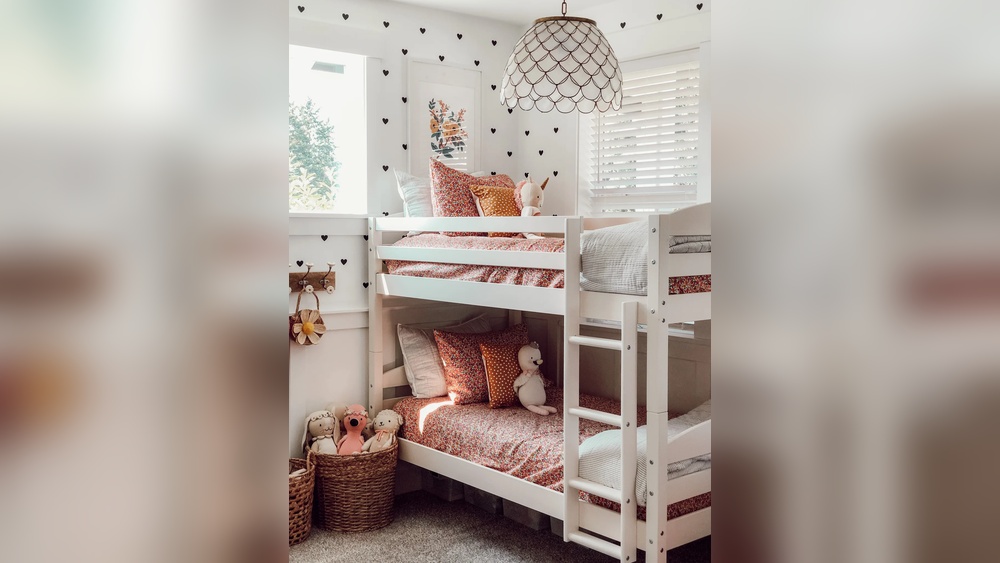
Imagine having a secret space right in your home—hidden away behind a bookshelf that looks just like any other. You might think it’s something out of a movie, but creating a hidden room behind a bookshelf is more doable than you realize.
Whether you want a private office, a cozy reading nook, or a safe spot to store valuables, this clever addition can add both mystery and value to your home. In this guide, you’ll discover simple steps and smart tips to make your own hidden room.
Ready to turn an ordinary wall into a secret doorway? Let’s dive in and unlock the possibilities together.
Choosing The Location
Choosing the right spot for your hidden room is very important. It affects how well the secret space works. You want the location to be both practical and easy to keep hidden. Think about the room’s size and shape. Also, consider where the bookshelf will fit best.
Assessing Available Space
Look at the rooms you have. Find walls that can hold a bookshelf and a door behind it. Measure the space carefully. Make sure there is enough room for the hidden room itself. Check if the area is easy to reach but not too obvious.
Think about what you want inside the hidden room. Will it be a small storage space or a larger secret room? This will help decide the space you need. Avoid spots with too many windows or doors. These can make hiding the room harder.
Considering Structural Elements
Check the walls and floor for pipes, wiring, or beams. These can block your hidden room or cause problems later. Avoid walls that hold up the house’s weight. Changing them can be unsafe and expensive.
Look for walls that are thick enough to hide a door. Also, check if the floor below is solid. Weak floors might need extra work to support the room. Safety should come first when picking the location.
Designing The Bookshelf Door
Creating a hidden room starts with designing the perfect bookshelf door. This door must blend with your room decor. It should look like a regular bookshelf at first glance. The design impacts both the room’s secrecy and style.
Focus on two main parts: the bookshelf style and the door mechanism. These elements work together. They make the hidden door both functional and attractive. Careful planning here makes your secret room more believable and easy to use.
Selecting The Bookshelf Style
Choose a bookshelf style that fits your room’s theme. Classic wood shelves add warmth and charm. Modern metal or glass shelves give a sleek look. The style should not stand out or look unusual.
Consider shelf depth and height for hiding the door. Deep shelves can hide the door frame better. Tall shelves can cover the entire door area. Use real books or decor to fill shelves naturally.
Incorporating Door Mechanisms
Pick a door mechanism that works smoothly and quietly. Hinged doors are common and easy to build. They swing open like a normal door. Sliding doors save space and look seamless.
Use hidden hinges or pivot hinges for extra stealth. Magnetic locks or push latches keep the door closed without visible handles. Choose mechanisms that match your skill level and budget. Test the door often to ensure smooth operation.
Gathering Materials And Tools
Creating a hidden room behind a bookshelf needs careful planning. Gathering the right materials and tools is the first step. Having everything ready saves time and avoids frustration. You must choose strong wood and reliable hardware. Tools should be easy to use and fit the project size. This section helps you understand what to collect before you start.
Essential Wood And Hardware
Choose solid wood for the bookshelf frame. Pine or oak work well because they are sturdy. Get wood panels for the back and shelves. Hinges must support the weight of the door. Heavy-duty concealed hinges are best for a hidden door. You also need a strong latch or magnetic lock. This keeps the door secure but easy to open. Don’t forget screws, brackets, and wood glue for assembly.
Required Tools Checklist
Start with a power drill for making holes and driving screws. A saw is needed to cut wood to size. A level ensures the bookshelf stands straight and the door fits well. A measuring tape helps to get exact dimensions. Use a screwdriver for fine adjustments. Sandpaper smooths rough edges for a clean finish. Safety gear like gloves and goggles protects you during work.

Credit: www.housebeautiful.com
Building The Bookshelf Frame
Installing the door mechanism is a key step in building your hidden room behind a bookshelf. This step makes the bookshelf functional as a secret door. Choose the right mechanism and install it carefully. A smooth and quiet operation is important for a good hidden door.
Choosing Hinges Or Sliding Tracks
Pick between hinges or sliding tracks for your door. Hinges allow the bookshelf to swing open like a normal door. They work well if you have enough space around the bookshelf.
Sliding tracks let the bookshelf slide sideways. This option saves space and looks very clean. It requires a sturdy track and rollers for smooth movement. Consider the room layout before deciding.
Mounting And Testing Movement
Attach the hinges or sliding tracks to the bookshelf frame. Use a level to keep the door straight. Secure all screws tightly for safety.
Test the door movement many times. Check for smooth opening and closing. Adjust the hinges or tracks if the door sticks or is uneven. A well-installed mechanism feels solid and quiet.
Installing The Door Mechanism
Creating the hidden room entrance is the key step in building a secret space. This entrance must be sturdy and blend well with the rest of the room. It should look like part of the bookshelf and not a door. The goal is to keep the entrance hidden while making it easy to open.
Framing The Doorway
Start by measuring the space where the hidden door will go. Build a strong frame using wood or metal studs. The frame must fit the door size exactly. Make sure it is level and square for smooth door movement. Secure the frame firmly to the wall.
Use sturdy materials to support the weight of the door and shelves. Reinforce corners for extra strength. This frame will hold the door and bookshelf together safely.
Ensuring Seamless Integration
Attach the bookshelf door carefully to the frame. Use hinges that allow the door to open quietly and smoothly. Match the bookshelf design and color to the room’s style. Paint or stain the door to blend with other shelves.
Install magnetic or hidden catches to keep the door closed tightly. Avoid visible handles; use a push-to-open mechanism instead. Align shelves on the door with those on the wall for a perfect match.
Creating The Hidden Room Entrance
Finishing touches make your hidden room look complete and inviting. These small details bring out the charm and hide the secret well. Focus on painting, staining, and decoration for the best effect. These steps help the bookshelf blend into your room perfectly.
Painting And Staining
Choose paint or stain that matches your room’s style. Use colors that blend with the walls or nearby furniture. A smooth finish hides the door edges and hinges better. Apply two or three coats for even coverage. Let each coat dry fully before adding the next. Use a brush or roller for a neat look. Seal the paint or stain with a clear finish to protect it. This also gives the bookshelf a polished appearance.
Adding Decorative Elements
Decorate the bookshelf with items that suit your taste. Place books, plants, or small art pieces on the shelves. Avoid clutter that draws attention to the door. Use matching knobs or handles that do not look out of place. Add soft lighting inside or around the bookshelf for a cozy feel. A rug or chair nearby can make the space inviting. These touches keep the secret hidden and enhance the room’s style.
Finishing Touches
Creating a hidden room behind a bookshelf is exciting and fun. Safety and security must be a top priority. Protecting the room ensures it stays hidden and safe from damage or unwanted entry. The structure should be strong and reliable. Locks or alarms add an extra layer of security. These steps help keep your secret room secure and stable.
Reinforcing The Structure
Use strong materials for the bookshelf frame. Wood or metal supports increase stability. Secure the bookshelf firmly to the wall. This prevents wobbling or tipping. Check all hinges and moving parts often. Tighten screws and replace worn parts. A sturdy structure keeps the hidden room safe and durable.
Installing Locks Or Alarms
Choose a lock that is hard to detect. Magnetic locks work well for hidden doors. Mechanical locks add more security. Install alarms that alert you if the door opens. Silent alarms are a good option. Test locks and alarms regularly. These devices help protect your secret room from intruders.

Credit: www.reddit.com
Credit: www.reddit.com
Frequently Asked Questions
How Do I Build A Hidden Room Behind A Bookshelf?
Start by choosing a sturdy bookshelf with enough depth. Install a pivot or sliding hinge system. Frame the hidden room doorway carefully. Ensure the bookshelf swings smoothly and seals the secret space effectively.
What Materials Are Needed For A Bookshelf Secret Door?
You need solid wood or metal hinges, screws, a strong bookshelf, and a latch mechanism. Additional materials include drywall, paint, and lighting for the hidden room. Proper tools like drills and levels are essential.
How To Conceal The Bookshelf Door Seamlessly?
Match the bookshelf’s design with surrounding shelves. Use consistent paint, finish, and decorations. Install hidden hinges and a magnetic latch. Avoid visible gaps or hardware to keep the door undetectable.
Is A Hidden Room Behind A Bookshelf Safe?
Yes, if built with sturdy materials and secure locking mechanisms. Ensure the door frame is reinforced. Also, include proper ventilation and emergency exits for safety.
Conclusion
Creating a hidden room behind a bookshelf is a fun and clever idea. It adds extra space and privacy to your home. You only need some basic tools and careful planning. Take your time and follow each step with care.
Soon, you will have a secret spot that surprises everyone. Enjoy the process and the unique space you build. This project makes your home more interesting and personal. Try it and see how creative you can be!