Are you looking for a unique way to organize your books and add a cool touch to your space? A railroad track bookshelf might be exactly what you need.
It’s not just a place to store books—it’s a conversation starter and a piece of art. Imagine your favorite novels resting on tracks that look like they belong in a vintage train yard. In this guide, you’ll discover easy steps to build your own railroad track bookshelf, even if you’re new to DIY projects.
Ready to transform your room and impress your guests? Let’s get started!
Materials Needed
Building a railroad track bookshelf needs specific materials. Gather the right items before starting. This helps keep the project smooth and fun. Focus on quality materials for strength and style.
Wood Selection
Choose sturdy wood for shelves and supports. Pine, oak, or cedar work well. Measure your space to decide wood size. Sand the wood for a smooth finish. Good wood keeps your bookshelf strong and safe.
Railroad Track Components
Use real or replica railroad tracks for a unique look. Get straight track pieces to make shelf edges. Make sure tracks are clean and rust-free. These parts create the bookshelf’s main design. Check the length fits your shelf plan.
Tools Required
Have a drill with bits for screws and holes. Use a saw to cut wood accurately. Sandpaper or a power sander smooths rough edges. A measuring tape ensures correct dimensions. Screwdrivers help attach parts tightly.
Additional Supplies
Buy wood screws and metal brackets for support. Get wood glue for extra strength. Use paint or stain for finishing touches. Protective gear like gloves and goggles keeps you safe. Keep a level to check shelf balance.
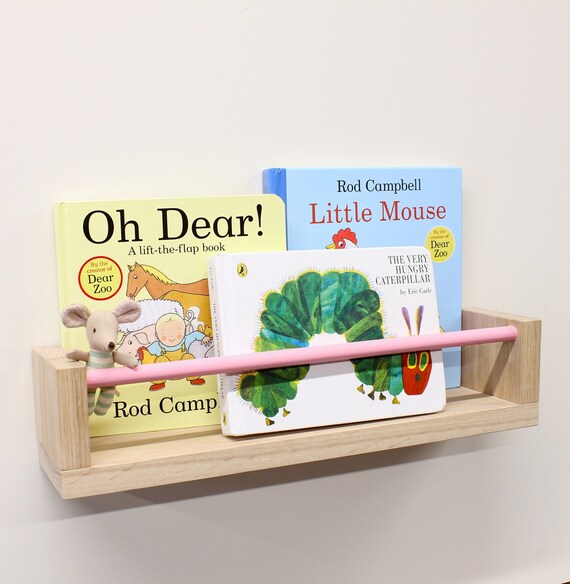
Credit: www.etsy.com
Design Planning
Design planning is the first step in building a railroad track bookshelf. It helps you organize ideas and avoid mistakes. Careful planning saves time and materials. Focus on size, shape, and safety before starting the build.
Think about how the bookshelf will look and fit in your space. A clear plan makes construction easier and the final product stronger. Let’s explore the key parts of design planning.
Choosing Dimensions
Decide the height, width, and depth of your bookshelf. Consider the space where you will place it. Measure the area carefully to ensure a perfect fit. Keep in mind the size of books you want to store. Choose dimensions that balance storage and stability.
Sketching The Layout
Draw a simple sketch of your bookshelf design. Include shelves and railroad track details. Mark measurements clearly on the drawing. Sketching helps visualize the final look. It guides your cutting and assembly steps.
Safety Considerations
Plan for a sturdy and safe bookshelf. Use strong materials that support weight well. Check for sharp edges or loose parts in your design. Make sure shelves are secure to prevent tipping. Safety keeps your bookshelf reliable and long-lasting.
Preparing The Wood
Preparing the wood is an important step in building your railroad track bookshelf. It ensures that each piece fits well and looks smooth. Careful preparation helps your bookshelf last longer and look great in your home.
Cutting To Size
Start by measuring the wood pieces you need for your bookshelf. Use a saw to cut the wood to the correct lengths. Make sure to cut straight lines for a perfect fit. Double-check the measurements before cutting to avoid mistakes.
Sanding Surfaces
After cutting, sand the wood surfaces with sandpaper. This removes rough edges and splinters. Sand all sides until the wood feels smooth to the touch. Smooth wood makes the bookshelf safer and more attractive.
Finishing Touches
Apply a wood finish like stain or paint to protect the wood. Use a brush or cloth to spread the finish evenly. Let the finish dry completely before assembling the bookshelf. This step adds color and protects the wood from damage.
Assembling The Frame
Assembling the frame is the first big step in making your railroad track bookshelf. This step sets the base for the whole project. A strong frame means a stable bookshelf. Take your time and follow each instruction carefully.
Focus on getting the wood pieces to fit well. Use the right tools to keep everything square and tight. A good frame will last for years.
Joining Wood Pieces
Start by lining up the wood pieces on a flat surface. Check that all edges are smooth and even. Use wood glue on the edges that will join. This helps hold the pieces firmly.
Next, use clamps to keep the wood steady. Let the glue dry as the instructions say. For extra strength, add screws or nails at the joints. Drill pilot holes first to avoid splitting the wood.
Attaching Support Beams
Support beams keep the frame strong and stop it from wobbling. Measure where the beams will go inside the frame. Mark these spots clearly on the wood.
Attach each beam using screws and wood glue. Check that each beam is level and straight. This support will help the bookshelf hold heavy books safely.
Installing Railroad Tracks
Installing the railroad tracks is a key step in building your railroad track bookshelf. This process shapes the shelf’s look and ensures it holds books safely. Careful placement and strong attachment are important. Follow each step to get the best results.
Positioning The Tracks
Start by deciding where the tracks will go on the shelf. Place them evenly along the length. Keep space between tracks for books to fit comfortably. Use a level to make sure the tracks are straight. Mark the spots lightly with a pencil. This helps guide you during installation.
Securing The Rails
Next, attach the rails firmly to the shelf. Use screws or nails that fit the wood type. Drill small pilot holes to avoid splitting the wood. Align the rails with your pencil marks. Tighten the screws until the rails do not move. Check stability by gently shaking the rails. Secure rails hold books safely and keep the shelf strong.
Final Assembly
The final assembly is the stage where your railroad track bookshelf takes shape. This part brings together all the pieces you prepared earlier. Careful work here ensures your bookshelf looks great and lasts long.
Adding Shelves
Place each shelf carefully between the side frames. Check the alignment so the shelves sit evenly. Use screws or brackets to fix shelves in place securely. Avoid loose fittings to prevent wobbling. Make sure shelves are level using a spirit level. Adjust as needed before tightening all screws fully.
Ensuring Stability
Stability is key for safety and durability. Add corner braces or metal brackets at joints for extra strength. Tighten all bolts and screws firmly to avoid movement. Test the bookshelf by gently shaking it. If it feels loose, check all connections again. Consider securing the bookshelf to the wall for added safety, especially if it is tall or heavy.
Painting And Finishing
Painting and finishing your railroad track bookshelf gives it a polished look. It also protects the wood from damage and wear. This step lets you add color or keep the natural wood tone. Proper finishing makes your bookshelf last longer and look great.
Choosing Paint Or Stain
Pick paint for bold, solid colors. It hides wood grain but adds style. Stain shows the wood’s natural pattern. It gives a warm, classic feel. Choose water-based products for easy cleanup. Test colors on a scrap piece first. This helps avoid surprises with the final look.
Applying Protective Coating
Protect your paint or stain with a clear coat. Use polyurethane or varnish for strong protection. Apply thin, even layers with a brush or cloth. Let each layer dry before adding the next. This prevents sticky spots and bubbles. A protective finish stops scratches and moisture damage.

Credit: aglassofbovino.com
Maintenance Tips
Maintaining your railroad track bookshelf keeps it looking great and lasting long. Regular care helps prevent damage and keeps the wood strong. Follow these simple tips to protect your unique bookshelf.
Cleaning The Bookshelf
Dust your bookshelf often to avoid buildup. Use a soft cloth or feather duster for gentle cleaning. Avoid harsh chemicals that can harm the wood finish. A slightly damp cloth works well for sticky spots. Dry the surface immediately to stop moisture damage.
Preventing Wear And Tear
Place your bookshelf away from direct sunlight to stop fading. Keep it in a stable area to avoid wobbling or tipping. Use felt pads under heavy items to protect the wood surface. Check screws and bolts regularly and tighten them when needed. Avoid placing very heavy books on one shelf only.
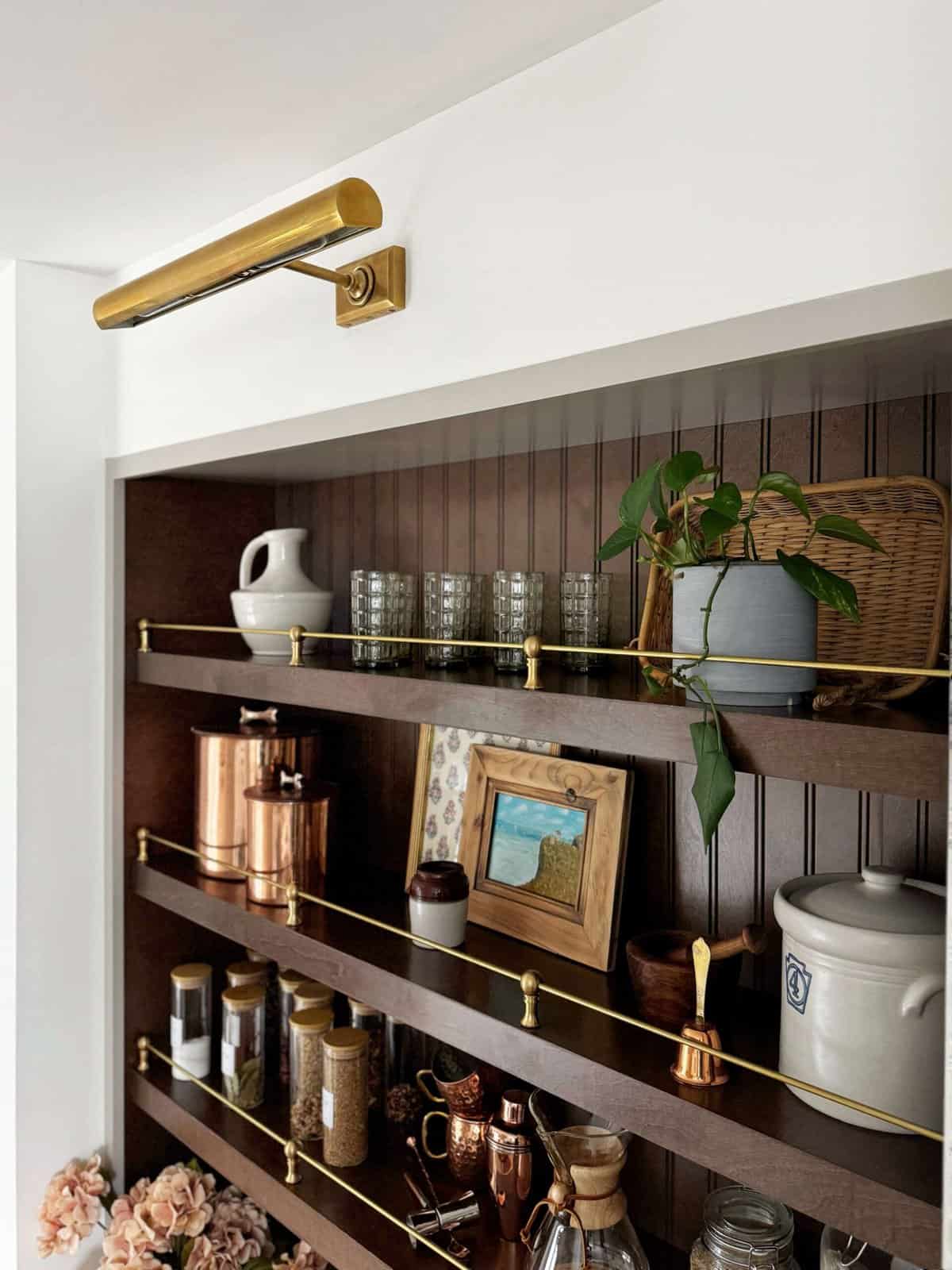
Credit: oakandgrainrefinishing.com
Frequently Asked Questions
What Materials Are Needed For A Railroad Track Bookshelf?
You need reclaimed railroad ties, wood planks, screws, brackets, sandpaper, and wood stain. Safety gear is also essential. These materials ensure durability and a rustic look for your bookshelf.
How Do You Safely Cut Railroad Ties For Shelves?
Use a circular saw with a diamond blade for cutting ties. Wear protective gear like gloves, goggles, and a dust mask to avoid injury and inhaling dust.
Can I Customize The Size Of The Bookshelf?
Yes, you can customize the height and width. Measure your space first and adjust the number of ties and shelves accordingly for a perfect fit.
How Do I Finish The Bookshelf To Prevent Damage?
Apply a wood sealant or outdoor wood stain. This protects the wood from moisture, insects, and wear, extending the bookshelf’s life and maintaining its appearance.
Conclusion
Building a railroad track bookshelf is a fun and useful project. You can organize books and add style to any room. Using simple tools and materials makes the process easy. Take your time and follow each step carefully. This project suits beginners and experienced builders alike.
Enjoy the satisfaction of creating something unique with your own hands. A railroad track bookshelf blends function with creativity perfectly. Try it and see how it changes your space. Small projects like this bring big joy.