Imagine having a unique bookshelf that not only stores your favorite books but also sparks conversation every time someone sees it. What if that bookshelf looked like a real railroad track, bringing a touch of adventure and creativity right into your home?
If you love DIY projects and want to add a personal, eye-catching piece to your space, this guide on how to make a railroad track bookshelf is made just for you. By the end, you’ll have all the simple steps and tips to build a stylish, sturdy shelf that stands out.
Ready to transform your room with something truly special? Let’s get started!
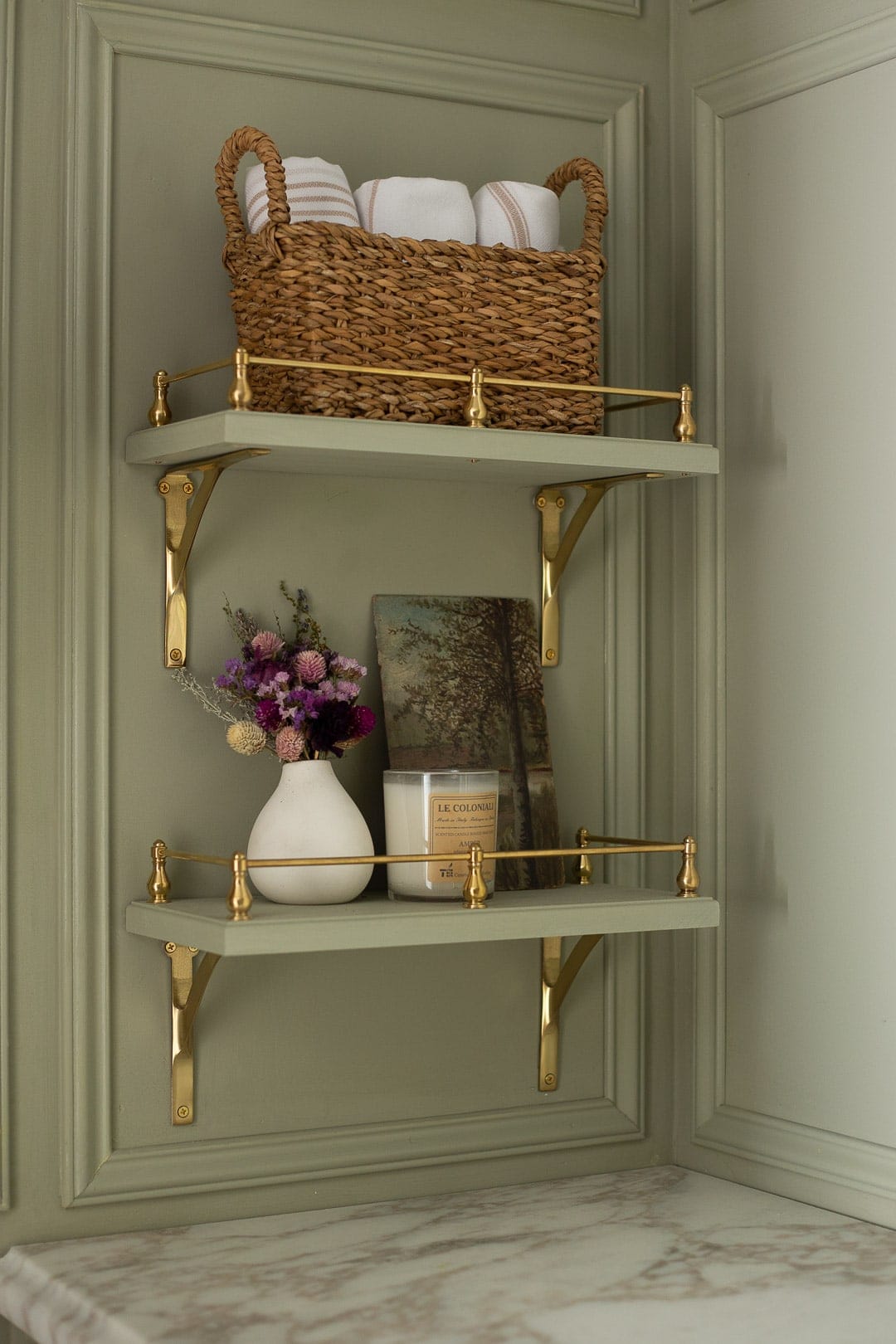
Credit: aglassofbovino.com
Materials And Tools Needed
Gathering the right materials and tools is the first step to build a railroad track bookshelf. Having everything ready makes the project smooth and efficient. Each item plays a key role in creating a sturdy and attractive bookshelf.
Choosing quality wood and hardware ensures your bookshelf lasts long. Tools help shape and assemble the pieces correctly. Prepare your workspace to keep all items organized and easy to reach.
Materials Needed
- Wood planks (pine or oak work well)
- Railroad track pieces or metal rails
- Wood screws and nails
- Wood glue
- Sandpaper (medium and fine grit)
- Wood stain or paint
- Clear sealant or varnish
- Wood filler (for gaps and holes)
- Measuring tape
Tools Needed
- Electric drill with drill bits
- Screwdriver (manual or electric)
- Hammer
- Hand saw or power saw
- Clamps to hold pieces in place
- Paintbrush or foam brush
- Level to ensure even shelves
- Pencil for marking measurements
- Safety goggles and gloves
Choosing The Right Wood
Choosing the right wood is key for building a railroad track bookshelf. The wood affects how strong and good the shelf looks. Picking the right type makes the project easier and the shelf lasts longer.
Wood types vary in color, texture, and hardness. Some woods are easier to work with. Others offer better strength. Knowing these differences helps you pick the best option.
Hardwood Vs Softwood
Hardwood comes from trees like oak, maple, and cherry. It is dense and lasts long. Softwood comes from pine, cedar, and fir trees. It is lighter and easier to cut. Hardwood is best for heavy shelves. Softwood works well for light books.
Durability And Strength
The shelf needs to hold many books. Strong wood prevents bending and breaking. Oak and maple are very strong. Pine is less strong but still good. Choose wood that can hold weight without damage.
Wood Grain And Appearance
Wood grain adds beauty to the shelf. Straight grain looks clean and modern. Curly or wavy grain adds character. Choose a grain pattern that fits your style. Sanding and finishing can enhance the look.
Cost And Availability
Some woods cost more than others. Oak and cherry are pricier. Pine and fir are more affordable. Check what wood is easy to find near you. Pick a wood that fits your budget and is easy to buy.
Designing The Bookshelf Layout
Designing the layout for your railroad track bookshelf is an important step. It shapes the look and function of your finished piece. Taking time here saves effort later. You create a bookshelf that fits your space and holds your books well.
Start with careful planning. Think about the style and size you want. A good design balances beauty and practicality. It helps your bookshelf stand out while serving its purpose.
Measuring Space
First, measure the area where the bookshelf will go. Use a tape measure for accuracy. Write down the height, width, and depth available. Check for obstacles like vents or outlets. Note any uneven walls or corners.
Keep clearance space in mind. You need room to move and access shelves. Avoid making the shelf too large or too small for the spot. Proper measurements guide your design choices.
Planning Shelf Dimensions
Decide on the size of each shelf. Consider what you want to store. Books come in many sizes. Design shelves that fit standard books and a few larger items.
Think about shelf height and depth. Too shallow, and books may fall. Too deep wastes space. Aim for balance to hold books securely and keep the look neat.
Railroad track details can affect shelf size. Leave room for tracks to show. Plan spacing to highlight this unique feature. Your shelf will be both functional and eye-catching.
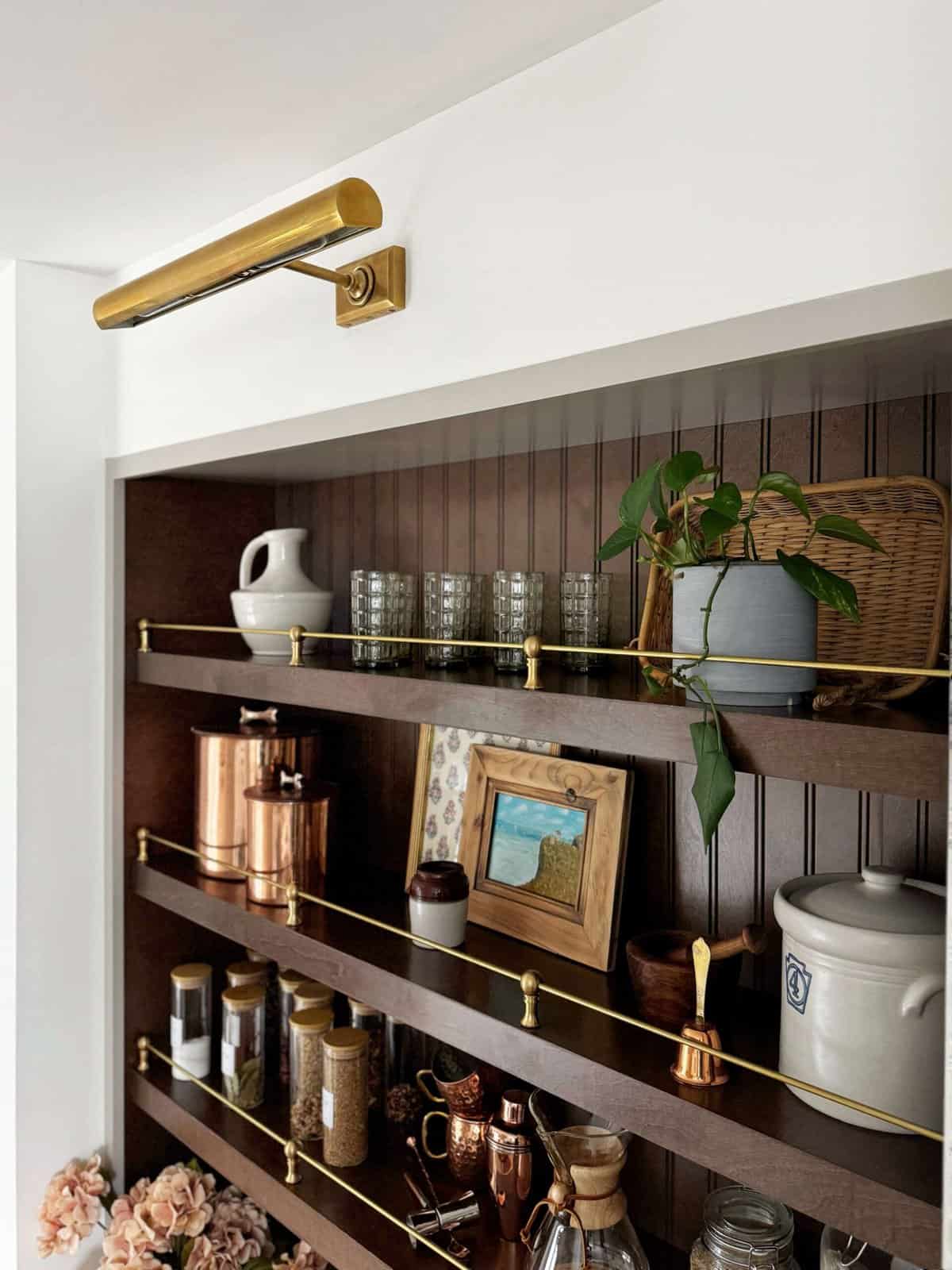
Credit: oakandgrainrefinishing.com
Cutting The Wood Pieces
Cutting the wood pieces is the first step in making your railroad track bookshelf. Precise cuts create strong and neat parts. This step helps your project look professional and last long. You need to measure carefully and use the right tools. Safety is important. Wear goggles and work on a stable surface. Take your time with each cut.
Cutting Rails
Start by cutting the rails. These are the long wood pieces that look like train tracks. Measure the length you want for your shelf. Use a saw to cut straight lines. Sand the edges after cutting to avoid splinters. Make sure each rail is the same length for balance. Double-check measurements before cutting. This keeps the shelf even and strong.
Cutting Supports
Next, cut the supports. These hold the rails and shelves together. Measure the height and width needed for stability. Use a saw to cut the supports to size. Smooth the edges with sandpaper. Check that supports fit well with the rails. Correct sizing prevents wobbling and keeps books safe. Accurate cuts make assembly easier later.
Assembling The Frame
Assembling the frame is the key step in building your railroad track bookshelf. This step creates the basic shape and strength of your shelf. A strong frame keeps the bookshelf stable and safe to hold books.
Focus on fitting the parts tightly and use the right tools. Take your time to make sure each connection is secure. This will help your bookshelf last longer.
Joining Rails
Start by aligning the railroad track rails. Place them side by side on a flat surface. Use clamps to hold the rails steady. Drill pilot holes to avoid splitting the wood. Screw the rails together using wood screws. Check that the rails are straight and even. This creates the top and bottom edges of the frame.
Securing Supports
Next, add the vertical supports between the rails. Measure the distance to space the supports evenly. Mark the spots on the rails before attaching. Attach each support with screws through the rails. Use a square tool to keep supports straight. These supports give the frame strength and hold the shelves. Double-check all screws to ensure they are tight.
Sanding And Finishing
Sanding and finishing are important steps in making a railroad track bookshelf. They help smooth the wood and protect it from damage. Proper sanding removes rough spots and prepares the surface for stain or paint. Finishing adds color and seals the wood, making the bookshelf last longer.
Sanding Techniques
Start sanding with coarse grit sandpaper. This removes big bumps and scratches. Move in the direction of the wood grain. Use even pressure to avoid uneven spots. After the rough sanding, switch to medium grit sandpaper. This smooths the surface further. Finally, use fine grit sandpaper for a soft, smooth finish. Wipe the dust off with a dry cloth before finishing.
Applying Stain Or Paint
Choose a stain or paint that matches your style. Test it on a small wood piece first. Use a brush or cloth to apply stain evenly. Let it sit for a few minutes, then wipe off the extra. For paint, use thin coats to avoid drips. Let each coat dry fully before adding another. Finish with a clear sealant to protect your work and add shine.
Adding Decorative Elements
Adding decorative elements brings life to your railroad track bookshelf. These details enhance the look and highlight the theme. Simple touches can turn a plain shelf into a unique piece of art. Focus on small but meaningful decorations. They make the shelf more personal and inviting.
Attaching Railroad Track Details
Use real or replica railroad parts to decorate the shelf. Attach small rails, spikes, or signs along the edges. Secure them with strong glue or small screws for safety. These details create an authentic railroad feel. Paint or polish metal parts for a clean finish. Place details evenly for balance and style.
Adding Bookends Or Accessories
Choose bookends that match the railroad theme. Mini train models or vintage railroad signs work well. Place them on both ends of the shelf to hold books in place. Add small accessories like lanterns or wheels for extra charm. Keep accessories simple to avoid clutter. This adds function and style to your bookshelf.

Credit: www.amazon.ie
Installing The Bookshelf
Installing the railroad track bookshelf is the final step in your DIY project. This step requires care to ensure the shelf is secure and functions well. Proper installation keeps your books safe and your room looking great. Follow these simple instructions to mount the shelf correctly and safely.
Mounting Options
Choose the right mounting option for your wall type. For drywall, use anchors or toggle bolts for strong support. Studs provide the best hold, so try to mount directly into them. Use a stud finder to locate studs behind the wall. For brick or concrete walls, use masonry screws or anchors. Always match the hardware size to the shelf weight. Secure the railroad track firmly to avoid wobbling or falling.
Safety Tips
Wear safety goggles and gloves during installation. Use a level to keep the shelf straight. Double-check all screws and brackets for tightness. Avoid overloading the shelf with too many heavy books. Keep children away during installation to prevent accidents. Test the shelf’s strength by applying gentle pressure before use. Proper installation prevents injuries and protects your books.
Frequently Asked Questions
What Materials Are Needed For A Railroad Track Bookshelf?
You need reclaimed railroad ties, wood planks, screws, sandpaper, wood stain, and brackets. These materials ensure durability and an authentic look.
How Do I Prepare Railroad Ties For Shelving?
Clean ties thoroughly, remove nails, and sand surfaces. This process makes ties safe and smooth for indoor use.
Can I Customize The Size Of The Bookshelf?
Yes, adjust the length and height of wood planks to fit your space perfectly.
How Do I Secure The Shelves To The Railroad Ties?
Use heavy-duty brackets and screws to attach shelves firmly. This ensures stability and safety.
Conclusion
Building a railroad track bookshelf brings charm to any room. It blends style with function in a unique way. You create a piece that holds your favorite books neatly. The process is simple and fun to follow. Each step adds to the final sturdy design.
This project fits well in living rooms or bedrooms. Try it yourself and enjoy a creative home touch. Your space will look cozy and organized. A handmade shelf shows care and personal style. Enjoy the satisfaction of building something useful and beautiful.