Are you looking to add a stylish and space-saving bookshelf to your room? A wall hung bookshelf is the perfect solution.
It keeps your favorite books within easy reach without taking up floor space. Plus, it can transform any blank wall into a beautiful, organized display. In this guide, you’ll discover simple steps to create your own wall hung bookshelf, even if you’re new to DIY projects.
By the end, you’ll have a unique piece that fits your style and needs. Ready to make your walls work smarter? Let’s get started!
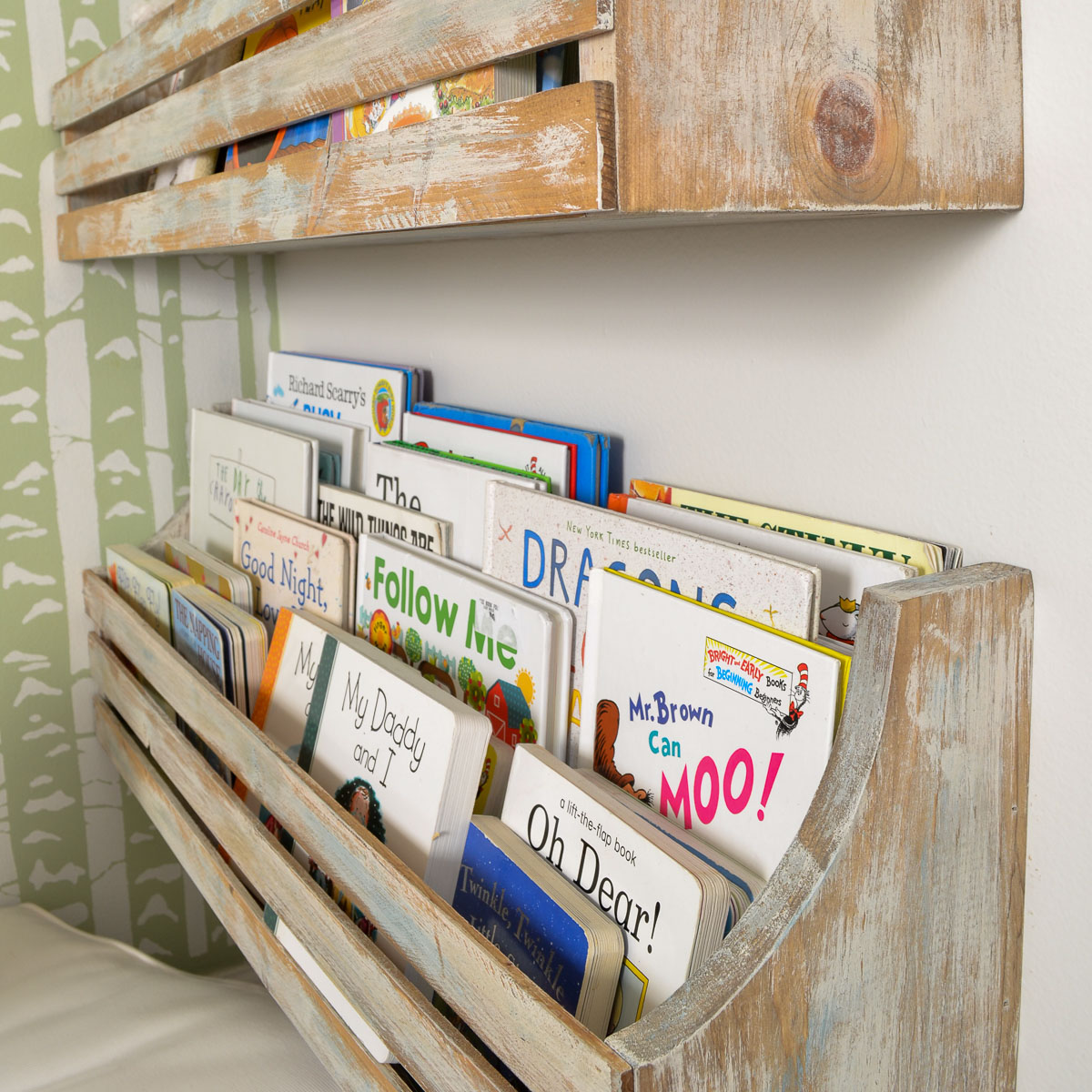
Credit: refreshliving.us
Choosing The Right Materials
Choosing the right materials is key to building a strong wall hung bookshelf. The materials affect the shelf’s look, strength, and how long it lasts.
Good materials make the project easier and safer. Poor choices can cause problems later. Focus on wood, hardware, and tools. These three are the foundation of your shelf.
Selecting Wood Types
Wood choice affects the shelf’s strength and style. Pine is soft and easy to cut. Oak is harder and very strong. Plywood offers a smooth surface and is budget-friendly.
Choose wood that fits your room’s style. Light wood for a bright look. Dark wood for a classic feel. Make sure the wood is dry and free of cracks.
Picking The Hardware
Hardware holds the shelf on the wall. Use strong brackets or metal strips. Screws must be long enough to hold heavy books. Wall anchors add extra support, especially on drywall.
Pick hardware that matches your wood and wall type. This ensures the shelf stays safe and steady over time.
Tools You’ll Need
Prepare tools before starting. A drill makes holes for screws. A saw cuts wood to size. A level helps keep the shelf straight. Sandpaper smooths rough edges.
Having the right tools saves time and effort. It also helps make your shelf look neat and professional.
Planning Your Bookshelf Design
Planning your wall hung bookshelf is the first step to a successful project. It helps you use space well and match your style. Careful planning prevents mistakes and saves time. Think about the wall, the books, and the room’s look before you start.
Measuring Wall Space
Start by measuring the wall where the bookshelf will hang. Use a tape measure for length and height. Write down the numbers clearly. Check for any obstacles like switches or vents. Make sure the wall can hold the shelf weight.
Deciding Shelf Dimensions
Choose shelf size based on your books and items. Standard shelves are usually 8 to 12 inches deep. Height between shelves depends on book size. Leave some extra space for bigger books or decorations. Keep the shelf width balanced with wall space.
Sketching The Layout
Draw a simple sketch of your shelf on paper. Mark the wall size and shelf positions. Show the number of shelves and their spacing. Use the sketch to check how it fits in the room. Adjust the design until it looks right.
Preparing The Wall
Preparing the wall is the first step to install a wall hung bookshelf safely. It ensures the shelf holds strong and lasts long. Careful preparation prevents damage to your wall and keeps your books secure.
Locating Wall Studs
Wall studs are wooden beams behind the drywall. They provide strong support for heavy items. Use a stud finder to locate these studs. Move the finder slowly across the wall. Mark the spots where the finder beeps or lights up.
Studs usually sit 16 or 24 inches apart. Knowing their location helps place your bookshelf safely. Avoid attaching the shelf only to drywall; it won’t hold weight well.
Marking Mounting Points
Marking mounting points is crucial for level shelves. Measure the height where you want the bookshelf. Use a pencil to mark the points on the wall studs. Check these points with a level tool. This step keeps your shelf straight.
Double-check the marks before drilling. Accurate points make the installation easier and safer. Mark all holes needed for the brackets.
Ensuring Wall Safety
Wall safety means checking the wall condition before installation. Look for cracks, holes, or loose drywall. These can weaken support and cause accidents. Repair any damage with filler or patch kits.
Turn off power if mounting near electrical outlets. Avoid drilling into wires or pipes hidden in the wall. Use a wire detector for safety. Safe walls protect both your home and your shelf.
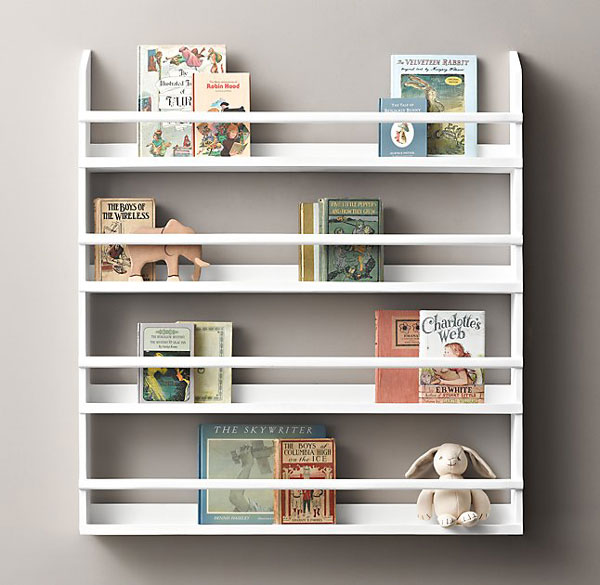
Credit: createdbyv.com
Cutting And Assembling Shelves
Cutting and assembling shelves is a key step in making a wall hung bookshelf. It shapes the wood and puts the pieces together. This step needs care and simple tools. Follow each part closely to build strong shelves.
Measuring And Cutting Wood
Measure the wood pieces carefully. Use a tape measure to get exact lengths. Mark the cut lines with a pencil. Double-check the marks to avoid mistakes. Use a saw to cut along the lines. Cut slowly for clean edges. Safety first: wear goggles and keep fingers clear.
Sanding And Finishing
Sand the cut edges to smooth rough spots. Use medium-grit sandpaper first, then fine grit for a soft finish. Sand in the wood grain direction. Wipe off dust with a dry cloth. Apply paint, stain, or sealant to protect the wood. Let each coat dry before adding another. This step gives shelves a nice look and longer life.
Attaching Brackets
Choose strong brackets to hold the shelves securely. Mark bracket positions on the wall and shelf. Drill holes for screws in the marked spots. Use screws to attach brackets to shelves. Fix the shelves to the wall using wall anchors if needed. Check the shelf level before tightening screws fully. Proper brackets keep the bookshelf steady and safe.
Mounting The Bookshelf
Mounting the bookshelf on your wall is the final step that brings your project to life. It ensures the shelf stays secure and holds your books safely. Careful mounting prevents accidents and keeps the shelf looking neat. Follow these steps to mount your wall hung bookshelf correctly.
Aligning The Shelf
Place the shelf against the wall where you want it. Use a level to make sure it is straight. Mark the spots on the wall where the screws will go. Double-check the marks before drilling. This step helps avoid crooked shelves and damage to the wall.
Securing To The Wall
Choose the right screws and wall anchors based on your wall type. Drill holes at the marked spots carefully. Insert anchors if needed to hold the screws firmly. Attach the shelf by screwing it into the wall. Tighten the screws but avoid over-tightening to prevent damage.
Checking Stability
Gently shake the shelf to test its strength. It should not wobble or feel loose. Adjust screws or anchors if needed for better support. Place a few books and observe if the shelf holds well. A stable shelf keeps your books safe and the wall intact.
Styling Your Bookshelf
Styling your wall hung bookshelf makes it more than just storage. It turns the space into a display of your personality and taste. A well-styled shelf invites people in and brings life to your room. You can balance books and decor to create a neat, attractive look. Small changes can make a big difference in how your shelf looks and feels.
Arranging Books And Decor
Place books both vertically and horizontally to create visual interest. Use bookends to keep books neat and add style. Mix in small decor items like plants, candles, or art pieces. Leave some empty space to avoid a crowded look. Group similar items to create harmony and balance.
Adding Personal Touches
Include items that tell your story or show your hobbies. Photos in simple frames add warmth and personality. Souvenirs from travels or gifts make the shelf unique. Handmade crafts or favorite collectibles bring charm. Change these items over time to keep the shelf fresh.
Maintenance Tips
Dust your bookshelf weekly to keep it clean and bright. Check for loose screws or hooks to ensure safety. Avoid placing heavy items on thin shelves. Use a soft cloth and gentle cleaner for decor pieces. Rearrange items occasionally to prevent wear and tear.

Credit: www.youtube.com
Frequently Asked Questions
What Materials Do I Need For A Wall Hung Bookshelf?
You need wood boards, brackets, screws, wall anchors, a drill, a level, and a measuring tape. Choose sturdy wood for durability and quality brackets for support. Proper tools ensure precise assembly and secure mounting.
How Do I Securely Mount A Wall Hung Bookshelf?
Locate wall studs using a stud finder. Use appropriate screws and anchors to fix brackets into studs. This ensures the shelf can hold weight safely without risk of falling or damage.
Can I Customize The Size Of My Bookshelf?
Yes, measure your available wall space first. Cut wood boards to desired length and width. Customization allows fitting any room and matching your decor style perfectly.
How Much Weight Can A Wall Hung Bookshelf Hold?
Weight capacity depends on bracket strength and wall type. Typically, shelves can hold 20-50 pounds if mounted correctly. Always check hardware specifications and avoid overloading to maintain safety.
Conclusion
Creating a wall hung bookshelf is a simple and rewarding project. It saves space and adds style to any room. You only need basic tools and materials to start. Follow each step carefully for a strong and safe shelf. Personalize it with paint or decorations to match your taste.
Enjoy your new bookshelf and the extra storage it provides. Try making more shelves to organize your space better. Small projects like this bring big satisfaction. Give it a go and see how easy it is!
