Have you ever looked at a bare wall and wished it could hold your favorite books? Turning a plain wall into a beautiful bookshelf is easier than you think.
Imagine having all your books within arm’s reach, neatly organized, and adding style to your room at the same time. In this guide, you’ll learn simple steps to transform your wall into a custom bookshelf that fits your space and personality.
Ready to make your wall work for you? Let’s dive in!

Credit: www.11magnolialane.com
Choosing The Right Wall
Choosing the right wall is the first step in turning it into a bookshelf. This choice affects the look, safety, and usefulness of your new shelf. Not every wall can hold heavy books or fit the style of your room. Careful thought makes the project easier and the result better.
Assessing Wall Strength
Check if the wall can hold the weight of books and shelves. Walls made of solid wood or brick are strong choices. Drywall alone may need extra support like studs or anchors. Use a stud finder to locate strong points behind the wall. This prevents damage and keeps shelves safe.
Measuring Space And Dimensions
Measure the wall width and height. Know the size of books and items you want to store. Leave some extra space for easy access and future additions. Small walls need compact shelves, while large walls allow for bigger designs. Accurate measurements ensure shelves fit well and look neat.
Considering Room Layout
Think about how the wall fits in your room. Avoid blocking windows, doors, or vents. Choose a wall that complements furniture placement and walking paths. A bookshelf on the right wall adds charm and keeps the room open. Plan for lighting to highlight your books and decor.
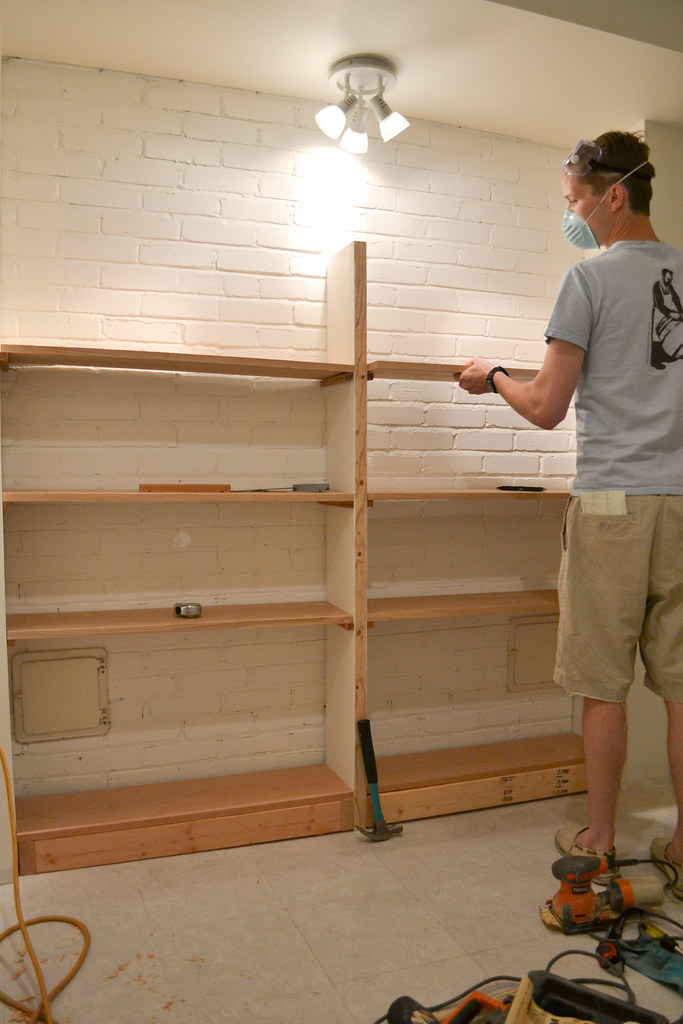
Credit: www.thingsimadetoday.com
Selecting Bookshelf Styles
Choosing the right bookshelf style changes the look of your room. It also affects how much space you save and how easy it is to build. Different styles fit different needs and tastes. This section explores popular bookshelf styles to help you decide.
Floating Shelves
Floating shelves are simple and modern. They attach directly to the wall without visible brackets. These shelves make your books seem to float. They work well in small rooms because they do not take floor space. Installation is quick and easy. Use them for a clean, minimal look.
Built-in Units
Built-in units fit into wall spaces perfectly. They offer a sturdy, permanent option for book storage. These shelves can go from floor to ceiling. They add value to your home and look custom-made. Built-ins can include cabinets or lighting for extra function.
Ladder Shelves
Ladder shelves lean against the wall like a ladder. They are lightweight and easy to move. These shelves are great for casual, relaxed spaces. Their open design shows off books and decor. Ladder shelves come in many sizes and materials.
Reclaimed Wood Designs
Reclaimed wood adds character and warmth. These shelves use wood from old buildings or furniture. They bring a rustic, natural feel to any room. Reclaimed wood is eco-friendly and unique. Each piece tells its own story through texture and color.
Materials And Tools Needed
Creating a wall bookshelf is a smart way to save space and display your books. Having the right materials and tools makes the project easier and the results better. This section covers everything needed for building a sturdy and attractive bookshelf on your wall.
Types Of Wood And Finishes
Choose wood that fits your style and budget. Pine is affordable and easy to work with. Oak and maple are strong and last longer. Plywood offers a smooth surface and resists warping.
Pick finishes that protect and enhance the wood. Clear varnish keeps the natural look. Paint adds color and hides imperfections. Stain brings out the wood grain and adds warmth.
Hardware Essentials
Use strong brackets or wall anchors to hold the shelves. Screws must fit the brackets and wall type. Wood glue adds extra support and keeps shelves stable.
Consider using shelf pins for adjustable shelves. Corner braces provide extra strength at joints. Make sure all hardware matches your wall material.
Basic Tools Checklist
Gather these tools before starting to save time. A drill is needed for making holes and driving screws. A level ensures shelves are straight and even.
A measuring tape helps with precise cuts and placement. A saw cuts wood to the right size. Sandpaper smooths rough edges for a clean finish.
Use a screwdriver for hardware installation. A pencil marks measurements and guides cuts. Safety gear like gloves and goggles protects you during work.
Step-by-step Installation
Turning a plain wall into a bookshelf adds style and storage. Follow these simple steps to install your shelf correctly. Each step ensures your bookshelf is strong and looks great.
Marking And Leveling
Start by deciding where the shelves will go. Use a pencil to mark spots on the wall. A level tool helps keep marks straight and even. Accurate marks prevent crooked shelves later. Double-check spacing to fit your books perfectly.
Anchoring Shelves Securely
Use wall anchors to hold the shelves safely. Choose anchors that match your wall type. Drill holes at the marked spots carefully. Insert anchors fully for a strong grip. Secure brackets with screws to these anchors. This step keeps shelves steady under weight.
Assembling Components
Attach brackets to the wall first. Place each shelf on its bracket. Use screws or nails to fix shelves in place. Check each shelf is level and stable. Tighten all screws to avoid wobbling. Your bookshelf is now ready to hold your books.
Creative Design Ideas
Transforming a wall into a bookshelf offers many creative design options. These ideas help make your space stylish and practical. Use lighting, decorations, and varied storage to create a unique look. Each choice adds character and function to your wall bookshelf.
Incorporating Lighting
Lighting enhances the beauty of your wall bookshelf. Install LED strips under each shelf for soft, even light. Use small spotlights to highlight special books or decor. Warm lights create a cozy atmosphere. Good lighting makes it easier to find books at night.
Adding Decorative Elements
Decorations add personality to your bookshelf wall. Place small plants, photo frames, or art pieces among the books. Use vases or sculptures to create visual interest. Choose items that match your room’s style. Decorative touches break the monotony and add charm.
Mixing Open And Closed Storage
Combine open shelves with closed cabinets for balance. Open shelves show off favorite books and decor. Closed storage hides clutter and less attractive items. Use glass doors to keep dust out but still see your collection. This mix keeps the wall neat and attractive.
Maintaining Your Bookshelf Wall
Maintaining your bookshelf wall keeps it looking great and lasting longer. A well-kept bookshelf is not just functional but also a beautiful part of your room. Regular care helps avoid damage and keeps your books safe. Simple steps make a big difference in preserving your shelf’s strength and style.
Cleaning Tips
Dust your bookshelf often to prevent buildup. Use a soft cloth or microfiber duster. Avoid wet cloths that can damage wood or paint. For stubborn dirt, use a mild soap with water. Clean shelves carefully without soaking them. Keep books clean by dusting their edges gently.
Preventing Shelf Sagging
Distribute weight evenly across the shelves. Avoid placing too many heavy books in one spot. Use brackets or supports for extra strength. Check shelves regularly for signs of bending. Replace weak shelves promptly to avoid damage. Proper support extends shelf life and keeps books safe.
Updating Style Over Time
Change your shelf’s look by adding new paint or wallpaper. Rearrange books by color or size for a fresh feel. Add decorative items like plants or small art pieces. Swap out old brackets for modern designs. Simple updates keep your bookshelf wall interesting and stylish.
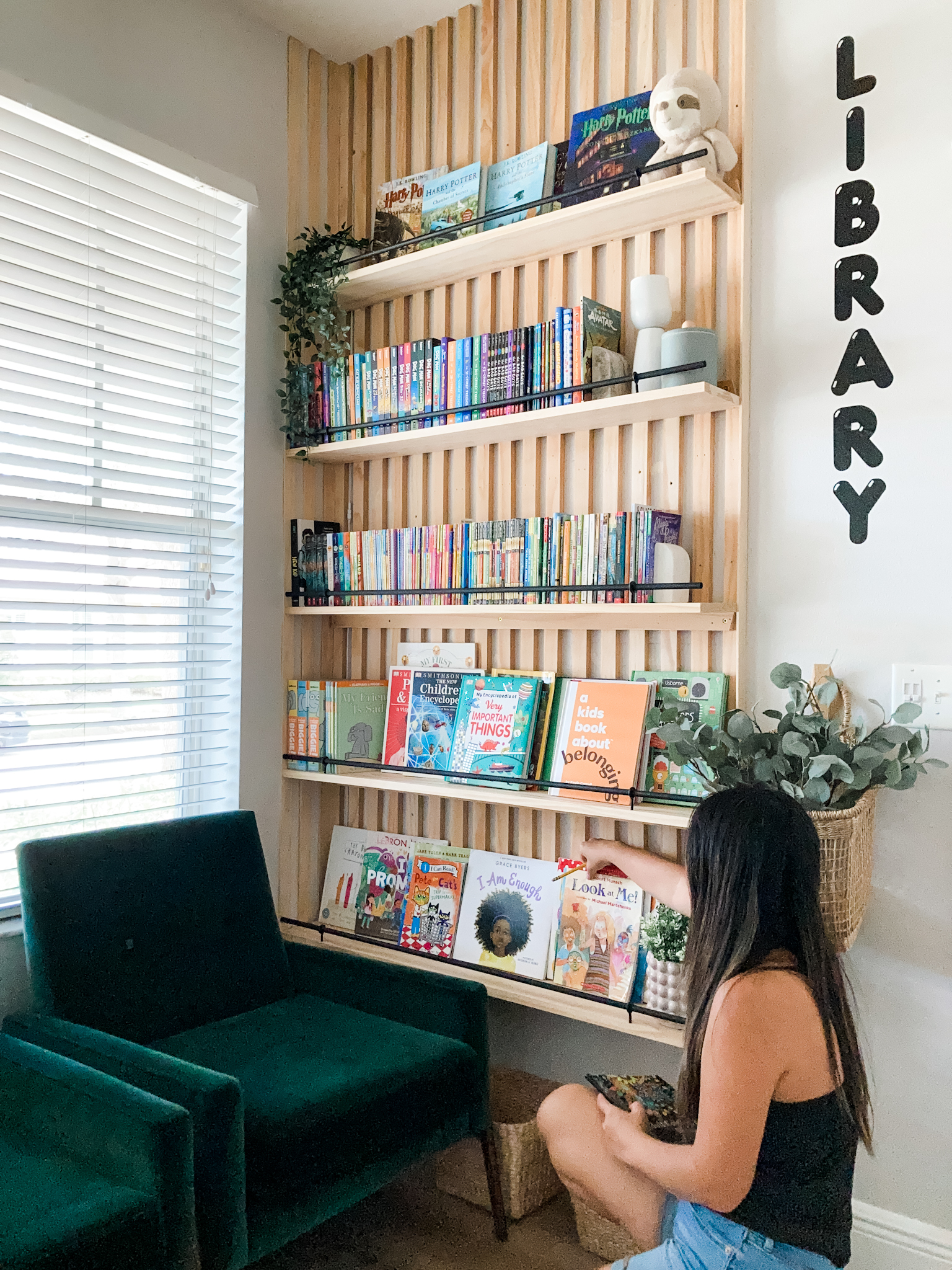
Credit: xomyhome.com
Frequently Asked Questions
How Do I Start Making A Wall Into A Bookshelf?
Begin by measuring your wall and planning shelf placement. Choose sturdy materials like wood or metal brackets. Mark the wall for studs and install supports securely. Finish with sanding and painting for a polished look.
What Tools Are Needed To Build A Wall Bookshelf?
Essential tools include a drill, level, stud finder, screws, saw, measuring tape, and brackets. These help ensure precise cuts, secure mounting, and a stable bookshelf structure. Always prioritize safety gear like goggles and gloves.
Can I Convert Any Wall Into A Bookshelf?
Most walls can be converted if they are load-bearing or sturdy. Avoid walls with plumbing or electrical wiring inside. Always check for studs and use appropriate anchors for drywall or plaster walls.
How Much Weight Can A Wall Bookshelf Hold?
Weight capacity depends on shelf material, bracket strength, and wall type. Properly mounted shelves on studs can hold 30-50 pounds or more per shelf. Distribute weight evenly to prevent sagging or damage.
Conclusion
Transforming a wall into a bookshelf saves space and looks great. It helps keep your books organized and easy to reach. You can use simple tools and materials to build it yourself. Personalize the shelves to fit your room and style.
This project adds charm and function to any space. Try it step by step and enjoy your new bookshelf. A small change with a big impact on your home. Give your books a special place on your wall.