Have you ever looked at your indoor furniture and wished you could enjoy it outside? Turning your favorite chairs, tables, or sofas into outdoor-ready pieces is easier than you think.
Imagine relaxing in your backyard or on your patio, surrounded by furniture that feels just right but can handle the weather. You’ll discover simple, practical steps to transform your indoor furniture into durable, stylish outdoor pieces. Keep reading, and you’ll learn how to protect your furniture while giving your outdoor space a fresh, inviting look you’ll love.
Choosing The Right Furniture
Choosing the right furniture is the first step to make indoor pieces work outdoors. Not all indoor furniture can handle the weather outside. Picking the right type keeps your space looking good and your furniture lasting longer.
Materials That Withstand Weather
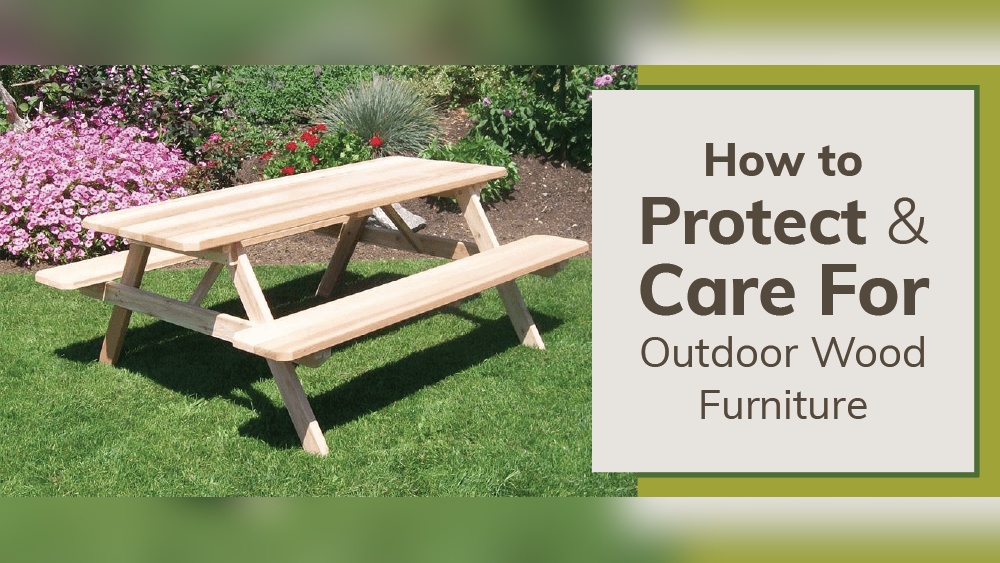
Look for furniture made from weather-resistant materials. Teak, cedar, and eucalyptus wood resist moisture well. Metal furniture, like aluminum and wrought iron, can hold up if coated to prevent rust. Synthetic wicker and plastic are good for rain and sun. Avoid untreated wood and fabrics that soak water.
Styles Suitable For Outdoors
Choose simple, sturdy designs that suit outdoor use. Avoid delicate or heavily cushioned furniture. Styles with open slats or mesh allow air to pass. This helps prevent mold and mildew. Classic and modern outdoor styles work well with many homes. Pick shapes that fit your outdoor space comfortably.
Checking Furniture Condition
Inspect furniture closely before moving it outside. Look for cracks, loose joints, or peeling paint. Fix small problems to prevent bigger damage. Test cushions for water resistance or quick drying. Replace worn fabric with outdoor-grade material. Strong, well-kept furniture lasts better outdoors.
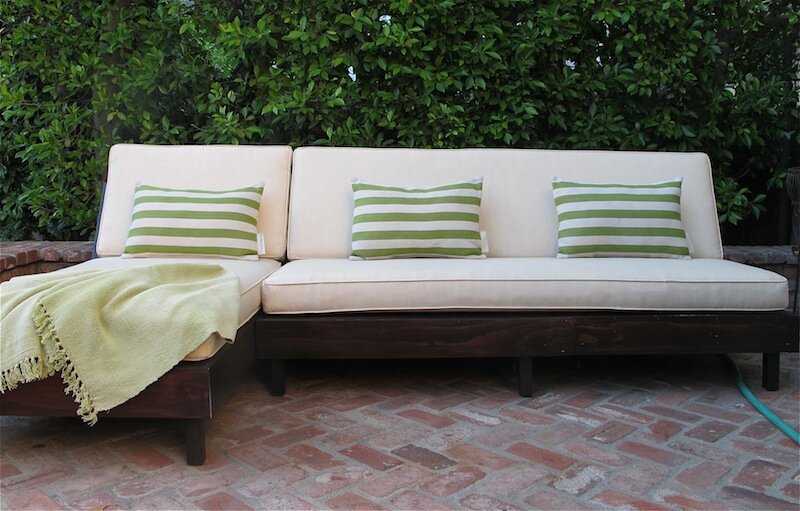
Credit: www.mysoulfulhome.com
Preparing Furniture For Outdoor Use
Preparing indoor furniture for outdoor use is an important step. It helps protect your pieces from weather damage and wear. This process makes your furniture last longer outside. Follow these simple steps to get your furniture ready for the outdoors.
Cleaning And Repairing
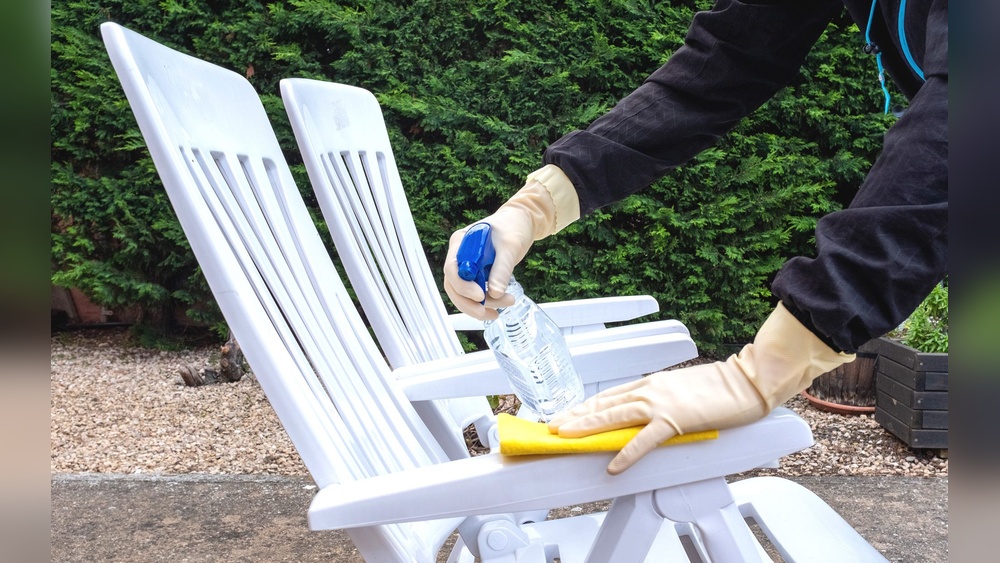
Start by cleaning your furniture thoroughly. Remove dirt, dust, and old stains using mild soap and water. Let it dry completely before moving to the next step. Check for any damage like cracks or loose joints. Fix these problems with wood glue or filler. Clean and repair work ensures your furniture is strong and smooth.
Sanding And Smoothing Surfaces
Sand all surfaces to remove old paint and rough spots. Use medium-grit sandpaper first, then fine-grit for a smooth finish. Sanding opens the wood pores, helping paint or sealant stick better. Wipe off dust after sanding to keep surfaces clean. This step prepares the furniture for better protection.
Priming For Protection
Apply a primer made for outdoor use. Primer helps seal the wood and prevents moisture from entering. It also improves paint adhesion and durability. Use a brush or sprayer for even coverage. Let the primer dry fully before painting or sealing. Priming is key for long-lasting outdoor furniture.
Applying Weatherproof Finishes
Applying weatherproof finishes is essential when transforming indoor furniture for outdoor use. These finishes protect your furniture from rain, sun, and temperature changes. Without a good finish, furniture can quickly fade, crack, or rot. Proper application extends the life and beauty of your pieces.
Types Of Outdoor Paints And Sealants
Choose paints and sealants made for outdoor use. Exterior latex paint is water-resistant and easy to clean. Oil-based paint offers strong protection but takes longer to dry. Clear sealants like polyurethane or spar varnish protect wood while showing its natural grain. Look for products labeled “UV resistant” or “waterproof” for best results.
Techniques For Long-lasting Coating
Start by cleaning and sanding the furniture surface. Remove dust and old finishes for better adhesion. Apply a primer to seal the wood or material. Use thin, even coats of paint or sealant. Let each coat dry fully before adding the next. Multiple coats create a stronger barrier against weather damage.
Reapplying And Maintenance Tips
Inspect your furniture every few months. Look for peeling paint or dull surfaces. Lightly sand worn areas before reapplying finish. Clean the furniture regularly with mild soap and water. Cover or store furniture during heavy rain or snow. Timely maintenance keeps your outdoor furniture safe and attractive.
Enhancing Comfort And Style
Enhancing comfort and style transforms indoor furniture into perfect outdoor pieces. Comfort makes outdoor spaces inviting and relaxing. Style adds charm and personality to your garden or patio. Simple changes can make a big difference. Focus on cushions, fabric, covers, and accessories. These elements protect furniture and boost its look. Enjoy your outdoor space with cozy, stylish furniture.
Choosing Outdoor Cushions And Fabrics
Select cushions made from weather-resistant materials. Look for fabrics that dry quickly and resist fading. Bright colors and patterns bring life to any space. Choose cushions with foam that drains water easily. This prevents mold and keeps cushions fresh. Soft cushions improve comfort and make seating inviting.
Adding Waterproof Covers
Waterproof covers protect furniture from rain and dirt. Use covers that fit snugly and are easy to remove. Covers extend the life of your furniture. Choose breathable materials to avoid moisture buildup. Covers help keep furniture clean and dry. They save time on maintenance and cleaning.
Incorporating Outdoor Accessories
Add outdoor rugs to define seating areas. Use lanterns or string lights for cozy lighting. Planters and small tables create a welcoming atmosphere. Outdoor throws add warmth on chilly evenings. Choose accessories that match your style and color scheme. These details enhance comfort and add charm to your space.
Placement And Care
Transforming indoor furniture for outdoor use requires smart placement and proper care. Choosing the right spot and protecting furniture from weather keeps it looking good. Simple cleaning and storage steps also extend its life.
Best Spots For Outdoor Furniture
Select areas with some shade to prevent sun damage. Places near walls or under awnings offer extra protection. Avoid spots where water pools after rain. A flat, stable surface keeps furniture steady and safe.
Protecting From Harsh Weather
Use covers to shield furniture from rain and dust. Move pieces indoors or to a sheltered spot during storms. Apply water-resistant sealants or sprays on wood and fabric. Protect metal parts with rust-proof paint or coatings.
Routine Cleaning And Storage
Clean furniture regularly with mild soap and water. Remove dirt and debris to prevent damage. Dry surfaces completely before covering or storing. Store furniture in a dry, ventilated space during winter or long breaks.
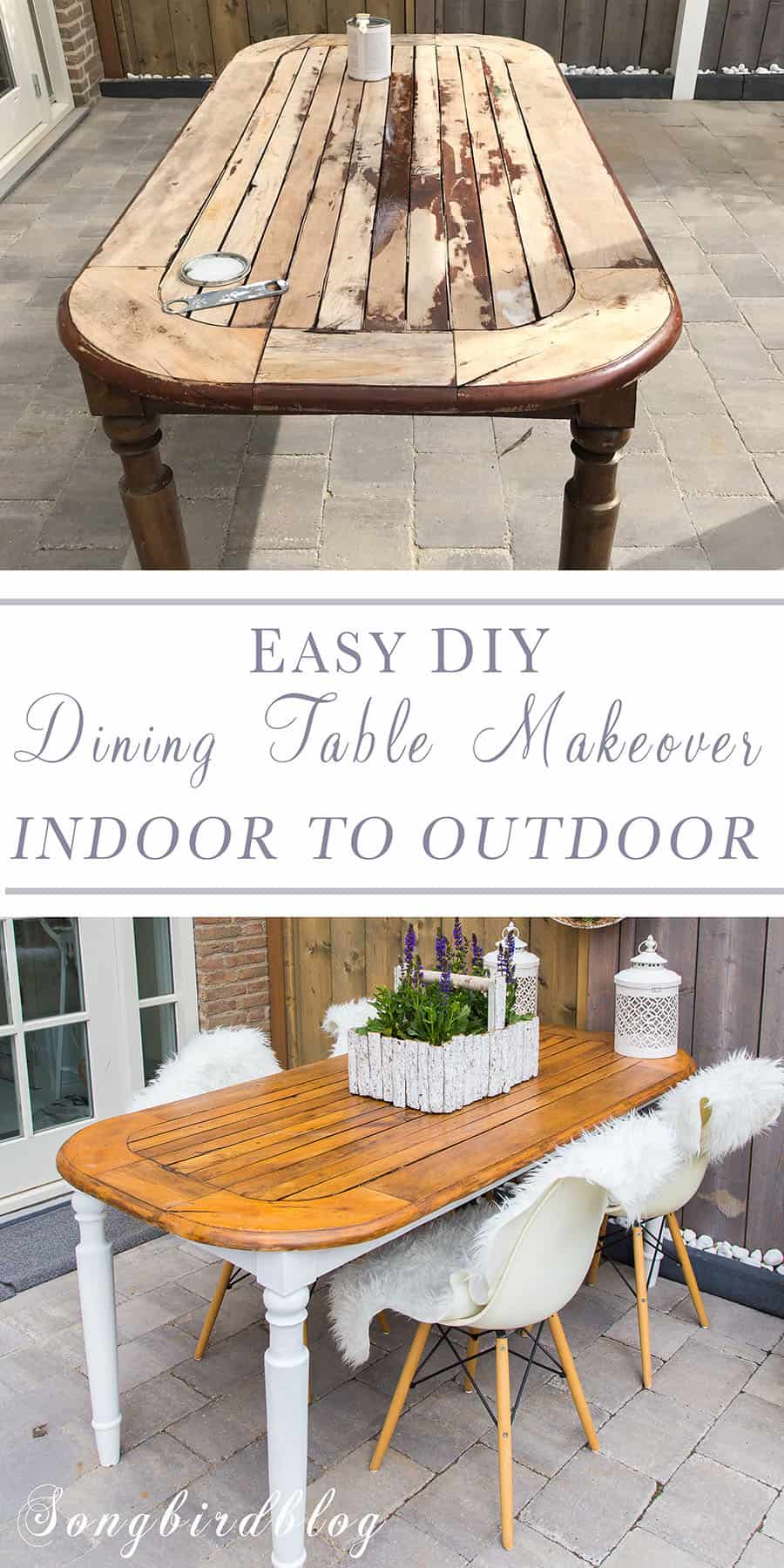
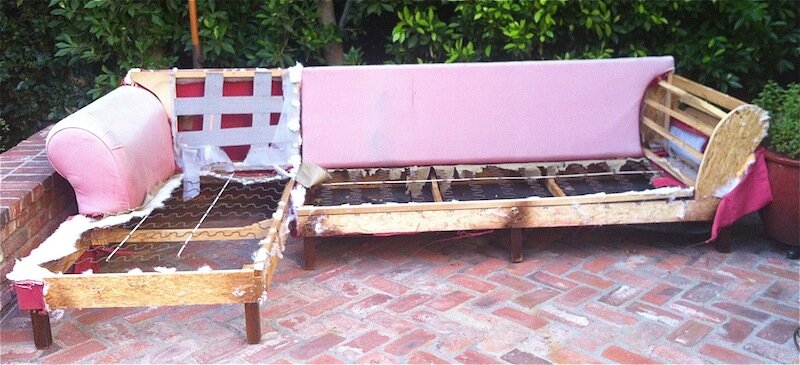
Credit: songbirdblog.com
Credit: www.mysoulfulhome.com
Frequently Asked Questions
How Can I Protect Indoor Furniture Outdoors?
Use weatherproof sealants or outdoor paint to protect indoor furniture. Add waterproof covers for extra protection from rain and sun damage.
What Materials Make Indoor Furniture Suitable For Outdoors?
Wood, metal, and plastic furniture can be adapted for outdoor use with proper treatment. Avoid delicate fabrics and untreated wood.
Can I Use Indoor Cushions Outside Safely?
Use outdoor fabric or waterproof covers for indoor cushions. This prevents mold, mildew, and fabric fading caused by moisture and sunlight.
How Do I Maintain Indoor Furniture Outdoors?
Clean regularly, reapply protective coatings, and store furniture under cover during harsh weather. Proper maintenance extends the life of adapted indoor furniture.
Conclusion
Transforming indoor furniture for outdoor use takes time and care. Clean and seal the surfaces to protect from weather. Use durable paint or varnish to add strength. Add cushions made from water-resistant fabric for comfort. Place furniture on stable ground to avoid damage.
Small changes can extend furniture life outside. Enjoy your outdoor space with pieces you already own. This approach saves money and reduces waste. Try it yourself and see the difference. Simple steps create a cozy, stylish outdoor area.