Are you looking for a simple, creative way to keep your favorite anxiety books close at hand? Making mini books for your anxiety bookshelf is an easy and fun project that can bring calm and comfort whenever you need it.
Imagine having a tiny collection of powerful tips and soothing words right at your fingertips—ready to help you manage stress anytime. In this guide, you’ll discover step-by-step how to create these mini books quickly and beautifully. Keep reading, and you’ll find out how this small craft can make a big difference in your daily calm.

Credit: www.anxietybookshelf.com
Materials Needed
Gathering the right materials is the first step to create mini books for an anxiety bookshelf. Using simple tools helps keep the project easy and fun. You can find most supplies at craft stores or online. Choose materials that feel good to touch and look calming.
Paper Types
Choose paper that suits your mini book’s purpose. Plain white paper is perfect for writing or drawing. Colored paper adds a cheerful touch. Textured paper gives a cozy, handmade feel. Cardstock works well for sturdy covers. Recycled paper is an eco-friendly choice. Pick paper that feels smooth and comfortable to hold.
Binding Supplies
Binding keeps your mini book pages together. Staplers work for simple and quick binding. Thread and needle create a classic stitched look. Glue sticks hold pages without bulk. Small binder clips can hold pages temporarily. Choose binding tools that match your skill level and book size.
Decorative Elements
Decorative items make your mini book special and personal. Washi tape adds color and patterns easily. Stickers create fun and calming themes. Ribbon or yarn can tie the book closed. Small stamps add artistic touches. Use decorations that bring peace and joy to your project.
Choosing Your Book Size
Choosing the right size for your mini books helps make them useful and easy to carry. The size affects how much information you can add. It also changes how the book looks on your anxiety bookshelf. Pick a size that fits your needs and style. Think about how you want to use the book and who will read it.
Standard Mini Book Dimensions
Standard mini books are small and easy to hold. Common sizes include 3×5 inches or 4×6 inches. These sizes fit well in bags or pockets. They offer enough space for short tips and calming quotes. Using standard sizes makes it simple to find materials for printing or binding. They work well for quick notes and brief exercises.
Custom Size Ideas
Custom sizes let you design a unique mini book. You can make it square, tall, or wide. For example, 3×3 inches creates a compact square shape. A taller book, like 3×7 inches, gives room for longer text. Custom sizes can match your personal style or theme. They may need special printing but stand out on the shelf. Choose a size that fits the message you want to share.
Cutting And Folding Techniques
Cutting and folding techniques are key to creating neat mini books for your anxiety bookshelf. These steps help shape the pages and give your book a clean, professional look. Careful cutting and precise folding make the book easy to handle and pleasant to read.
Precise Paper Cutting
Start with sharp scissors or a craft knife for clean cuts. Cut along the lines slowly to keep edges straight. Use a ruler to guide your cuts. This helps prevent uneven pages or jagged edges. Trim small amounts at a time for better control. Always cut on a safe surface like a cutting mat. Keep your paper flat to avoid bending or tearing.
Folding Methods For Pages
Fold pages carefully to keep the book sturdy. Use a bone folder or the edge of a ruler for sharp folds. Fold each page in half, aligning edges perfectly. Press down firmly to create a crisp crease. For thicker paper, make small snips before folding to avoid bulk. Check each fold before moving to the next to keep pages even. Proper folding helps the mini book open smoothly every time.
Binding Methods
Binding is an important step in making mini books for your anxiety bookshelf. It holds the pages together and gives your book a neat look. Different methods work best for different needs and materials. Choose one that fits your style and how you want to use the book.
Staple Binding
Staple binding is quick and easy. Fold your pages in half and staple along the crease. Use a long-arm stapler for best results. This method works well for thin books with fewer pages. It keeps the pages secure and flat.
Sewing The Pages
Sewing is a traditional method that looks charming and strong. Use a needle and thread to stitch along the folded edge. This method allows the book to open flat. It is perfect for thicker books or those you want to last long. Choose a thread color that matches your cover.
Glue Binding
Glue binding uses a strong adhesive to hold pages together. Apply glue to the edge of stacked pages and press firmly. Let it dry for several hours. This method works well for books with many pages. Use flexible glue to keep the spine from cracking when opened.
Designing The Cover
The cover is the first thing you see on a mini book. It sets the mood and invites you to open it. A well-designed cover can make your anxiety bookshelf feel calm and welcoming. It also helps to protect the pages inside. Simple, clean designs work best for a soothing effect.
Focus on soft colors and gentle patterns. Avoid busy or harsh designs. Your goal is to create a sense of peace before you even read the book.
Cover Materials
Choose materials that feel nice to touch. Cardstock is thick and sturdy. It holds up well over time. You can also use textured paper for a soft feel. Fabric covers add a cozy look. Laminating the cover makes it water-resistant. This keeps your mini book safe from spills and wear. Pick materials that match your style and purpose.
Adding Titles And Artwork
Keep the title clear and easy to read. Use simple fonts without extra decorations. Large letters help your eyes focus quickly. Artwork should be calm and simple. Think about nature scenes or abstract shapes. Use soft colors like blues, greens, or pastels. Avoid sharp lines or bright colors that might cause stress. Hand-drawn art or stickers add a personal touch. This makes your mini book feel more special and inviting.
Incorporating Anxiety Relief Tips
Incorporating anxiety relief tips into your mini books makes them practical and soothing. These tips offer quick ways to calm the mind and body. They provide comfort during stressful moments. Using simple advice helps readers feel supported and understood.
Mini books with useful tips become a trusted resource. They encourage regular use and create a calming routine. Choosing the right content and organizing it well enhances their impact. This section guides you to include effective anxiety relief tips in your mini books.
Selecting Content
Pick tips that are easy to understand and use. Focus on breathing exercises, mindfulness, and grounding techniques. Include positive affirmations and simple self-care ideas. Use short sentences and clear instructions. Avoid complicated language or long explanations. Choose tips proven to reduce anxiety quickly. Tailor content for different situations, like work or bedtime.
Organizing Tips For Easy Access
Group tips by theme or purpose. Use headings or icons to separate sections. Place quick relief tips at the front for urgent use. Arrange longer exercises towards the back for deep calming. Keep each tip short and to the point. Use bullet points or numbered steps for clarity. Make sure the layout is clean and easy to scan. This helps users find the help they need fast.
Personalizing Your Mini Books
Personalizing your mini books makes them unique and meaningful. It helps create a special space on your anxiety bookshelf. Personal touches can boost your mood and calm your mind. Small details make a big difference. Here are simple ways to add personality to your mini books.
Using Colors And Patterns
Choose colors that make you feel calm and happy. Soft blues, greens, or pastels often work well. Bright colors can also add energy and hope. Patterns like dots, stripes, or florals add charm. Use colored paper, markers, or stickers to decorate covers and pages. Experiment with mixing colors and patterns to find what suits you best.
Adding Inspirational Quotes
Write short, positive quotes inside your mini books. Choose words that inspire peace and strength. Quotes like “Breathe deeply” or “You are enough” work well. Use simple handwriting or print quotes in neat fonts. Place quotes on the first page or throughout the book. These reminders can lift your spirits during hard moments.
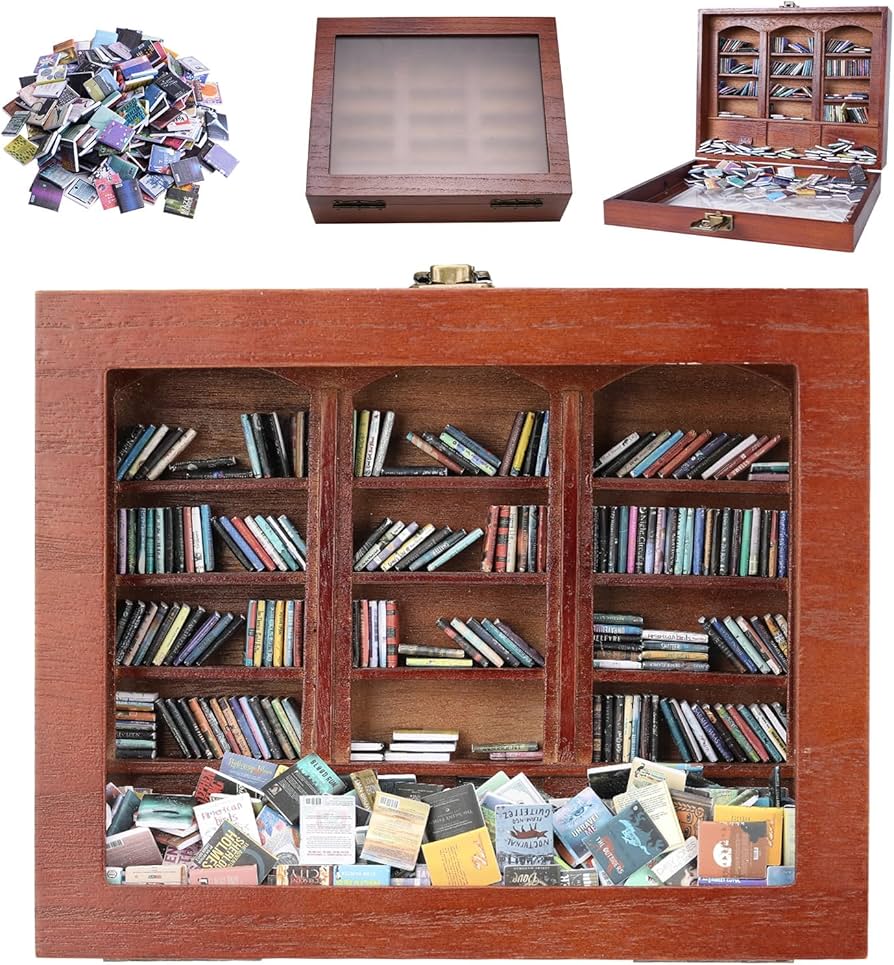
Credit: www.amazon.com

Credit: www.amazon.com
Frequently Asked Questions
What Materials Are Needed To Make Mini Books For Anxiety?
You need paper, scissors, glue, markers, and cardstock. These materials are affordable and easy to find. Use quality paper for durability. Markers help personalize the mini books. Cardstock ensures a sturdy cover for your anxiety bookshelf.
How Long Does It Take To Create A Mini Book?
Creating a mini book typically takes 15 to 30 minutes. Time varies based on complexity and design. Simple books with fewer pages take less time. More detailed mini books with decorations take longer. It’s a relaxing, creative process.
Can Mini Books Help Reduce Anxiety Effectively?
Yes, mini books can reduce anxiety by promoting mindfulness. Writing or drawing in mini books helps focus thoughts. They serve as a portable tool for calming techniques. Regular use can improve emotional regulation and stress management.
What Content Should I Include In Anxiety Mini Books?
Include calming quotes, breathing exercises, positive affirmations, and coping strategies. Simple drawings or doodles can also soothe anxiety. Make content personal and relevant to your feelings. Keep entries brief for quick reference during stressful moments.
Conclusion
Making mini books for your anxiety bookshelf brings calm and focus. These small books fit anywhere and offer quick comfort. Creating them is simple and lets you personalize your tools. Keep your mini books close for easy, fast relief. Try different styles to find what helps you most.
Small steps can make a big difference in managing stress. Enjoy the process and the peace it brings daily. Your anxiety bookshelf can become a special space just for you.