Are you ready to create safe and sturdy stairs for your bunk bed? Building your own stairs might seem tricky at first, but with the right steps, you can make a perfect set that fits your space and style.
Imagine having easy access to the top bunk without worrying about slipping or falling. In this guide, you’ll discover simple, clear instructions to help you build stairs that are both strong and stylish. Keep reading, and soon you’ll have a bunk bed staircase that your whole family can use confidently every day.

Credit: ikeahackers.net
Materials And Tools Needed
Before starting to build stairs for a bunk bed, gather all materials and tools. This step makes the work easier and faster. Knowing what you need helps prevent interruptions during the project.
Materials Needed
Choose strong wood like pine or oak for the stairs. You will need wooden boards for the steps and side supports. Sandpaper helps smooth rough edges. Wood screws keep parts secure. Wood glue adds extra strength. Paint or varnish protects the wood from wear and tear.
Tools Required
A saw cuts the wood to size. A drill makes holes for screws. A screwdriver tightens the screws. A tape measure ensures accurate measurements. A pencil marks cut lines. A level checks that steps are even. Safety glasses protect your eyes while working.
Choosing The Right Design
Choosing the right design for bunk bed stairs is important. The design affects safety, space, and how easy the stairs are to use. This section helps you find the best stair design for your bunk bed. Focus on space-saving and safety to make the right choice.
Space-saving Options
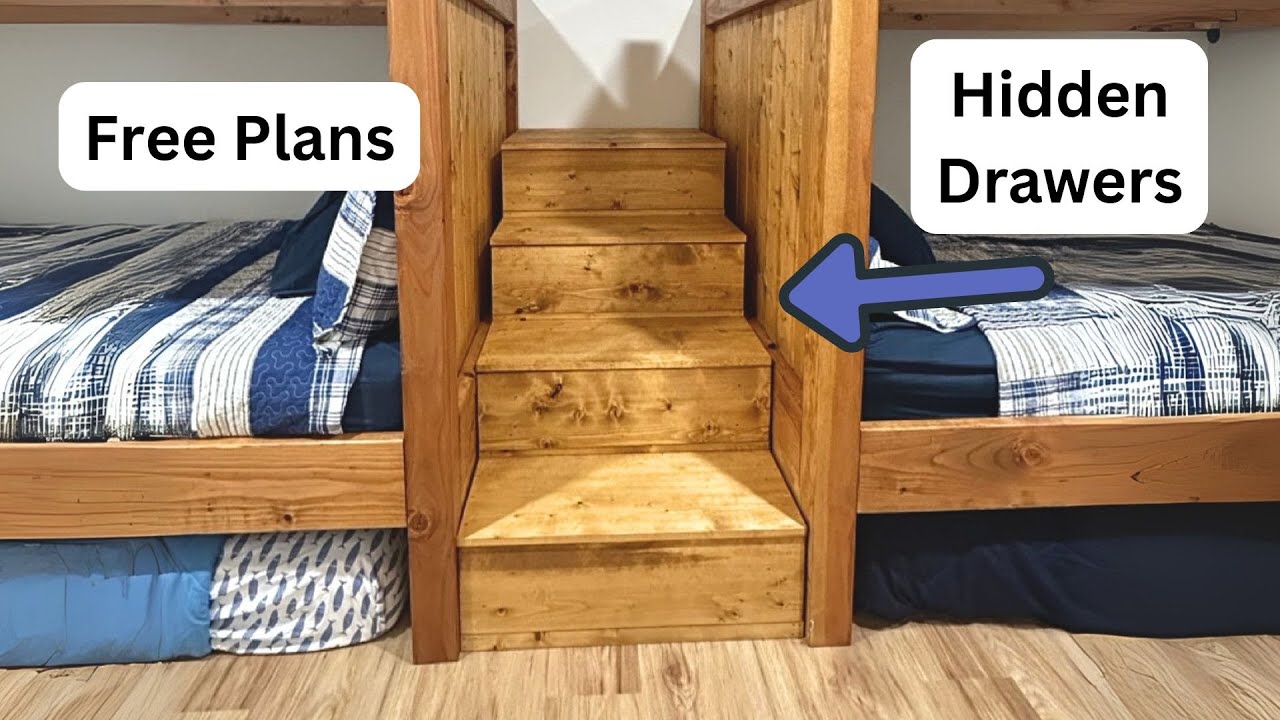
Space-saving stairs fit well in small rooms. They take up less floor space and keep the room open. Examples include stairs with built-in drawers or shelves. These stairs offer storage and save space.
Another option is angled stairs. They use less room than straight stairs. They fit nicely against the bed frame. This design keeps the floor clear and makes the room feel bigger.
Safety-focused Designs
Safety is the top priority for bunk bed stairs. Choose stairs with wide steps to prevent slipping. Steps should have a non-slip surface for extra grip. Handrails add support and help with balance.
Check the height of the stairs. It should match the bed’s height closely. Avoid very steep stairs. Rounded edges on steps reduce the risk of injury. These details keep kids safe climbing up and down.
Measuring And Planning
Measuring and planning are the first steps to build safe stairs for a bunk bed. Accurate measurements help avoid mistakes. Planning ensures the stairs fit well and are comfortable to use. This stage sets the foundation for the entire project.
Determining Stair Dimensions
Start by deciding how wide the stairs should be. A width of 12 to 16 inches works well for most bunk beds. Next, find the height of each step, called the rise. Keep the rise between 7 and 8 inches for easy climbing. The depth of each step, or tread, should be about 8 to 10 inches. Proper dimensions keep the stairs safe and easy to use.
Checking Bed Height And Clearance
Measure the total height from the floor to the top bunk. This number helps calculate the number of steps needed. Check the space around the bed for enough room to place the stairs. Ensure stairs do not block doors or walkways. Plan for extra clearance at the top for easy access to the bunk.
Cutting The Wood
Cutting the wood is the first big step in making stairs for a bunk bed. This step needs careful attention to detail. Precise cuts ensure the stairs will be safe and fit well. Using the right tools and techniques helps you avoid mistakes. Safety is also important. Always wear protective gear and work in a clean space.
Selecting Wood Types
Choose wood that is strong and smooth. Pine and oak are popular choices. Pine is softer and easier to cut. Oak is harder and lasts longer. Avoid wood with cracks or knots. These can make the stairs weak. Look for wood that is dry. Wet wood can warp or split later. Make sure the wood is thick enough to hold weight. Usually, 1-inch thick wood works well for stairs.
Cutting Steps And Supports
Measure the steps carefully before cutting. Mark each piece with a pencil. Use a saw to cut along the lines. A circular saw works well for straight cuts. Cut the supports, called stringers, to the right length. These hold the steps in place. Smooth the edges with sandpaper after cutting. This prevents splinters and rough spots. Double-check all pieces fit together before assembling. Proper cutting makes the stairs safe and stable.
Assembling The Stair Frame
Assembling the stair frame is a key step in building stairs for a bunk bed. The frame provides strong support and keeps the stairs safe to use. It needs to be sturdy and well-fitted to hold weight without wobbling.
Start by preparing all parts. Measure twice to make sure everything fits perfectly. The frame includes stringers and steps. Each piece should match the bunk bed height and width.
Attaching Stringers
Stringers are the side supports of the stairs. Use wood screws to attach them to the bunk bed frame. Drill pilot holes to avoid splitting the wood. Make sure stringers are level and parallel. Check that the distance between them fits the step width. Tighten all screws firmly for stability.
Securing Steps
Steps connect the two stringers and create the walking surface. Place each step evenly along the stringers. Use wood glue and screws to secure each step. Double-check that each step is level and flush. Avoid gaps to prevent tripping. Tighten screws on both sides for strong support.
Adding Safety Features
Adding safety features to bunk bed stairs is very important. It helps prevent falls and injuries. Safe stairs give confidence to children and parents alike. Small changes can make stairs much safer and easier to use.
Installing Handrails
Handrails provide extra support while climbing up or down. Use sturdy wood or metal for strong handrails. Attach them firmly to the wall or side of the stairs. Make sure the height suits children’s reach. Smooth edges and rounded corners avoid cuts and scrapes. Handrails help maintain balance and reduce the risk of slipping.
Adding Non-slip Surfaces
Non-slip surfaces stop feet from sliding on stairs. Apply non-slip tape or adhesive strips on each step. Choose materials that stick well and last long. Another option is to paint stairs with non-slip paint. These surfaces improve grip, especially with socks or bare feet. Non-slip stairs make climbing safer during the day and night.
Finishing Touches
Finishing touches give your bunk bed stairs a safe, polished look. These steps improve both comfort and style. Proper finishing also protects the wood and extends the stairs’ life. Focus on smoothing rough edges and applying a protective layer. This makes the stairs safe for children to climb and adds beauty to the design.
Sanding And Smoothing
Start by sanding the stairs with medium-grit sandpaper. This removes splinters and rough spots. Next, use fine-grit sandpaper for a smooth surface. Sand all edges and corners carefully. Make sure each step feels smooth to the touch. Wipe away dust with a damp cloth before moving on.
Painting Or Staining
Choose paint or stain that fits the room’s style. Use non-toxic, child-safe products for safety. Apply a primer coat if painting, then add two thin layers of paint. Let each layer dry completely. For staining, apply evenly with a brush or cloth. Finish with a clear sealant to protect the surface from wear and tear.
Credit: www.youtube.com
Installing The Stairs
Installing the stairs on a bunk bed is a key step in making the bed safe and easy to use. It involves attaching the stairs firmly and making sure they do not wobble. Proper installation helps prevent accidents and gives the bunk bed a solid feel.
Take your time during this process. Follow the steps carefully to get the best results. Use the right tools and materials for a strong setup.
Securing To The Bunk Bed
Start by positioning the stairs against the bunk bed frame. Align the top step with the bed’s edge for a smooth fit. Use brackets or screws to fix the stairs to the bed frame. Check that all fasteners are tight but avoid overtightening. This prevents damage to the wood. Double-check the placement before finalizing.
Ensuring Stability
Place the stairs on a flat surface to test for wobbling. Add support braces if needed for extra strength. Use rubber pads under the stairs to stop slipping. Make sure the stairs hold weight without shifting. Test by applying pressure on each step carefully. Adjust the supports until the stairs feel firm and safe.
Regular Maintenance Tips
Regular maintenance keeps bunk bed stairs safe and strong. Small checks prevent big problems. It also helps the stairs last longer. A little care goes a long way.
Inspect Joints And Screws
Check all joints and screws often. Tighten any loose screws right away. Loose parts cause wobbling and risks. Use the right screwdriver for best results.
Clean The Stairs Regularly
Dust and dirt build up on stairs. Wipe them with a damp cloth weekly. Avoid harsh cleaners that damage wood or paint. Clean stairs look better and stay safe.
Look For Cracks Or Splits
Examine wood for cracks or splits each month. Small cracks can grow and cause breaks. Replace or repair damaged parts fast. Safety is the top priority.
Check For Stability
Push and pull the stairs gently. They should not move or shake. Unstable stairs can cause falls. Fix any looseness immediately to avoid accidents.
Apply Protective Finish
Use varnish or paint to protect wood. It prevents water damage and wear. Reapply finish every year or as needed. This keeps the stairs strong and nice.

Credit: www.youtube.com
Frequently Asked Questions
How Do I Build Safe Stairs For A Bunk Bed?
Start with sturdy wood and precise measurements. Use non-slip treads and secure handrails. Ensure each step is even and strong for safety.
What Materials Are Best For Bunk Bed Stairs?
Use hardwood like oak or maple for durability. Plywood can work but must be thick and sturdy. Avoid softwoods to prevent wear and damage.
How Much Space Do Bunk Bed Stairs Need?
Allow at least 18 inches width for comfort. Step height should be around 7-8 inches. Ensure stairs don’t block room flow or bed access.
Can I Add Storage To Bunk Bed Stairs?
Yes, build drawers or shelves into each step. This saves space and adds functionality. Use smooth glides for easy drawer use.
Conclusion
Building stairs for a bunk bed can be simple and safe. Follow each step with care and use strong materials. Measure twice to cut once and check all connections. Take your time to make sure the stairs hold well. A sturdy staircase helps keep children safe and happy.
Enjoy your new bunk bed with easy-to-climb stairs. Small effort creates big comfort. Try it yourself and see how rewarding it feels.