Is your child’s bookshelf a chaotic pile of colorful stories and forgotten favorites? Imagine opening that shelf and instantly finding the perfect book without a second thought.
Organizing your child’s bookshelf isn’t just about tidiness—it can spark a love for reading and make storytime smoother for both of you. You’ll discover simple, practical steps to transform that clutter into a neat, inviting space your child will love.
Ready to turn the mess into magic? Let’s get started!

Credit: modernparentsmessykids.com
Choose The Right Bookshelf
Choosing the right bookshelf is the first step to organizing your child’s books. It shapes how the books are stored and accessed. A good bookshelf can encourage children to enjoy reading more often.
Consider the size of the bookshelf carefully. It should fit the room without crowding. The height matters too. Children need to reach books easily without help. A low bookshelf works best for young kids. This helps them pick and return books on their own.
Consider Size And Height
Select a bookshelf that fits your child’s room size. Too big makes the room look small. Too small limits the number of books. The height should match your child’s age. Low shelves help little ones find books easily. Taller shelves suit older kids who can reach higher.
Select Durable Materials
Choose materials that last long and resist damage. Wood is strong and looks nice. Plastic shelves are light and easy to clean. Avoid glass or thin materials that break easily. Durable shelves handle rough use by children well. This saves money on repairs and replacements.
Pick Accessible Designs
Look for shelves with open fronts or angled shelves. These designs show book covers clearly. Kids are more likely to pick books they see. Avoid deep shelves where books get lost at the back. Rounded edges and sturdy construction prevent accidents. Accessibility encourages children to use the bookshelf every day.
Sort Books By Category
Sorting children’s books by category makes finding the right book easy. It helps keep the shelf neat and fun. Kids can choose books quickly. This method also teaches kids how to organize their things.
Group By Genre Or Theme
Group books that share the same genre or theme. For example, put all fairy tales together. Put books about animals in one place. This helps kids find stories they love fast. Themes like friendship or adventure also work well.
Arrange By Age Or Reading Level
Arrange books from easiest to hardest. Place books for younger kids on lower shelves. Put books for older kids higher up. This helps kids pick books they can read alone. It also encourages growth in reading skills.
Separate Fiction And Non-fiction
Keep fiction books apart from non-fiction. Fiction books tell made-up stories. Non-fiction books share real facts. This clear separation helps kids understand book types. They learn when to expect facts or stories.
Use Fun Labeling Methods
Using fun labeling methods makes organizing children’s bookshelves easier and more enjoyable. Labels help kids find their favorite books quickly. They also encourage kids to put books back in the right place. Simple, clear labels can turn a bookshelf into a fun learning tool.
Color-coded Labels
Color-coded labels use different colors for each category. For example, red for adventure stories and blue for animals. This helps children recognize categories easily. Kids can match book covers to label colors. It makes organizing fast and playful.
Picture Tags For Young Readers
Picture tags use small images to show book types. For younger kids, pictures work better than words. A picture of a dinosaur for dinosaur books or a car for vehicle stories. It helps kids who cannot read yet. They learn to sort books by matching pictures.
Clear And Simple Text Labels
Clear text labels use short, simple words. Labels like “Fairy Tales,” “Animals,” or “Science” are easy to read. Use large, readable fonts to make labels stand out. Text labels help older kids learn new words. They also make finding books fast and smooth.
Incorporate Storage Bins
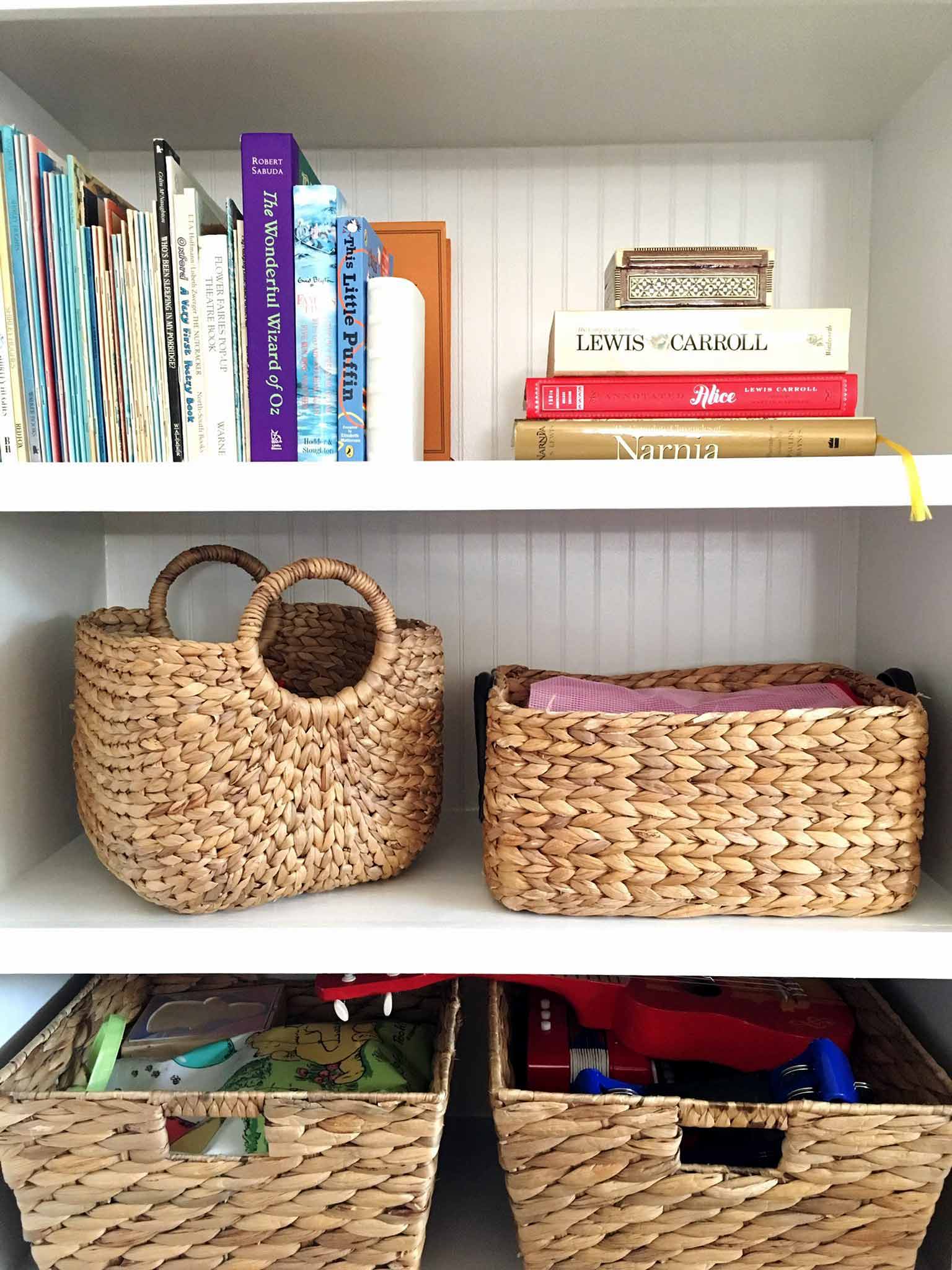
Storage bins are a smart way to keep children’s bookshelves neat. They help group books and small items together. Bins make it easy for kids to find and return books by themselves. This method reduces clutter and keeps the shelf tidy. Choose the right bins to fit your child’s needs and space.
Use Bins For Small Books
Small books can easily get lost on large shelves. Use bins to keep these books in one place. This stops them from falling or getting mixed with bigger books. Kids can pull out a bin and quickly pick a book. It also keeps the shelf looking clean and organized.
Organize Loose Items
Bookshelves often hold more than books. Toys, bookmarks, and art supplies can clutter the space. Storage bins help keep these loose items tidy. Assign each bin a category to make it simple. Kids learn to sort their things and keep the shelf neat.
Choose Easy-to-clean Containers
Children’s shelves can get messy fast. Choose storage bins that are easy to wipe clean. Plastic or coated bins work well for this. They handle spills and stains without damage. Clean bins keep the shelf hygienic and looking good.
Create A Reading Corner
Creating a reading corner helps children enjoy books more. It makes reading special and fun. A cozy spot invites kids to sit and explore stories. Organizing this area well helps keep books tidy and accessible. This corner becomes a favorite place for quiet time and learning.
Add Comfortable Seating
Choose soft chairs or cushions that fit small bodies. Comfortable seats encourage kids to stay longer with their books. Use bean bags, small sofas, or floor pillows. Make sure the seating is safe and easy to clean. Comfort helps children relax and focus on reading.
Include Good Lighting
Bright light protects young eyes and improves reading. Use natural light if possible, near windows or doors. Add a small lamp with soft light for evening reading. Position the light to avoid shadows on pages. Proper lighting makes reading easier and more inviting.
Keep Books Within Reach
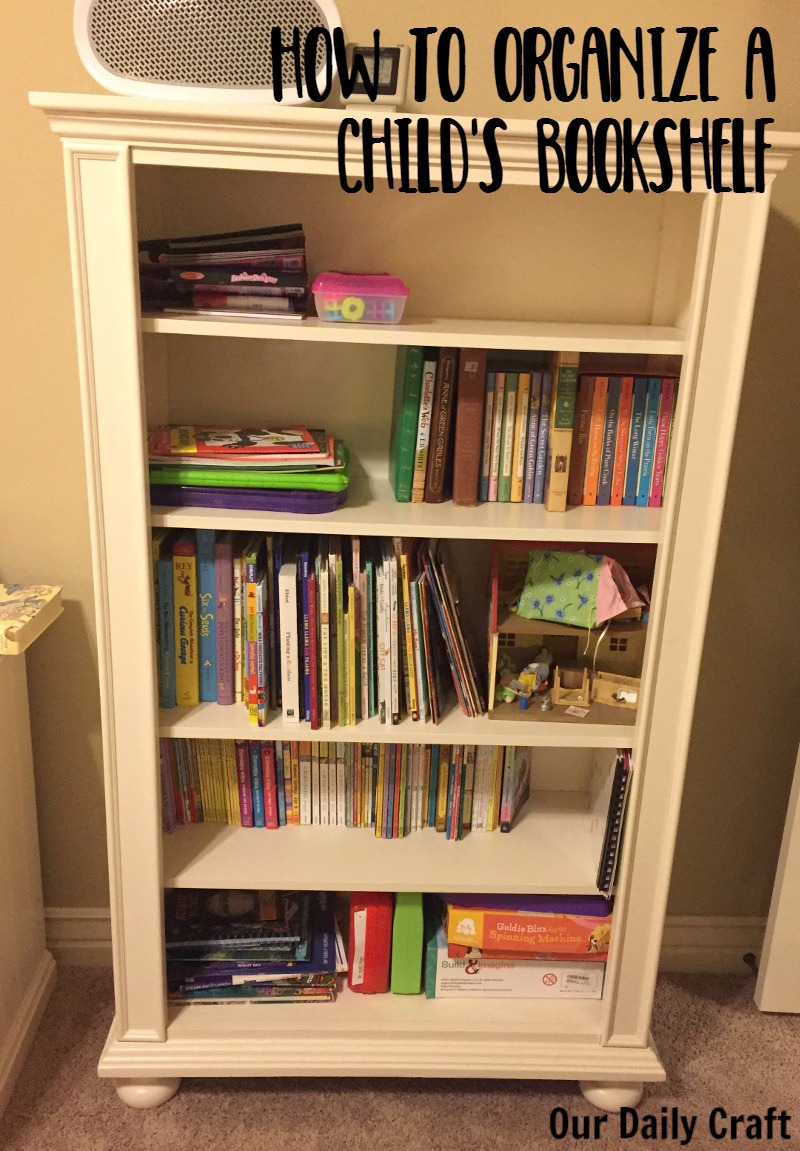
Place bookshelves or baskets at child height. Easy access encourages kids to pick books by themselves. Organize books by size, theme, or color for quick finds. Rotate books to keep the collection fresh and exciting. A reachable library builds independence and love for reading.
Credit: www.ourdailycraft.com
Maintain The Bookshelf Regularly
Maintaining a children’s bookshelf regularly keeps it neat and easy to use. A well-kept shelf helps kids find their favorite books quickly. It also protects books from damage and clutter. Small efforts done often make a big difference over time.
Schedule Weekly Tidying
Set a specific day each week for tidying the bookshelf. Use this time to put books back in place. Remove any trash or items that do not belong. This simple habit prevents piles of books from building up. Weekly tidying keeps the shelf clean and organized.
Rotate Books Periodically
Change the books on display every few weeks. Keep some books in storage and swap them out regularly. This keeps children interested and eager to read. Rotating books also saves space and reduces clutter. It helps maintain a fresh and inviting bookshelf.
Involve Children In Organization
Ask children to help with sorting and arranging books. Let them choose the order or categories they like. Involving kids teaches responsibility and care for their books. It makes organizing a fun and shared activity. Children will take more pride in a bookshelf they helped create.
Credit: thathomebirdlife.com
Frequently Asked Questions
How Do I Start Organizing A Children’s Bookshelf?
Begin by sorting books by size, genre, or reading level. Use bins or labels to keep categories clear. Regularly rotate books to keep kids interested and maintain organization.
What Are The Best Storage Solutions For Kids’ Books?
Use low shelves, bins, or baskets for easy access. Display favorite books facing out to encourage reading. Choose sturdy, child-safe materials for durability and safety.
How Can I Encourage Kids To Maintain Their Bookshelf?
Make organizing a fun routine with rewards or games. Involve kids in choosing the arrangement. Praise their effort to build responsibility and ownership.
How Often Should I Declutter A Children’s Bookshelf?
Declutter every few months to remove outgrown or damaged books. Donate or recycle unwanted books. This keeps the collection manageable and relevant to your child’s interests.
Conclusion
Organizing your child’s bookshelf makes reading time more fun. It helps children find books quickly and easily. A tidy shelf teaches kids to take care of their things. Use simple labels or colors to sort books by size or topic.
Keep favorite books at eye level for easy reach. Regularly check and update the collection to keep it fresh. A neat bookshelf creates a calm space for learning and play. Start small, stay consistent, and enjoy the process together. Your child will love their organized book corner every day.