Your Polywood outdoor furniture is built to last, but what if you want to refresh its look or add a splash of your favorite color? Painting Polywood might seem like a simple way to customize your outdoor space, but it comes with its own set of challenges and important steps you need to follow.
If you’re wondering how to paint Polywood outdoor furniture without ruining it, this guide is for you. You’ll learn exactly what prep work is needed, the best types of paint to use, and how to get a smooth, durable finish that stands up to Austin’s sun and weather.
Keep reading to discover how you can transform your furniture safely and effectively—so your patio looks amazing for seasons to come.
Choosing The Right Paint
Choosing the right paint is essential for a lasting finish on Polywood outdoor furniture. The paint must stick well and resist weather effects. Polywood is a plastic-based material, so not all paints work. Using the wrong paint causes peeling and fading quickly. This section explains which paint types and primers suit Polywood best.
Types Of Paint Suitable For Polywood
Use exterior-grade paint made for plastic surfaces. Acrylic latex paint works well. It is flexible and resists cracking. Spray paint designed for plastic is another good option. It provides even coverage and dries fast. Oil-based paints can peel and are less flexible. Avoid regular interior paints as they do not hold up outdoors. Always check the paint label to confirm it works on plastic.
Primer Options For Plastic Surfaces
Priming is key to making paint stick to Polywood. Choose a primer labeled for plastic or vinyl surfaces. These primers bond tightly and prevent peeling. Some spray primers combine primer and paint in one can. Use a water-based primer for easy cleanup and low odor. Apply a thin, even coat of primer and let it dry fully. Skipping primer leads to poor paint adhesion and a short lifespan.
Preparing The Furniture
Preparing your Polywood outdoor furniture before painting is essential. Proper preparation ensures the paint sticks well and lasts longer. Skipping these steps can cause peeling and uneven color. Follow each step carefully to get a smooth and durable finish.
Cleaning The Surface Thoroughly
Start by washing the furniture with mild soap and water. Use a soft brush or cloth to remove dirt, grease, and grime. Rinse well with clean water and let it dry completely. A clean surface helps the primer and paint stick better.
Sanding For Better Adhesion
Lightly sand the furniture using fine-grit sandpaper. Sanding roughens the smooth plastic surface to improve paint grip. Focus on all areas but avoid sanding too hard. After sanding, the surface should feel slightly rough to the touch.
Removing Dust And Debris
Wipe the furniture with a damp cloth to remove dust and sanding debris. Use a tack cloth or microfiber cloth for best results. Make sure no particles remain before applying primer or paint. Clean surfaces prevent bumps and uneven paint.
Applying Primer
Applying primer is a key step in painting Polywood outdoor furniture. It helps paint stick better and last longer. Primer creates a smooth base and improves the durability of the paint. Without primer, paint may peel or chip quickly on this plastic-like material.
Careful primer application ensures the best finish. The right primer type and method make a big difference. Let’s explore how to select and apply primer properly for Polywood furniture.
Selecting A High-adhesion Primer
Choose a primer made for plastics or synthetic materials. These primers bond well to Polywood’s surface. Water-based primers designed for outdoor use work best. Avoid oil-based primers as they may not stick well. Look for products labeled “high adhesion” or “plastic bonding.” This ensures the paint will hold in all weather conditions.
Tips For Even Primer Application
Apply primer in thin, even coats to avoid drips. Use a spray primer for smooth coverage on curved parts. Hold the spray can about 8 to 12 inches from the surface. Move steadily to cover all areas without pooling. For brush-on primer, use a synthetic bristle brush. Lightly sand between coats for a smoother finish. Always prime in a well-ventilated space.
Allowing Primer To Cure
Let the primer dry fully before painting. Curing time varies by product but usually takes 24 hours. Check the label for exact drying times. Avoid painting over wet primer to prevent peeling. A fully cured primer layer strengthens paint adhesion. Patience here leads to a longer-lasting paint job on your Polywood furniture.

Credit: www.youtube.com
Painting Techniques
Painting Polywood outdoor furniture requires specific techniques to achieve a smooth, long-lasting finish. Proper methods help the paint stick well and resist weather damage. Focus on the right tools, number of coats, and drying times for the best results.
Choosing Between Spray And Brush Paint
Spray paint offers a smooth, even finish on Polywood surfaces. It reaches tight spots and reduces brush marks. Use spray paint designed for plastics and outdoor use. Brush painting allows more control but can leave streaks. Choose a high-quality exterior brush and apply thin, even layers. Both methods need a primer before painting.
Applying Multiple Coats
Applying multiple coats strengthens the paint’s durability. Thin coats dry faster and prevent drips. Start with a primer coat, then add two or three top coats. Each layer improves color depth and protection. Avoid thick coats to reduce cracking and peeling risks. Light sanding between coats helps adhesion.
Drying Time Between Coats
Drying time is key for lasting results. Allow each coat to dry fully before applying the next. Follow the paint manufacturer’s instructions for drying times. Usually, wait at least one to two hours between coats. Longer drying times improve paint bonding and prevent damage. Avoid painting in high humidity or direct sunlight for best results.
Sealing The Finish
Sealing the finish on your Polywood outdoor furniture is a vital step. It locks in the paint and shields your work from weather damage. A good seal extends the life of your paint job and keeps your furniture looking fresh.
Without sealing, paint can chip or fade quickly, especially under sun and rain exposure. The right sealant adds a protective layer that resists moisture and UV rays.
Benefits Of A Clear Top Coat
A clear top coat protects the paint from scratches and peeling. It keeps colors bright and prevents fading from sunlight. This coating also blocks water, stopping it from soaking into the paint.
Applying a top coat makes cleaning easier. Dirt and stains wipe off without damaging the paint. It also adds a smooth, glossy finish that looks professional.
Types Of Protective Sealants
Choose a sealant designed for outdoor use and plastic surfaces. Water-based polyurethane is popular. It dries clear and resists yellowing over time.
Acrylic sealants are another option. They offer strong UV protection and flexible coverage. Some sealants come in spray cans for easy application.
Polyurethane and acrylic sealants both protect well, but check the label to ensure compatibility with your paint type.
Application Tips
Apply sealant in a well-ventilated area and clean surface. Use a brush or spray for even coverage. Avoid thick layers; thin coats dry faster and prevent drips.
Let each coat dry fully before adding another. Usually, two coats provide strong protection. Lightly sand between coats for smoothness.
Do not rush. Proper drying time ensures the sealant bonds well. This step increases durability and keeps your furniture looking great.
Credit: ebyland.com
Maintenance After Painting
Maintenance after painting is crucial to keep your Polywood outdoor furniture looking fresh and vibrant. Proper care extends the life of the paint and protects your investment. Simple steps help maintain the finish and prevent damage from weather and daily use.
Cleaning Painted Polywood Furniture
Regular cleaning removes dirt and grime that can dull the paint. Use a soft cloth or sponge with mild soap and water. Avoid harsh chemicals or abrasive scrubbers that can damage the paint. Rinse thoroughly with clean water and let the furniture dry naturally. Cleaning once a month keeps your furniture bright and inviting.
Touch-up Tips For Chipped Areas
Chips and scratches happen over time. Fix them quickly to prevent further peeling. Lightly sand the chipped area with fine-grit sandpaper to smooth edges. Clean the spot with a damp cloth and let it dry. Apply a primer suitable for plastic, then repaint with matching exterior paint. Use a small brush for precise application. Allow the paint to dry fully before using the furniture again.
Risks And Considerations
Painting Polywood outdoor furniture can refresh its look but carries certain risks. Understanding these risks helps avoid costly mistakes. Consider the impact on warranty, paint durability, and color choices before starting.
Polywood is designed for outdoor use and resists fading and weather damage. Painting it changes its surface and may affect its original benefits.
Warranty Implications
Most Polywood manufacturers do not recommend painting their furniture. Painting usually voids the warranty. This means any damage or defects after painting might not be covered. Always check the warranty terms before painting. Protect your investment by knowing what actions may cancel your warranty.
Durability Of Paint On Polywood
Paint adhesion on Polywood can be tricky. The material is smooth and non-porous, so paint may peel or chip easily. Use a plastic primer to improve paint grip. Even with primer, painted surfaces may require frequent touch-ups. Weather and sun exposure can fade or crack paint faster than the original finish.
Why Original Colors May Be Better
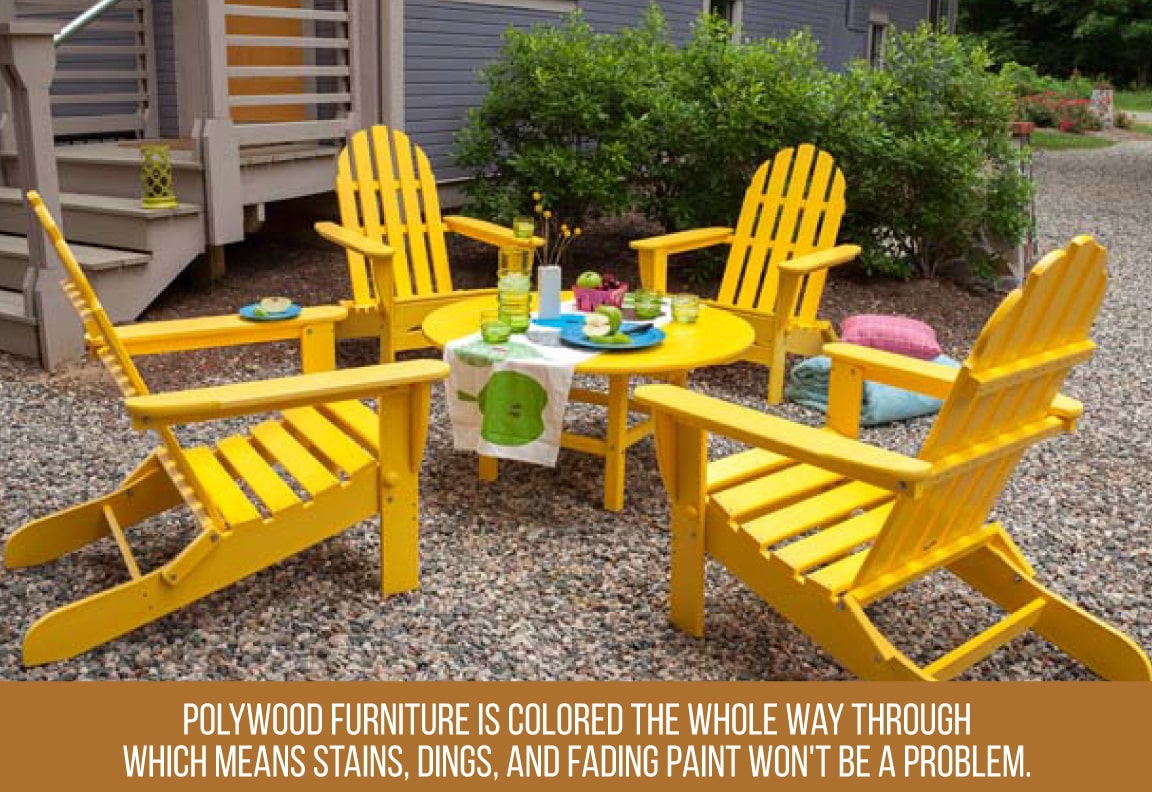
Polywood’s colors run through the material, providing long-lasting color. This means scratches or chips do not reveal a different color underneath. Painting covers this advantage, making scratches more visible. Original colors resist fading and need less maintenance. Choosing the original finish saves time and effort in upkeep.

Credit: www.themagnoliamamas.com
Frequently Asked Questions
What Kind Of Paint To Use On Polywood?
Use a high-adhesion, water-based primer made for plastics before applying exterior-grade paint or spray paint. Painting may void warranty.
Can You Change The Color Of Polywood?
You cannot change POLYWOOD’s color as its hue runs throughout the material. Painting is not recommended and voids the warranty.
Can You Paint Over Polywood Adirondack Chairs?
Yes, you can paint POLYWOOD Adirondack chairs, but it voids the warranty. Clean, sand, prime with plastic primer, then use exterior-grade paint. Paint may chip over time since POLYWOOD’s color is embedded throughout the material, eliminating the need for painting.
How To Restore Faded Polywood Furniture?
Clean faded Polywood furniture with mild soap and water. Avoid sanding or painting to prevent warranty void. Use a UV protectant spray to restore color and protect against fading. Regular cleaning and protection extend its vibrant look.
Conclusion
Painting Polywood outdoor furniture takes careful steps and patience. Clean the surface well and sand lightly for better paint grip. Use a primer made for plastic before applying exterior paint. Multiple thin coats give a smooth finish and better durability.
Seal the paint with a clear topcoat to protect it from weather. Remember, painting may void your furniture’s warranty and cause peeling over time. Still, proper preparation and paint can refresh your Polywood pieces nicely. Enjoy a fresh look while keeping your furniture in good shape.