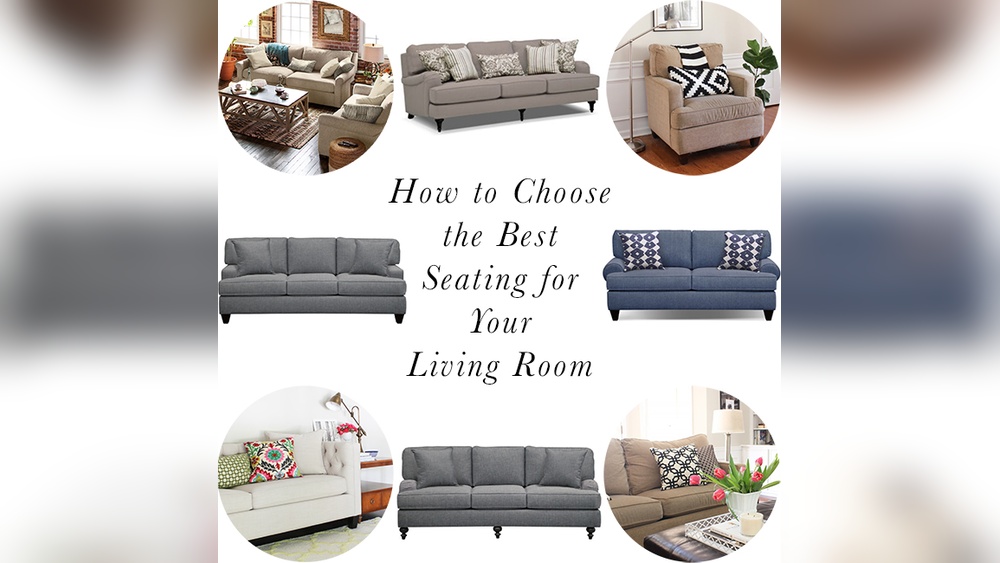
Choosing the right furniture for your living room can feel overwhelming. You want a space that’s comfortable, stylish, and fits your lifestyle perfectly.
But how do you know what pieces to pick? How do you create a room that flows well and feels just right? This guide will help you make smart choices, avoid common mistakes, and design a living room you’ll love spending time in.
Keep reading, and you’ll discover simple, effective tips to transform your space step by step. Your dream living room is closer than you think!
Function And Purpose
Choosing the right furniture for your living room starts with understanding its function and purpose. Every piece should serve a clear role that fits your lifestyle. This approach helps create a balanced space that feels both comfortable and practical. By focusing on how you use the room, you avoid clutter and make the most of your space.
Identify Room Activities
Think about what you do in your living room daily. Do you watch TV, read books, or play games? Maybe you use it for work or hobbies. Each activity needs different furniture types. For example, a cozy armchair works well for reading. A large sofa suits watching movies with family. Knowing these activities guides your furniture choices.
Consider Family Needs
Every family has unique needs. Kids might need durable seating that is easy to clean. Older family members may require furniture that is easy to get in and out of. Pet owners should choose materials that resist scratches and stains. Think about size and comfort for everyone in the household. This ensures the room is welcoming and usable for all.
Plan For Guests
Guests often use the living room for socializing. Plan seating to allow easy conversation. Include extra chairs or a loveseat for more guests. Consider flexible furniture like ottomans or foldable chairs. These can be moved or stored away when not needed. This way, your living room stays tidy and ready for visitors.
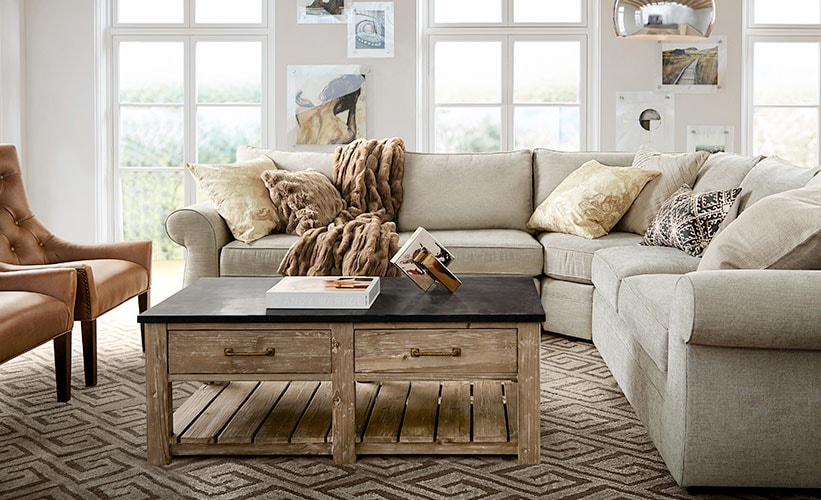
Credit: www.potterybarn.com
Space And Layout
Choosing the right furniture for your living room starts with understanding the space and layout. The size and shape of your room affect which pieces will fit and how they should be arranged. Planning the layout helps avoid overcrowding and keeps the room comfortable and functional.
Focus on creating a balanced space that feels open yet cozy. Good layout improves movement and highlights your furniture’s style. Follow simple steps to organize your living room effectively.
Measure Your Living Room
Start by measuring the length and width of your living room. Note doorways, windows, and any built-in features. Include ceiling height for tall furniture choices. Use a tape measure for accuracy. Write down all measurements before shopping. This prevents buying items that do not fit.
Create A Floor Plan
Draw a floor plan on paper or use an app. Mark the walls, windows, and doors. Add the size of your furniture shapes to the plan. Move pieces around to test different layouts. This helps visualize the space and avoid mistakes. A clear plan saves time and money.
Allow Traffic Flow
Leave enough space for walking paths around furniture. Aim for at least 2 to 3 feet of clearance. Avoid blocking doorways or windows. Arrange seating to encourage conversation and easy access. Good traffic flow makes the room feel open and welcoming.
Balance Filled And Empty Spaces
Fill about two-thirds of the room with furniture and decor. Leave one-third of the space open for breathing room. Avoid crowding corners or walls. Use coffee tables and rugs to anchor the seating area. Balance helps the room feel calm and spacious.
Choosing Key Furniture
Choosing key furniture pieces sets the tone for your living room. These items define the space and create comfort. Pick pieces that fit your style and room size. Prioritize quality and function to enjoy your space for years.
Focus on the main furniture first. Then add supporting pieces. Each item should blend well with others. Balance the room by mixing shapes and sizes carefully.
Select The Right Sofa
The sofa is the center of any living room. Choose one that fits your space without crowding it. Think about the shape and size that match your lifestyle. Pick a fabric that is easy to clean and durable. Consider neutral colors for flexibility in decor.
Pick Complementary Chairs
Chairs add extra seating and style. Choose chairs that complement the sofa in color and design. Mix different chair styles to add interest. Keep chairs comfortable and the right size for the room. Arrange them to encourage conversation and flow.
Choose Functional Coffee Tables
The coffee table should be both useful and stylish. Pick a size that fits well in front of the sofa. Look for tables with storage or shelves to keep clutter hidden. Round or oval tables improve safety in tight spaces. Match the table’s style with your other furniture.
Add Storage Pieces
Storage helps keep your living room tidy. Choose cabinets, shelves, or sideboards that match your decor. Use these pieces to display books or décor items. Opt for furniture that combines storage with seating or surface space. Keep storage units balanced in size with your other furniture.
Scale And Proportion
Choosing the right scale and proportion is key to creating a comfortable living room. Scale refers to the size of furniture in relation to the room size. Proportion means how furniture pieces relate to each other in size. Proper scale and proportion ensure the room feels balanced and inviting. Oversized furniture can overcrowd a small room. Small furniture in a large room can feel lost. Both scenarios affect the room’s comfort and flow.
Match Furniture Size To Room
Start by measuring your living room’s dimensions. Large rooms suit bigger sofas and chairs. Small rooms need compact furniture to avoid clutter. Choose pieces that fit the space without crowding. Leave enough space for walking paths. Avoid furniture that blocks windows or doors. Matching furniture size to the room keeps the space functional and open.
Use The Two-thirds Rule
The two-thirds rule helps create pleasing arrangements. Fill about two-thirds of the room or wall with furniture or decor. Leave one-third open for balance and flow. For example, pick a sofa that takes up two-thirds of the wall length. Choose a coffee table about two-thirds the sofa’s size. This rule guides the right scale for each item. It helps avoid overcrowding or too much empty space.
Maintain Visual Balance
Visual balance means furniture looks even and stable. Mix large and small pieces to keep balance. Pair a big sofa with smaller chairs or side tables. Avoid placing all large items on one side. Spread out colors and textures evenly across the room. Balanced rooms feel calm and inviting. Visual balance also improves the room’s style and harmony.
Color And Texture
Color and texture shape the mood and feel of your living room. They create visual interest and a sense of comfort. Thoughtful choices in these areas make a room inviting and stylish. Matching colors and mixing textures can transform plain furniture into a focal point. This section explains how to use color and texture effectively when picking living room furniture.
Establish A Color Palette
Start by choosing a base color for your room. This color should cover most of the furniture and walls. Pick neutral tones like beige, gray, or soft white for flexibility. Add one or two complementary colors to bring life to the space. Keep the palette simple to avoid visual clutter. This approach helps create harmony and balance in your living room.
Mix Textures For Depth
Combine different textures to add depth and interest. Soft fabrics like velvet or cotton work well with smooth leather or wood. Rougher materials like wicker or woven baskets provide contrast. Mixing textures prevents the room from feeling flat or dull. It also adds a tactile element that invites touch and comfort.
Use Accent Colors Strategically
Accent colors highlight certain areas or pieces of furniture. Use bright or bold colors in small doses, such as cushions or rugs. These accents draw the eye and add personality. Place accent colors near focal points like the sofa or coffee table. This method refreshes the space without overwhelming it.
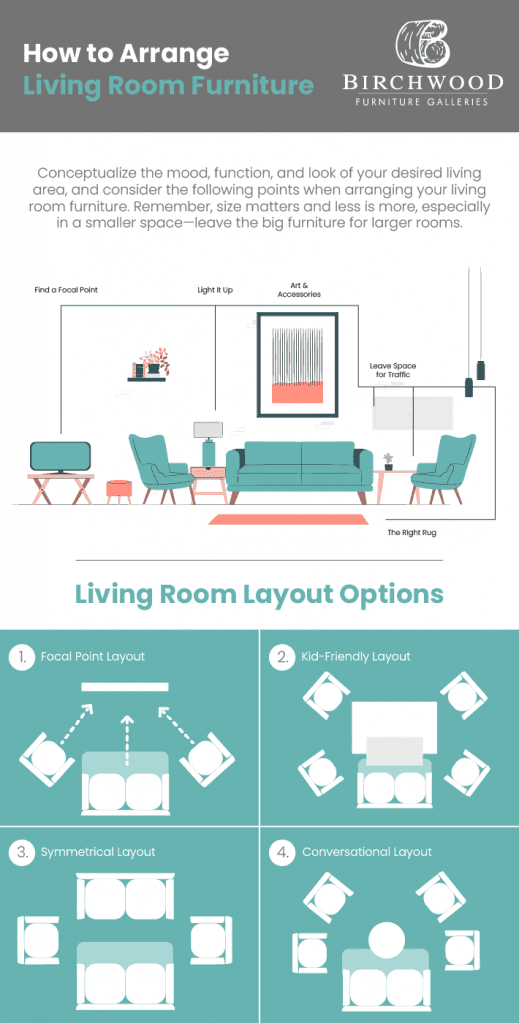
Credit: birchwoodfurniture.ca
Applying The Rule Of Odds
Applying the Rule of Odds is a simple way to make your living room feel more inviting and balanced. This rule suggests grouping items in odd numbers such as three, five, or seven. Odd numbers create a natural sense of harmony and interest. They help break the monotony of even-numbered arrangements, making your space feel more dynamic and lively.
Group Items In Odd Numbers
Group furniture and decor pieces in sets of three or five. For example, place three cushions on a sofa or arrange five candles on a shelf. Odd groupings draw the eye and make the arrangement look intentional. Avoid pairs or sets of four, as they can feel too formal or stiff.
Create Dynamic Arrangements
Use the rule of odds to design lively seating areas and displays. Arrange chairs and tables so there is an odd number of pieces. This creates natural conversation spots and visual flow. Odd numbers help balance large furniture with smaller accents without cluttering the space.
Use Odd Groupings On Tables And Walls
Decorate coffee tables, side tables, and walls with odd numbers of items. Hang three pictures in a row or cluster five small vases on a table. These groupings feel more organic and less forced. The eye enjoys the slight imbalance and finds it more engaging.
Comfort And Functionality
Choosing furniture for your living room means balancing comfort and functionality. Your space should feel inviting and work well for daily use. Comfort makes sitting and relaxing enjoyable. Functionality ensures furniture fits your lifestyle and needs. Focus on these two aspects to create a living room you love.
Choose Comfortable Seating
Pick sofas and chairs with soft cushions and good support. Test the furniture by sitting on it before buying. Look for pieces that suit how many people will use them. Comfort encourages relaxation and longer use. Avoid furniture that feels too stiff or too soft.
Consider Ergonomics
Ergonomic furniture supports your body’s natural posture. Choose chairs with backrests that follow your spine’s curve. Seats should have the right height so your feet touch the floor. Armrests help reduce shoulder strain. Ergonomics prevent discomfort and improve your health.
Select Durable Materials
Pick materials that last and resist wear. Leather and tightly woven fabrics hold up well over time. Avoid delicate fabrics if you have pets or children. Look for stain-resistant and easy-to-clean options. Durable materials save money and keep your furniture looking good.
Lighting And Accessories
Lighting and accessories play a key role in choosing living room furniture. They enhance style and create mood. Proper lighting makes the space feel warm and inviting. Accessories add personality and complete the look.
Consider how different lights and decorations work with your furniture. Use these elements to highlight your design choices. They also help balance the room’s overall feel.
Layer Different Light Sources
Use multiple light sources to create depth. Combine ambient, task, and accent lighting. Ambient light provides general illumination. Task lighting focuses on areas for reading or work. Accent lights highlight artwork or decor. This layering adds warmth and interest.
Choose fixtures that match your style. Floor lamps, table lamps, and ceiling lights work well together. Adjust brightness with dimmers for flexibility. Soft lighting makes the room cozy and relaxing.
Incorporate Decorative Elements
Accessories give your living room character. Use cushions, rugs, and throws to add color and texture. Mix materials like wood, metal, and fabric for variety. Decorative vases and bowls bring visual interest.
Select items that complement your furniture style. Keep clutter minimal to maintain balance. Group items in odd numbers for a natural look. These details create a welcoming atmosphere.
Use Art And Wall Decor
Art transforms plain walls into focal points. Choose pieces that reflect your taste and color scheme. Large prints or a gallery wall can make a bold statement. Mirrors also brighten the room by reflecting light.
Place wall decor above sofas or consoles at eye level. Keep size proportional to the furniture below. This creates harmony and enhances room flow. Art personalizes your space and adds visual appeal.
Final Touches
Final touches bring your living room to life. They create comfort and style. These small details make the space feel complete and inviting. Focus on elements that add warmth and personality without crowding the room.
Add Rugs And Curtains
Rugs define areas and add color or texture. Choose a rug that fits the seating area well. Curtains soften the room and control light. Pick curtains that match your furniture and wall colors. This helps create a cozy and balanced look.
Include Personal Items
Display photos, books, or souvenirs that tell your story. Personal items make the space unique and welcoming. Use shelves, tables, or walls to show these pieces. Keep the display neat to avoid clutter.
Keep Space Clutter-free
Clear spaces feel larger and more relaxing. Store away items that are not used daily. Use baskets, boxes, or cabinets for storage. A tidy room helps your furniture and decor stand out. It also makes cleaning easier and faster.

Credit: www.wikihow.life
Frequently Asked Questions
What Is The 2/3 Rule For Living Rooms?
The 2/3 rule for living rooms means filling two-thirds of the space with furniture or decor, leaving one-third open for flow and balance. This applies to furniture layout, coffee table size, wall art, and color distribution to create a spacious, harmonious design.
What Is The 3-5-7 Rule In Decorating?
The 3-5-7 rule in decorating means arranging items in groups of three, five, or seven. Odd numbers create visual interest and balance. This technique helps form natural focal points and prevents clutter while adding rhythm to your space.
What Is The 3 4 5 Rule In Interior Design?
The 3-4-5 rule in interior design arranges items in groups of three, four, or five. This creates visual balance, rhythm, and a natural focal point. Odd numbers add interest and avoid clutter, enhancing room aesthetics and harmony effectively.
What Are The Four Rules In Furniture Arrangement?
The four furniture arrangement rules: maintain balance by filling two-thirds of space, ensure clear traffic flow, group items in odd numbers, and create a focal point for visual interest.
Conclusion
Choosing the right furniture shapes your living room’s comfort and style. Focus on size, function, and flow to create balance. Keep open spaces for easy movement and a fresh feel. Mix colors and textures to add warmth and interest. Group items in odd numbers to attract the eye naturally.
Thoughtful choices make your living room inviting and practical. Take your time and enjoy the process. Your perfect space awaits!