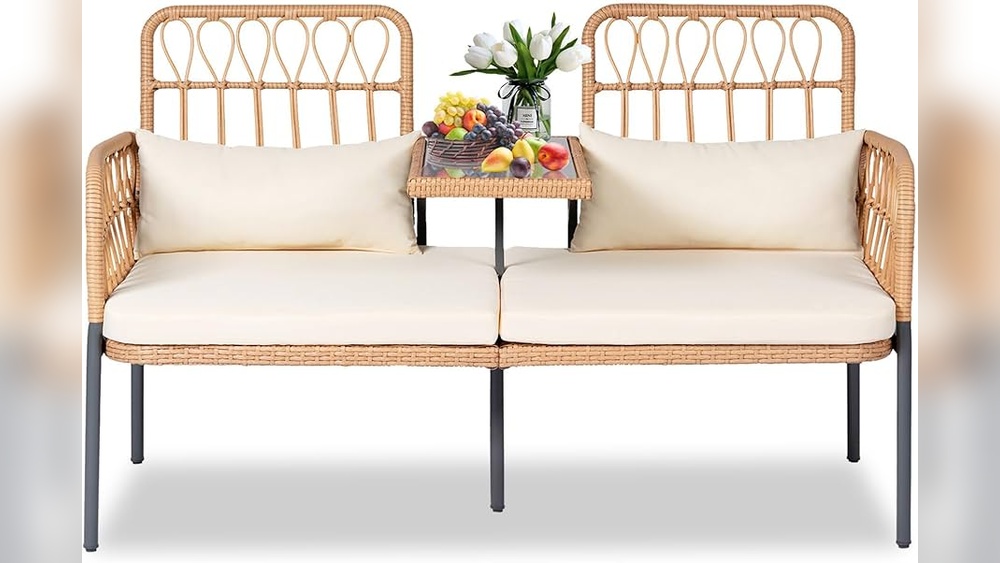
Your outdoor furniture pillows add comfort and style to your patio or garden. But have you noticed how quickly they can fade, get soggy, or start to smell after a few rainy days or intense sun?
Protecting these pillows from the weather isn’t just about keeping them looking good—it saves you money and frustration in the long run. You’ll discover simple, effective ways to shield your pillows from rain, sun, and dirt, so they stay fresh and inviting all season.
Ready to learn how to make your outdoor space cozy and worry-free? Let’s dive in.
Choosing Weather-resistant Fabrics
Choosing the right fabric for outdoor furniture pillows helps protect them from weather damage. Weather-resistant fabrics keep pillows dry and durable. They resist fading, mildew, and wear caused by sun, rain, and wind. Selecting the best material extends the life of your pillows and keeps them looking fresh.
Best Materials For Outdoor Pillows
Olefin and solution-dyed acrylic are top choices for outdoor pillows. Olefin is strong, lightweight, and resists moisture and stains. Acrylic fabrics, like Sunbrella, offer excellent UV resistance and colorfastness. Polyester is also popular due to its durability and quick-drying properties. These fabrics dry fast and prevent mold growth. Cotton and other natural fabrics are less suitable because they absorb water and fade quickly.
Waterproof Vs Water-resistant Options
Waterproof fabrics block all water, keeping pillows dry during rain. These fabrics have a coating or membrane that stops water penetration. Water-resistant fabrics repel water but allow some moisture through. They offer good protection in light rain and dew but may need extra care. Waterproof fabrics are best for harsh weather or frequent rain. Water-resistant options work well in mild climates or covered areas.

Credit: www.amazon.com
Using Protective Covers
Using protective covers is a simple way to keep outdoor furniture pillows safe. These covers act as a shield against rain, sun, dust, and dirt. They help your pillows last longer and stay clean. Choosing the right cover and using it well can make a big difference.
Types Of Covers Available
There are many covers made from different materials. Some are waterproof, stopping rain from soaking pillows. Others are breathable, letting air pass to prevent mold. Vinyl covers are strong and block water well. Polyester covers resist fading from the sun. Some covers come with zippers for easy use. Choose covers that fit your pillows snugly to protect well.
Tips For Proper Cover Usage
Always clean pillows before covering them. Dirt and moisture trapped inside can cause damage. Make sure pillows are dry to avoid mold growth. Put covers on tightly to stop wind from blowing them off. Use straps or ties if covers have them. Store pillows in a dry place under covers during bad weather. Check covers regularly for holes or wear and replace if needed.
Cleaning And Maintenance
Keeping outdoor furniture pillows clean helps them last longer and look fresh. Dirt, dust, and spills can damage the fabric over time. Regular cleaning and proper care protect pillows from weather effects and maintain their comfort.
Follow simple steps to keep pillows neat and extend their life. Cleaning does not have to be hard or take much time. Small efforts make a big difference.
Routine Cleaning Methods
Brush off loose dirt and dust with a soft brush or cloth. Shake pillows gently to remove debris. Use a vacuum cleaner with a brush attachment for deep cleaning. Avoid harsh scrubbing that can damage fabric.
Spot clean pillows with mild soap and water. Mix a small amount of gentle detergent in warm water. Use a soft sponge or cloth to wipe surfaces lightly. Rinse with clean water and let pillows air dry fully in shade.
Removing Stains Effectively
Act fast to treat stains on outdoor pillows. Blot spills immediately with a clean cloth. Avoid rubbing stains, which may spread them. For tougher stains, use a mixture of water and white vinegar.
Apply the solution gently on the stain and wait five minutes. Then, blot with a damp cloth to lift the stain. For oil or grease, sprinkle baking soda before cleaning. Let it sit, then brush off and clean as usual.
Storage Solutions
Proper storage is key to protecting outdoor furniture pillows from weather damage. Choosing the right storage method extends the life of your pillows. It keeps them clean, dry, and ready for use. Understanding storage options helps you pick the best one for your needs.
Indoor Vs Outdoor Storage
Indoor storage offers the best protection. Pillows stay safe from rain, sun, and dirt inside. A closet, basement, or spare room works well. Keep pillows in a dry, cool spot. This avoids mold and fading.
Outdoor storage can work too but requires care. Use storage benches or waterproof boxes on your patio. Make sure they seal tightly to keep moisture out. Outdoor storage is handy for quick access but less secure from weather changes.
Best Storage Containers
Choose containers made from durable, weather-resistant materials. Plastic bins with tight lids prevent water and dirt entry. Look for containers with ventilation to avoid mildew buildup.
Storage bags designed for outdoor pillows are also good. They protect from dust and moisture while allowing air flow. Avoid thin plastic bags that trap moisture and cause mildew.
Applying Fabric Protectants
Applying fabric protectants is a smart way to keep outdoor furniture pillows safe from sun, rain, and dirt. These protectants create a shield on the fabric. They help stop water and stains from soaking in. This keeps pillows looking fresh and clean longer. Using the right protectant also helps prevent fading and damage caused by UV rays.
Sprays And Treatments To Consider
Water repellent sprays are popular for outdoor pillows. They make the fabric resist water and spills. Look for sprays that are safe for outdoor use. Some protectants also block UV rays to reduce fading. Silicone-based sprays offer strong water resistance. Fluoropolymer treatments repel both water and oil stains. Always test a small fabric area before full use. Follow product instructions carefully for best results.
How Often To Reapply
Protectants wear off over time. Reapplying keeps pillows well guarded. Most sprays need reapplication every 3 to 6 months. More often if pillows face heavy rain or sun. Clean pillows before applying new coat. This helps the protectant stick better. Check the fabric feel; if water no longer beads, reapply protectant. Regular care extends pillow life and keeps them looking good.
Preventing Mold And Mildew
Outdoor furniture pillows face constant exposure to rain, humidity, and dew. These conditions create the perfect environment for mold and mildew to grow. Mold and mildew not only look bad but also damage the fabric and cause unpleasant smells. Protecting your pillows from these problems helps keep them fresh and extends their life.
Signs To Watch For
Look for dark spots or patches on the pillow surface. These spots often appear fuzzy or slimy. A musty or sour smell is a strong sign of mildew. Check the pillow edges and seams carefully. Mold can hide in these areas before spreading. Feeling the fabric damp or sticky can also signal mold growth.
Quick Remedies
Clean pillows with a mix of mild soap and water. Use a soft brush to scrub affected areas gently. Let pillows dry completely in the sun to kill mold spores. For stubborn mold, use a solution of white vinegar and water. Spray lightly, then rinse and dry well. Store pillows in a dry, ventilated place to avoid moisture build-up. Regularly airing pillows outside can keep mold away.
Seasonal Care Tips
Seasonal care is key to keeping outdoor furniture pillows in good shape all year. Different weather needs different care. Protecting pillows from sun, rain, and cold helps them last longer. Simple steps each season keep pillows fresh and comfy.
Follow easy tips to prepare and maintain your pillows through winter and summer. These routines save money and effort over time.
Preparing Pillows For Winter
Start by cleaning pillows thoroughly. Remove dirt and dust before storing. Use mild soap and water, then dry completely. Wet pillows can get moldy or smelly.
Store pillows in a dry place away from moisture. Use breathable bags or containers to avoid mildew. Avoid plastic bags that trap humidity.
Consider water-resistant pillow covers for extra protection. These covers shield pillows from snow and rain during cold months.
Summer Maintenance Tricks
Keep pillows dry to prevent mold and mildew. After rain, dry pillows in sunlight quickly. Sunlight also helps remove odors and kills germs.
Brush off dirt and debris regularly. Use a soft brush or cloth to clean surfaces. This prevents buildup that can damage fabric.
Apply fabric protectors designed for outdoor use. They guard pillows against sun fading and stains. Reapply protectors every few months for best results.
Credit: abeautifulmess.com

Credit: www.houzz.com.au
Frequently Asked Questions
How Can I Waterproof Outdoor Furniture Pillows?
Use a waterproof spray designed for fabrics to repel water. Reapply every few months to maintain protection. Choose pillows with water-resistant covers for added durability. Proper waterproofing prevents mold and keeps pillows dry during rain.
What Is The Best Way To Store Pillows In Bad Weather?
Store pillows in a dry, ventilated area indoors during harsh weather. Use airtight storage bags to protect from moisture and pests. Avoid leaving pillows outside when not in use to extend their lifespan.
Can I Machine Wash Outdoor Furniture Pillows?
Yes, if the care label allows, machine wash pillows on a gentle cycle. Use mild detergent and cold water. Air dry thoroughly to prevent mold growth. Check for removable covers to simplify cleaning.
How Often Should I Clean Outdoor Pillows?
Clean outdoor pillows every few weeks or when visibly dirty. Regular cleaning prevents dirt buildup and mold. Spot clean small stains promptly to maintain appearance and hygiene.
Conclusion
Protecting outdoor furniture pillows keeps them clean and lasts longer. Use covers to block rain and sun damage. Store pillows inside during bad weather or winter months. Clean pillows regularly to avoid dirt buildup. Simple care saves money and time.
Enjoy your outdoor space comfortably with fresh, cozy pillows. Taking small steps makes a big difference. Keep your pillows safe and inviting all year round.

