
Is your outdoor furniture looking dull and slippery because of stubborn green algae? You’re not alone.
Algae can quickly turn your beautiful patio set into an eyesore, making your outdoor space less inviting. But don’t worry—removing green algae is easier than you think. You’ll discover simple, effective ways to clean your furniture and restore its original charm.
Keep reading, and you’ll learn how to bring back the fresh, clean look your outdoor space deserves.
Causes Of Green Algae
Green algae often appear on outdoor furniture, making it look dirty and old. Understanding why algae grow helps prevent and remove it effectively. Algae thrive in certain environments and on specific materials. Knowing these causes can save time and effort in cleaning.
Common Conditions For Growth
Green algae need moisture to grow. Rain, dew, or watering plants nearby keep furniture damp. Shady areas with little sunlight dry slowly, helping algae spread. Warm temperatures speed up algae growth. Dirt and organic matter on furniture give algae nutrients. Poor air circulation also supports algae development.
Types Of Algae On Furniture
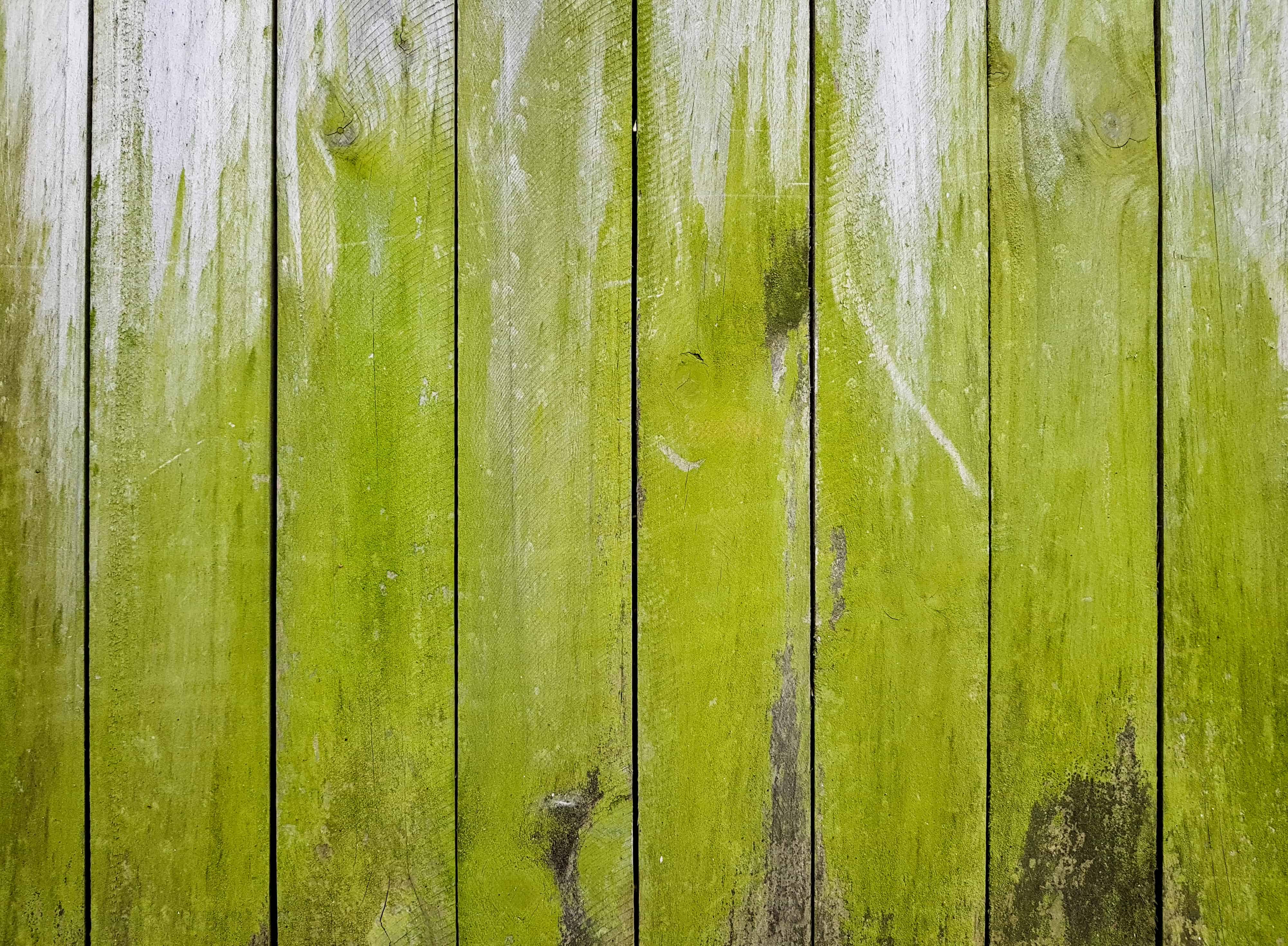
Green algae is the most common on outdoor furniture. It forms slimy, green patches that stain surfaces. Blue-green algae can also appear, looking like dark green or bluish spots. Red algae sometimes show as pinkish stains. Knowing the type helps choose the right cleaning method. Most outdoor algae are harmless but unsightly.
Credit: www.decks-docks.com
Preparation Before Cleaning
Removing green algae from outdoor furniture starts with good preparation. Cleaning without planning can cause damage or make the process harder. Getting ready helps the cleaning go smoothly and protects your furniture.
Gathering Necessary Supplies
Collect all cleaning tools before you begin. You will need a soft brush to scrub the algae. A bucket and water are important for rinsing. Use mild soap or a special algae cleaner for best results. Have old towels or cloths ready to dry the furniture. Gloves protect your hands during cleaning. A spray bottle helps apply the cleaning solution evenly.
Safety Precautions
Wear gloves to protect your skin from irritants. Use eye protection to avoid splashes during scrubbing. Work in a well-ventilated area to breathe fresh air. Avoid strong chemicals that can harm your furniture and health. Keep pets and children away from the cleaning area. Test the cleaning solution on a small spot first. Stop immediately if you see any damage or color change.
Cleaning Methods
Cleaning green algae from outdoor furniture helps keep it safe and nice. Using simple cleaning methods removes algae without harm. These methods use easy materials you can find at home or store. Clean regularly to stop algae from growing back fast.
Using Soap And Water
Soap and water is the easiest way to clean algae. Mix mild soap with warm water in a bucket. Use a soft brush or cloth to scrub furniture gently. Rinse well with clean water. This method works best for light algae stains.
Vinegar Solution
Vinegar kills algae naturally. Mix equal parts white vinegar and water. Spray or apply the solution on algae spots. Let it sit for 10-15 minutes. Scrub softly with a brush. Rinse thoroughly with water. Avoid strong vinegar on delicate surfaces.
Baking Soda Paste
Baking soda is a gentle cleaner for algae. Mix baking soda with a little water to make a paste. Spread the paste on affected areas. Use a brush to scrub after 10 minutes. Rinse off with water. This method helps remove stubborn algae stains.
Commercial Cleaners
Commercial cleaners offer strong algae removal. Choose a cleaner safe for your furniture material. Follow the instructions on the label carefully. Apply the cleaner, scrub if needed, and rinse well. Use gloves to protect your hands during cleaning.
Step-by-step Cleaning Process
Removing green algae from outdoor furniture is easier with a clear process. Follow each step carefully for the best results. This method cleans your furniture gently and effectively.
Initial Rinse
Start by rinsing the furniture with water. Use a garden hose or a bucket. This removes loose dirt and algae. It also prepares the surface for cleaning.
Applying Cleaner
Use a mild cleaner safe for outdoor furniture. Spray or apply it evenly on the algae spots. Let it sit for 10 minutes. This helps break down the algae.
Scrubbing Techniques
Take a soft brush or sponge. Gently scrub the affected areas in circular motions. Avoid hard scrubbing to protect the surface. Focus on spots with thick algae buildup.
Final Rinse And Drying
Rinse the furniture thoroughly with clean water. Remove all soap and algae residues. Wipe the furniture with a dry cloth. Let it air dry in the sun to prevent new algae growth.
Preventing Algae Regrowth
Preventing green algae from growing back on outdoor furniture saves time and effort. It keeps your furniture looking fresh and clean. Simple habits and smart choices help stop algae before it starts.
Regular Maintenance Tips
Clean your furniture often with a soft brush and mild soap. Remove dirt and moisture quickly. Dry the furniture well after washing. Check for algae spots weekly. Treat small patches early to avoid big growth.
Protective Coatings
Use a water-resistant sealant on wood or metal furniture. These coatings block moisture, which algae need to grow. Apply the sealant every year or after heavy rain. Choose non-toxic products safe for outdoor use.
Optimal Furniture Placement
Place furniture where sunlight reaches it. Algae grow in damp, shaded areas. Avoid spots near trees or walls that block sun. Good air flow also helps furniture dry faster. Move furniture if you notice constant dampness.
Handling Different Furniture Materials
Different outdoor furniture materials need different care. Green algae can damage wood, metal, and plastic in unique ways. Knowing how to clean each type helps keep your furniture safe and looking good.
Wooden Furniture
Wood is porous and absorbs moisture easily. Use a soft brush and mild soap to scrub the algae gently. Avoid harsh chemicals that can damage the wood. Rinse with clean water and dry the furniture in the sun. Applying a wood sealant can protect it from future algae growth.
Metal Furniture
Metal furniture can rust if not cleaned carefully. Use a soft cloth or sponge with a mix of water and vinegar. Scrub the algae lightly to prevent scratches. Rinse with water and dry the surface completely. A coat of metal paint or rust-resistant spray helps protect the furniture.
Plastic And Resin Furniture
Plastic and resin are less fragile but can still get stained. Use a mixture of water and baking soda or dish soap. Scrub with a soft brush or cloth to remove algae. Rinse well with water. Avoid abrasive tools that can scratch the surface. These materials dry quickly and resist algae return.
When To Seek Professional Help
Green algae on outdoor furniture can sometimes be tough to remove. Most of the time, simple cleaning methods work well. Yet, some situations need expert help to avoid damage or health risks.
Knowing when to call a professional saves time and effort. It also ensures your furniture stays safe and looks good for longer.
Severe Or Widespread Algae Growth
If algae cover most of your furniture, cleaning might be hard. Large patches can hide deeper damage. Professionals have tools and products to handle big jobs safely.
Delicate Or Antique Furniture
Old or fragile furniture needs special care. Wrong cleaning can cause cracks or fading. Experts know how to clean without harming delicate surfaces.
Persistent Algae Despite Cleaning
Sometimes algae returns quickly or does not disappear. This shows a deeper problem. Professionals can identify causes and apply stronger treatments.
Health Concerns Or Allergies
Algae can cause skin irritation or allergies for some people. If you or family members react badly, seek professional cleaning. They use safe methods to reduce health risks.
Uncertainty About Cleaning Products
Using the wrong cleaners may damage furniture or harm the environment. Professionals know which products work best and are safe to use outdoors.

Credit: www.reddit.com

Credit: www.reddit.com
Frequently Asked Questions
How Do I Safely Clean Green Algae From Outdoor Furniture?
Use a mixture of water and mild detergent to scrub the algae gently. Avoid harsh chemicals to protect furniture surfaces. Rinse thoroughly with water and dry in the sun to prevent regrowth.
What Household Items Remove Green Algae Effectively?
White vinegar and baking soda are effective natural cleaners. Apply vinegar directly, scrub gently, then rinse. Baking soda paste works well for stubborn algae, ensuring a safe and eco-friendly cleaning method.
Can Pressure Washing Remove Green Algae From Furniture?
Yes, pressure washing can remove algae but use low pressure. High pressure may damage delicate furniture surfaces. Always test a small area first to avoid damage.
How Often Should I Clean Outdoor Furniture To Prevent Algae?
Clean outdoor furniture every 2 to 4 weeks during humid seasons. Regular cleaning helps prevent algae buildup and keeps furniture looking fresh and inviting.
Conclusion
Cleaning green algae from outdoor furniture keeps it looking fresh. Use gentle scrubbing and safe cleaning solutions for best results. Regular maintenance stops algae from growing back quickly. Dry furniture well after cleaning to prevent moisture buildup. Simple steps protect your furniture’s appearance and durability.
Enjoy your outdoor space without worrying about slippery, green surfaces. Keep your furniture clean and ready for relaxing days outside. Small efforts bring big improvements.


