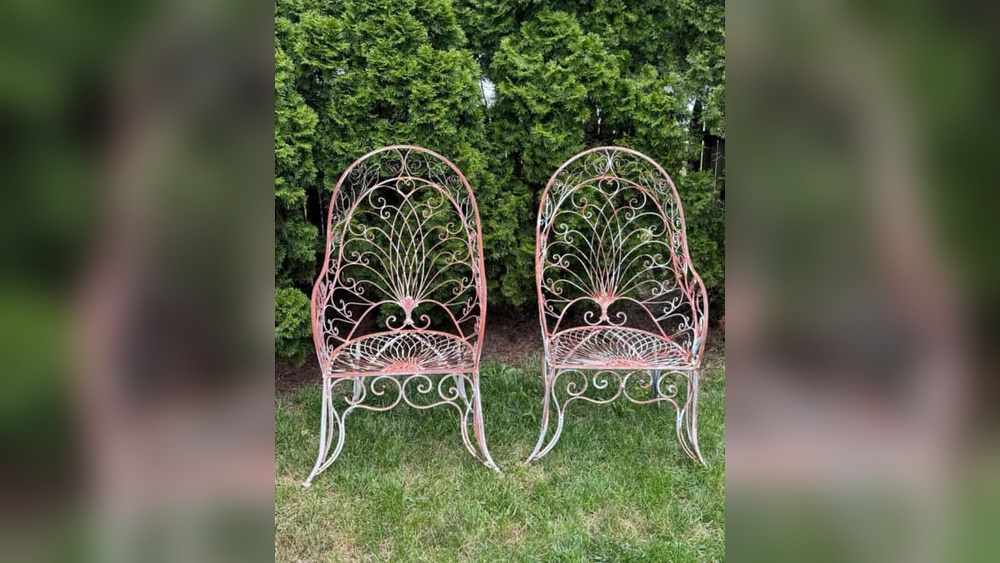
Your outdoor furniture cushions add comfort and style to your space. But have you ever dealt with cushions that blow away, get stained, or wear out too fast?
It can be frustrating and costly. What if you could keep your cushions safe, clean, and looking fresh all year long? This guide will show you simple, effective ways to secure your outdoor cushions so they stay right where you want them—ready for your next relaxing moment outside.
Keep reading to discover easy tips that protect your cushions and save you time and money.

Credit: www.hookandloop.com
Choosing The Right Cushion Material
Choosing the right cushion material is key to keeping outdoor furniture comfortable and durable. Cushions face sun, rain, and dirt every day. The right material protects cushions and makes cleaning easier. It also helps cushions last longer and stay fresh. Understanding fabric types, foam, and protection features helps pick the best cushions for your space.
Weather-resistant Fabrics
Weather-resistant fabrics repel water and prevent mold growth. They resist fading from sun exposure. Common types include polyester, acrylic, and olefin. These fabrics dry quickly and block moisture. They also resist stains and dirt, making cushions look new longer. Choose fabrics labeled as waterproof or water-resistant for best results.
Quick-drying Foam Options
Quick-drying foam keeps cushions from staying wet. It allows water to drain fast and air to circulate. This foam reduces mildew and bad smells. Open-cell foam and foam with drainage holes work well outdoors. Cushions with quick-drying foam dry faster after rain or cleaning. They add comfort without absorbing water.
Uv Protection Features
UV protection stops colors from fading in the sun. Fabrics with UV blockers last longer outside. They also protect your skin from harmful rays. Some cushions come with special coatings to resist UV damage. UV-protected materials keep cushions bright and strong. This feature is important in sunny areas.
:strip_icc()/outdoor-furniture-cushions-garden-7_2UIOQfqz_B84Z321IYNJ-d033609415914efca439de541423a108.jpg)
Credit: www.bhg.com
Proper Storage Techniques
Proper storage techniques help keep outdoor furniture cushions clean and dry. They stop damage from sun, rain, and dirt. Storing cushions correctly can make them last many seasons. This section explains easy ways to store cushions safely.
Using Storage Boxes And Bags
Use storage boxes made of plastic or waterproof material. These boxes protect cushions from moisture and bugs. Make sure boxes have lids that fit tightly. Cushions can also go in storage bags. Choose bags that breathe to avoid mold. Avoid plastic bags that trap moisture inside.
Ideal Storage Locations
Store cushions in cool, dry places. Avoid spots with direct sunlight or dampness. Basements and closets work well if they stay dry. Garages can be good but watch for humidity. Keep cushions off the floor to avoid dirt and pests.
Seasonal Storage Tips
Clean cushions before storing for the season. Make sure they are completely dry to stop mold growth. Stack cushions flat to save space. Check stored cushions every few weeks for damage. Rotate cushions to keep their shape and freshness.
Cleaning And Maintenance
Cleaning and maintenance keep outdoor furniture cushions fresh and last longer. Dirt, dust, and spills can damage cushions quickly. Regular care protects fabrics and keeps them comfortable. Simple steps make a big difference in preserving your cushions.
Regular Cleaning Routine
Brush off dirt and debris from cushions weekly. Use a vacuum with a soft brush to remove dust. Spot clean small stains right away. Wash cushion covers according to the label instructions. Air dry cushions completely before placing them back outside.
Removing Stains Effectively
Blot spills immediately to stop stains from setting. Use mild soap and warm water for most stains. Rub gently with a soft cloth or sponge. Avoid harsh chemicals that can damage fabric. For tough stains, try a mixture of baking soda and water. Rinse well and dry in the sun.
Preventing Mold And Mildew
Keep cushions dry to avoid mold growth. Store cushions indoors during heavy rain or winter. Use waterproof covers when cushions stay outside. Clean cushions regularly to remove mold spores. Sunlight helps kill mold and mildew naturally. Check cushions often and treat any mold spots quickly.
Protective Covers And Accessories
Protective covers and accessories play a key role in keeping outdoor furniture cushions safe. They guard cushions from dirt, rain, sun, and wind. Using the right covers can extend the life of your cushions and keep them looking fresh. Accessories like straps and clips help keep covers in place during strong winds.
Choosing Durable Covers
Select covers made from tough materials. Look for fabrics like polyester or heavy-duty canvas. These materials resist tears and wear. Choose covers with reinforced seams for extra strength. Durable covers stand up to rough weather and frequent use.
Waterproof And Breathable Options
Waterproof covers stop rain from soaking cushions. They prevent mold and mildew. Breathable fabrics allow air to flow. This stops moisture from building under the cover. Covers that are both waterproof and breathable protect cushions best.
Securing Covers Against Wind
Wind can blow covers off cushions easily. Use covers with built-in straps or elastic edges. Tie-down clips and buckles add extra security. Weighted hems also help keep covers in place. Secure covers protect cushions during windy days.
Placement Strategies To Minimize Damage
Placing outdoor furniture cushions correctly helps protect them from damage. Smart placement reduces fading, moisture, and wear. These simple steps keep cushions looking new longer.
Shaded Vs. Sunny Areas
Placing cushions in shaded areas prevents sun damage. Direct sunlight can fade colors and weaken fabric. Shade also keeps cushions cooler and less dry. Avoid long exposure to bright sun for better cushion life.
Elevating Cushions Off The Ground
Keep cushions off the ground to avoid dirt and moisture. Use racks or shelves to store cushions when not in use. Elevation helps air circulate, preventing mold and mildew. It also reduces contact with insects and pests.
Avoiding High-traffic Spots
Place cushions away from paths and busy areas. High-traffic spots cause more dirt and wear. Moving cushions less often lowers chances of tears or stains. Choose quiet corners to keep cushions safe and clean.
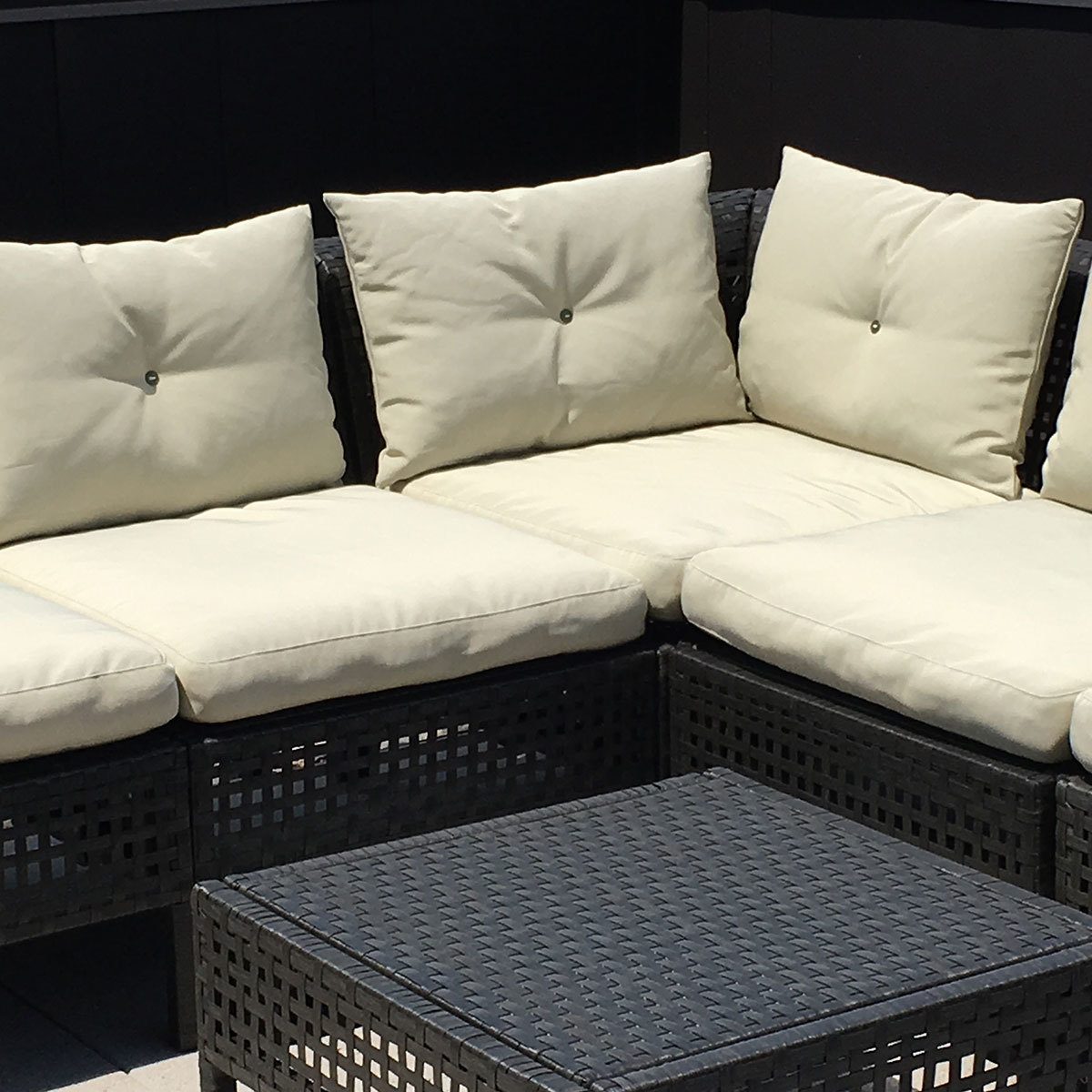
Credit: www.familyhandyman.com
Frequently Asked Questions
How Can I Protect Outdoor Cushions From Rain?
Use waterproof covers or store cushions indoors during rain. Apply fabric protector sprays to repel water and prevent mold growth.
What Is The Best Way To Clean Outdoor Cushions?
Regularly vacuum and spot clean with mild soap and water. For deep cleaning, use a fabric-safe cleaner and let cushions dry fully.
How Do I Prevent Mold On Outdoor Cushions?
Keep cushions dry and store them in well-ventilated areas. Use mold-resistant sprays and clean cushions promptly if mold appears.
Can I Use Cushion Storage Bags Outdoors?
Yes, use breathable, waterproof storage bags to protect cushions from moisture and dirt. Avoid plastic bags that trap moisture and cause mildew.
Conclusion
Securing outdoor furniture cushions protects them from wind and rain. Use ties, straps, or weights to keep cushions in place. Store cushions indoors during bad weather to extend their life. Clean cushions regularly to prevent mold and dirt buildup. Small efforts keep your cushions looking fresh and last longer.
Enjoy your outdoor space without worrying about damaged cushions. Taking these simple steps saves money and time on replacements. Keep cushions safe, and your outdoor area stays inviting all year.