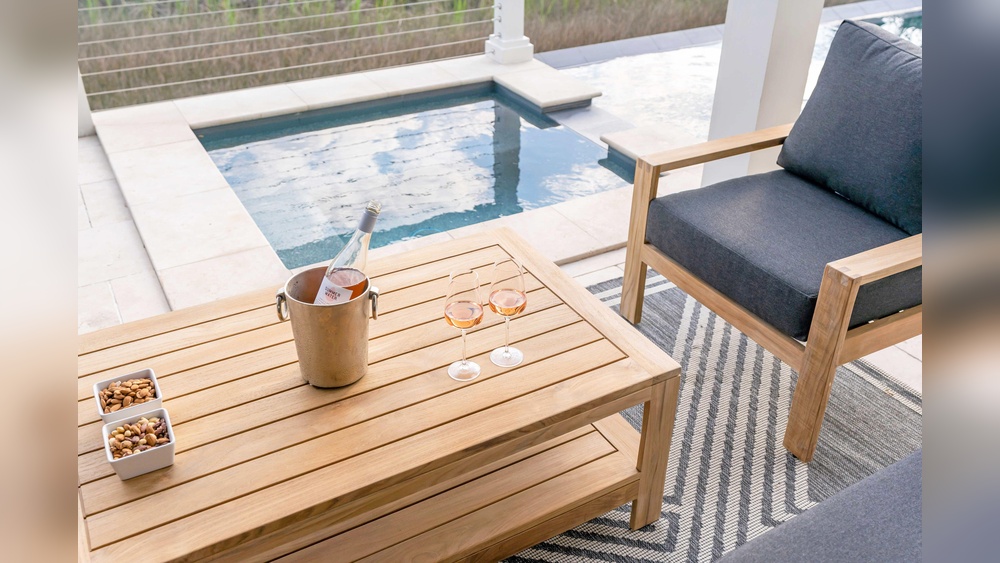
Are you ready to give your outdoor furniture a fresh, custom look? Sewing your own box cushions is easier than you think, and it lets you choose the perfect fabric and fit for your space.
Imagine relaxing on cushions that you made yourself—comfortable, stylish, and made just for your patio or garden. In this guide, you’ll discover simple steps to create durable, beautiful box cushions that will transform your outdoor area. Keep reading, and you’ll soon have the skills to craft cushions that are as unique as your home.
Materials Needed
Gathering the right materials makes sewing box cushions easier. Having good tools and supplies helps create strong, lasting cushions. Choose fabrics and tools made for outdoor use. This ensures cushions resist weather and stay comfortable. Understanding what materials are needed saves time and frustration.
Fabric Selection
Pick fabric designed for outdoor furniture. Look for materials that resist water and sun damage. Acrylic and polyester fabrics work well outdoors. Choose thick fabrics that feel sturdy and last long. Bright colors and patterns add style to your cushions.
Thread And Needles
Use strong, weather-resistant thread. Polyester or nylon thread holds up well outside. Choose heavy-duty needles for thick fabric layers. Needles size 90/14 or 100/16 suit outdoor fabric. Proper thread and needles prevent broken stitches and wear.
Tools And Accessories
Gather essential sewing tools before you start. Sharp fabric scissors help cut clean edges. Pins or clips hold fabric pieces in place. A sewing machine with adjustable settings works best. Consider a measuring tape and fabric chalk for accuracy.
Measuring Your Cushions
Measuring your cushions is the first step to sewing perfect box cushions for outdoor furniture. Accurate measurements ensure the cushion fits well and looks neat. Take your time to measure each side carefully. This helps avoid mistakes and wasted fabric. Two key points to focus on are taking accurate dimensions and adding seam allowances.
Taking Accurate Dimensions
Start by measuring the length, width, and thickness of your cushion. Use a flexible tape measure for best results. Measure the cushion at its widest points. Write down each number clearly. Measure twice to be sure. Accuracy here affects how your cushion will fit. Check if the cushion has rounded edges and note this. These details matter when cutting your fabric pieces.
Adding Seam Allowances
Seam allowance is the extra fabric added for sewing seams. Add at least half an inch to each side of your measurements. This space lets you sew the pieces together without making the cushion too small. Mark the seam allowance on your fabric before cutting. Without this, your cushion cover may be tight or misshapen. Consistent seam allowances keep the cushion shape clean and strong.
Cutting The Fabric
Cutting the fabric is the first real step to sewing box cushions for outdoor furniture. It sets the foundation for neat, well-fitting cushions. Careful cutting ensures that all pieces fit together properly without gaps or wrinkles.
Using the right fabric and tools makes cutting easier and more accurate. Measure twice, cut once. This old saying is true for sewing projects. Taking time now saves headaches later.
Marking The Pieces
Start by laying your fabric flat on a clean surface. Use a ruler and fabric chalk to mark each piece. Mark the length and width according to your cushion dimensions. Include extra fabric for seams, usually about one inch on all sides.
Label each piece clearly. This helps avoid confusion during sewing. Mark edges and corners carefully to keep shapes precise. Use straight lines for all marks to guide your cutting.
Tips For Precise Cutting
Use sharp fabric scissors for clean cuts. Dull scissors can fray the fabric edges. Cut slowly and follow your marked lines closely. Keep the fabric steady with one hand while cutting with the other.
Cut one piece at a time to avoid mistakes. For multiple pieces, stack fabric layers evenly before cutting. Pin layers together to prevent slipping. Check your scissors often and sharpen if needed.

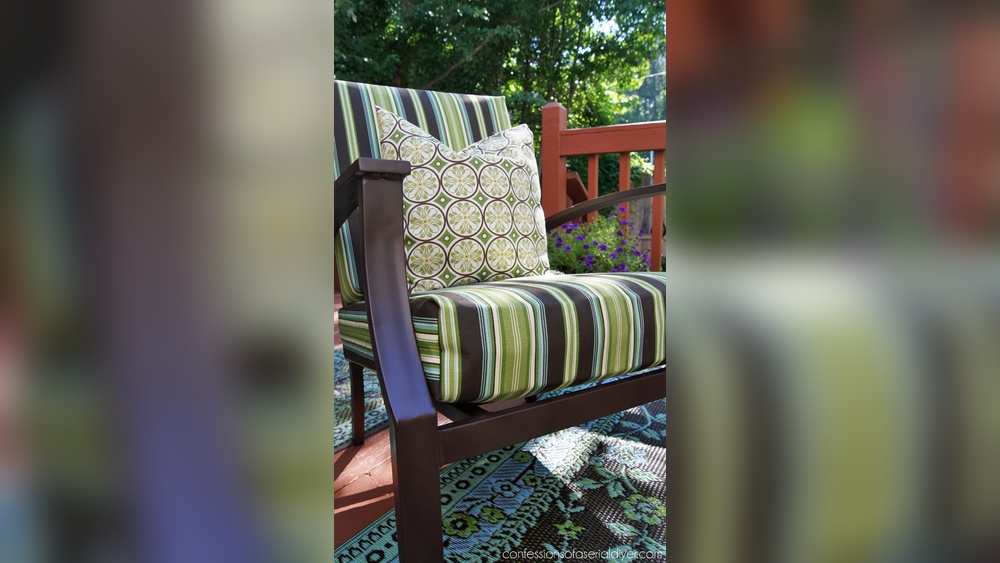
Credit: www.confessionsofaserialdiyer.com
Sewing The Cushion Panels
Sewing the cushion panels is a key step in making box cushions for outdoor furniture. It shapes the fabric into a sturdy, neat cover. Each panel must fit perfectly to hold the foam inside well.
Start by cutting all fabric pieces according to your cushion size. Usually, this includes the top, bottom, and side panels. Precise cutting helps the pieces join smoothly.
Joining The Sides
Place two side panels right sides together. Pin the edges to keep them in place. Use a straight stitch to sew along the pinned edge. Keep a consistent seam allowance, about half an inch.
Repeat this for all side panels. This step forms the long edges of the box cushion. Press the seams open with an iron. This creates a flat, clean finish.
Creating The Box Shape
Now attach the side panels to the top panel. Pin the edges, matching corners carefully. Sew around the edges with a straight stitch. Leave one side open for inserting the cushion foam.
Next, attach the bottom panel the same way. Sew all around, except for the opening side. This forms the box shape of the cushion cover.
Trim excess fabric at the corners to reduce bulk. Turn the cover right side out through the opening. The box shape should hold its form well.
Adding Zippers Or Closures
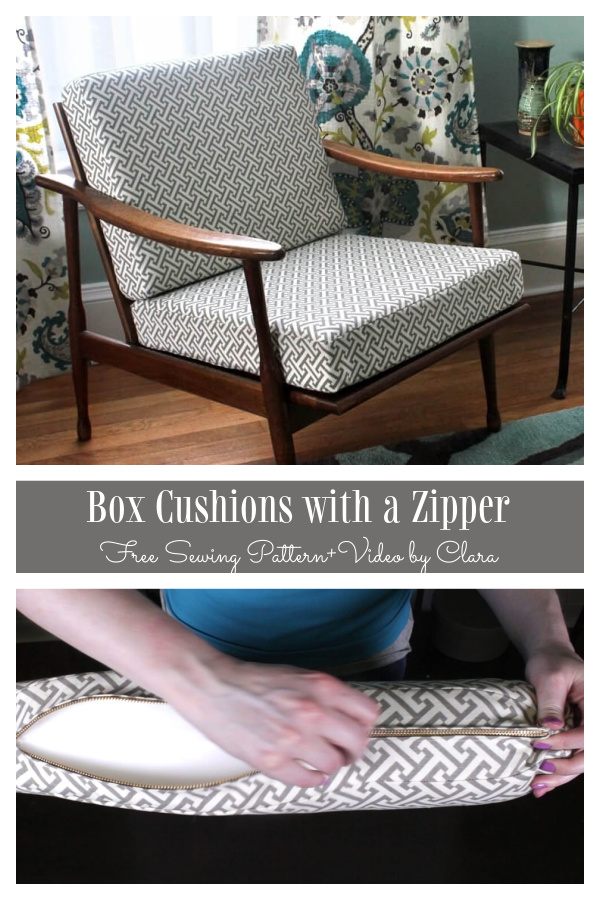
Adding zippers or closures to your box cushions makes them easy to remove and clean. It also helps keep the cushion filling in place. Choosing the right closure is important for durability and style. Attaching the zipper correctly ensures a neat and functional finish.
Choosing The Right Closure
Pick a zipper made for outdoor use. Look for zippers that resist rust and water. Nylon or plastic zippers work well. They last longer in outdoor conditions. Choose a zipper length that fits your cushion size. Consider the color to match or contrast your fabric. Other closures like Velcro or snaps may not hold up well outside.
Attaching The Zipper
Start by pinning the zipper to the cushion fabric. Place the zipper teeth facing the fabric edge. Use a zipper foot on your sewing machine for precision. Sew slowly and keep stitches straight. Backstitch at the start and end to secure. Test the zipper by opening and closing it fully. Make sure the fabric does not catch in the zipper. Trim any loose threads for a clean look.
Credit: fabricartdiy.com
Finishing Touches
The finishing touches make your box cushions look neat and last longer. Small details improve both the style and strength of your cushions. Take time to do these steps carefully.
Trimming And Pressing Seams
Trim seam allowances to reduce bulk inside the cushion cover. Cut close to the stitching but avoid cutting the thread. This keeps seams smooth and tidy.
Press seams flat using a hot iron. Pressing helps the fabric lay nicely. It also prepares seams for final assembly.
Inserting The Cushion Foam
Choose foam that fits snugly inside your cushion cover. A tight fit keeps the cushion firm and comfortable. Slide the foam gently into the cover through the opening.
Adjust the foam so corners fill the cover evenly. Smooth out any wrinkles or folds in the fabric. This step gives your cushions a clean, polished look.
Waterproofing And Care
Keeping your box cushions dry and clean is key for outdoor use. Waterproofing protects cushions from rain and spills. Proper care helps cushions last longer and stay fresh. This section covers simple ways to protect and maintain your outdoor cushions.
Using Outdoor Fabric Protectors
Outdoor fabric protectors create a water-resistant layer on cushion covers. Spray the protector evenly on clean, dry fabric. Let it dry fully before using cushions outside. Reapply every few months to keep protection strong. These protectors also help resist stains and mildew.
Cleaning And Maintenance Tips
Brush off dirt and dust regularly. Spot clean stains with mild soap and water. Avoid harsh chemicals that can damage fabric. Let cushions air dry completely before storing. Store cushions in a dry place when not in use. Use cushion covers to reduce dirt buildup. Check for mold or mildew and clean immediately.

Credit: noelleodesigns.com
Frequently Asked Questions
What Fabric Is Best For Outdoor Box Cushions?
Outdoor cushions need water-resistant, UV-resistant fabrics like Sunbrella. These materials resist fading, mildew, and moisture, ensuring durability and comfort.
How Do I Measure Cushions For Outdoor Furniture?
Measure the width, depth, and thickness of your furniture seating area. Add extra inches for seam allowance and cushion fullness for a perfect fit.
What Type Of Foam Is Ideal For Outdoor Cushions?
Use high-density, quick-drying foam designed for outdoor use. This foam resists mold and retains shape despite exposure to moisture.
How Should I Sew Seams For Outdoor Cushions?
Use strong, weather-resistant thread and double stitch seams. This ensures durability and prevents seams from unraveling in outdoor conditions.
Conclusion
Sewing box cushions for outdoor furniture is easier than it seems. With the right fabric and tools, you can create comfortable cushions that last. Take your time measuring and cutting carefully. Stitch slowly for strong seams that hold up outdoors.
Enjoy customizing colors and patterns to fit your space. Handmade cushions add style and comfort to your patio. Give your outdoor furniture a fresh look without spending much. Try this simple project and feel proud of your work. Your garden or porch will thank you with cozy seating.