Are you tired of finding your outdoor furniture smelling like a litter box? If cats keep peeing on your favorite patio chairs and tables, you’re not alone—and there’s a solution.
Imagine enjoying your outdoor space without worrying about unpleasant smells or stains. You’ll discover simple, effective ways to stop cats from marking your furniture. Keep reading to protect your outdoor area and bring back the comfort you deserve.

Credit: www.reddit.com
Reasons Cats Pee On Outdoor Furniture
Cats peeing on outdoor furniture is a common problem for many pet owners. Understanding why cats do this helps to stop it. Cats use urine to send messages to other animals. Sometimes, it shows they feel unsafe or stressed. Other times, health issues cause this behavior. Knowing these reasons helps you find the right solution.
Territorial Marking
Cats mark their territory by peeing on objects. Outdoor furniture is a clear spot for their scent. This tells other cats to stay away. Marking helps cats feel secure in their space. It is common in multi-cat homes or neighborhoods with stray cats. The smell signals ownership and keeps rivals at bay.
Stress And Anxiety
Stress can cause cats to pee outside their litter box. Changes in routine or new animals increase anxiety. Outdoor furniture may seem like a safe place to express discomfort. Cats feel calmer by leaving their scent on familiar items. Stress-related peeing needs patience and gentle care to fix.
Health Issues
Medical problems often lead cats to pee in strange places. Urinary tract infections cause pain and urgency. Kidney or bladder issues also affect bathroom habits. Outdoor furniture may be an easy spot to relieve discomfort. Seeing a vet is important to rule out or treat illnesses.

Credit: www.polywood.com
Preventive Measures To Keep Cats Away
Stopping cats from peeing on outdoor furniture needs smart steps. Preventive measures keep your space clean and fresh. They help avoid damage and bad smells. Using simple methods can keep cats away safely and kindly.
Use Repellents Safely
Choose natural repellents like citrus or vinegar scents. Cats dislike these smells and stay away. Spray repellents on furniture edges, not directly on fabric. Test on a small area first to avoid damage. Avoid strong chemicals that can harm pets or plants. Repeat application after rain or watering to keep effects strong.
Install Physical Barriers
Barriers stop cats from reaching furniture easily. Use mesh covers or plastic spikes around furniture legs. Place garden fencing or netting nearby to block access. Barriers need to be safe and not hurt animals. Change barrier positions often to keep cats confused. Simple fences also protect your garden and outdoor areas.
Maintain Cleanliness
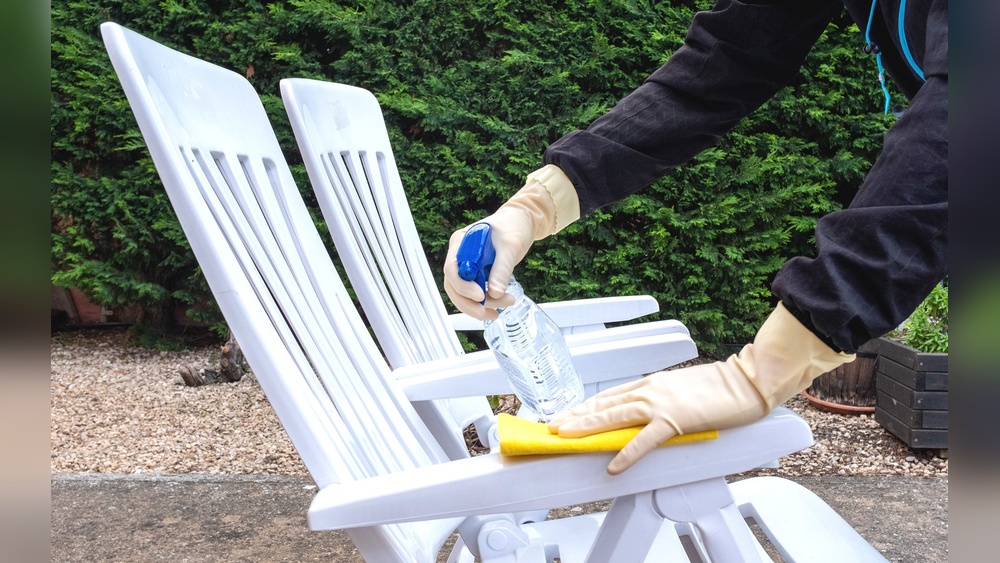
Clean furniture regularly to remove any scent marks. Use mild soap and water for washing. Avoid strong-smelling cleaners that attract cats. Remove dirt and food scraps from nearby areas. Keep trash bins closed and away from furniture. Clean areas where cats have peed before to stop repeat visits.
Natural Remedies To Deter Cats
Natural remedies offer a gentle way to keep cats away from your outdoor furniture. These methods use smells and plants cats dislike. You can try them safely without hurting animals or the environment. Simple ingredients around your home can help protect your space.
Citrus Scents
Cats dislike the smell of citrus fruits like oranges, lemons, and limes. Place peels or cotton balls soaked in citrus juice near your furniture. The strong scent keeps cats at a distance. Refresh the peels or juice often for the best effect.
Vinegar Solutions
Vinegar has a sharp smell that cats avoid. Mix equal parts water and white vinegar in a spray bottle. Spray this solution on outdoor furniture and nearby areas. Avoid spraying directly on fabrics to prevent damage. The scent fades quickly, so reapply every few days.
Herbal Deterrents
Some herbs like lavender, rosemary, and rue repel cats naturally. Plant these around your outdoor seating or place pots near furniture. The strong herbal aroma discourages cats from coming close. These plants also add beauty and fragrance to your garden.
Training Techniques For Cats
Training cats to stop peeing on outdoor furniture takes patience and smart methods. Cats learn best through clear signals and consistent routines. Using training techniques helps guide their behavior and keeps your furniture safe. Focus on positive actions and gentle corrections. This section covers three key methods to train your cat effectively.
Positive Reinforcement
Reward your cat when it uses the right places to pee. Use treats, petting, or kind words. This encourages good behavior by showing what you want. Avoid punishment, which can confuse or scare your cat. Consistent rewards make your cat repeat the desired actions. Over time, your cat will understand where it should go.
Redirecting Behavior
Watch for signs your cat wants to pee outdoors. Gently move your cat away from the furniture. Guide it to a designated spot, like a litter box or garden area. Offer praise when your cat uses the correct place. Redirecting helps replace bad habits with good ones. It also keeps your cat calm and stress-free.
Using Deterrent Devices
Deterrent devices can protect your furniture without harming your cat. Use safe mats or sprays that cats dislike. Place these on or around the furniture. These tools discourage cats from peeing in unwanted spots. Combine deterrents with training for best results. Change the setup if your cat adapts to the device.
When To Consult A Veterinarian
Sometimes, cats urinate on outdoor furniture due to health or behavior issues. Knowing when to consult a veterinarian helps solve this problem faster. Early action can prevent damage and stress for both you and your cat.
Identifying Medical Problems
Cats often pee outside the litter box if they feel pain. Urinary tract infections cause discomfort and frequent urination. Kidney problems or bladder stones can also lead to accidents. A vet can run tests to find these issues. Treating medical problems stops unwanted urination quickly.
Behavioral Therapy Options
Stress or anxiety may make cats urinate on furniture. Changes at home or new pets can cause this behavior. Vets can suggest therapy to reduce anxiety. They may recommend calming products or changes in routine. Behavioral therapy helps cats feel safe and avoid marking furniture.

Credit: jardina.com
Frequently Asked Questions
Why Do Cats Pee On Outdoor Furniture?
Cats pee on outdoor furniture to mark their territory. It can also be due to stress, illness, or lack of a clean litter box. Identifying the cause helps in effectively stopping this behavior.
How Can I Deter Cats From Peeing Outside?
Use natural repellents like citrus peels or vinegar near furniture. Motion-activated sprinklers or ultrasonic devices also discourage cats. Regularly cleaning the area removes scent markers, preventing repeat visits.
What Cleaning Methods Remove Cat Urine Smell?
Use enzymatic cleaners specifically designed for pet urine. Avoid ammonia-based cleaners as they mimic urine scent. Thorough cleaning removes odors and discourages cats from returning to the spot.
Can Outdoor Furniture Be Protected From Cat Urine?
Yes, cover furniture with waterproof covers or plastic sheeting. Applying pet-safe repellents on surfaces also helps. Creating alternative designated spots for cats can reduce furniture marking.
Conclusion
Stopping cats from peeing on outdoor furniture takes patience and effort. Use safe sprays or citrus scents to keep cats away. Cover furniture with plastic or use barriers to block access. Clean any spots quickly to avoid repeat marking. Try planting herbs cats dislike, like lavender or rosemary.
Small steps add up to big changes over time. Your outdoor space can stay clean and fresh. Keep trying different methods until you find what works best. A calm, consistent approach helps protect your furniture easily.