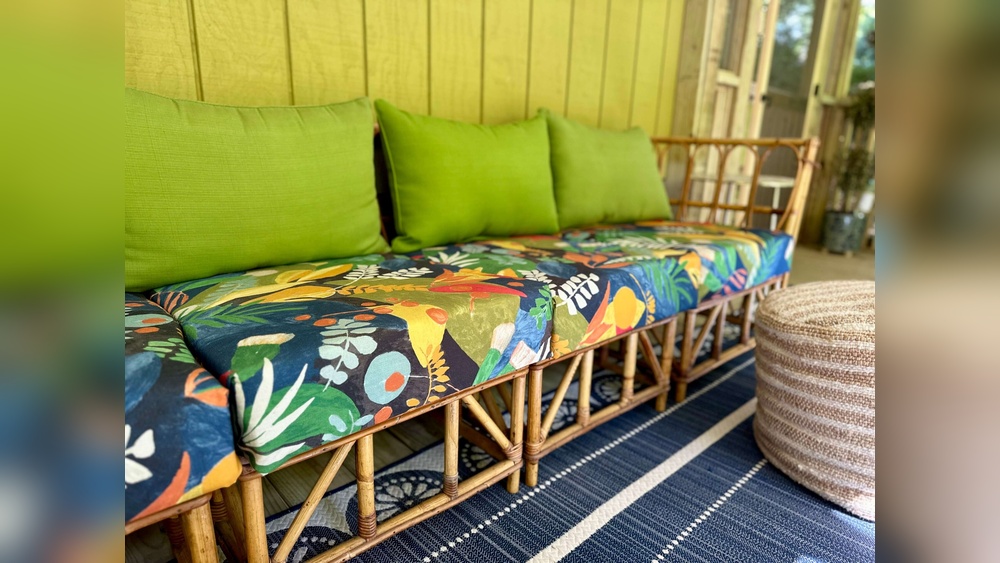
Is your outdoor furniture looking more like a chew toy for your dog? It can be frustrating to see your favorite chairs and tables get ruined.
But don’t worry—you’re not alone, and there are simple ways to stop this behavior. Imagine enjoying your backyard without constantly worrying about your dog’s teeth marks. You’ll discover effective tips that protect your furniture and keep your dog happy. Ready to reclaim your outdoor space?
Let’s dive in!
Reasons Dogs Chew Outdoor Furniture
Dogs chewing outdoor furniture is a common problem many owners face. Understanding why dogs chew helps stop this behavior. Dogs chew for different reasons. Each reason needs a different approach. Knowing what makes your dog chew is the first step to protect your furniture.
Teething And Puppies
Puppies chew because their teeth hurt. Teething is a natural process for puppies. Chewing helps ease the pain in their gums. Young dogs explore the world with their mouths. Outdoor furniture feels good to chew for teething puppies.
Boredom And Anxiety
Dogs that feel bored or anxious often chew. Chewing can calm them down. Lack of exercise or attention causes boredom. Anxiety might come from loud noises or being alone. Outdoor furniture is an easy target for their chewing habit.
Attention-seeking Behavior
Some dogs chew to get attention from owners. They learn chewing makes owners react quickly. Even negative attention can be rewarding for dogs. Chewing outdoor furniture becomes a way to get noticed. Dogs want to feel important to their family.
Exploring With Mouth
Dogs use their mouths to explore things around them. New smells and textures attract their interest. Outdoor furniture offers many new things to discover. Chewing is part of how dogs learn about their world. This natural curiosity can lead to furniture damage.

Credit: naturegnaws.com
Signs Your Dog Is Chewing Furniture
Dogs chewing outdoor furniture can be frustrating for pet owners. Early signs help catch the problem fast. Knowing these signs saves your furniture and keeps your dog safe. Watch for changes in your dog and damage to your furniture.
Visible Damage Patterns
Chewed edges and scratches show where your dog has been. Look for missing pieces of wood or fabric. Teeth marks and bite holes are clear clues. Damage often appears on corners and legs of furniture. Check cushions and pillows for torn fabric too.
Behavioral Clues
Your dog may act restless or bored near the furniture. Watch for sniffing and licking the area often. Barking or whining can happen before chewing. Some dogs hide and chew when alone. Notice if your dog runs to furniture after coming outside.
Checking For Stress Indicators
Chewing can be a sign of stress or anxiety. Look for pacing, panting, or drooling more than usual. A dog that chews may seem nervous or unsettled. Changes in eating or sleeping habits matter too. Stress can make chewing worse if not addressed.
Preventive Measures For Outdoor Furniture
Preventing dogs from chewing outdoor furniture saves money and keeps your space neat. Taking steps early protects your furniture from damage. Simple changes make a big difference.
Choosing Durable Materials
Select furniture made from tough materials like metal or hard plastic. These resist chewing better than wood or soft plastics. Durable furniture lasts longer and withstands dog bites. It reduces the chance of damage and costly repairs.
Using Furniture Covers
Use covers designed for outdoor furniture to protect surfaces. Covers create a barrier between your dog and the furniture. They stop chewing marks and stains. Choose waterproof covers that are easy to clean and remove.
Keeping Furniture Out Of Reach
Place furniture where your dog cannot easily reach it. Use fences or barriers to block access if needed. Moving furniture away from play areas limits chewing chances. This simple step helps protect your outdoor items effectively.
Training Techniques To Stop Chewing
Training your dog to stop chewing outdoor furniture takes patience and clear methods. Teaching good habits helps protect your belongings and keeps your dog safe. Use simple, consistent training techniques to change chewing behavior.
Positive Reinforcement
Reward your dog when they avoid chewing furniture. Use treats, praise, or pets to show approval. This helps your dog learn what behavior is good. Catch them doing the right thing and reward immediately. Positive reinforcement builds trust and encourages good habits.
Redirecting With Toys
Give your dog toys to chew instead of furniture. Choose strong, safe chew toys. When your dog starts chewing furniture, gently move them to a toy. Praise your dog when they chew the toy. Redirection teaches your dog what is okay to chew.
Consistent Commands And Boundaries
Use clear commands like “No” or “Leave it” every time your dog chews furniture. Stay calm and firm when giving commands. Make sure all family members use the same words and rules. Consistency helps your dog understand limits. Set boundaries to protect your outdoor furniture.
Using Deterrents Safely
Using deterrents safely helps protect your outdoor furniture and keeps your dog safe. Some deterrents can irritate your pet or damage furniture if used incorrectly. Choose gentle options and follow instructions carefully. Watch your dog’s reaction to ensure the deterrent works without harm.
Bitter Sprays And Natural Repellents
Bitter sprays taste unpleasant to dogs. Apply these sprays on furniture surfaces your dog chews. Natural repellents like citrus or vinegar also discourage chewing. These options are safe and easy to use. Reapply after rain or cleaning for best results.
Motion-activated Devices
Motion-activated devices startle dogs without touching them. Some use sounds, others spray water. These devices teach dogs to avoid furniture quietly. Place devices near problem areas for better effect. Ensure the device does not scare your dog too much.
Avoiding Harmful Chemicals
Some chemicals in sprays can harm dogs or furniture. Avoid products with toxic ingredients like pesticides or strong solvents. Read labels carefully before buying deterrents. Use pet-safe and eco-friendly products only. Safety comes first for your pet and home.

Credit: supertails.com
Increasing Mental And Physical Exercise
Dogs chew outdoor furniture out of boredom or excess energy. Increasing their mental and physical exercise helps reduce this behavior. Exercise keeps dogs busy and tired. A tired dog is less likely to chew on things they should not. Mental challenges also keep their minds sharp and distracted from destructive habits.
Daily Walks And Playtime
Regular walks give dogs fresh air and exercise. Walking helps burn off extra energy. Playtime with fetch or tug toys also tires dogs. These activities build a strong bond between you and your dog. A well-exercised dog feels calm and relaxed at home.
Interactive Toys And Puzzles
Toys that challenge your dog’s brain reduce boredom. Puzzle feeders make dogs work for their food. Chewing on safe toys satisfies their natural urge. Interactive toys keep dogs busy for longer periods. This mental workout helps lower the chance of chewing furniture.
Socialization Opportunities
Meeting other dogs provides mental and physical stimulation. Social play helps dogs learn good behavior. Trips to dog parks or playdates offer new experiences. Social dogs are less likely to act out from loneliness. Positive social interactions improve their overall happiness.
When To Seek Professional Help
Knowing when to seek professional help can save your outdoor furniture and reduce your stress. Some chewing problems need expert advice and support. Early action can prevent damage and keep your dog happy and healthy.
Persistent Chewing Issues
Persistent chewing means your dog keeps biting furniture despite your efforts. This can signal boredom, anxiety, or health problems. If chewing lasts more than a few weeks, it is time to get help. Experts can find the root cause and offer solutions.
Consulting A Veterinarian
A veterinarian can check your dog for health issues that cause chewing. Pain, dental problems, or nutritional deficiencies may be the cause. Your vet can also suggest safe products to protect your furniture. Regular health checks help keep your dog comfortable and calm.
Hiring A Dog Trainer
A dog trainer teaches your dog good behavior and stops chewing. Trainers use positive methods to change habits and reduce stress. They can also help with training plans for your outdoor space. Trainers give you tools to manage your dog’s energy and focus.
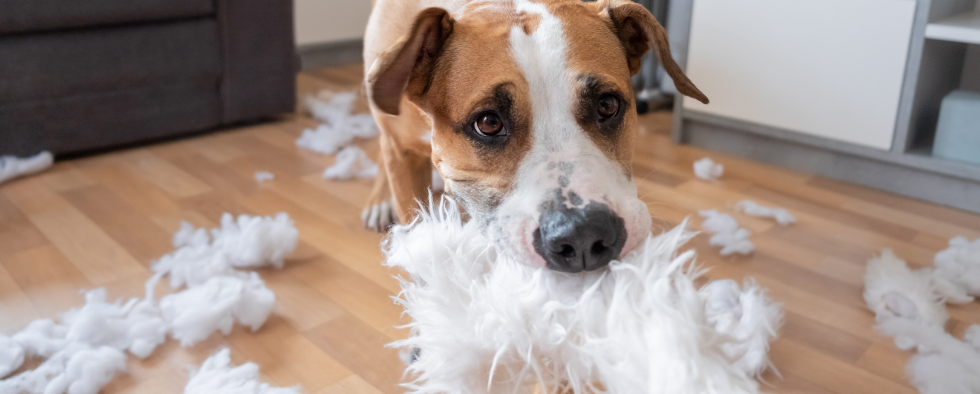
Credit: www.lordsandlabradors.co.uk
Frequently Asked Questions
How Can I Stop My Dog From Chewing Outdoor Furniture?
Provide plenty of chew toys to distract your dog. Use pet-safe deterrent sprays on furniture. Ensure regular exercise to reduce boredom, which causes chewing.
Why Do Dogs Chew Outdoor Furniture?
Dogs chew outdoor furniture out of boredom, anxiety, or teething. They also seek attention or relief from discomfort.
What Are Safe Deterrents For Dog Chewing?
Use bitter apple spray or citrus-based sprays. These are safe, non-toxic, and unpleasant for dogs to taste.
How Does Exercise Reduce Chewing Behavior?
Exercise releases pent-up energy and reduces anxiety. A tired dog is less likely to chew destructively.
Conclusion
Stopping dogs from chewing outdoor furniture takes patience and care. Use safe sprays or covers to protect your items. Give your dog plenty of toys to keep it busy. Teach your dog what is okay to chew and what is not.
Keep your outdoor space fun and interesting for your pet. With time and effort, your furniture will stay safe. Your dog will learn good habits too. Small changes can make a big difference. Keep trying, and enjoy a peaceful outdoor space.