Are your books scattered or crammed on your shelves? How you store your books can make a huge difference—not just in how your space looks, but in how easy it is to find and enjoy your favorite reads.
Imagine opening your bookshelf and instantly spotting the book you want, or feeling proud of a neat, organized display that sparks joy every time you see it. You’ll discover simple, effective ways to store your books that protect them and showcase your collection beautifully.
Ready to transform your bookshelf into a functional and stylish haven for your books? Let’s dive in.
Choosing The Right Bookshelf
Choosing the right bookshelf is key to organizing your books well. The right shelf keeps books safe and easy to find. It fits your space and matches your home style. Think about what you need before buying. Consider the material, size, and design. These factors help you pick a shelf that lasts and looks good.
Material And Durability
Bookshelves come in many materials. Wood shelves are strong and last long. Metal shelves resist damage and hold heavy books. Plastic shelves are light and cheap but less durable. Choose a material that suits your book collection and room use. A sturdy shelf prevents books from falling or getting damaged.
Size And Capacity
Measure your space before choosing a shelf. A large shelf holds many books but needs more room. Small shelves fit tight spaces but hold fewer books. Check shelf height and depth. Deep shelves hold big books easily. Pick a size that fits your collection and room size. Proper capacity avoids clutter and keeps books neat.
Style And Design
Bookshelves come in many styles and colors. Classic wood shelves add warmth and charm. Modern metal shelves give a clean, simple look. Open shelves show your books and decorations. Closed shelves protect books from dust. Match the shelf style to your room decor. A good design makes your space inviting and organized.
:max_bytes(150000):strip_icc()/bookswithruby-0ae652821d804a0599c41cd648be5b0a.jpg)
Credit: www.thespruce.com
Sorting Books Before Shelving
Sorting books before shelving helps keep your collection neat and easy to use. It saves time when finding a book. Organizing also protects books from damage. Simple sorting methods suit any bookshelf size or style.
By Genre Or Subject
Group books by topic for quick access. Keep fiction and nonfiction separate. Within fiction, sort by mystery, romance, or fantasy. For nonfiction, use subjects like history, science, or art. This method helps find books fast.
By Size And Format
Arrange books by height and thickness. Place taller books on one side. Smaller books fit well together. Keep paperbacks and hardcovers separate. This creates a clean, balanced look on shelves.
By Frequency Of Use
Put favorite books within easy reach. Place rarely used books on higher or lower shelves. Keep school or work books close by. This saves time and effort when grabbing books often.
Arranging Books Effectively
Arranging books on a bookshelf affects both appearance and ease of use. A well-organized shelf saves time and space. It also makes your collection look neat and inviting. Choose an arrangement style that fits your needs and space. Balance practicality with personal taste for best results.
Vertical Vs Horizontal Stacking
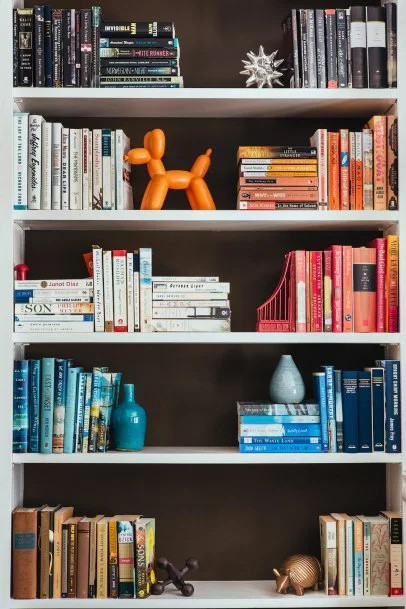
Vertical stacking means placing books upright, spine out. This method shows titles clearly and saves space. It keeps books easy to pull out and put back. Horizontal stacking means piling books flat, one on top of another. This style works well for large or heavy books. Mix both methods to create a dynamic look and use shelf space smartly.
Color Coding Techniques
Color coding arranges books by the color of their spines. It creates a bright, eye-catching display. Group similar colors together for smooth transitions. This method is fun and visually pleasing. It helps find books quickly if you remember colors. Use this technique in living rooms or creative spaces for style.
Alphabetical And Chronological Order
Alphabetical order sorts books by author’s last name or title. It works well for fiction and reference books. Chronological order places books by publication date or story timeline. This suits historical or series collections. Both methods make finding books simple and logical. Pick the system that fits your reading habits best.
Maximizing Space On Your Shelf
Maximizing space on your bookshelf helps keep your collection neat and accessible. It also makes your room look tidy and organized. You can use simple tricks to fit more books without clutter. These ideas improve the look and function of your shelf.
Using Bookends And Dividers
Bookends keep books upright and prevent them from falling. They create separate sections for different types or sizes of books. Dividers help organize books by category or author. Both tools save space by keeping books tightly packed. Choose sturdy bookends to support heavy books well.
Double Row Shelving
Double row shelving places books in two rows on one shelf. Put taller books in the back row and shorter ones in front. This method doubles the number of books you can store. It works best on deep shelves with enough room. You can still see book spines in the front row for easy access.
Incorporating Decorative Items
Add small decorative items between book groups. Items like plants, photos, or figurines break up long rows. They create visual interest and prevent the shelf from looking crowded. Use items that do not take too much space. This balance makes your bookshelf both useful and attractive.
Protecting Books From Damage
Protecting books from damage helps keep them in good shape for years. Books can get ruined by light, moisture, and dirt. Taking simple steps can stop this harm. Careful storage keeps pages bright and covers strong. This section shares easy ways to protect books on your shelf.
Avoiding Direct Sunlight
Sunlight fades book covers and weakens paper. Bright light causes colors to turn dull. Keep books out of windows and bright lamps. Use curtains or blinds to block strong rays. Place shelves in shaded or low-light areas. This preserves the look and feel of books.
Controlling Humidity And Temperature
High humidity makes pages stick and grow mold. Too dry air makes paper brittle and cracked. Keep room temperature steady, around 65-70°F (18-21°C). Use a dehumidifier in damp rooms. Avoid storing books in basements or attics. Good air flow helps keep books fresh and safe.
Cleaning And Maintenance Tips
Dust books and shelves often with a soft cloth. Avoid using water or cleaning sprays on books. Check books for signs of mold or pests. Keep food and drinks away from shelves. Handle books with clean, dry hands. These habits stop damage and keep books neat.

Credit: www.minto.com
Personalizing Your Bookshelf
Personalizing your bookshelf makes it more than just storage. It becomes a reflection of your style and interests. A well-personalized shelf invites you to explore books and enjoy your space. Small touches can add character and make your bookshelf unique. Here are simple ways to add personality to your shelf.
Adding Labels And Tags
Labels help organize books and make finding them easy. Use clear, simple tags for genres or authors. Color-coded labels add a fun and neat look. You can use sticky notes, printed tags, or small chalkboards. Labels save time and keep the shelf tidy.
Incorporating Personal Memorabilia
Mix books with personal items like photos or souvenirs. Small plants, candles, or artwork add warmth. Memorabilia brings memories and makes the shelf special. Place items carefully to avoid clutter. These touches show your personality and tell your story.
Creating Reading Zones
Divide your shelf into sections for different moods or topics. Have a zone for fiction, one for study books, and another for hobbies. Use baskets or boxes to separate zones. Reading zones help you focus and enjoy your books more. They also make your shelf look well-planned.
Credit: www.hgtv.com
Frequently Asked Questions
How Should I Organize Books On A Bookshelf?
Organize books by genre, author, or size for easy access. Use vertical and horizontal stacking to maximize space and create visual interest. Grouping similar books improves navigation and keeps your collection tidy.
What Is The Best Way To Prevent Book Damage?
Keep books away from direct sunlight and moisture. Use bookends to avoid leaning and warping. Dust regularly and store books upright to maintain their shape and condition over time.
How Can I Maximize Space On A Small Bookshelf?
Use vertical stacking and place smaller books on top of larger ones. Consider adjustable shelves and add decorative baskets for loose items. Declutter regularly to keep only essential books on display.
Should I Arrange Books By Color Or Size?
Arranging by color creates an attractive look, while size order improves stability. Combining both methods balances aesthetics and functionality. Choose based on your preference and bookshelf purpose.
Conclusion
Storing books well keeps them safe and easy to find. Arrange books by size, color, or topic to suit your style. Avoid overcrowding shelves to protect book spines. Use vertical and horizontal stacking for variety. Keep shelves clean and dry to prevent damage.
Simple care helps your collection last longer. Enjoy your organized bookshelf every day.
