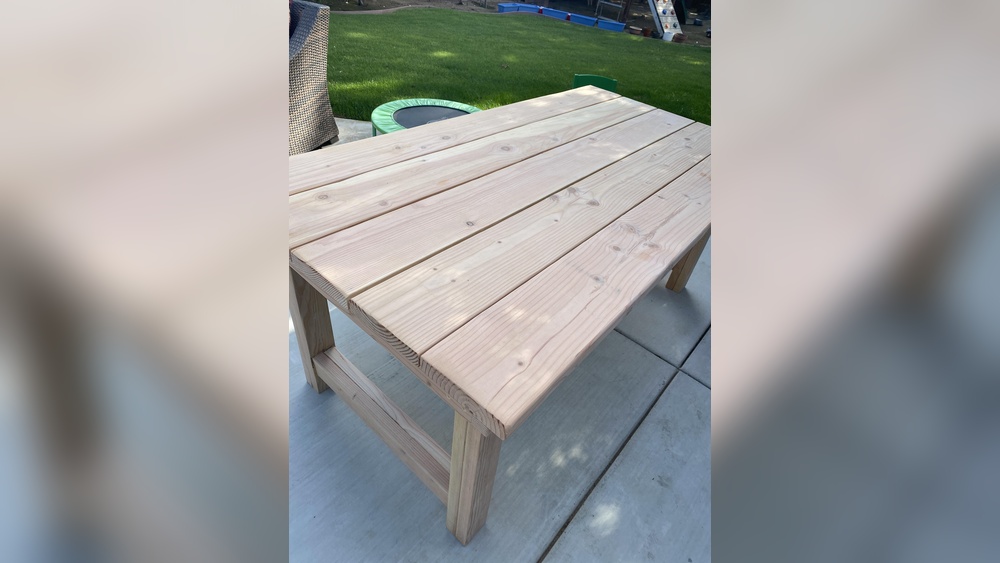
When winter arrives, your outdoor furniture faces tough challenges—from freezing temperatures to harsh winds and heavy snow. If you want to keep your favorite pieces looking great and lasting longer, wrapping them properly is key.
You might be wondering how to do it right without wasting time or money. This guide will walk you through simple, effective steps to protect your outdoor furniture all winter long. Keep reading, and you’ll learn exactly what you need to do to save your investment and enjoy your outdoor space again next season.
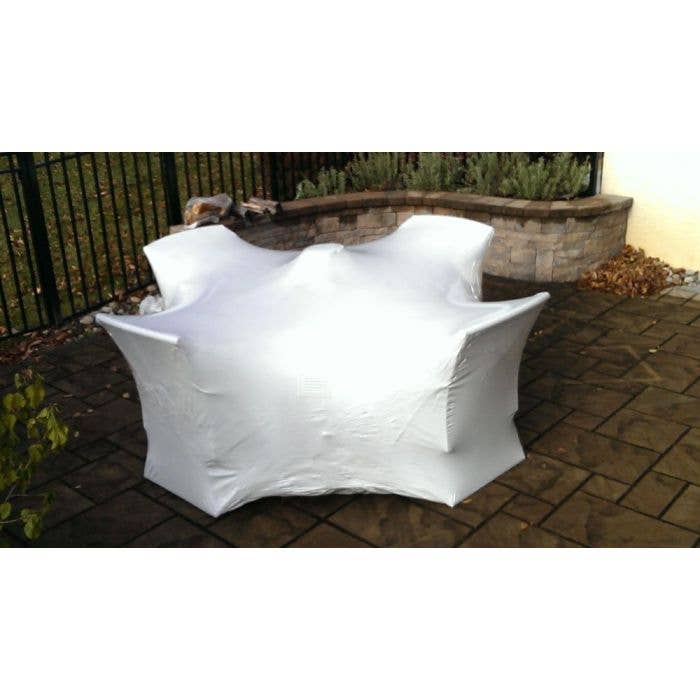
Credit: mrshrinkwrap.com
Choose The Right Materials
Choosing the right materials to wrap outdoor furniture for winter protects it from cold, rain, and snow. The right cover keeps moisture out and stops mold growth. It also prevents damage from wind and dust. Using proper materials extends your furniture’s life and keeps it looking good.
Types Of Covers
Outdoor furniture covers come in many types. Plastic covers are cheap but trap moisture. They can cause rust or mold. Fabric covers made from polyester or canvas are better. These covers last longer and protect well. Some covers have elastic edges to fit tightly. Choose a cover that fits your furniture size exactly.
Waterproof Vs Breathable
Waterproof covers keep rain and snow away. They stop water from soaking in. But some waterproof covers do not let air pass. This traps moisture inside. Breathable covers allow air to flow. They reduce condensation and mold risk. Pick a cover that is both waterproof and breathable. This balance protects furniture best in winter.
Additional Protective Layers
Add extra layers for more protection. Use furniture pads or blankets under the cover. These layers cushion and block cold air. They also stop scratches and dents. Make sure added layers are dry before covering. Wet layers can cause damage instead of protection. Extra padding works well for delicate furniture materials.
Prepare Furniture Before Wrapping
Preparing outdoor furniture before wrapping protects it through cold months. Dirt and moisture can cause damage if not removed first. Proper preparation helps covers fit better and last longer.
Taking time to clean, dry, and remove cushions improves winter protection. It prevents mold, rust, and fading. Follow these simple steps to get your furniture ready.
Clean Thoroughly
Start by removing dirt, leaves, and dust from all surfaces. Use a soft brush or cloth to clean gently. For stubborn grime, mix mild soap with water. Scrub carefully, avoiding harsh chemicals that can harm finishes. Rinse well with clean water to remove soap residue.
Dry Completely
After cleaning, let your furniture dry fully outside. Sunlight helps evaporate moisture quickly. Moisture trapped under covers causes mold and rust. Check every corner to ensure no damp spots remain. Dry furniture means better protection and longer life.
Remove Cushions And Accessories
Take off all cushions, pillows, and removable parts. These items can trap moisture and mildew. Store cushions in a dry, warm place indoors. Keep small pieces safe to avoid loss or damage. Wrapping only the furniture frame prevents unnecessary wear.
Wrapping Techniques
Wrapping outdoor furniture for winter protects it from snow, rain, and frost. Proper wrapping keeps your furniture dry and damage-free. Effective wrapping techniques ensure the cover stays tight and secure throughout the season.
Secure Fit Methods
Start by choosing a cover slightly larger than your furniture. Place the cover evenly over the furniture. Pull the edges down to cover all sides. Use elastic hems if your cover has them. Elastic hems help hold the cover tightly. For extra security, tuck the edges under the furniture legs or base. This prevents wind from lifting the cover. Make sure the cover fits snugly but not too tight. Tight wrapping avoids water and dirt buildup.
Using Straps And Ties
Straps and ties add extra security to your cover. Use adjustable straps or strong ropes around the furniture. Cross the straps under and over to hold the cover firmly. Buckles or clips make tightening easy. Place straps around the middle and bottom parts. Straps prevent the cover from blowing away. Check straps regularly and adjust if needed. Replace worn or damaged straps for best results.
Covering Hard-to-reach Areas
Pay attention to corners, legs, and cushions. These spots are vulnerable to moisture and dirt. Use smaller pieces of plastic or fabric to cover tight spaces. Secure these pieces with tape or ties. Wrap cushions individually if possible. For furniture with intricate designs, wrap in sections. Overlap covers to ensure full protection. This careful wrapping stops water from seeping in.

Credit: fj-outdoors.com
Storage Tips For Wrapped Furniture
Proper storage is key after wrapping your outdoor furniture for winter. It keeps your furniture safe and ready for next season. Follow these tips to protect your pieces from damage and moisture. A good storage setup extends the life of your furniture.
Choosing A Storage Location
Select a spot that is dry and shielded from wind. Avoid places with direct sunlight to prevent fading. A garage, shed, or covered porch works well. Make sure the area has good air flow to reduce dampness.
Elevating Furniture Off The Ground
Keep furniture off cold, wet floors to stop moisture damage. Use wooden pallets or blocks to lift it a few inches. This helps air circulate below and keeps legs from rotting. Elevation also makes cleaning easier before storing.
Avoiding Moisture Buildup
Wrap furniture tightly but allow some air to flow inside. Use breathable covers to stop mold and mildew. Check the furniture often for trapped moisture. Place moisture absorbers nearby to keep the space dry.
Maintenance During Winter
Winter can be tough on outdoor furniture. Wrapping your furniture is just the first step. Regular care during winter keeps your furniture safe and lasts longer. Small actions can prevent big damage.
Regular Inspections
Check your furniture every two weeks. Look for tears or holes in the cover. Make sure the wrapping is tight and secure. Loose covers let moisture and cold air in. Fix any problems quickly to avoid damage.
Handling Snow And Ice
Remove snow gently using a soft broom. Avoid sharp tools that can tear the cover. Let ice melt naturally. Do not force ice off the furniture. Heavy snow can break furniture legs. Clear snow often to prevent weight build-up.
Dealing With Unexpected Damage
If the cover rips, patch it immediately. Use waterproof tape or fabric patches. For furniture damage, clean the area and dry it well. Small cracks or rust spots need quick attention. Protect repairs from cold and moisture to last through winter.

Credit: ledgeloungers.com
Frequently Asked Questions
How Do I Prepare Outdoor Furniture For Winter?
Clean and dry your furniture thoroughly before wrapping. Remove cushions and store them indoors. Use breathable covers to prevent moisture buildup and protect against snow and ice.
What Materials Are Best For Wrapping Outdoor Furniture?
Use breathable, waterproof covers like heavy-duty polyester or canvas. Avoid plastic wraps, which trap moisture and cause mold. Secure covers with bungee cords or straps to withstand winter winds.
Can I Leave Cushions Outside During Winter?
No, cushions should be removed and stored indoors. Moisture and cold can cause mildew, fading, and damage. Store cushions in a dry, ventilated area for best protection.
How Do I Avoid Mold Under Furniture Covers?
Ensure furniture is completely dry before covering. Use breathable covers to allow air circulation. Check periodically for trapped moisture and remove covers on dry days to prevent mold growth.
Conclusion
Wrapping outdoor furniture for winter protects it from harsh weather. Use strong covers that fit well and keep moisture out. Clean furniture before wrapping to avoid damage and mold. Secure the covers tightly to prevent wind from blowing them away.
Check the wrapped furniture often during winter for any issues. Taking these steps helps your furniture last longer and stay in good shape. Winter care pays off with furniture ready to use in spring. Simple actions make a big difference in protecting your outdoor pieces.