Choosing the right ladder for your bunk bed is more important than you might think. If your ladder is too narrow, it can feel unsafe and uncomfortable every time you climb up or down.
Too wide, and it might take up too much space or look awkward. You want a ladder that fits perfectly—giving you stability and confidence with every step. You’ll discover exactly how wide your ladder should be to keep you safe and make your bunk bed experience easier and more enjoyable.
Keep reading to find out what size works best for you and your space.

Credit: recpro.com
Ladder Width Basics
The width of a ladder for a bunk bed plays a key role in safety and comfort. Choosing the right width helps users climb up and down easily. It also affects how stable the ladder feels during use. Understanding ladder width basics is important for anyone selecting or building a bunk bed ladder.
A well-sized ladder makes the bunk bed safer and more user-friendly. Too narrow or too wide can cause problems. The right width balances space and stability.
Standard Ladder Widths
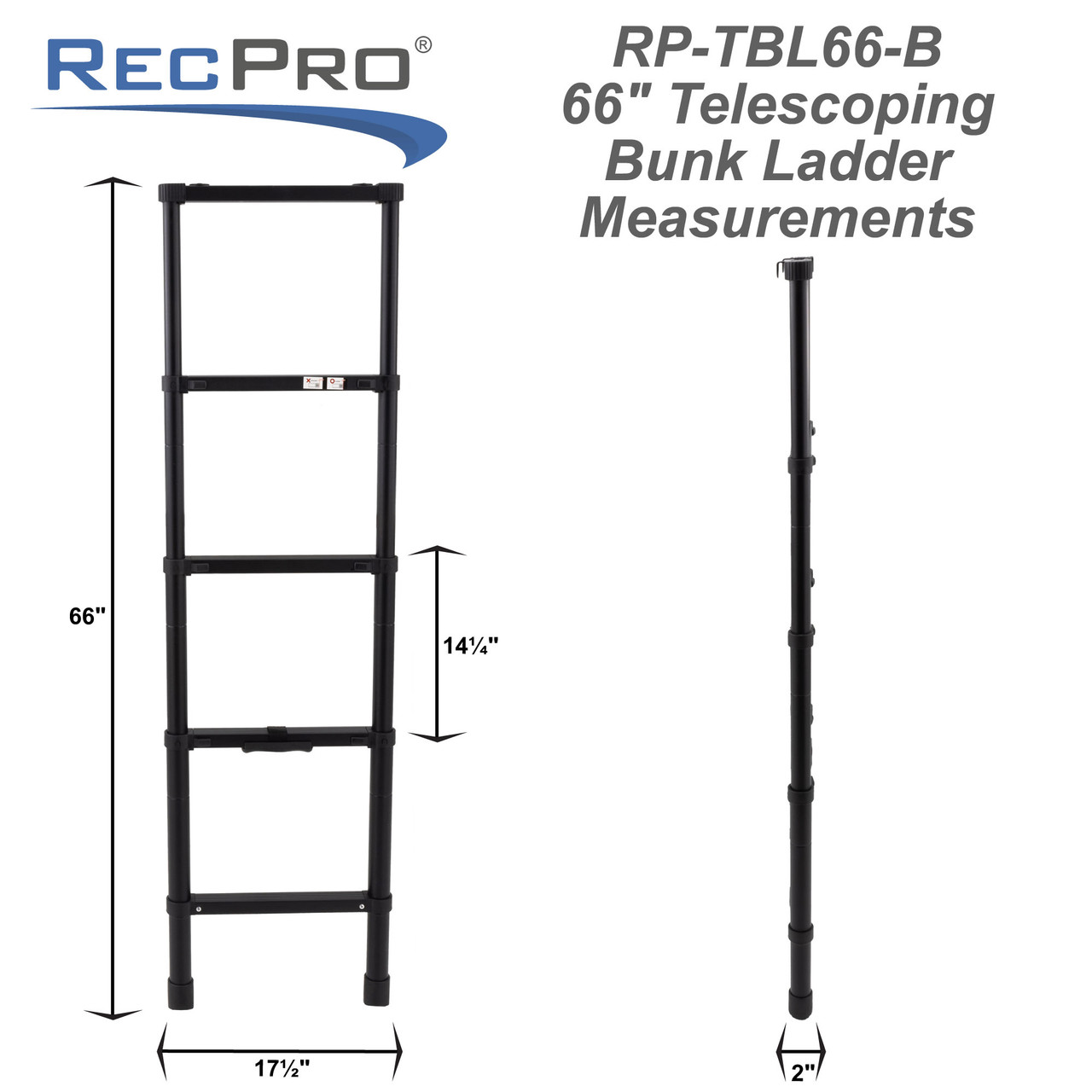
Most bunk bed ladders have widths between 12 and 16 inches. This size fits most users comfortably. A 14-inch ladder width is common and works well for children and adults. Wider ladders may take up too much room near the bed. Narrow ladders might feel cramped and unsafe.
Manufacturers often follow these standards to ensure safety and ease of use. The chosen width depends on the bed design and user needs.
Impact On Stability
The ladder width directly affects stability. A wider ladder offers better balance and support. It reduces the chance of slipping or tipping. Narrow ladders can wobble and feel less secure. This can increase the risk of falls.
Proper ladder width helps distribute weight evenly. It also allows users to place their feet firmly on the steps. Stability is essential for a safe bunk bed experience.
Bunk Bed Ladder Requirements
Choosing the right ladder width for a bunk bed is important for safety and comfort. A ladder that is too narrow can cause accidents. A ladder that is too wide may not fit the bed properly. Understanding the requirements helps pick the best size.
There are rules and recommendations for bunk bed ladders. These rules keep users safe and make climbing easier. Let’s explore the key points about bunk bed ladder requirements.
Safety Regulations
Safety rules for bunk bed ladders vary by region but share common standards. Ladders must support a certain weight to avoid breaking. The steps should be slip-resistant to prevent falls.
The ladder width must allow a firm grip on the sides. Rails or handholds help users climb safely. Some rules require a minimum distance between the ladder and the bed frame.
Check local building codes or safety guidelines before buying or building a ladder. Meeting these regulations reduces the risk of injuries.
Recommended Dimensions
The ideal ladder width for a bunk bed is usually between 12 and 16 inches. This size fits most users comfortably and ensures stability. Narrow ladders below 12 inches can feel unsafe.
Step depth should be at least 3 inches to give enough foot space. The space between steps is often around 10 to 12 inches, making climbing easy.
Ladder rails should extend slightly beyond the top step. This extension helps users hold the ladder while climbing on or off the bed.
Material And Design Choices
Choosing the right material and design for a bunk bed ladder is important. It affects safety, comfort, and style. The ladder must be wide enough for easy climbing. The material should match the room’s look and support weight well. Design features can make climbing easier and safer for kids and adults alike.
Wood Vs. Metal Ladders
Wood ladders offer a classic, warm look. They feel sturdy and can be painted to match furniture. Wood is less slippery, which helps with grip. Metal ladders are strong and often lighter. They usually have a modern style. Metal can be cold to touch but may last longer without damage. Both materials can be safe if built well and the width suits the user.
Ergonomic Features
Ergonomic design focuses on comfort and safety. Wider steps give more space for feet. Non-slip surfaces prevent accidents. Rounded edges reduce the chance of cuts or bruises. Some ladders have handrails for extra support. The angle of the ladder matters too. A slight tilt makes climbing easier than a straight ladder. Good design keeps climbing safe and stress-free.
Installation Tips
Installing a ladder for a bunk bed needs care and attention. Safety is the top priority. The ladder must be strong and steady. Follow these tips to install your ladder correctly.
Securing The Ladder
Make sure the ladder is fixed tightly to the bed frame. Use strong screws or bolts that fit well. Check the ladder regularly to keep it secure. Loose ladders can cause accidents. Fix any wobbles immediately to keep it safe.
Optimal Angle And Position
Place the ladder at a gentle angle for easy climbing. Too steep or too flat makes climbing hard and unsafe. Position the ladder where it does not block room space. Ensure it fits well with the bed height. This helps children climb comfortably and safely.
Common Safety Hazards
Choosing the right width for a bunk bed ladder is important for safety. Common hazards can cause falls and injuries. Knowing these risks helps in picking the best ladder size. This keeps children safe and parents worry-free.
Slipping Risks
A narrow ladder can cause slipping. Feet may not fit well on small rungs. This makes climbing unstable. A wide enough ladder gives better grip and balance. It reduces chances of slipping off while climbing up or down.
Structural Weakness
Too wide or too narrow ladders can weaken the structure. If the ladder is not strong enough, it may break. Poor materials or loose joints increase this risk. A sturdy ladder with proper width supports weight safely. It prevents accidents caused by ladder failure.

Credit: oeufnyc.com
Maintenance And Inspection
Maintaining and inspecting a ladder for a bunk bed is vital for safety. A strong, steady ladder prevents falls and accidents. Regular care keeps the ladder reliable for daily use.
Regular Checks
Check the ladder often for loose screws or parts. Look for cracks, splits, or worn steps. Test the ladder by gently shaking it to see if it feels sturdy. Clean dirt and dust from the ladder to avoid slips. Keep the ladder dry to prevent wood or metal damage.
Repair And Replacement Signs
Replace the ladder if steps break or bend. Fix loose bolts or screws immediately. Watch for rust on metal ladders, which weakens them. If the ladder wobbles or feels unstable, do not use it. Repair small damages before they become big safety risks.
Choosing The Right Ladder Width
Choosing the right ladder width for a bunk bed is important for safety and comfort. The ladder must fit the space and the people who use it. Too wide or too narrow can cause problems. Finding the right balance helps everyone climb up and down easily.
Assessing User Needs
Start by thinking about who will use the ladder. Children need a narrower ladder that fits their smaller feet. Adults need a wider ladder for better stability. Consider the age and size of all users. Check if anyone has special needs that require extra support.
Balancing Width And Space
Measure the space where the ladder will go. A ladder too wide can block the room or door. A narrow ladder saves space but may feel unstable. Choose a width that fits the room and offers enough step room. Aim for comfort without crowding the area.
Credit: recpro.com
Frequently Asked Questions
How Wide Should A Bunk Bed Ladder Be?
A bunk bed ladder should be at least 12 to 15 inches wide. This width ensures safe and comfortable climbing for most users, providing enough space for feet and hands.
Why Is Ladder Width Important For Bunk Beds?
Ladder width affects stability and safety. A wider ladder offers better balance, reduces slipping risk, and accommodates different foot sizes, making it essential for secure bunk bed access.
What Ladder Width Suits Children On Bunk Beds?
For children, a ladder width of about 12 inches is ideal. It allows easy grip and foot placement, ensuring safe climbing without being too bulky or hard to handle.
Can A Narrow Ladder Be Unsafe For Bunk Beds?
Yes, narrow ladders can be unsafe. They may cause slips or falls due to limited space for feet, making wider ladders preferable for better safety and comfort.
Conclusion
Choosing the right ladder width keeps bunk bed climbing safe and easy. A ladder too narrow feels unstable and unsafe. Too wide, and it takes up too much space. Aim for a width that fits the bed size and user comfort.
Remember, safety is the top priority for every climb. A well-sized ladder makes bedtime routines smooth and worry-free. Simple steps lead to safe nights.