Are you wondering if you should polyurethane your outdoor furniture? You want your patio pieces to look great and last through every season.
But with sun, rain, and dirt constantly taking a toll, it’s hard to know the best way to protect your investment. This article will help you decide if polyurethane is the right choice for your outdoor furniture. Keep reading to discover simple tips that can save you time, money, and frustration while keeping your furniture looking fresh year after year.
Benefits Of Polyurethane For Outdoor Furniture
Polyurethane protects outdoor furniture in many ways. It creates a strong barrier that keeps furniture safe from damage. This finish helps furniture last longer and stay looking good. It also makes cleaning easier and keeps the wood smooth.
Applying polyurethane adds an extra layer of protection. It stops water, dirt, and insects from harming the furniture. This makes it a smart choice for any outdoor setting. The benefits go beyond just looks. Polyurethane helps furniture survive tough weather and daily use.
Enhanced Durability
Polyurethane makes furniture tougher. It prevents scratches and dents on the surface. This finish resists wear from daily use. It helps wood keep its shape and strength. Furniture with polyurethane lasts much longer outside.
Weather Resistance
Polyurethane shields furniture from rain and moisture. It stops water from seeping into the wood. This prevents swelling and rotting over time. The finish also guards against wind and dust damage. It keeps furniture stable in all weather types.
Uv Protection
Sunlight can fade and weaken wood. Polyurethane blocks harmful UV rays. This keeps colors bright and wood strong. It prevents cracking and peeling caused by sun exposure. Furniture stays fresh and vibrant for years.

Credit: www.reddit.com
Types Of Polyurethane Finishes
Choosing the right polyurethane finish matters for outdoor furniture. Different types offer unique benefits. Understanding these helps protect wood from weather and wear. Below are common types and finishes to consider.
Oil-based Polyurethane
Oil-based polyurethane is thick and durable. It creates a strong, protective layer on wood. This finish darkens the wood slightly, enhancing its natural grain. It takes longer to dry but lasts longer outdoors. Oil-based types resist water and sun damage well.
Water-based Polyurethane
Water-based polyurethane dries quickly and has low odor. It keeps the wood’s original color without yellowing. This finish is easier to clean with soap and water. It is less durable than oil-based but still protects against moisture. Ideal for lighter woods and quick projects.
Matte Vs Glossy Finishes
Matte finishes give a soft, natural look. They hide scratches and dirt better than glossy finishes. Glossy finishes shine bright and highlight wood grain. Glossy surfaces are easier to clean but show imperfections. Choose based on the style and maintenance you want.
Preparing Furniture For Polyurethane
Preparing outdoor furniture for polyurethane is a key step. It helps the finish last longer and look better. Proper preparation ensures the surface is clean and smooth. This allows the polyurethane to stick well and protect the wood from weather damage. Follow these simple steps to get your furniture ready.
Cleaning And Sanding
Start by cleaning the furniture thoroughly. Remove dirt, dust, and old paint or finish. Use a mild soap and water solution for cleaning. Let the furniture dry completely before sanding.
Next, sand the surface with medium-grit sandpaper. This removes rough spots and old finishes. Sand in the direction of the wood grain. After sanding, wipe away dust with a damp cloth. A clean, smooth surface helps polyurethane stick well.
Choosing The Right Environment
Work in a dry, dust-free area. Avoid windy or humid conditions. These can cause bubbles or uneven drying in the finish. Choose a shaded spot, not in direct sunlight. This prevents the polyurethane from drying too fast.
Gathering Necessary Tools
Collect all tools before starting. You will need sandpaper, a clean cloth, and a good brush. Use a brush designed for oil-based or water-based polyurethane. Have gloves and a mask ready for safety. Proper tools make the job easier and cleaner.
Credit: outdoorfurnitureplus.com
Step-by-step Application Process
Applying polyurethane to outdoor furniture protects the wood from weather and wear. Follow a clear, simple process to get the best results. Take your time with each step for a smooth, durable finish. This guide breaks down the application into easy parts.
Applying The First Coat
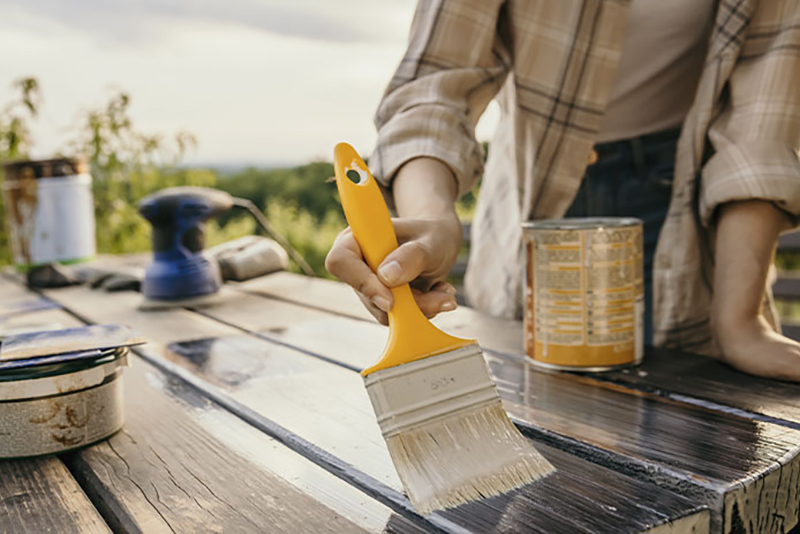
Start with clean, dry furniture. Use a brush or cloth to apply a thin, even layer of polyurethane. Cover all surfaces carefully. Avoid thick spots to prevent drips and bubbles. Let the first coat dry fully before moving on.
Sanding Between Coats
After the first coat dries, lightly sand the surface with fine-grit sandpaper. This step smooths out rough areas and helps the next coat stick better. Wipe away dust with a clean cloth before applying more polyurethane.
Applying Additional Layers
Apply at least two more thin coats for strong protection. Use the same method: brush evenly, let dry, and sand between coats. More layers increase durability and enhance the furniture’s appearance. Finish with a final sanding for a smooth feel.
Common Mistakes To Avoid
Applying polyurethane to outdoor furniture protects it from weather damage. Avoiding common mistakes helps the finish last longer and look better. These errors often ruin the final result and waste time and materials. Focus on preparation, application, and drying for best results.
Skipping Surface Preparation
Surface preparation is key before applying polyurethane. Dirt, dust, and old finishes stop the new coat from sticking well. Sand the furniture smoothly to remove rough spots. Clean the surface with a damp cloth to remove dust. Skipping this step causes peeling and uneven finish.
Applying Too Thick Coats
Thick coats of polyurethane seem faster but cause problems. They dry slowly and may drip or bubble. Thin coats dry evenly and create a smooth finish. Apply several thin layers instead of one thick one. This prevents sticky surfaces and rough textures.
Ignoring Drying Times
Drying time is crucial between each coat. Rushing to apply new coats traps moisture and dust. This weakens the finish and causes cloudiness. Follow the product’s recommended drying time carefully. Patience ensures a strong and clear protective layer.
Maintenance Tips For Polyurethane-coated Furniture
Polyurethane coating helps protect outdoor furniture from weather damage. It creates a strong layer that keeps moisture and dirt away. To keep your furniture looking great, follow some simple care steps. These tips help your furniture last longer and stay beautiful.
Regular Cleaning
Clean your furniture often to remove dust and dirt. Use a soft cloth and mild soap with water. Avoid harsh chemicals that can wear down the polyurethane. Rinse with clean water and dry with a towel. This keeps the surface smooth and shiny.
Touching Up Scratches
Small scratches can happen over time. Fix them quickly to stop more damage. Lightly sand the scratched area with fine sandpaper. Apply a thin coat of polyurethane with a brush. Let it dry completely before using the furniture again. This keeps the finish strong and even.
Seasonal Care
Prepare your furniture for each season. In winter, cover or store it to protect from snow and cold. During summer, avoid placing it in direct sunlight for long hours. Check the coating for cracks or peeling. Reapply polyurethane every year or as needed to keep the protection intact.
Alternatives To Polyurethane
Polyurethane is a popular finish for outdoor furniture, but it is not the only option. Several alternatives offer different benefits. These can protect your furniture and keep it looking good for longer. Some are easier to apply, while others offer better resistance to weather.
Spar Varnish
Spar varnish is made for outdoor use. It stays flexible and protects wood from sun and rain. This finish penetrates deep and resists cracking. It also enhances the natural color of the wood. Spar varnish needs reapplication every few years to keep furniture safe.
Teak Oil
Teak oil soaks into wood and nourishes it. It helps prevent drying and cracking. This oil is great for hardwoods like teak and mahogany. It gives a warm, natural look without a shiny surface. Reapply teak oil regularly to maintain protection and color.
Outdoor Paints
Outdoor paints offer strong protection against weather damage. They come in many colors and finishes. Paint creates a solid barrier that keeps moisture out. It also hides imperfections in the wood. Choose paint made for exterior wood for the best results.
Credit: www.nationaloutdoorfurniture.com
When To Skip Polyurethane
Polyurethane protects outdoor furniture but does not suit every situation. Some woods and climates need different care. Using polyurethane at the wrong time can cause damage or extra work. Knowing when to skip it saves time and keeps furniture looking good.
Type Of Wood Considerations
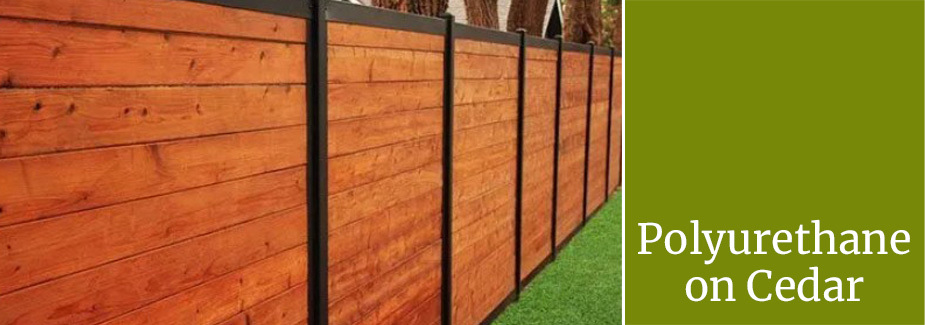
Softwoods like pine soak up polyurethane unevenly. This can cause blotches or sticky surfaces. Hardwoods such as teak or cedar have natural oils that resist water. Applying polyurethane on oily wood may trap moisture inside. This leads to peeling or cracking over time.
Climate Factors
Humid or rainy climates make polyurethane peel faster. Moisture gets trapped under the finish. Extreme heat causes the finish to crack. In dry, mild climates, polyurethane lasts longer. Areas with frequent temperature changes stress the coating. Natural oils or other finishes may work better there.
Furniture Usage
Furniture used daily faces more wear and tear. Polyurethane can chip or scratch under heavy use. Surfaces that need frequent cleaning might lose their shine quickly. Decorative pieces or occasional-use furniture handle polyurethane better. Consider how much use and cleaning your furniture gets before choosing a finish.
Frequently Asked Questions
Is Polyurethane Good For Outdoor Furniture Protection?
Yes, polyurethane provides a durable, water-resistant finish for outdoor furniture. It protects wood from moisture, UV rays, and wear, extending furniture life. However, use exterior-grade polyurethane for best results as it withstands weather conditions better than indoor types.
How Often Should Outdoor Furniture Be Polyurethane Coated?
Reapply polyurethane every 1-2 years for optimal protection. Frequent exposure to sun and rain wears down the finish. Regular maintenance ensures your furniture remains resistant to cracking, peeling, and fading.
Can Polyurethane Prevent Outdoor Furniture From Cracking?
Yes, polyurethane forms a protective seal that reduces wood drying and cracking. It locks in moisture and shields against harsh elements. Proper application helps maintain wood’s integrity and appearance over time.
What Type Of Polyurethane Is Best For Outdoor Furniture?
Choose a spar urethane or exterior-grade polyurethane. These formulas contain UV blockers and flexible resins. They resist weather damage better than standard polyurethane, making them ideal for outdoor use.
Conclusion
Applying polyurethane can protect outdoor furniture from weather and wear. It creates a strong, clear shield that lasts long. The finish helps prevent water damage, fading, and scratches. Regular maintenance keeps furniture looking fresh and new. Choose the right type of polyurethane for your wood.
Remember to apply thin, even coats for best results. With proper care, your outdoor furniture stays beautiful through seasons. A simple step that saves time and money on repairs. Polyurethane offers good protection for many outdoor pieces. Worth considering for lasting furniture beauty and strength.