Are you wondering when your little one is ready to sleep in a big kid’s bed? Moving your toddler from a crib to a bed is a big step for both of you.
It can bring more freedom but also some worries about safety and comfort. Knowing the right age to make this change can help your child feel secure and make bedtime easier for everyone. You’ll discover the best time to transition your toddler to a bed and how to make the switch smooth and stress-free.
Keep reading to find out what experts say and what signs your child might be ready.
Credit: together.stjude.org
When Toddlers Transition To A Bed
Transitioning a toddler to a bed is an important step for both parents and children. It marks a new phase in their growth and independence. Many parents wonder about the right time to make this change. Understanding the typical age range and signs of readiness helps make the process smoother and safer.
Typical Age Range
Most toddlers move from a crib to a bed between 18 months and 3 years old. Some children switch earlier, around 18 months, while others may stay in a crib until 3 years. The exact age depends on the child’s development and family situation. It is important to choose a time that suits your child’s needs and comfort.
Signs Your Toddler Is Ready
Look for clues that your toddler is ready for a bed. One sign is climbing out of the crib. This can be dangerous and means it’s time for a bed. Another sign is showing interest in a big bed or wanting to sleep like older siblings. If your toddler can follow simple instructions and stay in bed all night, they are likely ready for the change.

Credit: www.lilbabysleep.com
Choosing The Right Bed For Toddlers
Choosing the right bed for toddlers is an important step for parents. Toddlers need a bed that fits their size and keeps them safe. The bed should feel cozy and give them confidence to sleep alone. Picking a suitable bed makes bedtime easier and more comfortable for the child.
Parents often wonder about the best types of beds and the safety features to check. These details help make a good choice that supports healthy sleep habits. Understanding the options can guide parents to a perfect toddler bed.
Types Of Beds Available
Toddler beds come in various styles. The most common is the low-to-the-ground toddler bed. It uses a small mattress and often has side rails to prevent falls. Another option is a convertible crib that changes into a toddler bed. This bed grows with the child and saves money.
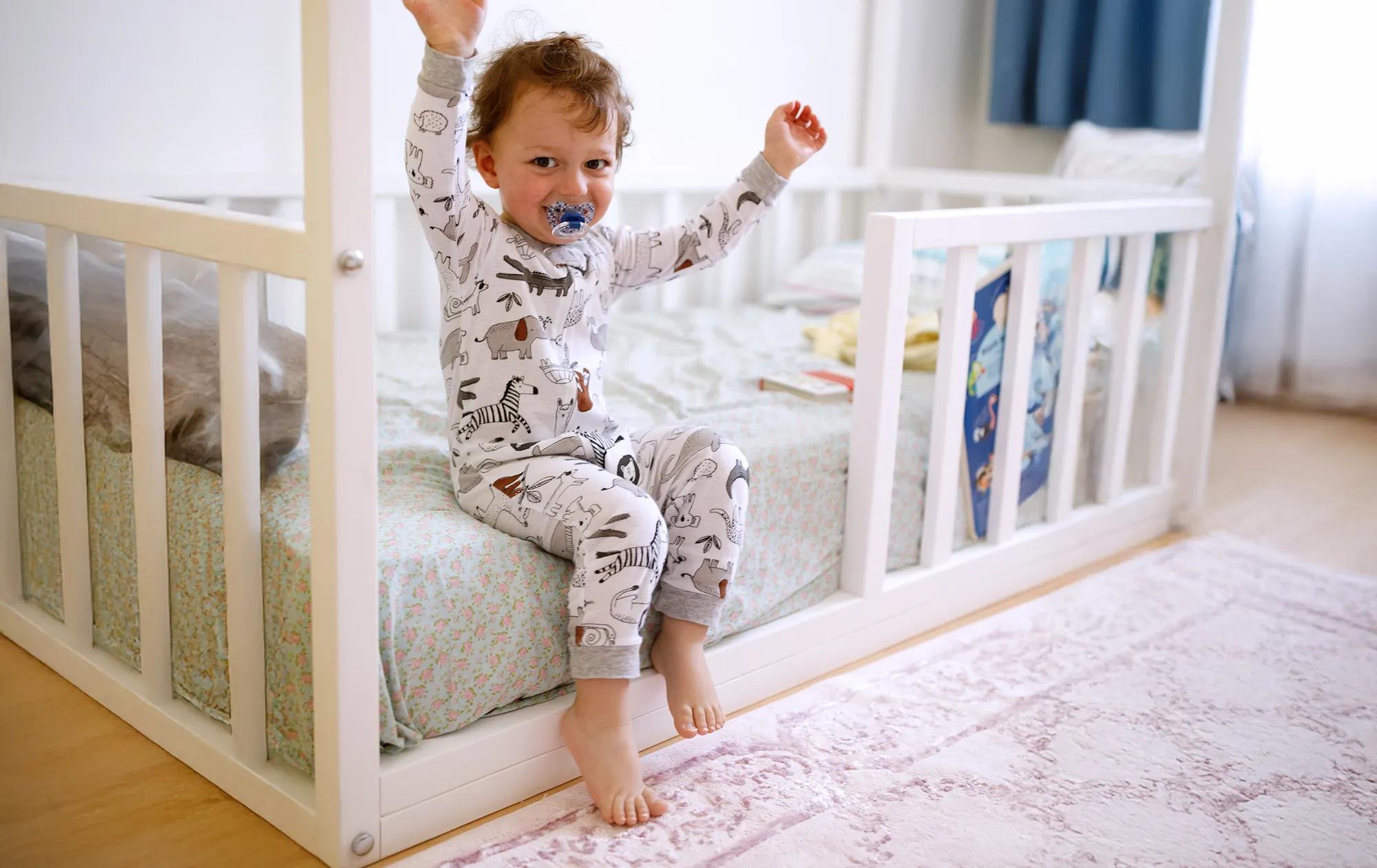
Some toddlers like twin beds with guardrails. These beds offer more space but still keep toddlers safe. Floor beds are also popular. They sit directly on the floor and let toddlers climb in and out freely. Choosing a bed depends on the child’s needs and room size.
Safety Features To Consider
Safety is the top priority for toddler beds. Look for beds with sturdy guardrails on both sides. These rails stop toddlers from rolling out during sleep. The bed frame should have no sharp edges or small parts that can cause harm.
Check that the mattress fits the bed tightly. Gaps can trap little fingers or limbs. Non-toxic paint and finishes are best for children’s health. The bed should also be low enough for easy access but high enough off the floor to keep pests away.
Test the bed’s stability before use. It should not wobble or tip easily. These features help create a safe sleep space that parents can trust.
Creating A Comfortable Sleep Environment
Creating a comfortable sleep environment helps toddlers feel safe and relaxed. A calm space encourages better sleep habits. Toddlers need a cozy room that suits their needs. This helps them adjust to sleeping in a bed easily.
Ideal Room Setup
Keep the room quiet and dim at bedtime. Use soft lighting or a nightlight. Make sure the room temperature stays cool but not cold. Remove toys that may distract or excite your toddler. Use blackout curtains to block outside light. Keep the room clean and clutter-free for safety. A simple, calm space helps toddlers settle down faster.
Bedding And Sleepwear Tips
Choose soft, breathable bedding to keep your toddler comfortable. Avoid heavy blankets that can cause overheating. Use fitted sheets that stay in place all night. Pick pajamas made from cotton or other natural fabrics. Dress your toddler in clothes that match the room temperature. Change bedding often to keep it fresh and clean. Comfortable sleepwear and bedding help toddlers sleep soundly.
Establishing A Sleep Routine
Establishing a sleep routine is key when toddlers start sleeping in a bed. A steady routine helps children feel safe and calm before bedtime. It sets clear expectations and makes the transition smoother. Toddlers thrive on predictability, which reduces fussiness and resistance.
A good sleep routine creates a peaceful environment. It prepares the child’s body and mind for rest. Parents can use simple steps to build this habit every night. Consistency is the secret to success in bedtime routines.
Consistent Bedtime Habits
Keeping bedtime habits the same each night helps toddlers adjust. Start with calming activities like a warm bath or quiet story. Choose a fixed bedtime and stick to it daily. Avoid screens or loud noises before sleep. These habits signal the brain to relax. Over time, the child learns to expect sleep at the same hour. This reduces bedtime struggles and helps them fall asleep faster.
Managing Nighttime Fears
Toddlers often feel scared in a new bed or dark room. Nighttime fears can wake them up or cause crying. Parents can ease fears with comfort items like a favorite toy or blanket. Using a nightlight can also help. Talk calmly about the fear and reassure your child. Establish a gentle routine to check on them if needed. This builds trust and helps toddlers feel safe at night.
Common Challenges During Transition
Moving a toddler from a crib to a bed can bring many challenges. This change is big for a little child. Toddlers need time to adjust to their new sleeping space. Parents often face some common issues during this transition.
Some toddlers resist leaving their crib. Others might wander around at night. These behaviors are normal but can be tiring for parents. Understanding these challenges helps in managing them better.
Dealing With Resistance
Many toddlers say no to sleeping in a new bed. They feel safe in their crib. Fear of change makes them cling to old habits. Patience is key during this phase. Offering comfort and reassurance helps. Create a bedtime routine that feels familiar. This routine builds trust and eases fear. Praise your child for trying the new bed. Small rewards can encourage cooperation. Avoid forcing the toddler to stay in bed. Gentle guidance works best for lasting change.
Handling Nighttime Wandering
Some toddlers get out of bed at night. They explore the room or call for parents. Nighttime wandering can disrupt sleep for all. Use night lights to make the room cozy. Set clear rules about staying in bed. Explain these rules during the day. Lock or block the door if needed. Check on your child calmly if they wander. Bring them back to bed without anger. Consistent routines help reduce this behavior over time.
Expert Tips For A Smooth Transition
Moving a toddler to a bed is a big step. It can bring both excitement and worry for parents and kids. Smooth changes help toddlers feel safe and happy in their new sleeping space. Experts share tips to make this change easy and calm. These tips focus on building trust and comfort during the shift.
Positive Reinforcement Techniques
Praise your toddler for every small success. Celebrate when they stay in bed all night. Use stickers or small rewards to encourage good sleep habits. Positive words help build confidence and reduce fear. Keep a calm and happy tone to make the toddler feel proud.
Talk about the new bed as a fun place. Read bedtime stories there each night. Let your child choose their bedding or a special toy. These actions make the bed feel personal and safe. Positive reinforcement turns bedtime into a happy routine.
Gradual Changes Vs. Immediate Switch
Some toddlers adjust better with slow steps. Start with naps in the new bed before night sleep. Let your child get used to the bed during the day. This makes the bed familiar and less scary.
Other toddlers handle a quick change well. Move to the bed on the first night and stay close. Comfort them with hugs and soft voices. Watch how your toddler reacts and adapt your plan. Every child is different, so choose what feels best.
Credit: health.clevelandclinic.org
Frequently Asked Questions
At What Age Do Toddlers Typically Transition To A Bed?
Toddlers usually switch to a bed between 18 months and 3 years old. This varies based on their growth and readiness. Parents often choose this time when toddlers show signs of climbing out of cribs.
How Can I Know If My Toddler Is Ready For A Bed?
Signs include climbing out of the crib, showing interest in a bed, and following simple instructions. Safety and comfort are key factors in deciding readiness. Observing these helps ensure a smooth transition.
What Type Of Bed Is Best For Toddlers?
A toddler bed with safety rails is ideal. It provides a cozy, secure space sized for young children. This bed helps prevent falls and supports independence during sleep transitions.
How To Make Toddler Bed Transition Safe?
Use guardrails and place the bed near the wall. Remove hazards and keep night lights on. Establish a calming bedtime routine to reduce anxiety and improve safety.
Conclusion
Toddlers usually start sleeping in a bed between 18 months and 3 years. Every child is different and grows at their own pace. Safety and comfort should guide your choice. Watch for signs your toddler is ready to move. A smooth transition helps them feel secure.
Keep the bedtime routine calm and consistent. This change marks a big step in your child’s growth. Patience and support make the process easier for both of you.