Are you wondering when the right time is to move your baby from a crib to a toddler bed? It’s a big step for both you and your little one, and getting the timing right can make all the difference in their comfort and safety.
You want to make sure your child feels secure and happy in their new bed, while also avoiding any sleep disruptions. You’ll discover the key signs to watch for and the best age range to make the switch smoothly. Keep reading to find out how to make this transition easier for your family.
Credit: health.clevelandclinic.org
Signs Baby Is Ready
Knowing when a baby is ready to switch to a toddler bed is important for safety and comfort. Babies show clear signs that help parents decide the right time. Watch closely for behaviors that indicate readiness. These signs make the transition smoother for both baby and parents.
Climbing Out Of Crib
One common sign is climbing out of the crib. This can be dangerous and cause falls. If your baby tries to climb out often, it’s time to move them to a toddler bed. A toddler bed keeps them safer and stops climbing risks.
Showing Interest In Toddler Bed
Babies sometimes show interest in the toddler bed or other beds. They might ask to sleep there or explore it during the day. This curiosity shows they understand the new bed is for them. Use this interest as a positive sign to start the change.
Sleeping Through The Night
Babies who sleep through the night without many wake-ups are usually ready for a toddler bed. Good sleep means they can handle a bigger bed and more freedom. It also means less chance of waking and falling out during the night.

Credit: www.moshikids.com
Ideal Age Range
Most toddlers switch to a toddler bed between 18 months and 3 years old. This change depends on the child’s size and readiness. Safety and comfort are important when deciding the right time.
Typical Age Transition
Most babies move to a toddler bed between 18 months and 3 years. This range fits many children’s growth and sleep habits. Toddlers become more active and curious around this time. A toddler bed offers more freedom than a crib. It helps them learn to sleep independently. Many parents choose this age because the child can climb in and out safely.
Variations By Child Development
Every child grows at their own pace. Some may be ready earlier, others later. Physical skills like climbing and walking matter. Emotional readiness is also important. Some toddlers may feel anxious about change. Others may enjoy the new freedom. Watch your child’s behavior for signs of readiness. Comfort and safety should guide your decision.
Consulting Pediatricians
Pediatricians can give advice tailored to your child. They understand health and developmental stages well. Ask about safety tips for toddler beds. Discuss your child’s growth and habits. A doctor’s input can ease the transition. They help ensure the move is right for your child’s needs.
Benefits Of Toddler Beds
Toddler beds offer many benefits for young children and their parents. They help kids transition smoothly from a crib to a bigger bed. These beds provide a safer and more comfortable sleeping space. Parents also find them useful for fostering their child’s growth and development.
Increased Independence
Toddler beds help children feel more independent. They can get in and out of bed by themselves. This freedom encourages self-confidence. Kids learn to manage their bedtime routine. It also builds good sleeping habits early on.
Safety Considerations
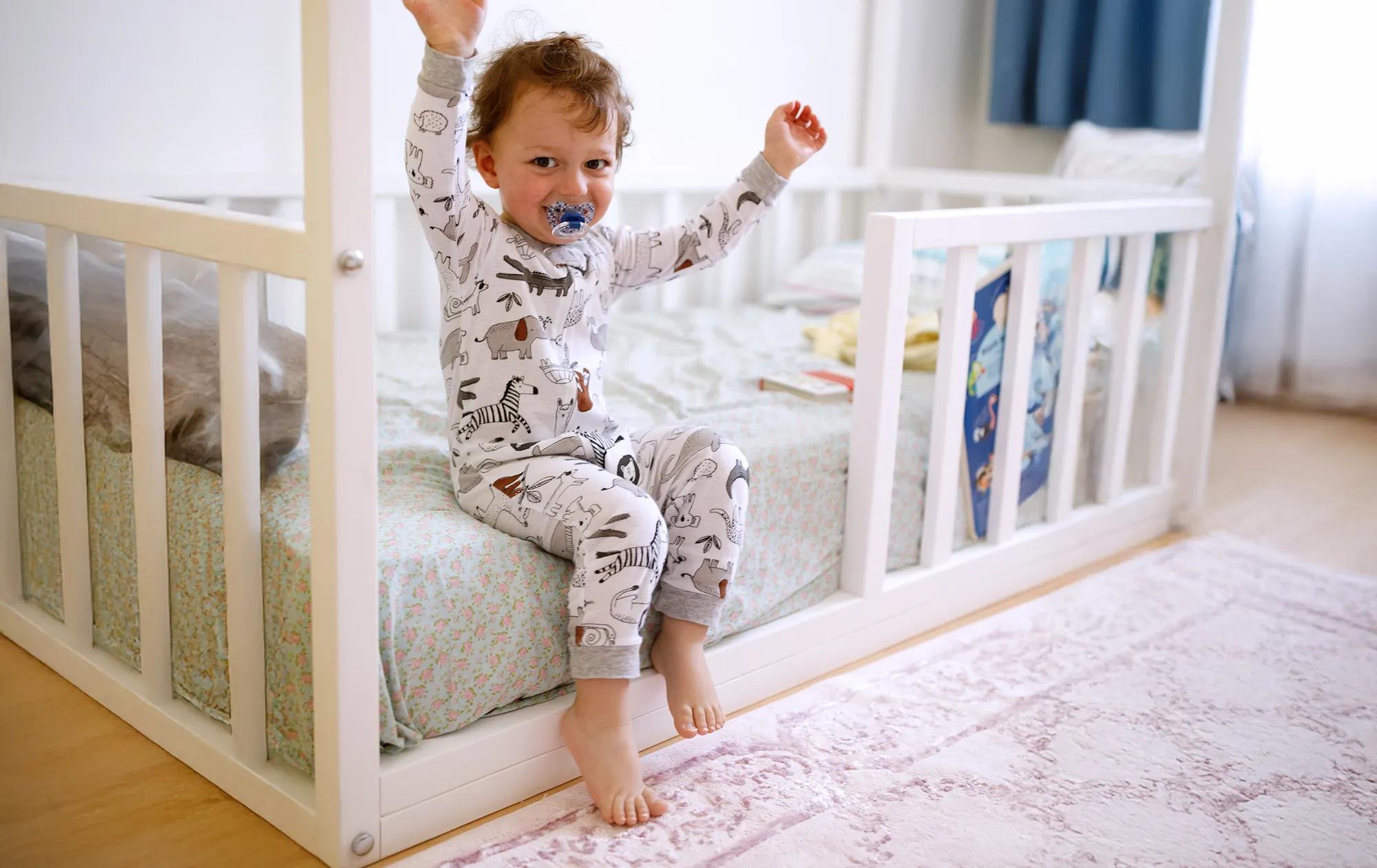
Toddler beds are designed with child safety in mind. They have low frames to prevent falls. Side rails keep children from rolling out during sleep. These features reduce the risk of injuries. Parents can feel more secure about their child’s safety.
Comfort And Familiarity
Toddler beds provide a cozy and familiar space. Many use the same mattress as the crib. This helps kids feel safe and relaxed. The bed size suits their growing bodies better. Comfort improves sleep quality and overall well-being.
Choosing The Right Bed
Choosing the right toddler bed is important for your child’s comfort and safety. A good bed helps your toddler sleep well and feel secure. Parents must think about size, safety, and cost before buying. These factors make a big difference in the bed’s use and lifespan.
Size And Design
The bed should fit your child’s size and room space. It must be low to the ground for easy climbing. A simple design with guardrails stops falls. Bright colors or fun themes make the bed inviting. Choose a bed that grows with your toddler for longer use.
Safety Features
Look for beds with strong guardrails on both sides. Smooth edges and non-toxic paint keep your child safe. The bed frame must be sturdy and steady. Avoid beds with small parts that can come loose. Check that the mattress fits snugly without gaps.
Budget And Durability
Set a budget before shopping. Choose a bed that lasts through toddler years and beyond. Solid wood beds often last longer than plastic ones. A well-made bed can save money over time. Consider beds that allow mattress size upgrades for growth.
Making The Transition Smooth
Moving your baby to a toddler bed is a big step. It can bring excitement and worry for both parents and children. A smooth change helps your child feel safe and comfortable. Careful planning makes the new bed a happy place.
Setting A Routine
Start with a clear bedtime routine. Keep the same steps as before, like bath and storytime. Consistency helps your child know what to expect. A calm routine makes falling asleep easier. Try to begin bedtime at the same time every night.
Involving Your Child
Let your child help choose the new bed or bedding. This makes the change fun and personal. Talk about the new bed and what to expect. Encourage your child to express feelings or worries. Feeling involved builds excitement and trust.
Handling Nighttime Fears
Night fears are common during this change. Listen carefully if your child feels scared. Use a night light to keep the room soft and safe. Offer a favorite toy or blanket for comfort. Be patient and calm, showing that you are near.
Common Challenges
Moving a baby to a toddler bed is a big change. It can bring some common challenges for both parents and children. Knowing what to expect helps you prepare and handle these moments well. These challenges often involve behavior, sleep habits, and safety concerns. Understanding them makes the transition smoother.
Resistance To Change
Many toddlers resist leaving their crib. They feel safe and comfortable there. A new bed may feel strange and scary. Toddlers might cry or refuse to sleep in the bed. Patience is key. Offer comfort and explain the change with simple words. Give them time to adjust.
Nighttime Wandering
Toddlers can get out of bed and wander at night. This can be unsafe and tiring for parents. Close doors and use safety gates if needed. Teach your child that staying in bed is important. A nightlight can help them feel secure.
Adjusting Sleep Patterns
Sleep schedules may change after moving beds. Toddlers might wake up earlier or have trouble falling asleep. Keep a consistent bedtime routine. Use calming activities before sleep. This helps your child feel ready for rest in the new bed.
When To Wait Longer
Deciding the right time for a toddler bed is not always simple. Some children need more time before making the switch. Waiting longer can help ensure your child’s safety and comfort. It also supports their growth in the best way.
Developmental Delays
Children with developmental delays may take longer to adjust. Skills like walking, climbing, and understanding boundaries matter. A toddler bed can be risky if these skills are not ready. Waiting allows the child to grow at their own pace. It reduces stress for both parents and child.
Health Concerns
Health issues can affect when to change beds. Conditions like asthma or sleep apnea need careful monitoring. A crib may offer more support and safety. Consult a doctor before moving your child. It helps ensure the child’s needs are met properly.
Parental Readiness
Parents play a key role in the transition. Feeling ready means having time to supervise and help. Some parents may need extra time to prepare the room. Being calm and confident makes the change smoother. Your readiness helps your child feel safe and secure.

Credit: www.whattoexpect.com
Frequently Asked Questions
When Is The Right Age For A Toddler Bed?
Most children transition to a toddler bed between 18 months and 3 years. It depends on the child’s readiness and safety.
How To Know If My Baby Is Ready For Toddler Bed?
Signs include climbing out of the crib, showing interest in a bed, or outgrowing crib size.
What Are Benefits Of Switching To A Toddler Bed Early?
A toddler bed offers more freedom and comfort. It helps develop independence and eases sleep transitions.
Can Toddlers Sleep Safely In A Toddler Bed?
Yes, toddler beds are designed with safety rails and low height to prevent falls.
Conclusion
Choosing the right age for a toddler bed depends on your child’s readiness. Most toddlers switch between 18 months and 3 years old. Watch for signs like climbing out of the crib or needing more space. Safety matters, so pick a bed with guardrails.
A smooth transition helps your child feel safe and comfortable. Every child grows at their own pace. Trust your instincts and keep your child’s needs first. This way, bedtime stays calm and happy for everyone.