Are you wondering when the right time is to move your toddler from a crib to a bed? This decision can feel tricky because it affects your child’s safety, comfort, and sleep quality.
You want to make sure your little one is ready, but you also don’t want to wait too long or rush the change. You’ll discover the key signs to look for, expert advice, and practical tips that will help you choose the perfect age to make this important switch.
Keep reading to find out how to make this transition smooth and stress-free for both you and your toddler.
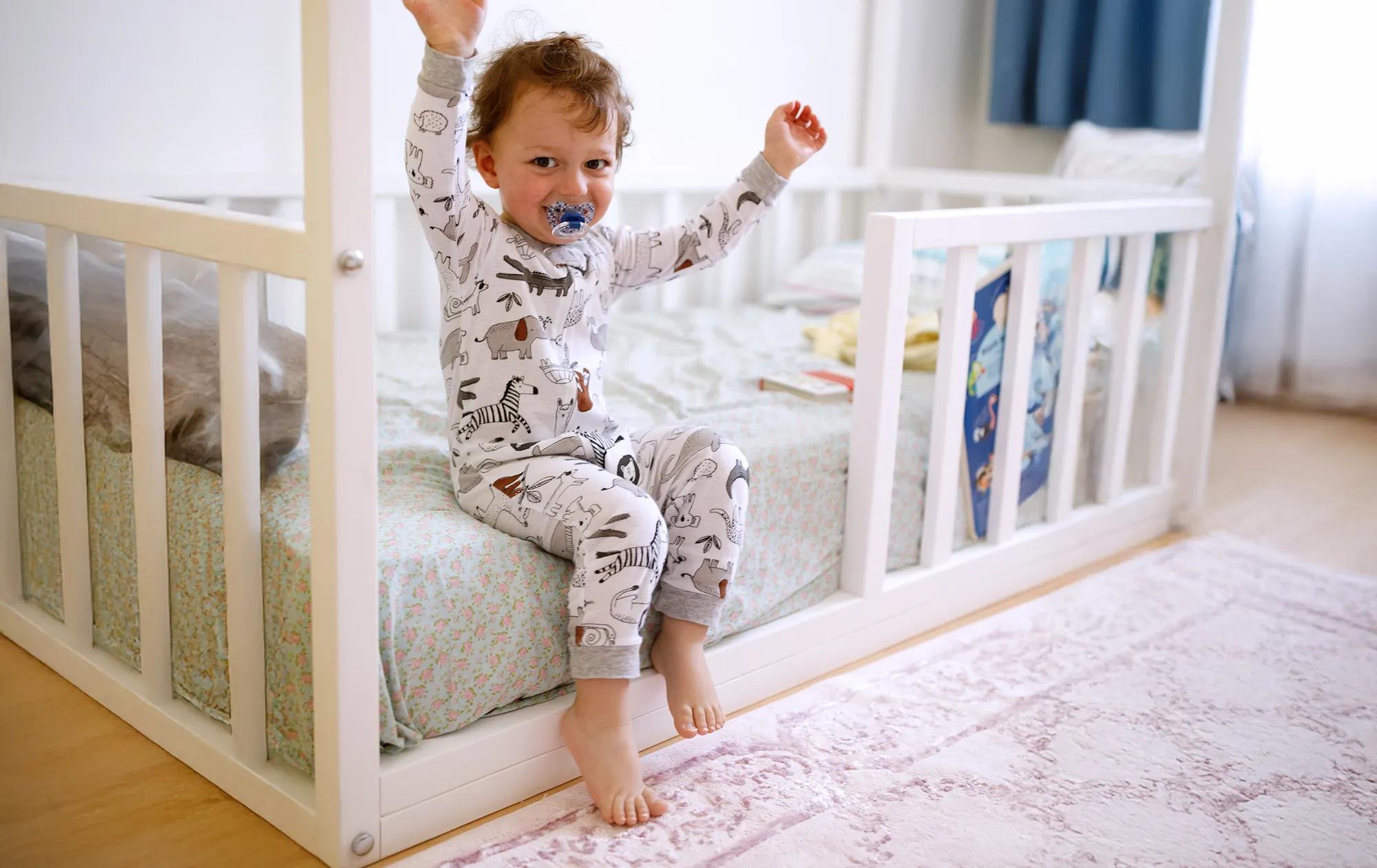
Credit: health.clevelandclinic.org
Signs Your Toddler Is Ready
Deciding the right time to move your toddler from a crib to a bed can feel tricky. Watching your child carefully helps you understand when they are ready. Certain signs show that your toddler is prepared for this big step. These signs fall into three main groups: physical milestones, behavioral clues, and safety considerations. Knowing these can make the transition smooth and safe.
Physical Milestones
Your toddler’s body changes as they grow. Look for these key physical signs. First, your child should be able to climb out of the crib. This shows they have the strength and coordination needed for a bed. Next, check if they can walk steadily and sit down easily. These skills help them move safely on and off the bed. Also, your toddler’s size matters. They should be big enough to fit comfortably in a toddler bed or a twin bed with guardrails.
Behavioral Clues
Behavior tells a lot about readiness. Notice if your toddler shows interest in sleeping on a bed. They might ask to sleep in a “big kid” bed or try to get out of the crib at night. Some toddlers become restless or complain about being stuck in the crib. Others may start to resist naps or bedtime. These behaviors suggest they want more freedom and space. Positive responses to new routines also mean your toddler is ready to try a bed.
Safety Considerations
Safety should guide your decision. Make sure your toddler’s room is safe for a bed. Remove sharp objects and cover electrical outlets. Use guardrails on the bed to prevent falls. Check that the bed is low to the floor to reduce injury risk. Make sure the room door is easy to open and close. Keeping the sleep area secure helps your toddler feel safe and comfortable.
Choosing The Right Bed
Choosing the right bed for your toddler is important for their comfort and safety. The bed should suit their size and sleeping habits. It helps them feel secure and promotes good sleep. Parents must think about the bed type, mattress safety, and the room setup. These factors make the transition smooth and worry-free.
Types Of Toddler Beds
Toddler beds come in many styles. The most common is the low-to-the-ground bed. It is easy for toddlers to get in and out. Some beds have guardrails to prevent falls. Convertible beds change from cribs to toddler beds. These save money and grow with your child. Choose a bed that fits your space and your toddler’s needs.
Mattress Safety
A firm mattress is best for toddlers. It supports their growing bodies well. The mattress should fit the bed frame tightly. Gaps between the mattress and frame can cause accidents. Use a waterproof mattress cover to protect against spills. Avoid soft pillows and heavy blankets to reduce suffocation risks. Clean and check the mattress regularly for wear.
Room Setup Tips
Arrange the room to keep your toddler safe. Remove sharp objects and heavy items near the bed. Use night lights for comfort in the dark. Place the bed away from windows and cords. Keep toys and books within easy reach. A calm and simple room helps your toddler relax and sleep well.
Making The Transition Smooth
Moving a toddler from a crib to a bed can be a big change. It needs care and patience. A smooth change helps your child feel safe and happy. This section guides you on how to ease this transition well.
Creating A Bedtime Routine
A set bedtime routine helps your toddler know what to expect. Start with calming activities like reading a story or singing a soft song. Keep the routine the same each night. This builds comfort and signals bedtime is near. Short and simple steps work best for little kids.
Dealing With Nighttime Fears
Fear of the dark or being alone is common. Talk gently about these fears during the day. Use a nightlight to brighten the room softly. Stay close for a few nights if needed. Reassure your child that they are safe and you are nearby.
Using Comfort Objects
Comfort objects like a favorite blanket or stuffed toy can help. Let your toddler choose what feels good to them. These objects give a sense of security and calm. Keep the comfort item nearby at bedtime and during the night. It can ease worries and make sleeping alone easier.

Credit: annainthehouse.com
Common Challenges And Solutions
Moving a toddler from a crib to a bed brings new challenges for parents. Toddlers test limits and try new boundaries. Understanding common challenges helps parents manage this transition smoothly. Simple solutions create a calm bedtime routine and safer nights.
Bedtime Resistance
Toddlers often say no to going to bed in a new bed. They feel unsure or want more attention. Keep a calm and consistent bedtime routine. Read a favorite story or sing a soft song. Praise your child for staying in bed. Avoid long talks or arguments at bedtime.
Nighttime Wandering
Some toddlers get out of bed during the night. They may explore or want company. Use a toddler gate or door alarm for safety. Teach your child to stay in bed until morning. Offer a night light for comfort. Check on them quietly without picking them up.
Adjusting Sleep Schedules
Changing to a bed can affect sleep times. Toddlers might wake earlier or nap less. Keep regular sleep and wake times every day. Adjust naps slowly to match new bedtime. Watch for signs of sleepiness. Stick to routines even on weekends or holidays.
Expert Tips For Parents
Moving your toddler from a crib to a bed is a big step for both of you. Parents often wonder about the best way to make this change smooth and safe. Experts share practical tips to help parents manage this transition with less stress and better results.
These tips focus on building good habits, encouraging your child, and knowing when extra help is needed. Following these ideas can make bedtime easier and more comfortable for your toddler and you.
Consistency Is Key
Keep the bedtime routine the same every night. Toddlers feel safe with predictability. A regular schedule helps them understand what to expect. Put your child to bed at the same time daily. Use the same bedtime rituals, like reading a story or singing a lullaby. Consistency builds trust and reduces bedtime battles.
Positive Reinforcement
Praise your toddler when they stay in bed or follow the rules. Use simple words like “Good job” or “Well done.” Small rewards, like stickers or extra storytime, encourage good behavior. Avoid punishment, which can cause fear and confusion. Positive reinforcement helps your child feel proud and motivated to keep up the good habits.
When To Seek Professional Advice
Some toddlers resist the new bed for weeks or show anxiety. Sleep problems that last long need attention. Consult a pediatrician or child sleep expert if your child has trouble sleeping or feels scared. Professionals can offer advice tailored to your child’s needs. Early help prevents bigger issues later.

Credit: www.cuckooland.com
Frequently Asked Questions
At What Age Is It Best To Transition A Toddler To A Bed?
Most toddlers transition to a bed between 18 months and 3 years. This varies based on the child’s readiness and safety needs. Watch for signs like climbing out of the crib or showing interest in a bed. Safety and comfort are key factors for timing the move.
How Do I Know If My Toddler Is Ready For A Bed?
Look for readiness signs such as climbing out of the crib, expressing interest in a bed, and following simple instructions. A toddler who resists naps or nighttime sleep in a crib may be ready. Safety and comfort should guide your decision for the transition.
What Type Of Bed Is Safest For Toddlers?
A toddler bed with low height and guardrails is safest. It helps prevent falls and provides a cozy, secure sleeping space. Avoid regular adult beds initially to reduce injury risk. Always choose beds that meet current safety standards for toddlers.
How Can I Ease The Transition From Crib To Bed?
Create a consistent bedtime routine and involve your toddler in choosing bedding. Use positive reinforcement and allow time for adjustment. Keep the sleeping environment safe and familiar. Patience and reassurance help toddlers feel secure during this change.
Conclusion
Choosing the right age to move your toddler to a bed matters a lot. Every child grows and changes at their own pace. Watch for signs like climbing out of the crib or asking for a bed. Safety should always come first.
A smooth change helps your toddler feel safe and happy. Trust your instincts and keep bedtime calm and gentle. This step marks a new chapter in your child’s growth. Be patient and enjoy these little moments together.