Is your little one ready for a big kid bed? Knowing the right age to turn a crib into a toddler bed can make all the difference in your child’s comfort and safety.
You might be wondering if your child is too young or already overdue for this change. Making this switch at the right time helps your toddler feel confident and secure, while giving you peace of mind. You’ll discover clear signs and expert tips to know exactly when to make the move.
Keep reading to find out how to make this transition smooth and stress-free for both you and your child.
Signs Your Child Is Ready
Knowing when to change your child’s crib to a toddler bed is important. Watch for clear signs that show your child is ready. These signs help keep your child safe and comfortable during sleep. They also make the transition smooth and stress-free for both of you.
Physical Growth Indicators
Your child may outgrow the crib size. Legs might stick out over the crib edge. Your child could start standing or climbing out of the crib. These signs mean the crib no longer fits well. A toddler bed offers more space and safety.
Behavioral Clues
Your child might show interest in climbing out. They may try to get out on their own. Sometimes, they resist the crib or want to sleep elsewhere. These actions suggest readiness for a new bed. Toddlers often enjoy the freedom of a bigger bed.
Safety Considerations
Climbing out of the crib can be dangerous. Falls can cause injuries. Removing the crib early can prevent accidents. Toddler beds have low sides to keep your child safe. Always check the bed’s safety features before switching.
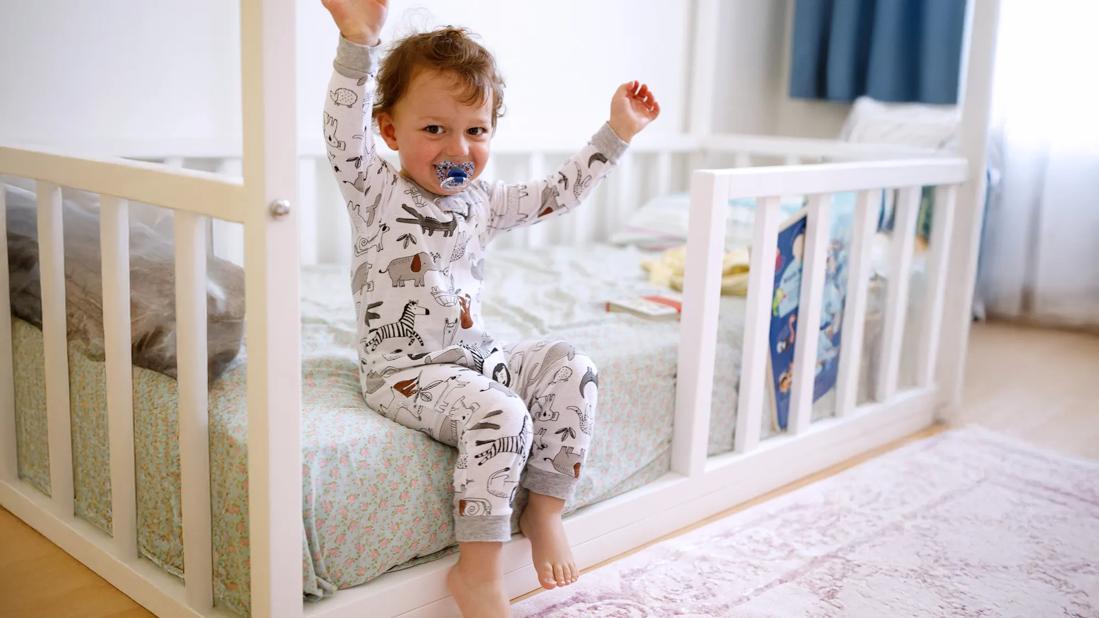
Credit: health.clevelandclinic.org
Ideal Age Range
Choosing the right time to switch from a crib to a toddler bed is important for your child’s safety and comfort. The ideal age range helps guide parents through this change. It often depends on your child’s growth, development, and readiness. Understanding common age milestones, individual differences, and expert advice can make this decision easier.
Common Age Milestones
Most children move to a toddler bed between 18 months and 3 years old. At this stage, many kids start climbing out of their cribs. This behavior can be unsafe and signals the need for a bed change. Also, toddlers begin to show more independence. They want to get in and out of bed by themselves.
Sleeping patterns change around this age too. Many children start transitioning to a more regular sleep schedule. They may nap less during the day and sleep longer at night. These milestones help parents recognize the right time to switch beds.
Variations Among Children
Every child grows and develops at their own pace. Some kids may be ready for a toddler bed earlier. Others might stay safe and comfortable in a crib longer. Factors like personality, motor skills, and fear of falling play a role. For example, shy children might need more time to adjust. Active toddlers may require a bed with safety rails sooner.
Watch your child’s behavior closely. Look for signs of readiness like climbing out or asking to sleep in a “big kid” bed. These clues help find the best age for your child.
Pediatrician Recommendations
Doctors suggest waiting until your child is at least 18 months old. They also advise making the switch before your child starts climbing out of the crib. Safety is the top priority. Pediatricians recommend toddler beds with guardrails to prevent falls. They also suggest keeping the bedroom free from hazards during this time.
Consult your pediatrician if you are unsure. They can offer advice based on your child’s health and development. Their guidance ensures a smooth and safe transition from crib to toddler bed.
Choosing The Right Toddler Bed
Choosing the right toddler bed is a big step in your child’s growth. It offers comfort and safety as your child moves from a crib. The bed should fit your child’s needs and your home space. Picking the right bed helps your child sleep well and feel secure.
Types Of Toddler Beds
Toddler beds come in various styles. Standard toddler beds use a crib mattress and low frame. They are easy to climb in and out of. Convertible beds change from crib to toddler bed and later to a twin bed. Some beds have fun themes or shapes to excite your child. Choosing the style depends on space and your child’s preference.
Safety Features To Look For
Safety is the top priority for toddler beds. Look for guardrails to prevent falls during sleep. The bed should be low to the ground for easy access. Check that materials are non-toxic and smooth to avoid splinters. The bed must be stable and sturdy to support your child’s weight. Avoid beds with sharp edges or loose parts.
Budget And Durability
Budget affects your choice of toddler bed. Set a price range before shopping. Durable beds last longer and handle rough use. Solid wood beds usually last more than plastic ones. Investing in a strong bed saves money over time. Choose a bed that fits your budget and lasts through toddler years.

Credit: www.2modern.com
Making The Transition Smooth
Changing your child’s crib into a toddler bed is a big step. It can feel new and strange for your little one. A smooth transition helps your child feel safe and excited about the change. Careful planning and small steps make the move easier for everyone. Focus on comfort and routine to keep bedtime calm and happy.
Preparing The Bedroom
Start by making the room cozy and safe. Remove crib bars and add guardrails to the toddler bed. Use soft, familiar bedding to create a welcoming space. Keep toys and books nearby for comfort. Check the room for hazards since your child will move more freely. A neat, calm room helps your child relax and sleep well.
Involving Your Child
Let your child help choose the new bed or bedding. Talk about the new bed as a special place just for them. Show excitement and praise their courage to try something new. Read stories about toddlers sleeping in big beds. Letting your child feel part of the change builds confidence and joy.
Establishing New Bedtime Routines
Create a simple bedtime routine that stays the same every night. Include quiet activities like reading or gentle singing. Keep lights dim and avoid screens before sleep. Use a nightlight if your child feels afraid in the dark. A steady routine gives comfort and helps your child adjust quickly.
Handling Challenges
Changing a crib to a toddler bed can bring new challenges. Kids may feel unsure or scared. Parents must stay calm and patient. Understanding common issues helps families adjust with less stress. Here are some key challenges and ways to handle them.
Dealing With Resistance
Children often resist leaving their crib. The crib feels safe and familiar. Toddlers may say no or cry. Offer comfort and explain the change is good. Use positive words and praise small steps. A favorite toy or blanket can help.
Managing Nighttime Wandering
Toddlers may get out of bed at night. This can worry parents. Create a safe space in the room. Use a nightlight to reduce fear. Set clear rules and gently guide them back. Consistency helps kids learn to stay in bed.
Addressing Separation Anxiety
Separation anxiety can increase after the switch. Toddlers miss the close crib feeling. Spend extra time before bed. Read stories or sing songs to relax. Stay close until they feel calm. Gradually reduce your presence night by night.
Maintaining Sleep Quality
Changing your child’s bed can affect their sleep. Maintaining sleep quality during this transition is important. Good sleep helps your child grow and stay healthy. Focus on habits that keep sleep steady and safe. This section explains key steps to keep your child’s sleep calm and restful.
Consistent Sleep Schedule
Keep bedtime and wake-up time the same every day. A regular schedule helps your child feel ready for sleep. Avoid big changes on weekends or holidays. This routine signals the brain when it is time to rest. Consistency reduces fussiness and night waking.
Comfort And Security Items
Use favorite blankets or soft toys for comfort. These items make the new bed feel safe and familiar. Let your child hold their comfort item while falling asleep. This helps calm fears about the new sleeping space. Familiar objects create a cozy and secure environment.
Monitoring Sleep Patterns
Watch how your child sleeps after the bed change. Notice any trouble falling or staying asleep. Track naps and nighttime waking for a week or two. Adjust bedtime or routines if sleep problems appear. Early attention helps your child adapt smoothly to the toddler bed.

Credit: www.whattoexpect.com
Frequently Asked Questions
When Is The Best Age To Switch To Toddler Bed?
Most children transition between 18 months and 3 years. It depends on their growth and readiness to climb out safely. Watching for signs like restlessness or trying to climb out helps decide the right time.
How To Know If Toddler Is Ready For A Bed?
Look for signs like climbing out of the crib or showing interest in a big bed. Also, consider their motor skills and ability to follow simple instructions for safety.
What Safety Measures Are Needed For Toddler Beds?
Use guardrails to prevent falls. Ensure the bed is low to the ground and remove any choking hazards nearby. Keep the room childproofed for a safe environment.
Can Transitioning Too Early Harm My Child’s Sleep?
Switching too early might disrupt sleep patterns. Some toddlers feel insecure without crib sides. Timing the transition with child readiness helps maintain good sleep quality.
Conclusion
Choosing the right age to switch from crib to toddler bed matters. Most toddlers feel ready between 18 months and 3 years old. Watch for signs like climbing out or showing interest in a bigger bed. Safety and comfort should guide your decision.
A smooth change helps your child sleep well and feel secure. Take your time and trust your child’s pace. This move is a step toward growing independence and new routines.