Are you looking for the perfect bed that fits your little one just right? Finding the smallest toddler bed can make a big difference in your child’s comfort and your space.
Imagine a bed that feels cozy for your toddler but doesn’t take up too much room in your home. You’ll discover what makes a toddler bed the smallest, why size matters, and how to choose one that suits your child’s needs perfectly.
Keep reading to find the ideal bed that will help your toddler sleep soundly and keep your room clutter-free.

Credit: www.amazon.com
Choosing The Right Toddler Bed Size
Choosing the right toddler bed size is important for comfort and safety. A bed that fits well helps your child sleep better. It also makes the room look neat and organized. Small rooms need beds that save space but still feel cozy. Understanding the sizes available helps you pick the best one for your child and room.
Standard Toddler Bed Dimensions
Most toddler beds measure about 28 inches wide and 52 inches long. This size fits a typical toddler mattress. It is smaller than a twin bed but larger than a crib mattress. These beds give toddlers enough space to move. They also help with the transition from crib to bed. Knowing these dimensions helps you choose the right mattress and bedding.
Benefits Of Compact Beds
Compact toddler beds fit easily into small rooms. They leave more floor space for play and toys. These beds are lighter and easier to move. Compact beds can create a cozy sleeping spot for your child. They also often cost less than larger beds. Choosing a small bed can make bedtime less stressful for toddlers.
Space-saving Tips
Use beds with built-in storage to save space. Store toys and clothes under the bed to keep the room tidy. Choose beds that fit well against walls to open up floor space. Avoid large furniture that blocks movement in the room. Keep the room simple and organized for safety and comfort. These ideas help maximize small bedrooms for toddlers.
Top Smallest Toddler Bed Models
Choosing the smallest toddler bed can save space and fit cozy corners. Small beds suit small rooms and travel needs. They also make moving from crib to bed easier for toddlers.
Here are some top smallest toddler bed models. Each type fits different needs and spaces. Explore portable, convertible, and budget-friendly options below.
Portable And Foldable Options
Portable beds are light and easy to carry. Foldable models fit in small spaces and travel bags. They often use soft materials and simple frames. Perfect for visits or small rooms. Easy to set up and pack away. Many have safety rails for toddlers.
Convertible Beds For Growing Kids
Convertible beds change as your child grows. Start as a toddler bed, then convert to a small twin bed. Save money and space with one bed. Often made from wood or sturdy materials. Some come with removable side rails. Great for families planning long-term use.
Budget-friendly Compact Beds
Budget-friendly beds offer small size and low cost. Usually made from plastic or lightweight wood. Simple designs fit tight spaces well. These beds meet basic safety and comfort needs. Ideal for families on a tight budget. Easy to clean and maintain.
Materials And Safety Features
Choosing the smallest toddler bed involves more than size. The materials and safety features matter a lot. These factors keep your child safe and comfortable. Parents want beds that last long and do not harm kids.
Non-toxic Finishes
Non-toxic finishes make the bed safe for toddlers. Paints and coatings should be free from harmful chemicals. This prevents any health risks if children touch or lick the bed. Look for beds with water-based or natural finishes. These protect your child from toxins.
Sturdy Construction
A sturdy bed supports your toddler’s weight securely. Solid wood or strong metal frames provide good stability. The bed should not wobble or creak during use. Quality joints and screws keep the bed firm. Strong construction helps the bed last through years of use.
Safety Rails And Guards
Safety rails prevent toddlers from falling out of bed. Low side rails offer protection without blocking the child’s view. The rails should be smooth and free of sharp edges. Guards must fit tightly to avoid gaps where kids get stuck. These features give peace of mind to parents.

Credit: www.amazon.com
Mattress Choices For Small Beds
Choosing the right mattress for a small toddler bed is very important. It affects your child’s sleep and comfort. Small beds need mattresses that fit perfectly. The mattress must support your toddler’s growing body. It should also be easy to clean and safe to use. Finding the best mattress for a small bed can make bedtime peaceful and cozy.
Best Mattress Sizes
Small toddler beds often use mattresses smaller than a standard crib. Common sizes include 28 x 52 inches or 27 x 52 inches. These sizes fit snugly inside the bed frame. A tight fit keeps your child safe and prevents gaps. Always measure the bed before buying a mattress. A mattress too big or too small can be unsafe.
Comfort And Support
Toddlers need mattresses that are firm but comfortable. A mattress that is too soft can cause poor sleep and body aches. Look for mattresses with good support for the back and neck. Memory foam and innerspring options often provide good support. Choose materials that keep your toddler cool and comfortable all night.
Easy-to-clean Options
Toddlers can be messy. A mattress with a removable and washable cover is helpful. Waterproof mattress protectors can guard against spills and accidents. Look for materials that dry quickly and resist stains. Easy cleaning keeps the mattress fresh and hygienic for your child.
Maximizing Comfort In A Small Space
Maximizing comfort in a small space is key for toddlers. A small bed can fit tight rooms but comfort should not be lost. Smart choices in bedding, layout, and furniture make a big difference. These tips help create a cozy, safe, and inviting space for little ones.
Bedding Tips
Choose soft, breathable fabrics for toddler bedding. Use fitted sheets that match the mattress size perfectly. Avoid thick blankets that take up too much space. Layer lightweight blankets for warmth and easy adjustment. Select pillows with gentle support and hypoallergenic materials. Bright colors or fun patterns can make the bed more inviting.
Room Layout Ideas
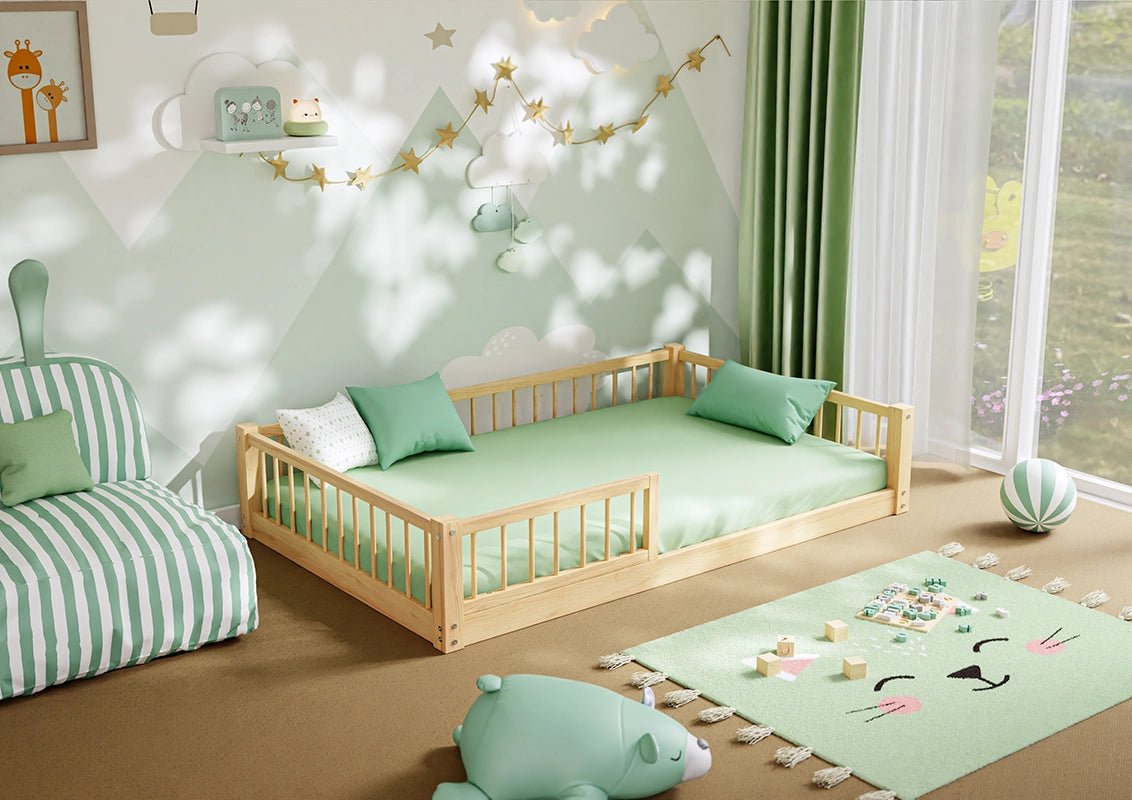
Place the toddler bed near a wall for safety and space saving. Keep pathways clear to avoid tripping hazards. Use vertical space by adding shelves for toys and books. Position a small nightlight within easy reach. Arrange furniture to leave room for play and movement. Keep the floor tidy to make the space feel larger.
Multi-functional Furniture
Choose furniture that serves more than one purpose. Beds with built-in storage help reduce clutter. Use a dresser that also works as a changing table. Small chairs can double as storage bins. Foldable or stackable furniture saves space when not in use. Multi-functional pieces keep the room neat and practical.
Maintenance And Longevity
Maintaining the smallest toddler bed well helps it last longer. Proper care keeps it safe and comfortable for your child. Simple steps can protect the bed from damage and dirt. This saves money and effort over time.
Cleaning Tips
Wipe the bed regularly with a soft, damp cloth. Use mild soap to remove stains and dirt. Avoid harsh chemicals that can damage the bed’s finish. Check for dust in corners and joints. Clean the mattress cover often to keep it fresh. Dry all parts completely to stop mold growth.
Durability Considerations
Choose beds made from solid wood or strong metal for better durability. Look for smooth edges and sturdy joints that hold well. Avoid beds with loose screws or weak parts. Tighten screws and bolts regularly to keep the bed stable. Inspect the bed for cracks or breaks to ensure safety.
When To Upgrade
Change the bed if it becomes too small for your child. Upgrade if parts break or the bed feels unsafe. Replace the mattress if it loses support or develops lumps. A bigger bed might be needed as your child grows. Watch for signs like discomfort or difficulty sleeping.
Credit: everestkitchennc.com
Frequently Asked Questions
What Is The Smallest Toddler Bed Size Available?
The smallest toddler beds typically measure 38 inches long and 18 inches wide. These compact beds fit well in small rooms or tight spaces. They offer comfort and safety for toddlers transitioning from a crib. Always check exact dimensions before purchase.
How To Choose The Right Small Toddler Bed?
Choose a small toddler bed based on room size, child’s age, and safety features. Look for sturdy frames and guardrails. Compact designs save space while ensuring comfort. Measure your room to ensure a perfect fit. Prioritize beds with non-toxic materials.
Are Small Toddler Beds Safe For Toddlers?
Yes, small toddler beds are safe when they meet safety standards. Look for beds with secure guardrails and stable frames. Ensure the mattress fits snugly to prevent gaps. Proper supervision and regular checks enhance safety. Always buy from reputable manufacturers.
Can Small Toddler Beds Fit In Limited Spaces?
Absolutely, small toddler beds are designed for limited spaces. Their compact size makes them ideal for shared bedrooms or apartments. They maximize floor space while providing a cozy sleeping area. Opt for beds with built-in storage for added functionality.
Conclusion
Choosing the smallest toddler bed helps save space in any room. It fits well in tight areas and keeps your toddler comfortable. Small beds make moving and cleaning easier for parents. Safety and size matter most when picking a bed.
A compact bed can make bedtime feel cozy and secure. Remember to check bed dimensions before buying. The right size supports your child’s good sleep and growth. Small toddler beds suit families who want smart, simple solutions.