Choosing the right oil for your outdoor furniture can make all the difference in keeping it looking fresh and lasting longer. You want your chairs, tables, and benches to withstand weather changes without losing their charm.
But with so many options out there, how do you know which oil will protect your furniture best? This guide will help you pick the perfect oil that matches your furniture’s material and your lifestyle. Keep reading to discover simple tips that will save your outdoor pieces from fading, cracking, or wear—and make your outdoor space look inviting season after season.
Credit: www.joalexander.co.uk
Types Of Oils For Outdoor Furniture
Choosing the right oil protects outdoor furniture from weather damage. Oils keep wood strong and looking fresh. Different types of oils offer unique benefits for various wood kinds. Understanding these oils helps you keep furniture in great shape for years.
Natural Oils
Natural oils come from plants and trees. They soak into wood and protect it from inside. Common natural oils include linseed oil and teak oil. These oils nourish wood and prevent drying or cracking. Natural oils are eco-friendly and safe to use around children and pets. They need regular reapplication to keep furniture protected.
Synthetic Oils
Synthetic oils are made in labs. They offer strong protection against water and UV rays. These oils create a hard, protective layer on wood surfaces. Synthetic oils last longer than natural oils and need less frequent application. Some synthetic oils may contain chemicals, so check labels before use. They work well for harsh weather conditions.
Blended Oils
Blended oils combine natural and synthetic ingredients. They provide deep wood nourishment and strong surface protection. These oils balance eco-friendliness and durability. Blended oils are easy to apply and dry quickly. They help maintain the wood’s natural color and texture. This type suits most outdoor furniture types.
Credit: www.furnitureclinic.co.uk
Benefits Of Using Oil On Outdoor Furniture
Oiling outdoor furniture keeps it looking fresh and strong. It helps the wood last longer and stay beautiful. Using the right oil brings many benefits that protect and improve your furniture. This simple step makes a big difference in care and appearance.
Enhancing Wood Grain
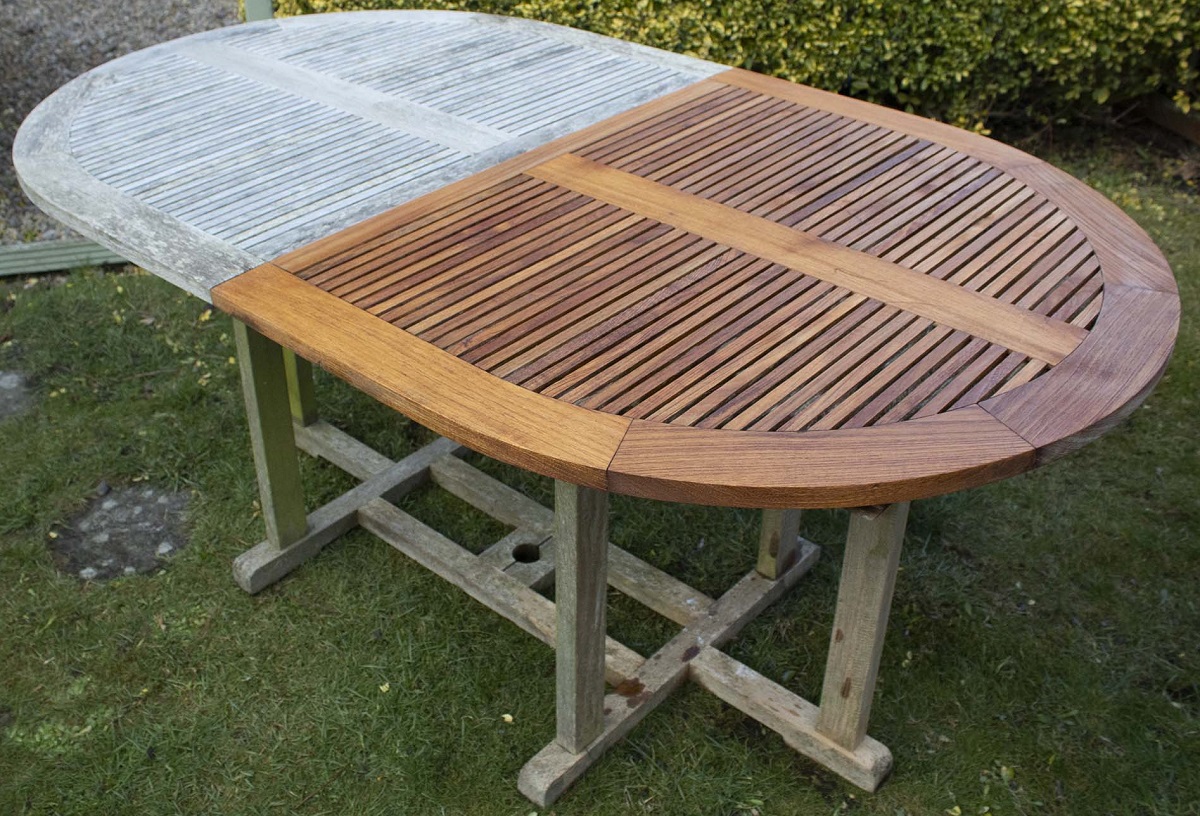
Oiling highlights the natural patterns in the wood. It makes the grain look richer and deeper. The wood gains a warm, glowing finish that feels smooth to touch. This effect brings out the unique beauty of each piece.
Protecting Against Weather
Oil forms a shield against rain, sun, and wind. It stops water from soaking into the wood. This prevents damage from moisture and sun fading. Oiled furniture handles outdoor conditions much better and stays strong.
Preventing Cracks And Splits
Wood dries out under sun and wind, causing cracks. Oil keeps moisture inside the wood, stopping it from drying too fast. This reduces splitting and breaking. Regular oiling keeps furniture solid and safe to use.
Best Oils For Different Wood Types
Choosing the right oil for outdoor furniture depends on the wood type. Each wood needs a specific oil to protect and enhance its look. Using the correct oil helps keep furniture strong and beautiful for years.
Teak Wood
Teak is dense and oily naturally. Use teak oil to keep its rich color and protect it from water damage. This oil penetrates deeply and prevents cracking and fading. Regular application keeps teak furniture looking fresh.
Cedar And Redwood
Cedar and redwood are soft and absorb oils well. Linseed oil works great to protect these woods from moisture. It also helps reduce warping and splits. Apply often to maintain the wood’s natural red tone.
Pine And Other Softwoods
Pine and softwoods need oils that soak in quickly. Tung oil is ideal as it dries fast and creates a strong finish. It protects against weather and keeps the wood smooth. Use thin coats for the best result.
Application Tips For Lasting Shine
Oiling outdoor furniture keeps it looking fresh and protects it from weather damage. Proper application helps the oil soak in well. This leads to a lasting shine that brightens your outdoor space.
Following the right steps ensures the oil works effectively. It also saves you time and effort in the long run. Here are some key tips for applying oil to your outdoor furniture.
Preparing The Surface
Start by cleaning the furniture with a soft brush or cloth. Remove dirt, dust, and old oil residue. Let the furniture dry completely before applying oil.
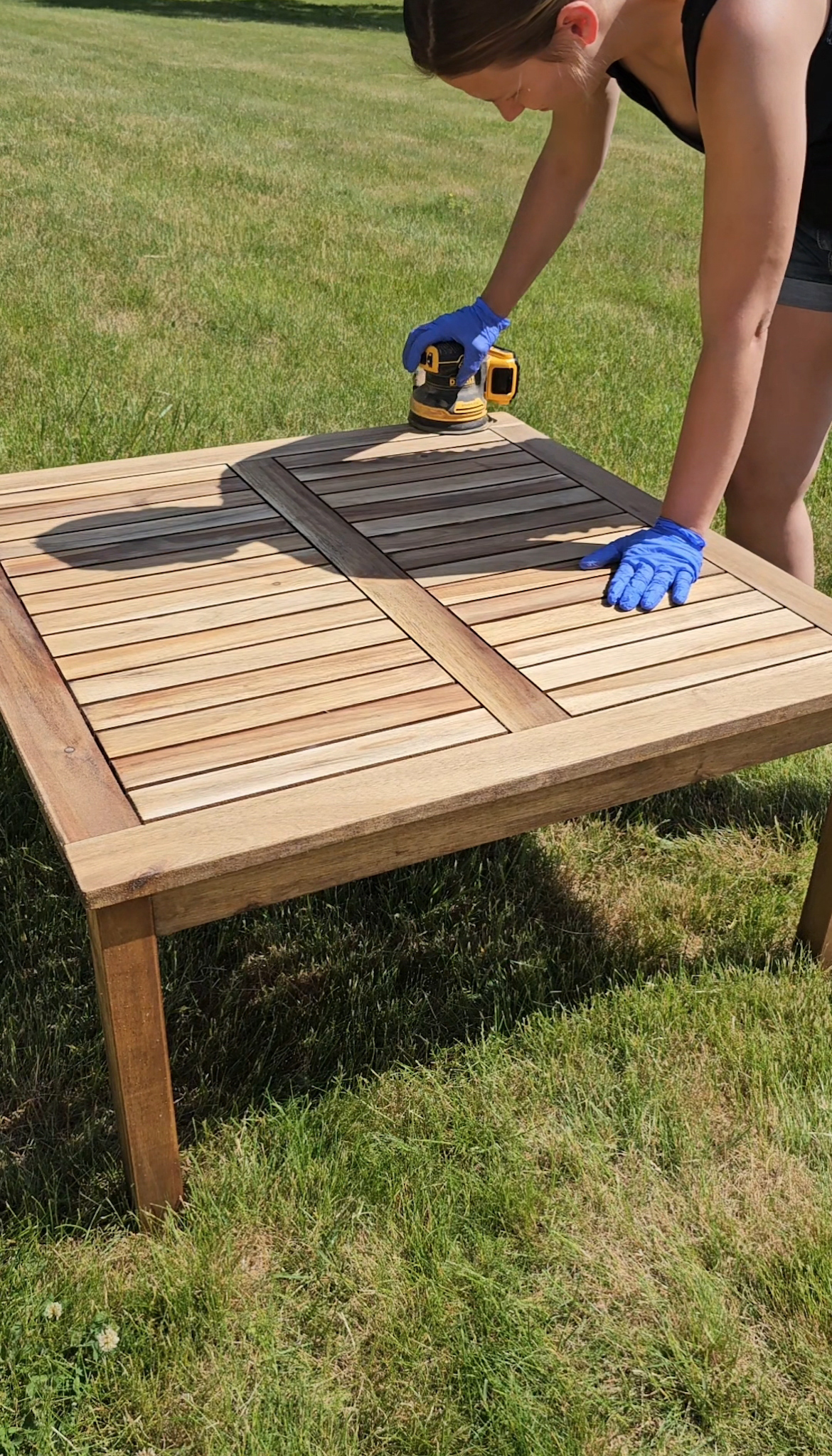
Sanding rough areas lightly helps the oil absorb better. Use fine-grit sandpaper and wipe off the dust afterward. This step creates a smooth surface ready for oil.
Applying Oil Correctly
Use a clean, lint-free cloth or a brush to apply oil. Work in thin, even layers to avoid sticky spots. Always follow the wood grain while applying.
Let the oil soak into the wood for about 15 to 30 minutes. Wipe off any excess oil with a dry cloth. This prevents a sticky surface and enhances shine.
Frequency Of Oiling
Oil your outdoor furniture at least twice a year. Early spring and late summer are ideal times. More frequent oiling might be needed in harsh weather.
Check your furniture regularly for dryness or fading. Applying oil as needed keeps the wood nourished and looking great. Consistent care extends your furniture’s life.
Common Mistakes To Avoid
Choosing the right oil for outdoor furniture is important. Using oil correctly keeps wood healthy and looking good. Avoiding common mistakes helps protect your furniture for years. Many people make simple errors that can damage wood or reduce its lifespan.
Over-oiling
Applying too much oil is a frequent mistake. Excess oil sits on the surface and does not soak in. This can make the wood sticky and attract dirt. Over-oiling also wastes product and can cause uneven finishes. Use a thin, even coat and wipe off extra oil promptly.
Ignoring Weather Conditions
Weather impacts how oil works on outdoor wood. Applying oil in cold or wet conditions prevents proper absorption. Rain or high humidity can wash away the oil or cause uneven drying. Always check the weather forecast and choose a dry, warm day to oil your furniture.
Using The Wrong Oil
Not all oils suit outdoor wood. Some oils dry too slowly or do not protect against moisture. Avoid cooking oils or oils meant for indoor furniture. Look for oils designed specifically for outdoor use. These oils seal wood and resist weather damage better.
Maintaining Oiled Outdoor Furniture
Maintaining oiled outdoor furniture keeps it strong and beautiful. Oil protects wood from water and sun damage. Regular care helps wood last longer and look fresh. Simple steps can keep your furniture in good shape all year.
Cleaning Before Reapplication
Clean furniture before adding new oil. Remove dirt and dust with a soft brush or cloth. Use mild soap and water for tough spots. Let furniture dry fully before oiling. Clean surfaces help oil soak in better. This keeps wood healthy and shiny.
Storage Tips
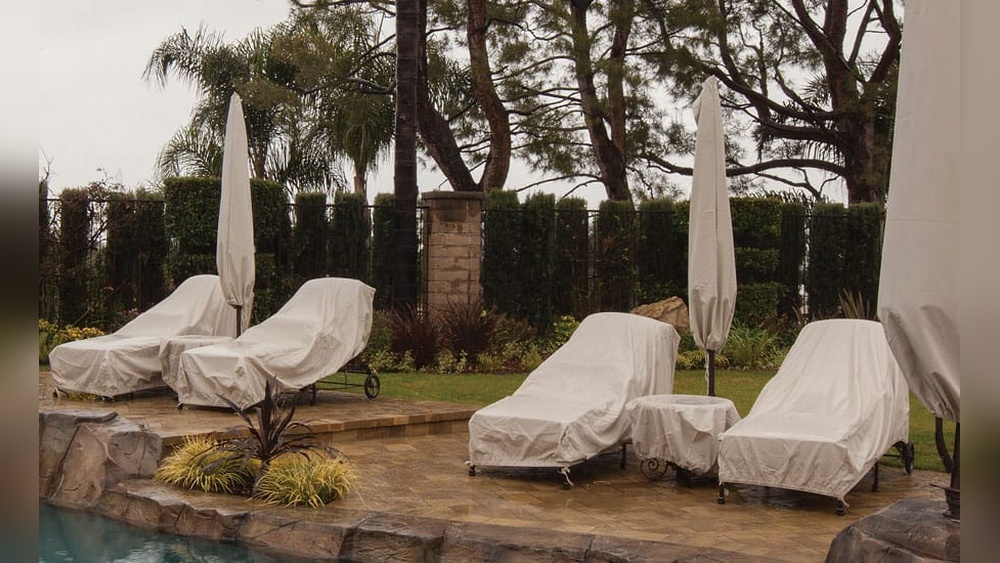
Store furniture in a dry, shaded place. Cover it with breathable fabric to stop dust. Avoid plastic covers that trap moisture. If possible, bring furniture indoors during bad weather. Proper storage lowers damage from rain and sun. It keeps wood smooth and protected.
Spot Treatments
Fix small scratches or stains quickly. Use a soft cloth to apply a little oil on the spot. Let it soak in and dry well. Repeat if needed. Spot treatments stop damage from growing. They keep the whole piece looking good.
Eco-friendly Oil Options
Choosing the right oil for outdoor furniture protects wood and helps the environment. Eco-friendly oils are safe for nature and your family. These oils come from natural sources and do not contain harmful chemicals. They keep your furniture looking good without hurting the planet.
Sustainable Sourced Oils
Sustainable oils come from plants grown without harming forests or wildlife. Examples include teak oil, linseed oil, and walnut oil. These oils are renewable and break down naturally in the environment. Using them supports farmers who grow plants in safe ways. They also help reduce waste and pollution.
Non-toxic Choices
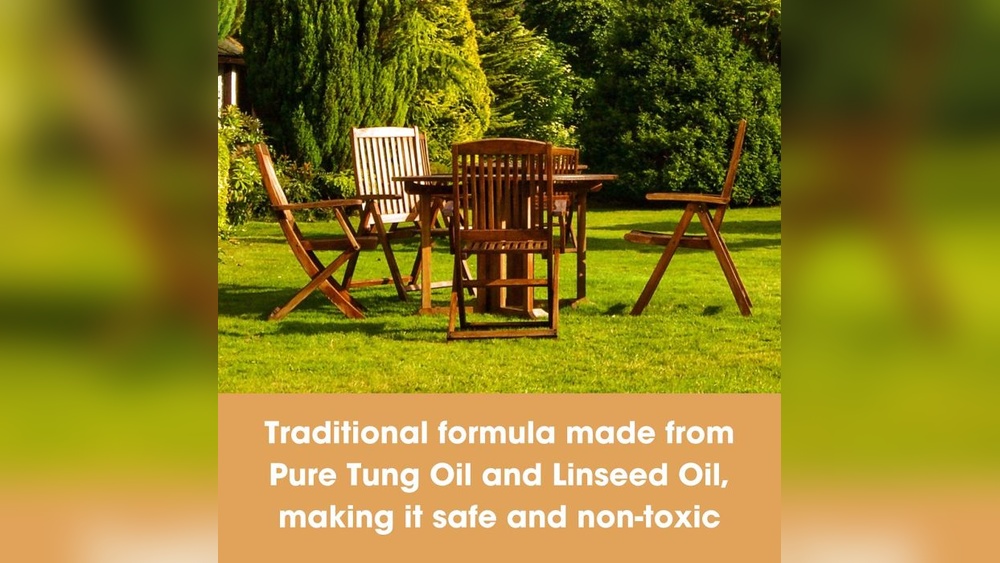
Non-toxic oils do not release dangerous fumes or chemicals. They are safe for children and pets around your outdoor space. Natural oils like tung oil and hemp oil fit this choice. These oils protect wood while keeping the air clean. Non-toxic oils give peace of mind and a healthy home.
Credit: simplifythechaos.com
Frequently Asked Questions
What Is The Best Oil For Outdoor Wood Furniture?
Teak oil is ideal for outdoor wood furniture. It penetrates deeply, enhances grain, and resists weather damage. It protects against moisture and UV rays, extending the furniture’s lifespan while maintaining a natural finish.
How Often Should I Oil Outdoor Furniture?
Oil your outdoor furniture every 6 to 12 months. Regular application prevents drying, cracking, and fading. Frequency depends on exposure to sun and rain, so inspect your furniture and reapply oil as needed for optimal protection.
Can I Use Olive Oil On Outdoor Furniture?
Olive oil is not recommended for outdoor furniture. It doesn’t provide adequate protection against weather elements and can attract dirt and pests. Use specialized oils like teak or linseed oil for better durability and finish.
Should I Clean Furniture Before Applying Oil?
Yes, clean your furniture thoroughly before oiling. Remove dirt, dust, and old finishes to ensure oil penetrates well. Use mild soap and water, then let the surface dry completely for the best results.
Conclusion
Choosing the right oil protects your outdoor furniture well. Oils like teak, linseed, or tung keep wood strong and beautiful. They stop cracks and water damage from ruining your pieces. Regular oiling extends furniture life and saves money. Clean the surface before applying oil for best results.
A little care goes a long way in outdoor furniture upkeep. Keep your space looking fresh and inviting year-round. Simple steps make a big difference in protecting wood. Your outdoor furniture deserves this easy, effective care.