Your outdoor wood furniture deserves the best care to stay beautiful and strong through all seasons. But with so many oils on the market, you might wonder: what oil should you use to protect your wood?
Choosing the right oil can make a huge difference in how your furniture looks and lasts. You’ll discover simple tips to pick the perfect oil that keeps your wood nourished, weather-resistant, and glowing with natural beauty. Keep reading to find out exactly what works best for your outdoor pieces—and why it matters more than you think.
Credit: www.furnitureclinic.com
Choosing The Right Oil
Choosing the right oil for outdoor wood furniture protects it from weather damage. It also keeps the wood looking fresh and natural. Different oils work better for certain wood types and climates. Understanding oil types and their qualities helps you pick the best one.
Types Of Oils For Wood
Oils come in many forms for wood care. Common ones include linseed oil, tung oil, teak oil, and Danish oil. Linseed oil is popular for deep wood penetration. Tung oil offers strong water resistance. Teak oil suits dense hardwoods. Danish oil combines oil with varnish for added protection. Each oil has unique benefits for outdoor use.
Natural Vs Synthetic Oils
Natural oils come from plants and nuts. They soak into the wood and enhance its grain. Natural oils are eco-friendly and safe to use. Synthetic oils contain chemicals made in labs. They often provide longer-lasting protection. Synthetic oils can resist mold and UV damage better. Choose based on your preference for natural or durable finishes.
Oil Properties To Consider
Check how well the oil penetrates the wood. Good penetration means better protection inside the wood fibers. Drying time matters; faster drying oils save time. Look for water resistance to protect from rain and humidity. UV protection helps prevent wood from fading. Also, consider if the oil adds a glossy or matte finish. Pick an oil that matches your wood type and weather conditions.
Popular Oils For Outdoor Wood
Outdoor wood furniture needs protection from sun, rain, and dirt. Oils help keep wood strong and beautiful. Some oils work better on certain wood types. Choosing the right oil extends the life of your furniture. Here are popular oils used for outdoor wood.
Teak Oil
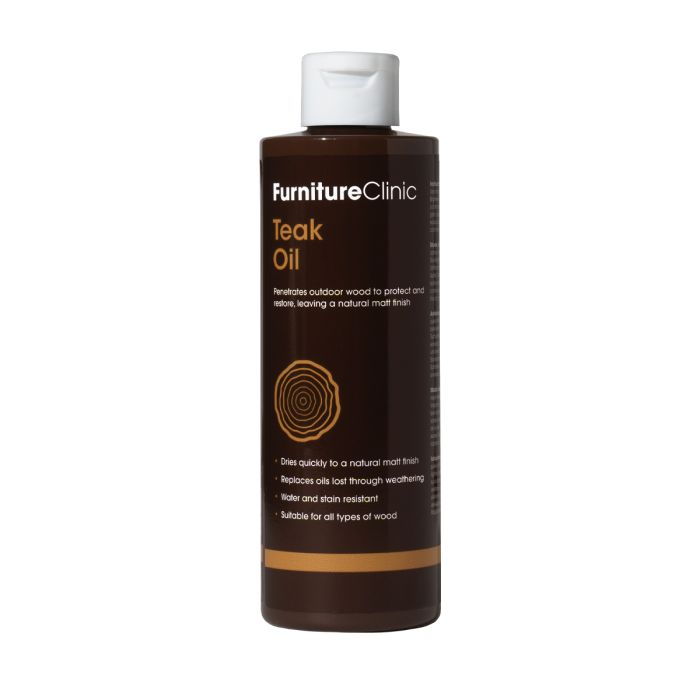
Teak oil is famous for hardwoods like teak and mahogany. It penetrates deep to protect from moisture and UV rays. This oil keeps wood looking natural and rich. It also prevents cracking and fading over time. Regular use keeps furniture smooth and shiny.
Linseed Oil
Linseed oil comes from flax seeds and is easy to apply. It soaks into wood and forms a water-resistant layer. This oil is best for softwoods like pine and cedar. It darkens the wood slightly, giving a warm glow. Linseed oil needs multiple coats for strong protection.
Tung Oil
Tung oil dries quickly and creates a hard, flexible finish. It resists water and sunlight well. This oil works on many wood types, especially outdoor pieces. Pure tung oil is natural and non-toxic. It improves wood grain and adds a subtle shine.
Danish Oil
Danish oil is a blend of oil and varnish. It offers good protection and a smooth finish. This oil dries faster than pure oils. It enhances wood color and grain without sticky residue. Danish oil is great for furniture that faces weather changes.
Preparing Wood For Oiling
Preparing wood for oiling is an important step to keep outdoor furniture strong and beautiful. Wood that is clean and smooth absorbs oil better. It also lasts longer outside. Proper preparation helps protect the wood from water and sun damage.
Each step before oiling makes a difference. Follow these steps carefully for the best results.
Cleaning And Sanding
Start by cleaning the wood surface. Use a soft brush or cloth to remove dirt and dust. For stubborn stains, use mild soap and water. Let the wood dry completely before sanding.
Next, sand the wood with fine-grit sandpaper. Sanding smooths rough spots and opens the wood grain. This helps the oil soak in deeply. Always sand in the direction of the wood grain to avoid scratches.
Removing Old Finish
Old paint or varnish can block oil absorption. Remove any old finish using a chemical stripper or sandpaper. Test a small area first to avoid damage. Work carefully to expose fresh wood underneath. Clean off any residue after removal.
Drying The Wood
Wood must be dry before applying oil. Moisture stops the oil from soaking in well. Let the furniture dry in a shaded, airy place for at least 24 hours. Avoid direct sunlight, which can cause cracking. Check for damp spots before oiling.
Applying Oil To Wood
Applying oil to outdoor wood furniture keeps it strong and beautiful. The oil protects wood from water, sun, and dirt. It also brings out the natural grain and color. Proper oiling helps wood last longer and look fresh.
Follow the right steps and use the correct tools. A good oil application means smooth, even coverage without sticky spots. This section shows how to apply oil easily and well.
Tools For Application
Use a clean, soft cloth or a natural bristle brush for applying oil. A foam brush works well for small areas. Have sandpaper ready for light sanding before oiling. Gloves protect your hands from the oil. Keep a clean rag handy to wipe off extra oil.
Step-by-step Oiling Process
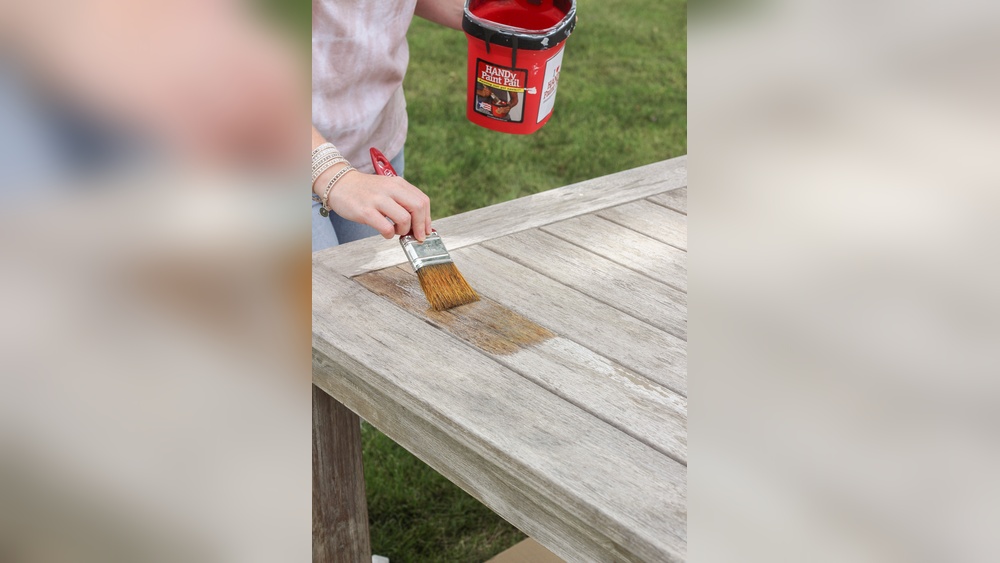
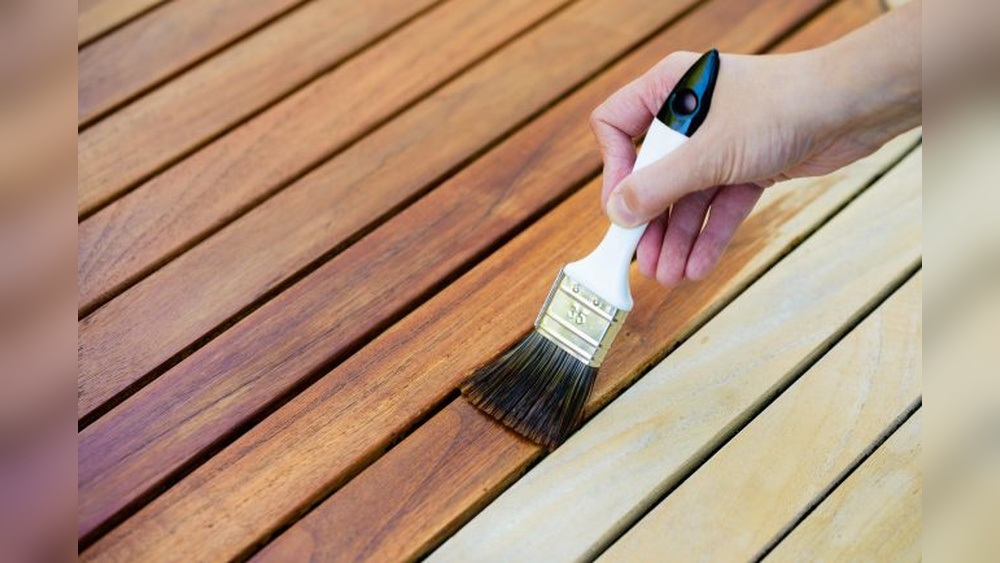
Start by cleaning the wood surface. Remove dirt and dust with a damp cloth. Lightly sand the wood to open its pores. Wipe off sanding dust completely. Dip the cloth or brush into the oil. Apply oil in the direction of the wood grain. Use smooth, even strokes for full coverage. Let the oil soak into the wood for 15-20 minutes. Wipe away any oil that does not absorb. Let the wood dry fully before applying more coats.
Number Of Coats Needed
One coat may be enough for new, dry wood. Older or rough wood needs two or three coats. Each coat adds more protection and shine. Allow drying time between coats, usually 24 hours. Avoid applying too many coats; it can cause a sticky finish. Check the wood’s appearance and feel before applying another coat.
Maintaining Oiled Furniture
Oiled outdoor wood furniture looks beautiful and lasts longer with proper care. Maintaining the oil finish keeps the wood protected from drying and cracking. It also helps the furniture resist water and dirt. Regular upkeep is key to keeping your furniture in great shape year-round.
Frequency Of Reapplication
Reapply oil every 6 to 12 months. The exact time depends on weather and use. Check for dull spots or dry areas on the wood. These signs mean the oil layer is wearing off. Apply a thin, even coat of oil to refresh the wood’s protection. Avoid waiting until the wood looks damaged.
Cleaning Tips
Clean furniture gently before oiling. Use a soft brush or cloth to remove dirt and dust. Mild soap and water work well for tough spots. Avoid harsh chemicals that can strip the oil. Let the wood dry fully before applying oil. Clean furniture lasts longer and absorbs oil better.
Protecting Against Weather
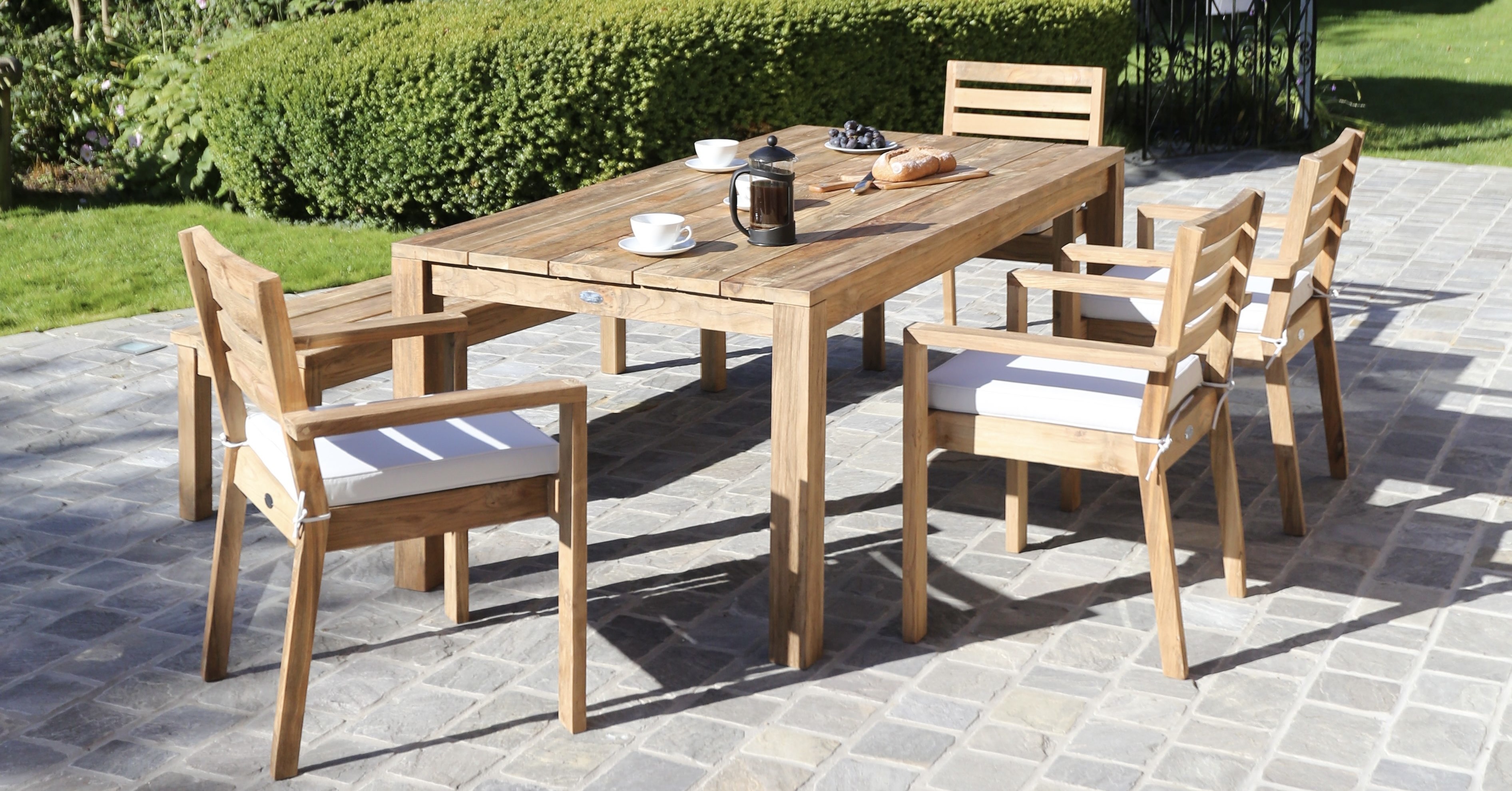
Cover furniture during heavy rain or snow. Use breathable furniture covers to avoid moisture build-up. Place furniture in shaded areas to reduce sun damage. Sun causes oil to break down faster. Move furniture indoors or to a sheltered spot in winter. Proper protection helps maintain the wood’s natural beauty.
Credit: www.joalexander.co.uk
Common Mistakes To Avoid
Taking care of outdoor wood furniture needs more than just picking any oil. Many make simple mistakes that harm the wood or reduce the oil’s effectiveness. Avoiding these common errors helps keep your furniture strong and beautiful for years.
Using The Wrong Oil
Not all oils suit outdoor wood. Some oils dry too fast or do not protect from water. Avoid cooking oils or cheap oils made for indoor use. Choose oils made for outdoor wood, like teak oil or tung oil. These oils protect wood from sun and rain damage.
Overapplying Oil
More oil does not mean better protection. Too much oil leaves sticky surfaces that attract dirt. It can also cause uneven color and peeling. Apply a thin, even layer of oil. Let the wood absorb it fully before adding more. This keeps the wood smooth and clean.
Ignoring Surface Preparation
Oiling old or dirty wood without cleaning first is a big mistake. Dirt, dust, and old finishes block oil from soaking in. Always clean the wood well and sand rough spots. This opens the wood pores and helps oil penetrate deep. Proper preparation makes the oil last longer and work better.
Enhancing Durability
Keeping outdoor wood furniture strong takes more than just oiling it. Protecting wood from sun, rain, and cold keeps it lasting longer. Simple steps can boost the wood’s life and keep it looking good.
Combining Oils With Sealants
Oils like teak or linseed soak into the wood and protect it. Sealants add a tough layer on top. This layer stops water from soaking in. Together, oils and sealants guard wood from cracking and fading.
Storing Furniture Properly
Store wood furniture in dry, covered places during winter. Keep it off the ground to avoid moisture. Good storage slows wear and stops mold growth. Clean and dry furniture before storing it.
Covering During Harsh Weather
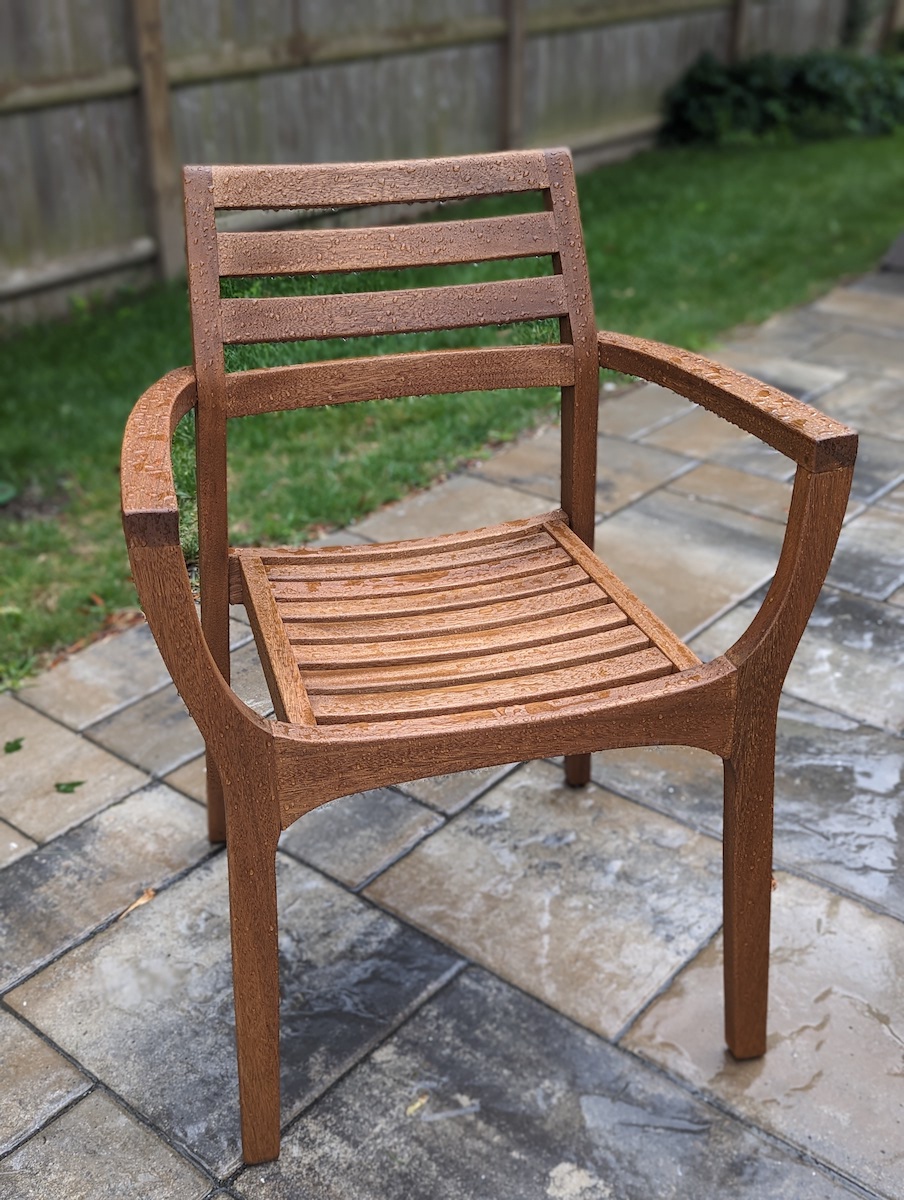
Use covers to shield furniture from heavy rain and snow. Covers block water and dirt from reaching the wood. Choose breathable covers to avoid trapping moisture. Covering helps prevent damage and keeps wood healthy.
Credit: www.findingsilverpennies.com
Frequently Asked Questions
What Is The Best Oil For Outdoor Wood Furniture?
Teak oil is ideal for outdoor wood furniture. It penetrates deeply, protects against moisture, and enhances natural grain. It also resists UV damage and prevents cracking or drying, extending the wood’s lifespan effectively.
How Often Should I Oil Outdoor Wood Furniture?
Oil outdoor wood furniture every 6 to 12 months. Frequency depends on climate and exposure to sunlight or rain. Regular oiling maintains protection, prevents weathering, and keeps the wood looking fresh and vibrant.
Can I Use Olive Oil On Outdoor Wood Furniture?
Olive oil is not recommended for outdoor wood furniture. It can become sticky, attract dirt, and eventually spoil. Use oils specifically made for wood, like teak or linseed oil, for better protection and longevity.
Does Oiling Outdoor Wood Prevent Weather Damage?
Yes, oiling outdoor wood forms a protective barrier. It repels water, reduces cracking, and prevents UV damage. Regular oiling helps maintain wood’s natural beauty and durability against harsh weather conditions.
Conclusion
Choosing the right oil keeps outdoor wood furniture strong and beautiful. Natural oils like teak or linseed protect wood from sun and rain. Regular oiling stops cracks and fading. Clean the furniture first for best results. Small effort, big difference.
Enjoy your wood’s natural look longer. Simple care helps furniture last many seasons. Try different oils to find what suits your wood best. Keep your outdoor space warm and inviting with well-treated wood.