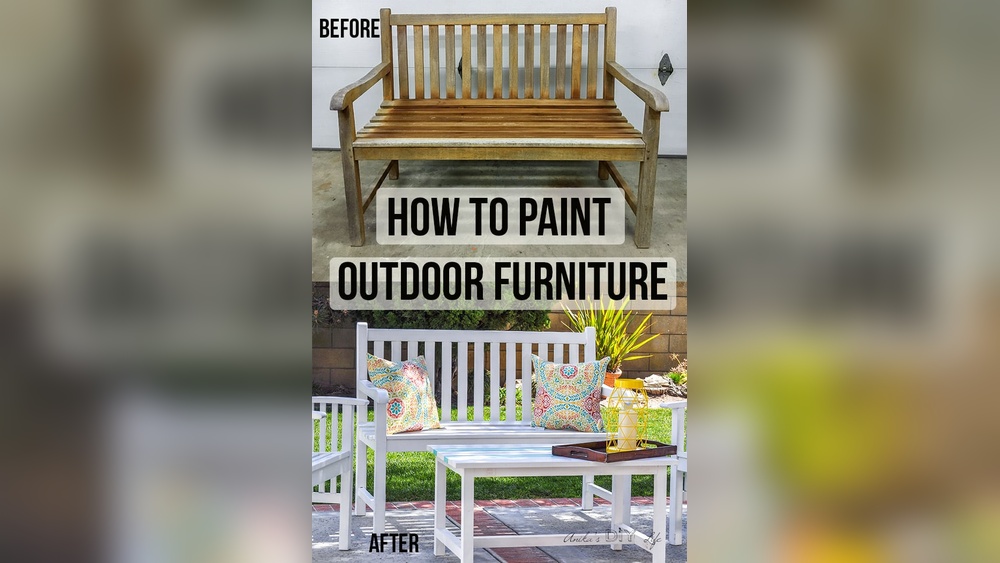
Are you wondering what paint to use on your outdoor wood furniture to make it look great and last longer? Choosing the right paint isn’t just about color—it’s about protecting your furniture from sun, rain, and wear.
The wrong paint can peel, fade, or even damage the wood over time. But don’t worry. You’ll discover exactly which types of paint work best, how to prepare your furniture, and tips to keep your outdoor pieces looking fresh year after year.
Keep reading, and you’ll have all the answers you need to transform your outdoor space with confidence.
Types Of Paint For Outdoor Wood
Choosing the right paint for outdoor wood furniture is important. The paint protects wood from weather and wear. It also keeps furniture looking fresh and new. Different paints offer different benefits. This section explains three common types of paint for outdoor wood.
Latex Paint Benefits
Latex paint is water-based and easy to use. It dries fast and cleans up with soap and water. Latex paint resists cracking and peeling. It also handles temperature changes well. This paint is good for outdoor furniture that needs a smooth finish. It allows wood to breathe, reducing moisture damage.
Oil-based Paint Features
Oil-based paint sticks strongly to wood. It forms a hard, durable layer that resists chips. This paint works well on rough or previously painted wood. Oil-based paint takes longer to dry and requires mineral spirits for cleanup. It offers excellent protection from rain and sun damage.
Acrylic Paint Advantages
Acrylic paint is a type of latex paint with added flexibility. It holds color well and resists fading. Acrylic paint is water-resistant and tough against wear. It expands and contracts with wood, helping prevent cracks. This paint is a popular choice for outdoor wood furniture.
Preparing Wood For Painting
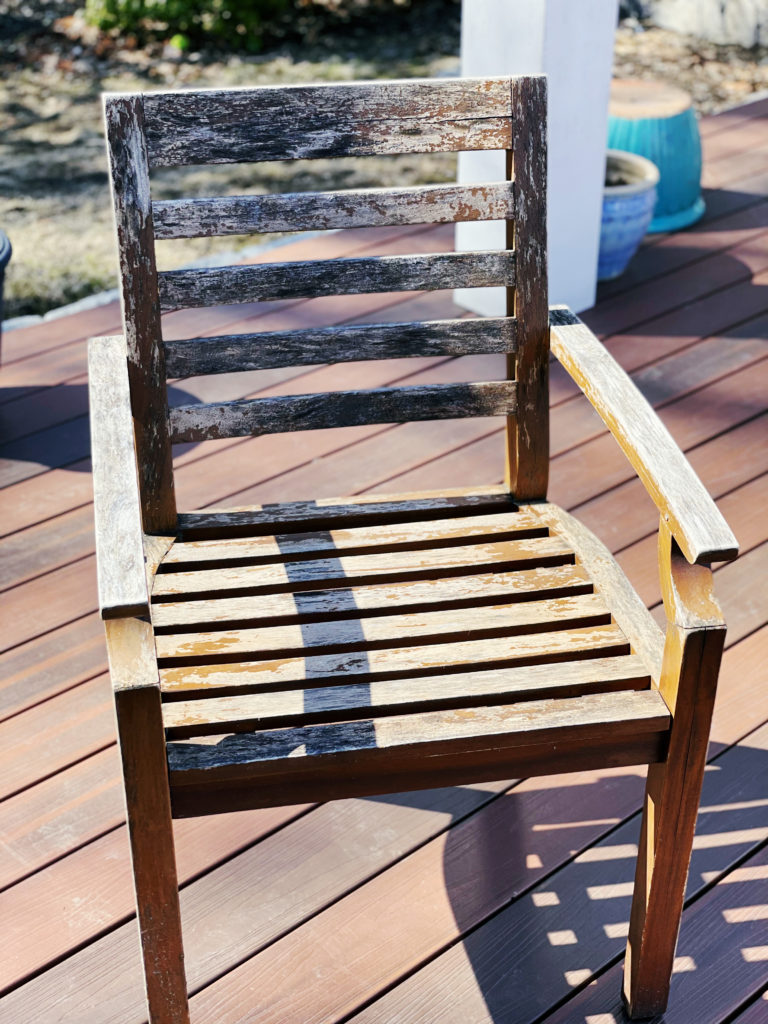
Preparing wood for painting is the first step to a long-lasting finish. Outdoor wood faces weather, sun, and moisture. Proper preparation helps paint stick better and last longer. It also smooths the surface and removes dirt or old paint. Follow these steps carefully for the best results.
Cleaning And Sanding
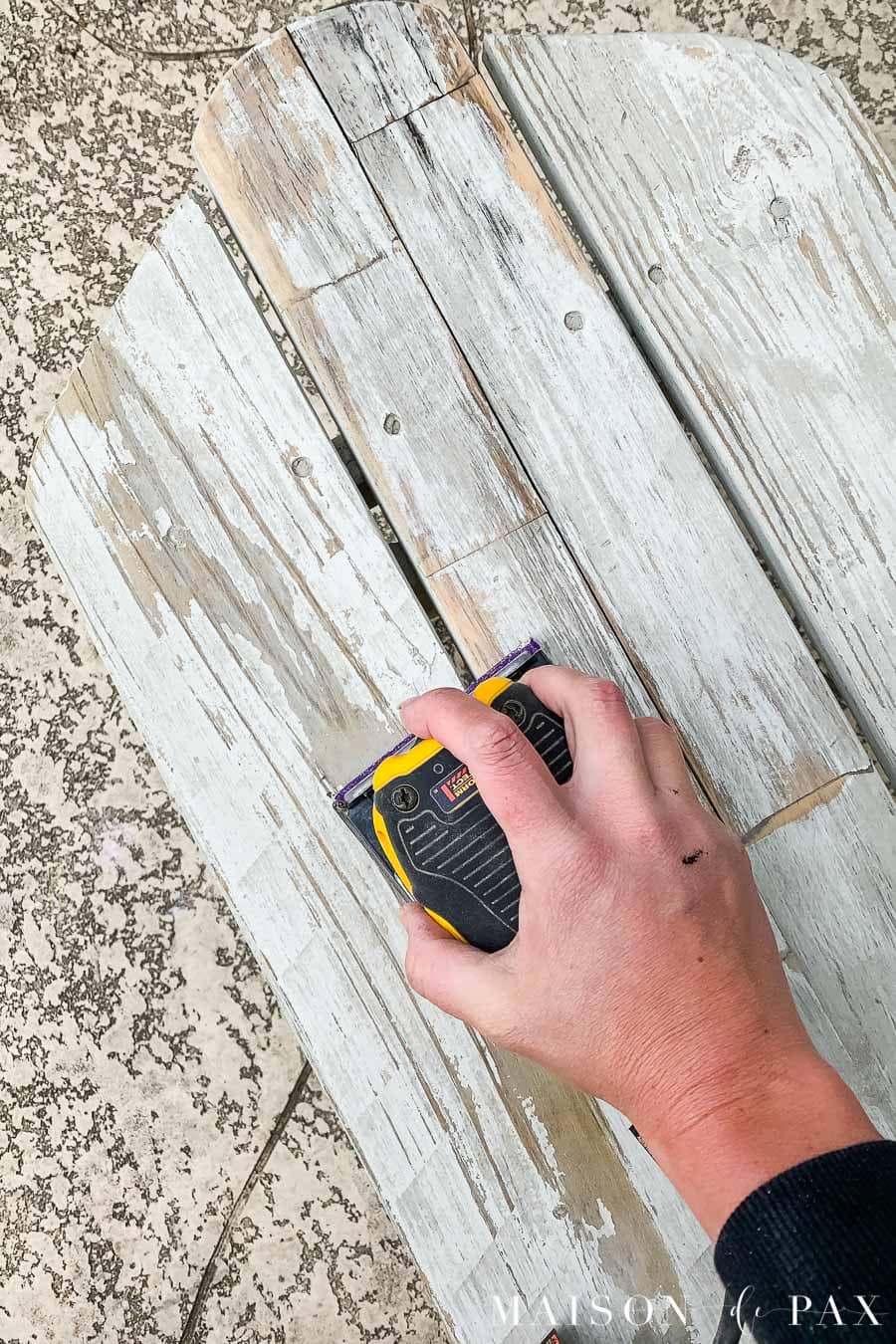
Start by cleaning the wood surface. Use a mild soap and water to remove dirt and grime. Rinse well and let the wood dry completely. Sand the wood to smooth rough areas and remove old paint. Use medium-grit sandpaper for best results. Sand in the direction of the wood grain. Wipe away dust with a clean cloth before moving on.
Repairing Damages
Check the wood for cracks, holes, or splinters. Fill small holes with wood filler or putty. Let the filler dry according to instructions. Sand the filled areas smooth to match the wood surface. Replace any broken or rotten wood pieces. Repairing damages prevents paint from peeling or cracking later.
Priming The Surface
Apply a primer made for outdoor wood. Primer seals the wood and creates a good base for paint. Use a brush or roller for even coverage. Let the primer dry fully before painting. Priming improves paint adhesion and protects wood from moisture. It also helps hide wood stains and imperfections.
Choosing The Right Paint Finish
Choosing the right paint finish for outdoor wood furniture affects both looks and protection. The finish changes how the wood appears and how well it stands up to weather. Picking the right one helps keep furniture beautiful and strong for years.
Matte Vs Glossy
Matte paint has no shine. It hides wood flaws well. This finish gives a soft, natural look. It does not reflect light much. Glossy paint is very shiny. It makes colors look bright and clear. Gloss shows every scratch and dent quickly. Choose matte for a subtle style. Pick glossy for a bold, shiny look.
Satin And Semi-gloss Options
Satin finish has a soft sheen. It is easier to clean than matte. Satin works well for wood with some texture. Semi-gloss is shinier than satin but less than glossy. It handles dirt and water better. Both satin and semi-gloss offer a balance. They give some shine and good durability.
Durability Considerations
Outdoor wood needs paint that resists sun and rain. Glossy and semi-gloss finishes last longer outside. They protect wood from moisture and fading. Matte paints may wear faster in harsh weather. Satin offers moderate protection and looks nice. Choose a finish that fits your climate. Better durability means less repainting over time.
Credit: www.maisondepax.com
Application Techniques
Applying paint to outdoor wood furniture needs care and attention. The right method helps the paint last longer and look smooth. Different techniques work best for different furniture shapes and paint types. Choosing the right way to apply paint can protect your wood from sun and rain damage. Here are some easy and effective ways to paint your outdoor wood furniture.
Brushing Tips
Use a good quality brush with soft bristles. Dip the brush lightly in paint. Avoid overloading to prevent drips. Paint in the direction of the wood grain. Use long, even strokes for smooth coverage. Let the first coat dry before applying the next. Clean the brush well after use to keep it soft.
Rolling Strategies
Choose a small foam roller for flat surfaces. Roll paint on with light pressure. Work in small sections to keep paint wet. Avoid pressing too hard to stop bubbles. Roll in one direction to spread paint evenly. Use a brush for corners and edges. This method is fast and gives a smooth finish.
Spraying Methods
Use a spray gun or aerosol paint for quick application. Keep the spray moving to avoid thick spots. Hold the spray about 8 to 12 inches from the wood. Spray in thin layers and let each dry before the next. Wear a mask and work outside or in a well-ventilated area. Spraying reaches tricky areas and gives a uniform coat.
Maintaining Painted Outdoor Furniture
Maintaining painted outdoor wood furniture keeps it looking fresh and lasts longer. Proper care protects the paint from weather damage and daily wear. It also helps prevent peeling, cracking, and fading. Simple steps can extend your furniture’s life and keep its color bright.
Cleaning Tips
Clean your furniture regularly to remove dirt and dust. Use a soft brush or cloth with mild soap and water. Avoid strong chemicals that can damage the paint. Rinse with clean water and dry with a soft towel. Do this gently to protect the paint layer.
Touch-up Procedures
Inspect your furniture often for chips or scratches. Lightly sand the damaged area before painting. Use the same paint type and color for touch-ups. Apply thin coats and let each dry completely. This keeps the finish smooth and consistent.
Protective Measures
Place furniture in shaded or covered areas when possible. Use furniture covers during rain or winter months. Avoid dragging furniture on rough surfaces to prevent paint damage. Apply a clear sealant once a year to protect the paint. These steps help keep your furniture looking new.
Credit: whitneysowles.com
Common Mistakes To Avoid
Painting outdoor wood furniture can be tricky. Many people make simple mistakes that shorten the paint’s life. Avoiding these errors helps your furniture stay beautiful for years. Focus on these common pitfalls to get the best results.
Ignoring Weather Conditions
Paint dries best in dry weather with moderate temperatures. Painting on rainy or very hot days causes problems. Rain washes away fresh paint. Heat makes paint dry too fast, causing cracks. Always check the weather before you start.
Skipping Primer
Primer helps paint stick to wood better. It seals the wood and stops moisture from getting in. Without primer, paint peels and chips quickly. Use a primer made for outdoor wood. It makes the paint last longer and look smoother.
Using Incorrect Paint Types
Not all paints work well outside. Interior paints cannot handle sun, rain, or cold. Choose paint labeled for outdoor wood furniture. These paints resist fading and protect wood from weather damage. Pick a paint with UV protection for extra durability.
Eco-friendly Paint Options
Choosing paint for outdoor wood furniture requires care for the environment. Eco-friendly paints protect wood and reduce harm to nature. These paints release fewer chemicals. They help keep the air and soil clean. Using eco-friendly paint also means safer furniture for your family and pets.
Low Voc Paints
Low VOC paints contain fewer harmful chemicals. VOC stands for volatile organic compounds. These compounds can cause bad smells and health problems. Low VOC paints reduce air pollution. They are better for your home and the planet. These paints last long and protect wood well.
Natural Paint Alternatives
Natural paints use ingredients from plants or minerals. Examples include clay, chalk, and milk paint. They do not have synthetic chemicals. These paints are gentle on the environment. They give wood a beautiful, natural look. Natural paints allow the wood to breathe and stay healthy.
Sustainable Brands
Some brands focus on eco-friendly paint production. They use renewable resources and safe ingredients. These companies often recycle and reduce waste. Choosing sustainable brands supports green business practices. Their paints work well for outdoor wood furniture. They help protect both your wood and the earth.
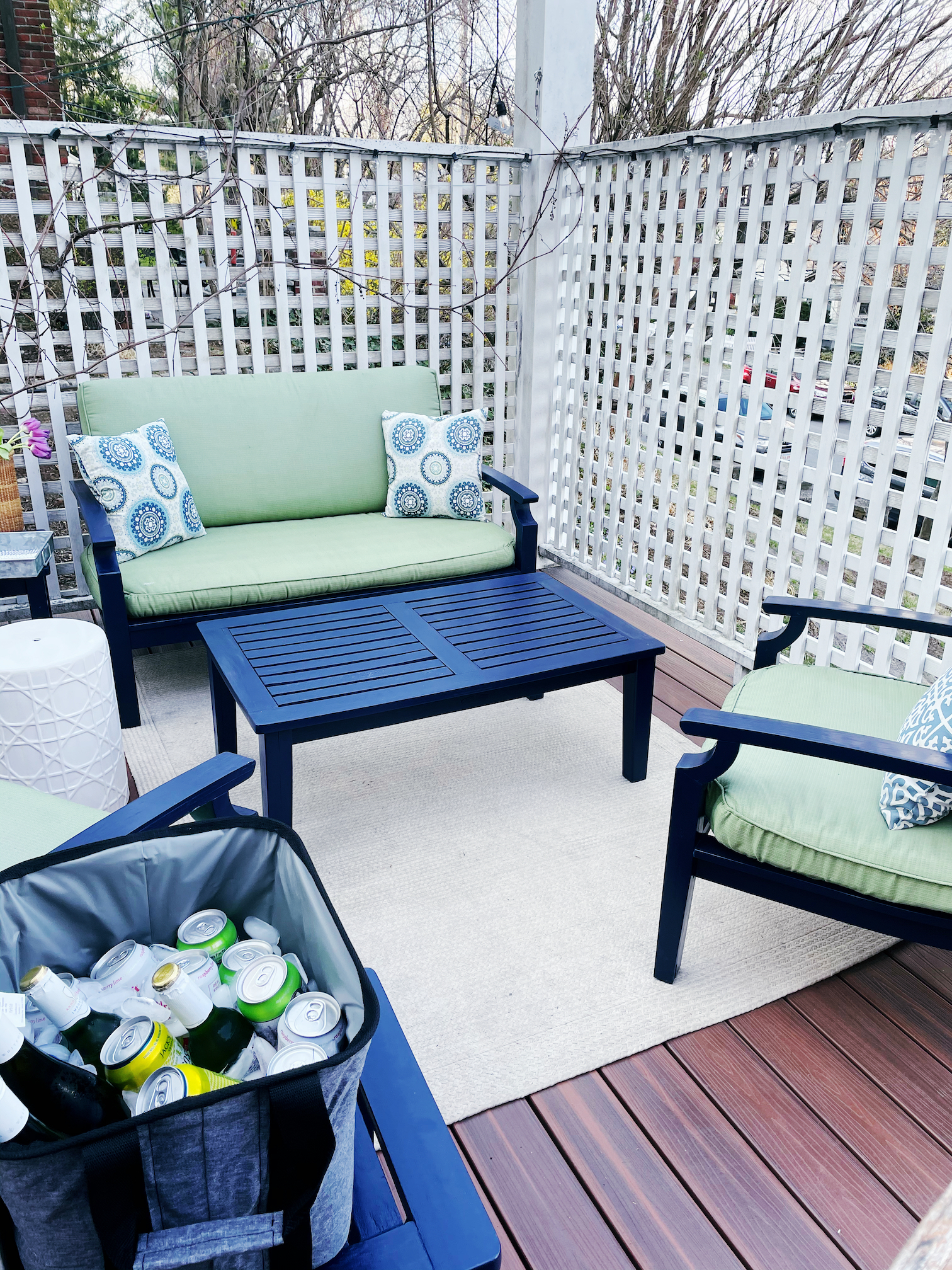
Credit: whitneysowles.com
Frequently Asked Questions
What Type Of Paint Is Best For Outdoor Wood Furniture?
Acrylic latex paint is best for outdoor wood furniture. It offers durability, weather resistance, and flexibility. It adheres well to wood, resists fading, and withstands moisture and UV rays. This paint type protects furniture and maintains a fresh appearance for years.
How Do I Prepare Outdoor Wood Furniture Before Painting?
Clean the surface thoroughly to remove dirt, dust, and mildew. Sand the wood to smooth rough spots and improve paint adhesion. Apply a suitable primer to seal the wood and enhance paint durability. Proper preparation ensures a long-lasting finish and better protection.
Can I Use Oil-based Paint On Outdoor Wood Furniture?
Yes, oil-based paint is suitable for outdoor wood furniture. It provides a hard, durable finish and excellent moisture resistance. However, it takes longer to dry and has stronger fumes. Choose oil-based paint if you want a glossy, tough surface that lasts.
How Many Coats Of Paint Are Needed For Outdoor Wood Furniture?
Two to three coats of paint are recommended for outdoor wood furniture. Multiple coats ensure even coverage, better protection, and enhanced durability. Allow each coat to dry completely before applying the next. This approach prevents peeling and extends the paint’s lifespan.
Conclusion
Choosing the right paint keeps outdoor wood furniture strong and good-looking. Use paint made for outside wood to stop damage from sun and rain. Always clean and dry the wood before painting. This helps the paint stick well and last longer.
Paint colors and finishes can also protect wood from cracking and fading. A little care goes a long way in keeping furniture fresh and durable. Enjoy your outdoor space with wood furniture that stays beautiful season after season.