Are you wondering how to get the best sound from your bookshelf speakers? One key step is setting the right crossover point.
But what exactly should bookshelf speakers be crossed over to? Choosing the right crossover frequency can make a huge difference in clarity, bass response, and overall enjoyment of your music or movies. You’ll discover simple, practical advice to help you optimize your speaker setup and unlock the full potential of your audio system.
Keep reading to find out how to make your bookshelf speakers sound their absolute best.

Credit: www.ebay.com
Basics Of Crossover Frequency
Crossover frequency is the point where sound signals split between speakers. It directs low sounds to woofers and high sounds to tweeters. Choosing the right crossover frequency helps speakers work well together. It avoids sound overlap and gaps. This balance creates clear and full audio.
For bookshelf speakers, setting the crossover frequency correctly is key. It affects how well the speakers blend with subwoofers or other speakers. Understanding this helps improve your listening experience.
Role Of Crossover In Audio Systems
The crossover divides audio signals by frequency. It sends bass tones to larger speakers. Treble tones go to smaller tweeters. This separation protects speakers from damage. It also helps each speaker play sounds it handles best. Without a crossover, sounds can become muddy or distorted. The crossover keeps the sound clear and balanced.
Impact On Sound Quality
Proper crossover frequency enhances audio clarity. It prevents bass from sounding too boomy or weak. High frequencies stay crisp and detailed. Wrong settings cause sound gaps or overlap. This makes music less enjoyable. Correct crossover tuning creates smooth sound flow. It gives a natural and full listening experience.
Typical Frequency Range For Bookshelf Speakers
Bookshelf speakers have a specific frequency range they can handle well. Knowing this range helps set the right crossover point. This keeps sound clear and balanced. The frequency range shows what sounds the speaker plays best. It also guides how to pair speakers with subwoofers or other audio gear.
Frequency Response Characteristics
Bookshelf speakers usually cover mid and high frequencies. Their range often starts around 60 to 80 Hz. It goes up to about 20,000 Hz. Lower bass sounds below this range need extra support. This is because small speakers struggle with deep bass. The speaker’s size and design affect its frequency response. Some models perform better at the low end than others. This response curve is key to choosing a crossover frequency.
Common Manufacturer Recommendations
Many speaker makers suggest crossover points between 80 and 120 Hz. This range protects speakers from overworking bass frequencies. It also lets subwoofers handle the deep bass. Some brands recommend 100 Hz as a general rule. Others suggest tuning by ear or room acoustics. Following the manufacturer’s advice ensures the best sound quality. It also helps avoid speaker damage. Adjusting the crossover slightly can improve sound in some setups.
Factors Influencing Crossover Settings
Choosing the right crossover settings for bookshelf speakers affects sound quality. Several factors influence this choice. Understanding these helps to set the best crossover point. This section explores key factors that impact crossover settings.
Speaker Size And Design
Bookshelf speakers vary in size and design. Smaller speakers often struggle with low bass. Larger drivers can reach deeper sounds. The crossover point should match the speaker’s ability. Set it too low, and the speaker may distort. Set it too high, and bass may be weak. Speaker design also affects frequency response. Some models handle bass better than others. Check the speaker’s specifications for guidance.
Room Acoustics
Room size and shape change how sound behaves. Hard surfaces reflect sound, causing echoes. Soft materials absorb sound, reducing reflections. These effects alter bass perception. A room with many hard surfaces may need a higher crossover point. Rooms with soft furnishings can allow lower crossover settings. Positioning speakers also impacts sound quality. Adjust settings based on how the room sounds. Experiment to find the best balance.
Subwoofer Integration
Many use subwoofers with bookshelf speakers. The crossover point must blend both well. Set the crossover where the subwoofer and speakers overlap smoothly. This avoids gaps or overlaps in bass. The subwoofer handles low frequencies. Bookshelf speakers cover mids and highs. Proper integration improves overall sound clarity. Adjust crossover and volume for seamless sound. Test different settings to achieve balance.
Choosing The Right Crossover Frequency
Choosing the right crossover frequency for bookshelf speakers is key to great sound. This frequency determines how your speakers split the audio between the woofer and the tweeter. Setting it well helps your speakers play clear and balanced music.
The right crossover frequency depends on the speaker’s size and design. It affects how smooth the sound flows from bass to midrange. Poor choices can cause sound issues, making music less enjoyable.
Avoiding Overlap And Gaps
Overlap happens when both speakers try to play the same frequencies. This causes muddled sound. Gaps occur when no speaker covers certain frequencies. This creates empty or weak sounds.
Set the crossover frequency where the woofer and tweeter blend well. Avoid too high or too low settings. This keeps sound smooth and clear without confusion or silence.
Balancing Bass And Midrange
Bookshelf speakers usually handle midrange and some bass. The crossover frequency affects how much bass they play. Too low means the woofer struggles with bass. Too high can make midrange weak.
Pick a crossover that gives enough bass without losing midrange detail. This balance makes music sound natural and full.
Testing And Adjusting
Test your speakers with different crossover settings. Listen to various music styles. Notice if the sound is smooth or harsh.
Make small changes and listen again. Adjust until the bass and midrange blend nicely. This trial and error helps find the best crossover for your setup.
Crossover Types And Their Effects
Crossover types play a key role in bookshelf speaker sound. They control how audio signals split between drivers. Choosing the right crossover affects clarity, bass, and overall tone. Different crossover designs create different listening experiences. Understanding these types helps you get better sound from your speakers.
Passive Vs Active Crossovers
Passive crossovers use components like capacitors and coils. They sit inside the speaker cabinet. No extra power needed. They filter frequencies after the amplifier sends power. Passive crossovers are simple but can cause signal loss.
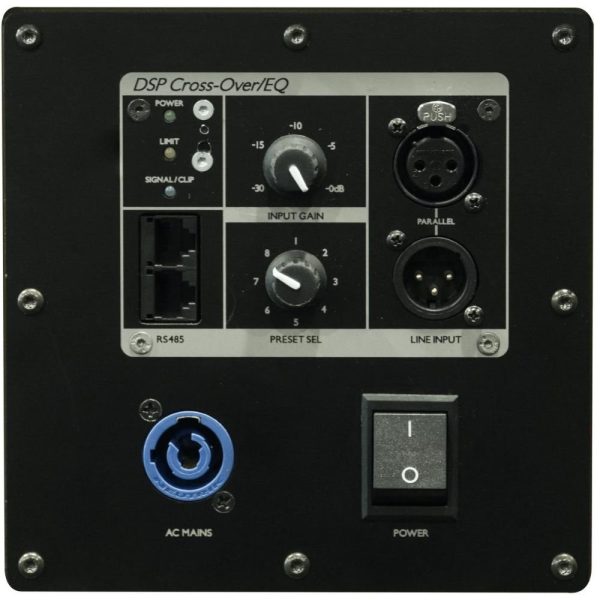
Active crossovers work before amplification. They need power to run. These crossovers split signals with more precision. You can adjust the crossover point and slope easily. Active crossovers often improve sound quality. They give clearer highs and tighter bass.
Slope Steepness And Sound Impact
Slope steepness means how fast frequencies drop off beyond the crossover point. A gentle slope lets some frequencies overlap between drivers. This can make sound smooth but less clear. A steep slope blocks frequencies quickly. It reduces distortion and driver interference.
Choosing slope steepness depends on speaker design and room acoustics. Steeper slopes often suit bookshelf speakers well. They help each driver focus on its best range. This makes music sound more balanced and natural.
Credit: soundorg.com
Common Mistakes To Avoid
Setting the right crossover point for bookshelf speakers is key. Many users make simple mistakes that reduce sound quality. Avoiding these errors helps your speakers perform better.
Setting Too High Or Too Low
Choosing the wrong crossover point harms sound balance. Setting it too high cuts off important midrange tones. Setting it too low forces speakers to play deep bass poorly. Aim for a crossover that matches your speaker’s frequency range. This keeps sound clear and natural.
Ignoring Subwoofer Capabilities
Many forget to consider their subwoofer’s strength. A weak subwoofer means the crossover should be higher. A powerful subwoofer allows a lower crossover point. Matching crossover settings with your subwoofer avoids gaps or overlaps. It gives smooth bass and better overall sound.
Tools For Measuring And Setting Crossovers
Setting the right crossover point for bookshelf speakers improves sound quality. It helps blend the speakers with the subwoofer or other speakers. Tools for measuring and setting crossovers make this task easier. They provide clear data and help adjust frequencies accurately.
Using Frequency Analyzers
Frequency analyzers show sound levels across different frequencies. They help identify where the speaker performs best. Use a microphone to capture speaker output. The analyzer displays peaks and dips in the sound. This data guides setting the crossover frequency. Choose a point where the speaker’s output starts to drop. This avoids overlap or gaps in sound.
Room Correction Software
Room correction software adjusts sound based on your room’s shape and furniture. It measures how sound waves behave in the space. The software suggests crossover settings that fit your room. It fixes sound issues caused by echoes or reflections. This creates smoother audio and balanced bass. Many modern receivers include this software for easy setup.
Credit: dreamediaav.com
Optimizing Your Sound System
Optimizing your sound system helps you get the best audio from your bookshelf speakers. Setting the right crossover point ensures clear and balanced sound. This step separates bass from mid and high frequencies, improving overall quality.
Different uses and preferences call for different crossover settings. Adjustments can bring out the best in music or movies. Understanding these changes can make your listening experience more enjoyable.
Fine-tuning For Music Genres
Music styles vary in sound range and intensity. Rock and pop benefit from a higher crossover point, around 80-100 Hz. This setting allows speakers to handle more bass without distortion.
Classical and jazz sound better with a lower crossover, near 60-80 Hz. It keeps the bass tight and lets mids and highs shine. Adjust according to the bass level you enjoy most.
Adjusting For Movie Watching
Movies demand a wider sound range, with deep bass for effects. Set the crossover between 80-120 Hz for fuller sound. This helps subwoofers handle low frequencies, while speakers focus on dialogue and music.
Test different settings to match your room size and speaker type. Proper crossover setup enhances movie sound clarity and impact. It brings soundtracks and effects to life.
Frequently Asked Questions
What Frequency Should Bookshelf Speakers Be Crossed Over?
Bookshelf speakers are typically crossed over between 80Hz and 120Hz. This range ensures smooth sound transition and protects speakers from low-frequency damage.
Why Is Crossover Frequency Important For Bookshelf Speakers?
Crossover frequency directs bass to subwoofers and mid/high sounds to speakers. Proper settings improve clarity and speaker longevity.
Can I Use A Subwoofer With Bookshelf Speakers?
Yes, pairing a subwoofer with bookshelf speakers enhances bass response. Use a crossover to balance frequencies and avoid overlap.
How To Set Crossover Frequency For Home Audio Systems?
Set crossover around 80-100Hz for bookshelf speakers. Adjust by ear to match room acoustics and speaker specs for best sound.
Conclusion
Choosing the right crossover point helps your bookshelf speakers perform well. Usually, a range between 80Hz and 120Hz works best. This range keeps the sound clear and balanced. It lets the speakers handle mids and highs, while a subwoofer covers the low bass.
Adjust based on your room and speaker type. Testing different points can improve your listening experience. Good sound depends on finding the sweet spot for your setup. Keep it simple and enjoy better music and movies every time.
