When winter nights get chilly, you want to make sure your toddler stays cozy and safe while they sleep. But what exactly should your little one wear to bed to keep warm without overheating?
Choosing the right sleepwear can be tricky, and getting it wrong might lead to restless nights for both you and your child. You’ll discover simple, practical tips to help your toddler stay comfortable all night long. Keep reading, and you’ll find out how to create the perfect bedtime outfit that keeps your child snug and happy through the coldest months.
Choosing The Right Fabric
Choosing the right fabric for your toddler’s winter sleepwear matters a lot. The fabric affects how warm and comfortable your child feels at night. The wrong material can make your toddler too hot or too cold. It can also cause skin irritation. Selecting soft, breathable fabrics helps keep your toddler cozy and safe during sleep.
Benefits Of Natural Fibers
Natural fibers like cotton, wool, and bamboo are great for toddler pajamas. They allow air to flow, keeping the skin dry. These fabrics absorb moisture well, reducing sweat and discomfort. Soft textures prevent itching and irritation on sensitive skin. Wool, especially merino wool, provides warmth without weight. Cotton is gentle and easy to wash. Bamboo fabric is hypoallergenic and naturally antibacterial. These fibers help maintain a steady body temperature all night.
Avoiding Overheating Materials
Some fabrics trap heat and make toddlers sweat too much. Synthetic materials like polyester can cause overheating. They do not let the skin breathe well. Overheating raises the risk of discomfort and even heat rash. Avoid thick fleece or heavy pajamas that block air flow. Instead, choose lightweight layers that can be added or removed. This keeps your toddler at a safe and comfy temperature during cold nights.
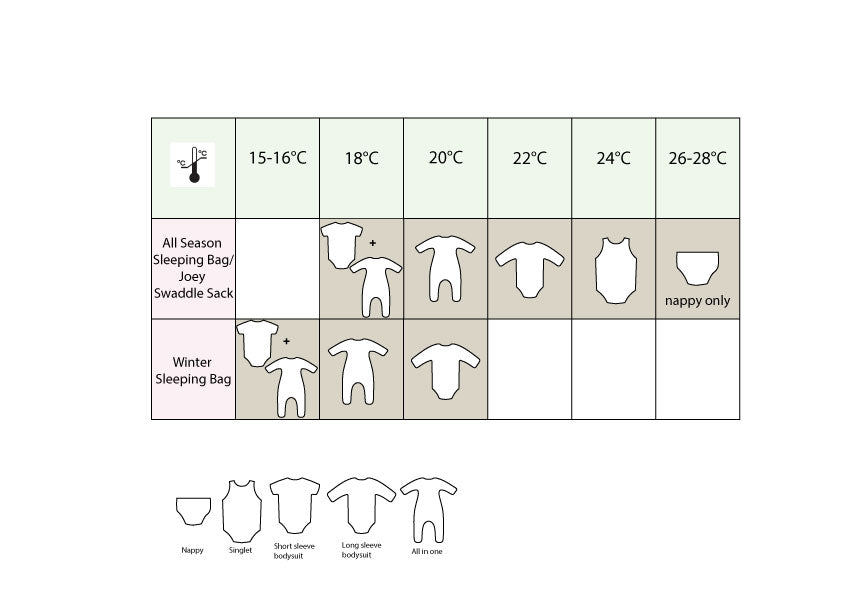
Credit: billieandbobbie.com
Ideal Sleepwear Styles
Soft cotton pajamas keep toddlers warm without overheating during cold nights. Layering with a sleep sack adds extra comfort and safety. Choose snug, breathable fabrics to ensure cozy and restful sleep.
Footed Pajamas Vs. Separates
Footed pajamas keep toddlers warm from head to toe. They cover the feet, so no need for socks. These pajamas are soft and cozy, perfect for cold winter nights. They also prevent little feet from getting cold.
Separates include a top and bottom piece. They allow more freedom to move and adjust layers. You can mix and match fabrics and thickness. This option works well for toddlers who get too warm easily.
Both styles have benefits. Footed pajamas offer full coverage and warmth. Separates give flexibility and can be layered. Choose based on your toddler’s comfort and sleeping habits.
Layering Options For Extra Warmth
Layering is key to keeping toddlers warm in winter. Start with a soft, breathable base layer. Cotton or bamboo fabrics are gentle on skin and help control sweat.
Add a warm middle layer like fleece or wool. This traps heat and keeps warmth close. Avoid bulky layers that may restrict movement.
Top it off with a light blanket or sleep sack. This adds warmth without overheating. Check your toddler often to ensure they are comfortable.
Layering lets you adjust warmth easily during the night. It also helps protect toddlers from cold drafts. Use safe, snug layers for a peaceful sleep.
Room Temperature And Bedding
Keeping your toddler comfortable at night during winter means paying close attention to room temperature and bedding. These two factors help your child sleep soundly and stay safe. Too hot or too cold can disturb their rest. The right bedding also prevents overheating or chills. Understanding the best temperature and bedding choices is key for cozy nights.
Recommended Bedroom Temperatures
Experts suggest keeping the toddler’s bedroom between 65 and 70 degrees Fahrenheit. This range keeps the room warm but not too hot. Cooler rooms help toddlers sleep better and reduce the risk of overheating. Use a room thermometer to check the temperature. Dress your child in warm pajamas if the room feels cooler. A steady temperature creates a calm sleep environment.
Safe Blanket Choices For Toddlers
Choose blankets that are light and breathable for toddlers. Thick, heavy blankets can cause overheating and increase risks. Opt for blankets made from cotton or other natural fabrics. These materials allow air to flow and keep your child cozy. Avoid loose blankets for toddlers under two years old. Instead, use wearable blankets or sleep sacks to keep them warm safely.
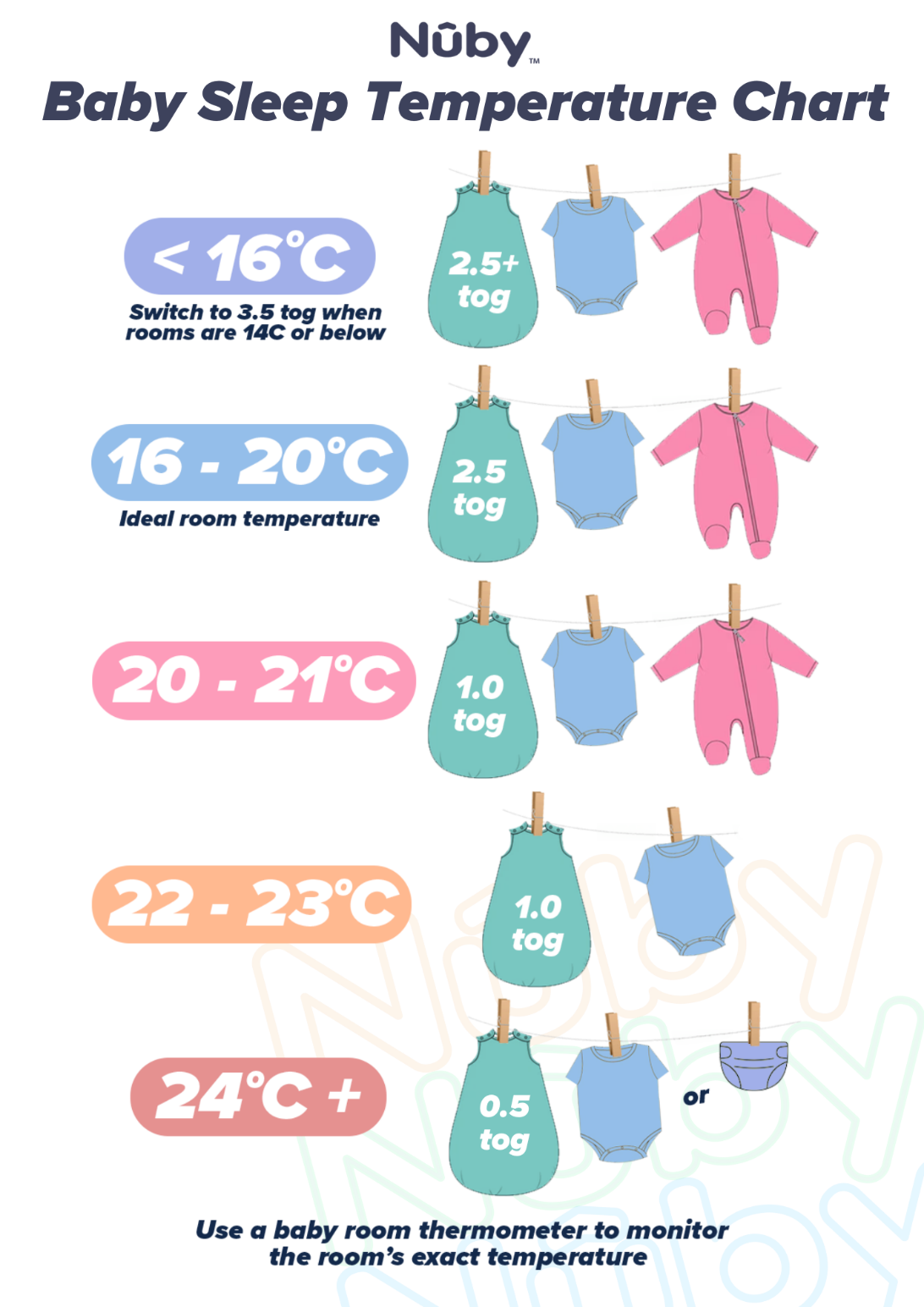
Credit: uk.nuby.com
Safety Tips For Winter Sleepwear
Choosing safe sleepwear for toddlers in winter is very important. Cold nights require warm clothes, but safety must come first. Parents should pick sleepwear that keeps kids cozy without risks. Safety tips help avoid accidents and keep toddlers comfortable all night.
Avoiding Loose Fabrics And Strings
Loose fabrics can cause choking or entanglement. Strings and ties on pajamas are dangerous near a toddler’s neck. Clothes should fit snugly but not be too tight. Avoid drawstrings and long ribbons on winter sleepwear. Soft, close-fitting fabrics work best for safety and warmth.
Checking For Fire-resistant Labels
Fire safety is a key concern for toddler sleepwear. Look for labels that say “fire-resistant” or “flame-retardant.” These fabrics slow down fire spread and protect your child. Some pajamas are made with special materials tested for fire safety. Choosing these lowers the risk of burns during sleep.
Signs Of Overheating Or Cold
Knowing the signs of overheating or cold helps keep your toddler safe and comfortable. Babies and toddlers cannot tell you if they feel too hot or cold. You must watch for physical signs to know how they feel. Overheating can cause sweating, flushed cheeks, and rapid breathing. Cold signs include pale skin, shivering, and restless sleep.
How To Monitor Your Toddler
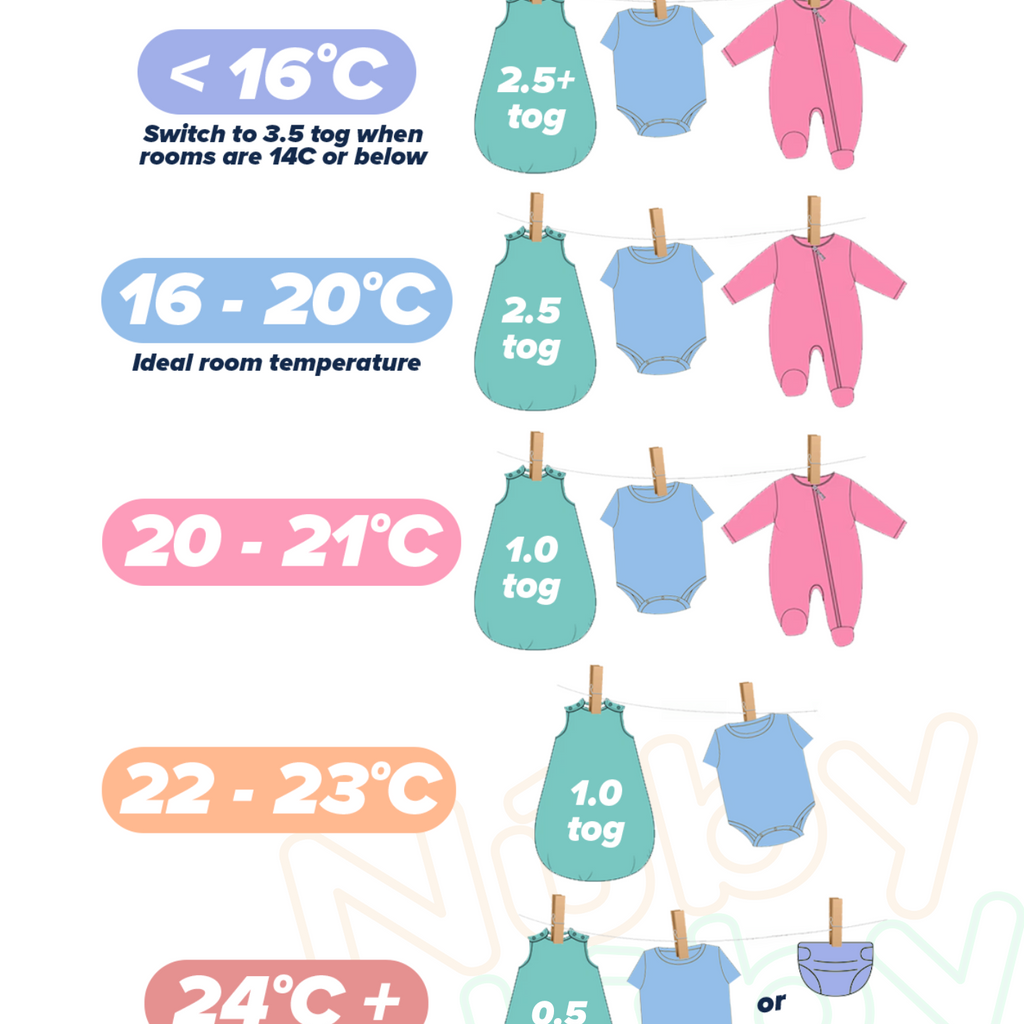
Check your toddler’s neck or back for sweat. Touch their hands and feet for warmth. Look for red or blotchy skin. Notice if your child moves a lot or wakes often. These can signal discomfort. Use a room thermometer to track the bedroom temperature. Ideal sleep temperature is usually between 65 and 70°F (18-21°C).
Adjusting Sleepwear Accordingly
Choose soft, breathable fabrics for sleepwear. Dress your toddler in layers for easy changes. Remove or add a layer depending on their skin feel. Avoid heavy blankets that trap heat. Use a sleep sack if your toddler moves a lot. Keep pajamas snug but not tight. Adjust clothes based on the room temperature and your child’s comfort.
Credit: uk.nuby.com
Frequently Asked Questions
What Fabrics Are Best For Toddler Winter Sleepwear?
Soft, breathable fabrics like cotton and fleece are best for toddlers. They keep your child warm without causing overheating. Avoid synthetic materials that trap heat and moisture. Choose snug-fitting pajamas to maintain body heat safely during cold nights.
How Many Layers Should A Toddler Wear To Bed In Winter?
One to two layers are ideal. Start with a cotton onesie or pajamas, then add a sleep sack or blanket if needed. Avoid over-layering to prevent overheating and discomfort. Always check your toddler’s temperature to ensure they’re comfortably warm.
Is It Safe To Use Blankets For Toddlers In Winter?
Use blankets cautiously for toddlers under two years old. Sleep sacks or wearable blankets are safer alternatives. For older toddlers, lightweight blankets can work if tucked securely to avoid suffocation risks. Always monitor your child’s sleeping environment for safety.
Should Toddlers Wear Socks To Bed In Cold Weather?
Yes, socks can help keep toddlers’ feet warm in winter. Choose soft, breathable socks that fit well and stay on overnight. Avoid thick or tight socks that restrict circulation. Warm feet can promote better sleep and comfort.
Conclusion
Choosing the right winter sleepwear keeps toddlers warm and safe. Soft fabrics like cotton or fleece help comfort your child. Avoid heavy blankets that might cause overheating or suffocation risks. Layering clothes can add warmth without bulk. Always check the room temperature and adjust clothing as needed.
A cozy, well-dressed toddler sleeps better and wakes happy. Keep bedtime simple, warm, and safe every night.