You know how tough it can be when your toddler won’t go to bed. You’re tired, they’re full of energy, and bedtime feels like a battle you just can’t win.
But what if there were simple ways to make bedtime smoother—for both you and your little one? You’ll discover easy, effective tips that can help your toddler settle down without tears or tantrums. Keep reading, because a peaceful bedtime is closer than you think.
Common Reasons Toddlers Resist Bedtime
Toddlers often resist bedtime for several reasons. Understanding these reasons helps parents handle bedtime struggles better. Toddlers’ minds and bodies are still developing. This can make sleep time challenging.
Many toddlers find it hard to say goodbye to parents at night. They get tired or restless. Their daily habits may not support good sleep. The bedroom setting might distract them from sleep.
Separation Anxiety
Separation anxiety is common in toddlers. They worry when parents leave the room. This fear can make them cry or refuse to sleep. Toddlers want to feel safe and close to parents. This feeling can delay their bedtime.
Overtiredness
Toddlers who miss naps or stay up late get overtired. Overtired kids become more restless and fussy. Their bodies produce stress hormones, making it hard to fall asleep. A tired toddler might fight sleep even more.
Lack Of Routine
A missing or inconsistent routine confuses toddlers. They need clear signals that bedtime is near. Without a routine, toddlers don’t know what to expect. This can cause resistance and delays in going to bed.
Environmental Distractions
Noise, light, or toys can distract toddlers at bedtime. A busy or bright room keeps their brains active. These distractions make it harder for toddlers to relax. A calm and quiet environment helps them fall asleep faster.

Credit: alphamom.com
Creating A Soothing Bedtime Routine
Creating a soothing bedtime routine helps toddlers feel calm and ready for sleep. A steady routine signals the brain that it is time to rest. This reduces resistance and bedtime struggles. Small changes can make a big difference in your toddler’s sleep habits. Focus on simple steps that bring comfort and security.
Consistent Sleep Schedule
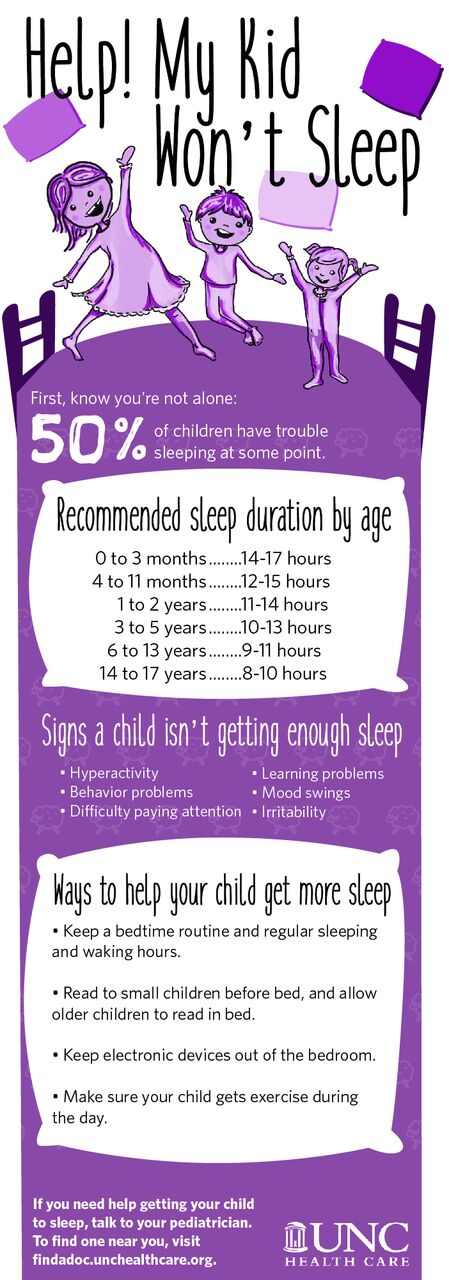
Set a fixed bedtime and wake-up time every day. Consistency helps your toddler’s body clock adjust. Avoid big changes on weekends or holidays. A regular schedule makes falling asleep easier. Your child learns to expect sleep at the same time.
Calming Activities
Choose quiet activities before bed. Reading a short story or gentle singing works well. Avoid rough play or loud noises. These can make your toddler more alert. Calm moments help slow down energy and thoughts. This prepares them to sleep peacefully.
Limiting Screen Time
Turn off screens at least one hour before bed. TV, tablets, and phones can keep the brain awake. Blue light from screens blocks sleep hormones. Replace screen time with quiet play or reading. This helps your toddler relax and feel sleepy.
Comfort Objects
Offer a favorite blanket or stuffed toy at bedtime. Comfort objects provide security and calmness. They make your toddler feel safe in the dark. Let them hold or cuddle their special item. This creates a soothing connection to bedtime.
Optimizing The Sleep Environment
Creating a calm and comfortable sleep space helps toddlers fall asleep faster. A well-set environment sends clear signals to your child that it is time to rest. Small changes can make a big difference in your toddler’s bedtime routine.
Focus on the room’s temperature, lighting, noise, and bedding. Each element plays a key role in making your toddler feel safe and relaxed. Adjust these to suit your child’s needs for better sleep.
Room Temperature And Lighting
Keep the room cool but not cold, between 65 and 70 degrees Fahrenheit. A cooler room helps the body relax and prepare for sleep. Avoid bright lights; use dim nightlights if needed. Soft lighting calms your toddler’s mind and eases the transition to sleep.
Noise Control
Block loud sounds that can wake or distract your child. Use white noise machines or fans to create a steady, gentle background sound. This steady noise can soothe your toddler and mask sudden noises. Quiet rooms help toddlers feel safe and ready to sleep.
Safe And Cozy Bedding
Choose soft, breathable bedding that keeps your toddler comfortable. Avoid heavy blankets or pillows that may cause overheating or safety risks. A favorite blanket or stuffed toy can offer comfort and security. Make sure bedding is clean and fresh to promote healthy sleep.

Credit: www.urbanhello.com
Effective Sleep Training Methods
Sleep training helps toddlers learn to fall asleep on their own. It also reduces bedtime struggles. Different methods suit different families and children. Try these effective sleep training methods to find what works best.
Gradual Withdrawal
This method involves slowly reducing your presence at bedtime. Stay close at first, then move farther each night. It helps toddlers feel safe while learning independence. This gentle approach eases separation anxiety and builds confidence.
Controlled Comforting
Allow your toddler to self-soothe for short periods. Check on them at set intervals without picking them up. This teaches them to calm down alone. It may cause some crying but helps develop healthy sleep habits.
Positive Reinforcement
Praise your toddler for good sleep behavior. Use small rewards for staying in bed or falling asleep alone. This encourages repeat behavior and builds a positive bedtime routine. Keep rewards simple and consistent for best results.
Managing Nighttime Wakings
Managing nighttime wakings can be challenging for parents of toddlers. These wake-ups disrupt sleep for both child and parents. Handling these moments with care helps your toddler feel safe and learn to fall back asleep.
Staying calm and consistent supports your child’s sleep habits. The goal is to comfort without encouraging long wake times. Small changes in how you respond make a big difference over time.
Responding Calmly
Keep your voice soft and steady. Avoid showing frustration or tiredness. Calm responses help your toddler feel secure. This reduces fussiness and helps them settle quickly. Speak gently and use simple words. Your calmness teaches them to relax.
Avoiding Stimulation
Keep the room dark and quiet. Do not turn on bright lights or play loud sounds. Avoid picking up or playing with your toddler. These actions wake them more. Stay still and quiet to encourage sleep. The less excitement, the easier it is to sleep.
Reassuring Without Prolonging
Offer brief comfort like a soft touch or a hug. Use a few soothing words without starting a long talk. Help your toddler feel safe, then leave the room. Do not stay too long or they may expect more attention. Short reassurances help them learn to self-soothe.
When To Seek Professional Help
Knowing when to seek professional help is important if your toddler won’t go to bed. Sometimes, sleep troubles may signal a bigger issue. Early action can improve your child’s sleep and overall health. Don’t wait too long to get advice from experts. This section explains key signs and options to consider.
Signs Of Sleep Disorders
Watch for signs like loud snoring or gasping during sleep. Frequent night waking or extreme tiredness in the day also matter. Difficulty falling asleep every night may indicate a problem. If your child shows unusual movements or pauses in breathing, take note. These signs suggest a sleep disorder that needs attention.
Consulting Pediatricians
Pediatricians know how to assess sleep issues in toddlers. They can check for medical conditions affecting sleep. A doctor may ask about sleep habits and daily routines. Sometimes, tests are needed to understand the problem better. Early visits to the doctor can lead to helpful solutions.
Behavioral Therapy Options
Behavioral therapy helps change habits that disturb sleep. Therapists teach parents methods to calm toddlers at bedtime. Techniques include establishing routines and managing anxiety. This therapy is gentle and fits well with toddlers’ needs. It often leads to better sleep without medicine.
Credit: healthtalk.unchealthcare.org
Frequently Asked Questions
Why Won’t My Toddler Go To Bed On Time?
Toddlers resist bedtime due to separation anxiety, fear of missing out, or inconsistent routines. Establish a calming, consistent bedtime routine to ease their transition and provide reassurance.
How Can I Make Bedtime Easier For My Toddler?
Create a soothing environment with dim lights and quiet activities. Stick to a regular sleep schedule and avoid stimulating activities before bedtime to help your toddler relax.
What Are Common Toddler Bedtime Challenges?
Toddlers may struggle with fear of the dark, nightmares, or wanting attention. Address fears gently, provide comfort objects, and reinforce positive bedtime habits consistently.
How Long Should Toddler Bedtime Routines Last?
Keep bedtime routines short and simple, lasting about 20 to 30 minutes. This helps toddlers feel secure without overstimulation, making it easier for them to fall asleep.
Conclusion
Helping a toddler sleep takes patience and calm. Set a clear routine and stick to it. Keep the room quiet and dim to signal bedtime. Offer comfort but stay firm with limits. Small steps lead to better sleep habits. Remember, every child is different and needs time.
Stay consistent and loving through the process. Soon, bedtime will become easier for both of you. Keep trying—good sleep is worth the effort.