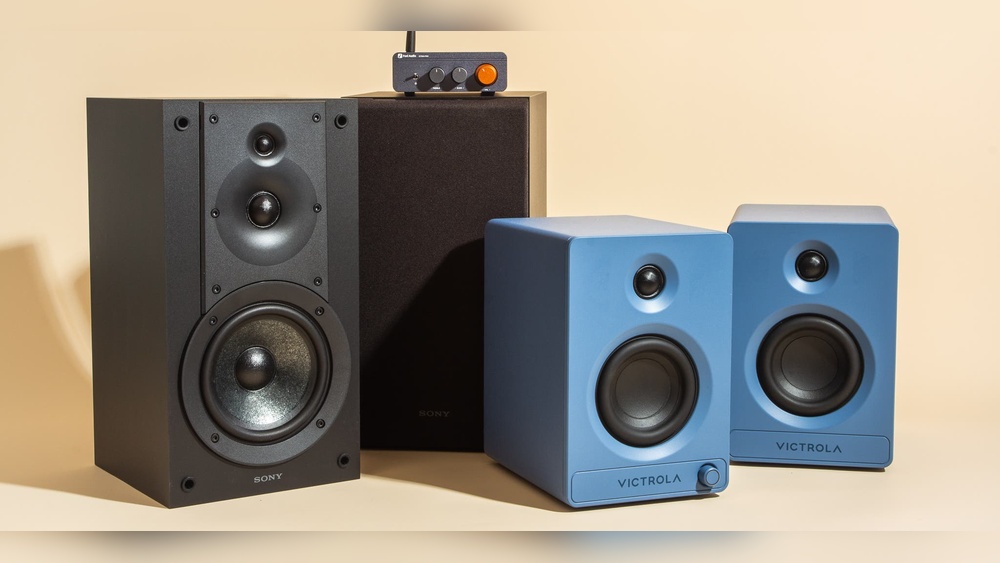
Are you looking to upgrade your sound experience but unsure which bookshelf speakers to choose? Picking the right speakers can feel overwhelming with so many options out there.
But don’t worry—finding the perfect pair for your space and needs is easier than you think. You’ll discover exactly what to look for to get clear, rich sound without breaking the bank. Keep reading, and by the end, you’ll know how to choose bookshelf speakers that truly bring your music and movies to life.
Bookshelf Speakers Basics
Bookshelf speakers are a popular choice for many people. They offer good sound quality in a small size. These speakers fit well in small rooms or limited spaces. Understanding the basics helps you pick the right one.
These speakers balance sound, size, and price. They work well for music, movies, and games. Learning how they work and where to place them improves your listening experience.
What Are Bookshelf Speakers
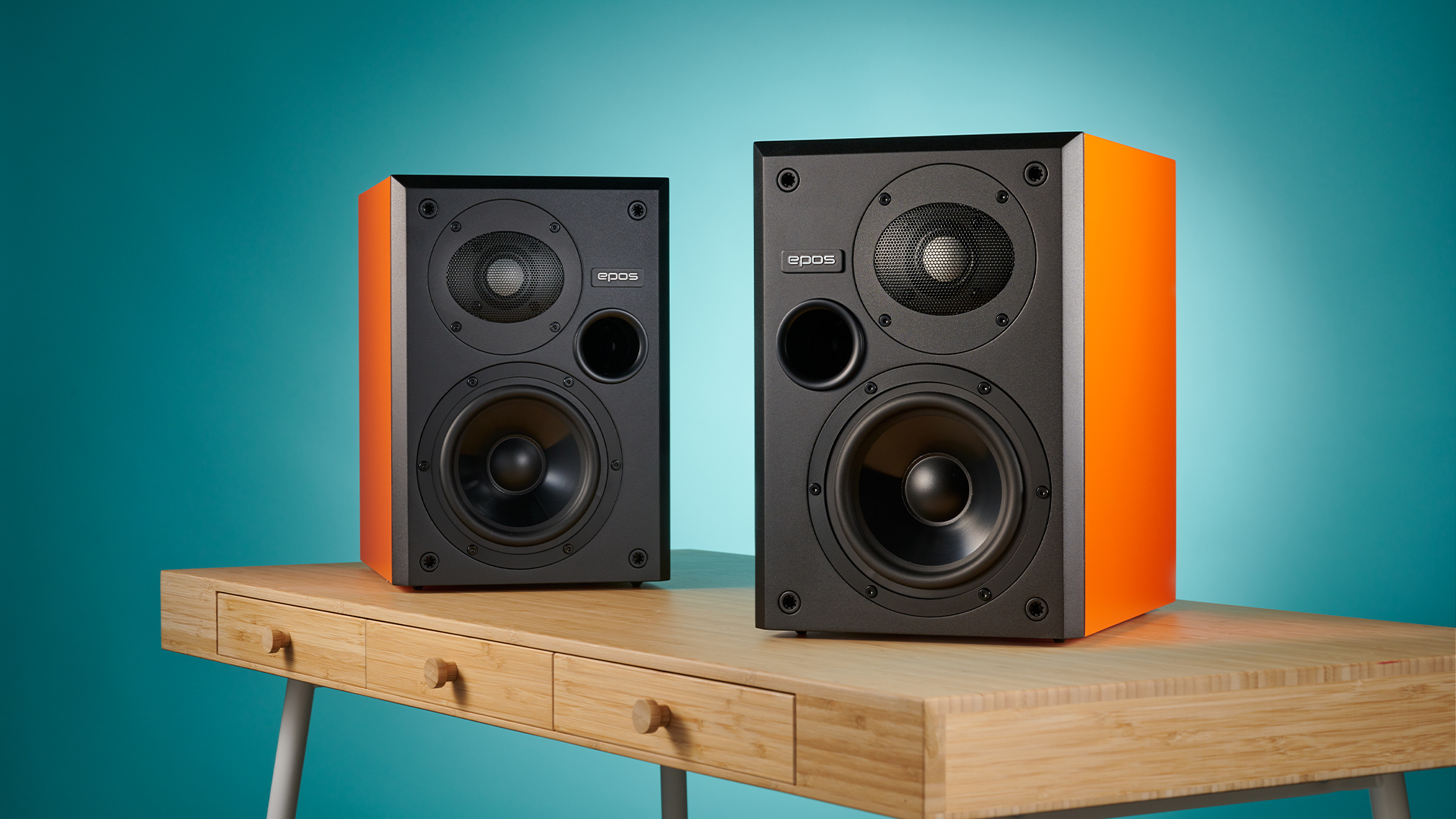
Bookshelf speakers are compact audio speakers. They are smaller than floor-standing speakers. Designed to sit on shelves or stands, they save space. They usually have two drivers: a woofer and a tweeter. This setup handles low and high sounds clearly.
How They Differ From Other Speakers
Bookshelf speakers are smaller than tower speakers. Tower speakers deliver louder, deeper bass but need more room. Bookshelf speakers are not as loud but clearer in small spaces. They differ from satellite speakers by having better bass. They often have better sound quality than small portable speakers.
Common Uses And Placement
People use bookshelf speakers for music and home theaters. They work well in bedrooms, offices, and living rooms. Place them at ear level for best sound. Avoid putting them inside a closed cabinet. Keep some space behind to improve bass response. Use stands or shelves that do not vibrate.
Credit: www.whathifi.com
Key Features To Consider
Choosing the right bookshelf speakers means knowing what features matter most. These features affect how your speakers perform and sound in your space.
Understanding these key points helps you pick speakers that fit your needs and budget.
Sound Quality Factors
Sound quality depends on clarity, balance, and detail. Speakers should produce clear highs and rich lows. Good speakers avoid distortion even at high volumes. Listen for natural sound that matches your music style.
Driver Size And Configuration
Drivers are the parts that create sound. Larger drivers often produce better bass. Smaller drivers handle higher frequencies well. Some speakers have multiple drivers for a full sound range. Check how many drivers and their sizes match your room size.
Frequency Response
Frequency response shows the range of sound a speaker can make. A wider range means more sounds from low to high tones. Look for speakers that cover bass, midrange, and treble well. This ensures you hear all parts of your music clearly.
Impedance And Power Handling
Impedance affects how much power a speaker needs. Most bookshelf speakers have 4 to 8 ohms impedance. Match speakers to your amplifier or receiver for best performance. Power handling shows the maximum power the speaker can handle. Choose speakers with power ratings that fit your system.
Types Of Bookshelf Speakers
Bookshelf speakers come in different types. Each type suits different needs and spaces. Choosing the right type helps you enjoy clear, balanced sound. Let’s explore the main types of bookshelf speakers you can buy.
Passive Vs Active Speakers
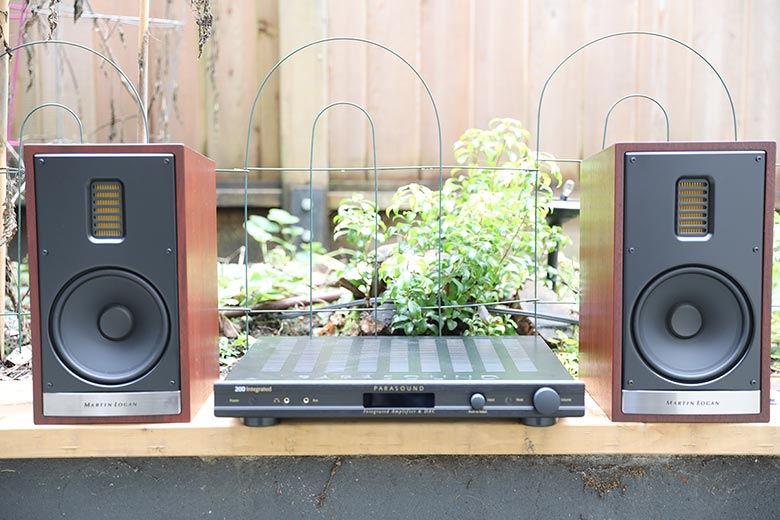
Passive speakers need an external amplifier to work. They do not have built-in power. You connect them to a stereo or receiver. This gives you more control over sound quality and power.
Active speakers have built-in amplifiers. They plug directly into your audio source. They are easy to set up and use. Good for small rooms or simple systems.
Ported Vs Sealed Enclosures
Ported speakers have a small hole or vent. This design boosts bass sounds. They produce louder and deeper bass. Ideal for music lovers who want strong low tones.
Sealed speakers have a closed box design. They offer tight, accurate bass. Sound is clear and natural. Perfect for those who want precise sound details.
Wireless And Bluetooth Options
Wireless bookshelf speakers connect without cables. Use Wi-Fi or Bluetooth to stream music. They offer great flexibility and less clutter. Easy to move around your room.
Bluetooth speakers work with phones, tablets, or computers. They are simple to pair and use. Ideal for casual listening and small spaces.
Credit: www.themasterswitch.com
Matching Speakers To Your Needs
Choosing the right bookshelf speakers depends on your specific needs. Different factors affect how speakers perform in your space. Understanding these elements helps you pick speakers that deliver the best sound quality. Consider your room size, how you like to listen, and the gear you use.
Room Size And Acoustics
Small rooms need smaller speakers with less power. Large rooms require speakers that fill the space with sound. Hard surfaces reflect sound and can cause echoes. Soft materials absorb sound and reduce echoes. Think about your room’s shape and materials. This affects how clear and balanced the sound will be.
Listening Preferences
Different music styles and uses need different speakers. For bass lovers, speakers with strong low frequencies work best. If you enjoy vocals or podcasts, clarity is key. Casual listeners may prefer balanced sound without extra bass. Identify what sound you like most before buying.
Compatibility With Amplifiers And Receivers
Speakers need to match your amplifier or receiver power. Too little power can cause weak sound. Too much power can damage speakers. Check the speaker’s impedance to ensure it fits your equipment. Proper matching keeps sound clear and safe for your gear.
Top Brands And Models
Choosing the right bookshelf speakers means knowing the best brands and models. This helps you find speakers that fit your needs and budget. Each brand offers unique features and sound quality. Let’s explore options from budget-friendly to high-end speakers.
Budget-friendly Choices
Affordable bookshelf speakers can still deliver good sound. Brands like Polk Audio and Sony provide solid options. Polk Audio T15 speakers offer clear audio for small rooms. Sony SSCS5 speakers are known for balanced sound. These models suit beginners or tight budgets well.
Mid-range Options
Mid-range bookshelf speakers improve sound quality and build. Klipsch and ELAC are popular in this category. Klipsch R-51M speakers have detailed sound and strong bass. ELAC Debut 2.0 B6.2 offers rich tones and wide soundstage. These speakers fit most home audio setups nicely.
High-end Speakers
High-end bookshelf speakers provide excellent clarity and precision. Brands like Bowers & Wilkins and KEF lead this segment. Bowers & Wilkins 606 deliver crisp highs and deep lows. KEF LS50 Meta speakers feature advanced technology for pure sound. These models suit audiophiles and serious listeners.
Setup And Placement Tips
Setting up bookshelf speakers correctly is key to good sound. Placement affects how clear and balanced the audio feels. Small changes can make a big difference. Follow these tips to place your speakers for the best experience.
Ideal Positioning For Best Sound
Place your speakers at ear level when seated. Keep them about 6 to 12 inches away from walls. This reduces unwanted echoes and bass boom. Angle them slightly toward your listening spot. This helps create a focused sound stage. Space the speakers evenly on each side of the room.
Avoiding Common Mistakes
Do not put speakers inside closed cabinets. This blocks sound waves and muffles audio. Avoid placing them too close to corners. Corners cause bass to sound too loud and uneven. Don’t line them up directly against the wall. This can cause sound reflections and distortions.
Using Stands And Isolation Pads
Speaker stands help position speakers at the right height. They also reduce vibrations from surfaces. Isolation pads absorb vibrations and stop sound from traveling. Use them under speakers on desks or shelves. Both stands and pads improve sound clarity and depth.
Maintenance And Longevity
Bookshelf speakers need care to last long and perform well. Proper maintenance keeps the sound clear and the speakers working smoothly. Small steps can protect your investment and avoid future problems.
Cleaning And Care
Dust and dirt can harm speaker parts. Wipe speakers gently with a dry, soft cloth. Avoid water or harsh cleaners on speaker surfaces. Keep speakers away from heat and moisture. Place them where air flows freely to prevent overheating.
Troubleshooting Common Issues
Speakers may have buzzing or no sound sometimes. Check all cable connections first. Replace damaged or old wires. Move speakers away from devices that cause interference. Reset your audio system if sound cuts out. Small fixes often solve common problems quickly.
Upgrading Components
Replacing parts can improve sound quality and life. Swap old speaker cables for better ones. Upgrade speaker stands to reduce vibrations. Add foam pads to protect surfaces and improve sound. Some models allow swapping drivers for clearer sound. Upgrading extends speaker life without buying new ones.
.jpg)
Credit: www.themasterswitch.com
Frequently Asked Questions
What Size Bookshelf Speakers Should I Choose?
Choose bookshelf speakers that fit your room size and listening distance. Smaller rooms benefit from compact speakers. Larger rooms may need bigger speakers for better sound projection. Measure your space and consider speaker specifications before buying.
Are Bookshelf Speakers Good For Home Theaters?
Yes, bookshelf speakers provide clear, balanced sound for home theaters. They deliver detailed highs and mids, enhancing dialogue and effects. Pair them with a subwoofer for richer bass. They are compact and fit well in most rooms.
Should I Buy Powered Or Passive Bookshelf Speakers?
Powered speakers have built-in amplifiers, making setup easier and reducing clutter. Passive speakers require an external amplifier but offer more customization. Choose powered for convenience and passive for flexibility and upgrade options.
What Is The Ideal Wattage For Bookshelf Speakers?
Ideal wattage depends on room size and volume preferences. For small rooms, 20-50 watts is sufficient. Larger rooms may need 50-100 watts for clear sound at higher volumes. Consider amplifier compatibility when choosing wattage.
Conclusion
Choosing the right bookshelf speakers depends on your room size and sound needs. Smaller rooms need compact speakers for clear sound. Bigger spaces may require speakers with more power. Consider the type of music or movies you enjoy. Also, check the speaker’s build and brand reliability.
Good speakers bring your audio to life. Take time to compare options and read reviews. Trust your ears and enjoy great sound every day.
