Choosing the best bunk bed mattress can feel tricky, but it doesn’t have to be. You want something comfortable, safe, and perfect for your space.
Imagine your kids or guests sleeping soundly, waking up refreshed every day. That’s exactly what the right mattress can do for you. You’ll discover simple tips and top picks that match your needs and budget. Keep reading to find the perfect mattress that turns your bunk bed into a cozy, restful retreat.
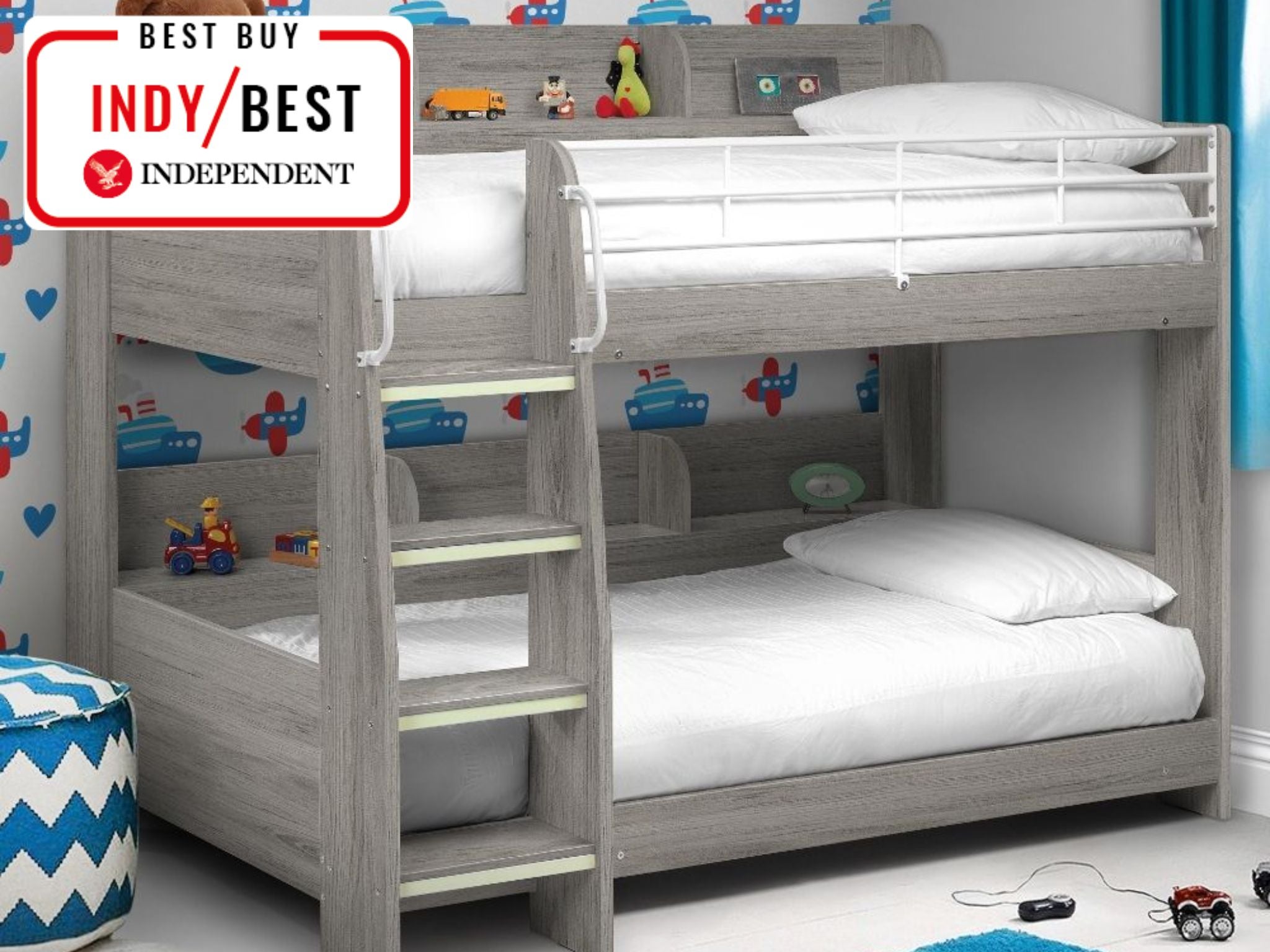
Credit: www.independent.co.uk
Choosing The Right Mattress
Choosing the right mattress for a bunk bed matters a lot. The right mattress ensures comfort, safety, and long-lasting use. Bunk beds have unique needs compared to regular beds. The mattress must fit well and support the sleeper properly. Understanding the types, size, and safety features helps pick the best mattress.
Mattress Types For Bunk Beds
Foam mattresses are popular for bunk beds. They are lightweight and easy to move. Memory foam molds to the body for good comfort. Innerspring mattresses provide firm support with coils inside. Hybrid mattresses mix foam and springs for balance. Choose a type based on comfort and weight limits.
Size And Thickness Considerations
Bunk beds need mattresses that fit perfectly. Standard twin size is common for bunk beds. Thickness should be between 6 and 8 inches. Too thick can cause safety issues with guardrails. Too thin may not give enough support. Measure the bed frame before buying to avoid problems.
Safety And Support Features
Safety is crucial for bunk bed mattresses. Look for firm support to prevent sinking. The mattress should be lightweight for easy handling. Choose materials that resist allergens and dust mites. Check for certifications like CertiPUR-US for safe materials. Proper support and safe materials protect sleepers well.

Credit: www.turmerry.com
Top Mattress Materials
Choosing the right mattress material for a bunk bed matters a lot. Each material offers unique comfort and support. Knowing the options helps pick the best fit for you or your child.
Memory Foam Benefits
Memory foam molds to the body shape. It helps reduce pressure points during sleep. This material absorbs movement well, so sleepers feel less disturbance. It also offers good support for the back and joints. Memory foam tends to be quiet, which suits bunk beds in shared rooms.
Innerspring Options
Innerspring mattresses have coils inside for support. They provide strong firmness and bounce. Air flows easily through the coils, helping with cooling. These mattresses are usually lighter, making them easier to move. They work well for kids who prefer a firmer surface.
Hybrid Mattresses
Hybrid mattresses combine foam and coils. They offer the best of both worlds. Foam layers add comfort and pressure relief. Coils give sturdy support and better airflow. Hybrid mattresses suit many sleeping styles and ages. Their balanced feel makes them popular for bunk beds.
Latex Mattresses
Latex mattresses are made from natural or synthetic rubber. They are durable and bounce back quickly. Latex offers good support and feels springy. It resists dust mites and allergens, helping sensitive sleepers. This material also stays cooler than memory foam.
Comfort Factors
Comfort plays a big role in choosing the best bunk bed mattress. A mattress should support the body well. It must help you rest without pain or discomfort. Several comfort factors matter for a good night’s sleep. These include firmness, pressure relief, and temperature control. Understanding these will help pick the right mattress.
Firmness Levels
Firmness affects how a mattress feels. Some prefer soft mattresses that hug the body. Others want firmer mattresses for solid support. For bunk beds, medium-firm mattresses work well. They balance comfort with support. A mattress that is too soft may sag. Too firm can cause pressure points. Choose a firmness that suits the sleeper’s needs.
Pressure Relief
Pressure relief helps reduce pain in shoulders and hips. It spreads body weight evenly on the mattress. Mattresses with memory foam or latex offer good pressure relief. They adapt to body shape and reduce stress on joints. This is important for kids and adults using bunk beds. A mattress that eases pressure means better sleep.
Temperature Regulation
Temperature regulation keeps sleepers cool or warm. Some mattresses trap heat and cause sweating. Look for mattresses with breathable materials. Gel-infused foams or open-cell structures help air flow. Natural fibers like cotton also improve temperature control. Good airflow prevents overheating during sleep. It makes the bunk bed mattress more comfortable all night long.
Durability And Longevity
Choosing the right mattress for kids’ bunk beds is important. Kids need a mattress that is safe, comfy, and easy to care for. The mattress should support their growing bodies and help them sleep well. Parents also want options that are healthy and fit their budget. The best mattresses for kids balance comfort, safety, and cost. Below are key mattress types that meet these needs.
Hypoallergenic Choices
Hypoallergenic mattresses reduce allergens like dust mites and mold. These options help kids with allergies breathe easier. Materials such as memory foam and latex often resist allergens. They keep the mattress clean and safe for sensitive skin. Choosing hypoallergenic mattresses protects children’s health and improves sleep quality.
Easy-to-clean Materials
Mattresses with removable and washable covers make cleaning simple. Kids can spill drinks or have accidents. A mattress that is easy to clean stays fresh longer. Vinyl or polyester covers resist stains and moisture. These materials also prevent bacteria growth. Easy-to-clean mattresses save time and keep beds hygienic.
Budget-friendly Picks
Affordable mattresses can still offer good comfort and support. Foam mattresses often cost less and provide good cushioning. Buying a mattress with a warranty adds value. Parents can find mattresses that fit tight budgets without sacrificing quality. Budget-friendly options give peace of mind and a good night’s sleep.
Best Mattresses For Kids
Maintaining your bunk bed mattress helps it last longer and stay comfortable. Simple care steps keep it fresh and supportive for years. Regular maintenance also prevents dust and allergens from building up. Here are key tips to care for your mattress effectively.
Cleaning And Care
Vacuum your mattress every few weeks to remove dust and dirt. Spot clean stains with a mild soap and cold water. Avoid soaking the mattress to prevent mold growth. Let the mattress air out regularly to keep it fresh. Use a mattress cleaner designed for the material if needed.
Rotating And Flipping
Rotate your mattress 180 degrees every three months. This helps even out wear and prevents sagging. Some mattresses can also be flipped for better support. Check the manufacturer’s instructions before flipping. Rotating and flipping improve comfort and extend mattress life.
Protective Covers
Use a waterproof mattress protector to guard against spills and stains. Choose a breathable cover to prevent moisture buildup. Protective covers also block dust mites and allergens. Wash the cover regularly for better hygiene. A good cover keeps your mattress clean and safe.
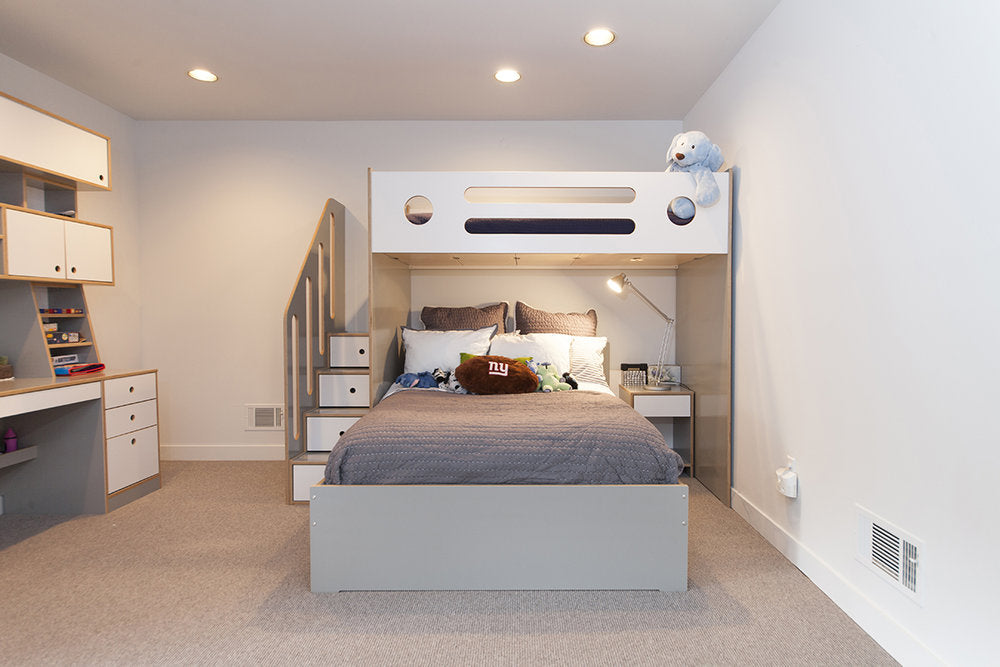
Credit: casakids.com
Frequently Asked Questions
What Size Mattress Fits Best On Bunk Beds?
A twin mattress is the most common size for bunk beds. It fits standard bunk bed frames perfectly. Some bunk beds also accommodate twin XL or full-size mattresses. Always check your bunk bed’s specific dimensions before purchasing a mattress for the best fit and safety.
Which Mattress Type Is Safest For Bunk Beds?
Foam mattresses, especially memory foam, are safest for bunk beds. They are lightweight, reducing strain on the frame. Foam mattresses also minimize injury risks due to their soft and flexible nature. Avoid overly thick or heavy mattresses to maintain bunk bed stability and safety.
How Thick Should A Bunk Bed Mattress Be?
The ideal bunk bed mattress thickness ranges between 6 to 8 inches. This thickness ensures comfort while keeping the sleeper safe from falling. Thicker mattresses can reduce guardrail effectiveness, increasing fall risk. Always follow manufacturer recommendations for mattress thickness on bunk beds.
Can A Bunk Bed Mattress Be Hypoallergenic?
Yes, many bunk bed mattresses come with hypoallergenic materials. Memory foam and latex mattresses often resist dust mites and allergens. Choosing hypoallergenic mattresses improves sleep quality, especially for allergy sufferers. Look for certifications like CertiPUR-US to ensure mattress safety and cleanliness.
Conclusion
Choosing the best bunk bed mattress makes a big difference. Comfort and safety matter most for restful sleep. Think about mattress size, firmness, and material. A good mattress fits well and supports the body. Kids and adults both need proper comfort.
Remember, a quality mattress lasts longer and feels better. Take time to compare options before buying. Sleep well, wake up refreshed and ready. Your perfect bunk bed mattress is out there.