Are you trying to decide between a toddler bed and a twin bed for your little one? Choosing the right bed can feel confusing, especially when both options seem so similar.
But the difference matters more than you might think. Picking the best bed can help your child sleep safely and comfortably while making your life easier. You’ll discover exactly what sets a toddler bed apart from a twin bed, so you can make the smartest choice for your family.
Keep reading—you’ll be glad you did.
Credit: casakids.com
Toddler Bed Basics
Toddler beds are designed to help young children transition from a crib to a regular bed. They offer a cozy and safe space that fits smaller bodies well. These beds are lower to the ground, making it easy for toddlers to get in and out by themselves. Parents often choose toddler beds to provide comfort and security during this important stage.
Understanding the main features of toddler beds helps in making the right choice. Size, safety, and age fit are key points to consider.
Size And Dimensions
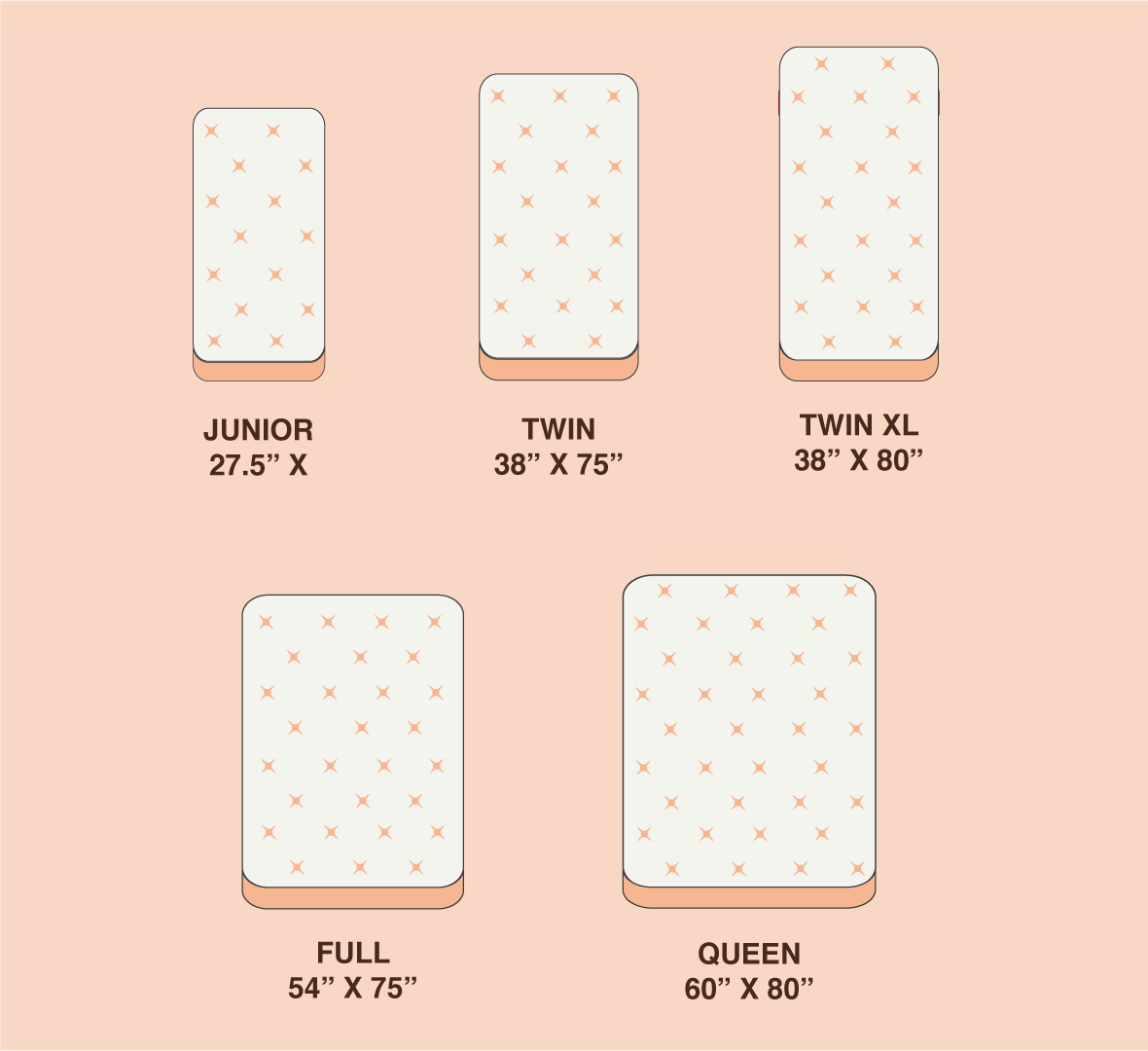
Toddler beds are smaller than twin beds. They usually measure around 28 inches wide and 52 inches long. This size fits most toddler mattresses and fits well in small rooms. The compact size helps children feel secure and not lost in a big bed. Twin beds, on the other hand, are larger, about 39 inches wide and 75 inches long.
Safety Features
Toddler beds include safety rails on the sides. These rails stop children from rolling out while sleeping. The beds sit close to the floor to reduce injury risk from falls. Many toddler beds have rounded edges to avoid sharp corners. Twin beds often lack these specific safety features, making toddler beds a safer choice for young children.
Age Range Suitability
Toddler beds suit children from about 18 months to 5 years old. This range covers the time after a crib and before a twin bed. The bed supports toddlers as they grow and learn to sleep independently. Twin beds are better for children older than 5 years or those who need more space to sleep comfortably.
Twin Bed Essentials
Toddler beds are smaller and lower to the ground, designed for young children. Twin beds are larger and meant for older kids or adults. The main difference is size and safety features like guardrails on toddler beds.
Standard Measurements
Twin beds have a standard size of 38 inches wide and 75 inches long.
This size fits most children and adults comfortably in smaller rooms.
The mattress and frame follow this measurement for easy bedding options.
Toddler beds, in contrast, are smaller and designed for young children.
Design And Style Options
Twin beds come in many styles, from simple frames to elaborate designs.
Materials vary from wood and metal to upholstered frames.
These options allow matching with bedroom decor for teens or adults.
Toddler beds usually have guardrails and fun themes to suit kids.
Age Group Compatibility
Twin beds suit older children, teens, and even adults.
They provide enough space for growing kids to sleep well.
Toddler beds work best for children aged 1.5 to 5 years.
They help transition kids from cribs to regular beds safely.
Comparing Toddler And Twin Beds
Choosing between a toddler bed and a twin bed is important for your child’s comfort and safety. Both beds serve different needs and fit different stages of growing up. Understanding their differences helps you pick the best option for your child’s room and sleep habits.
Space And Room Fit
Toddler beds are smaller than twin beds. They fit well in small rooms or shared spaces. Twin beds need more floor space but offer room for growth. Think about the size of the room before choosing.
Comfort And Support
Toddler beds use smaller mattresses made for young children. Twin beds use standard mattresses, which offer more support. As kids grow, they may need the firmer support of a twin bed.
Transition And Longevity
Toddler beds help children move from cribs to regular beds safely. They have low sides to prevent falls. Twin beds last longer and fit kids from toddler age to teens. This makes twin beds a longer-term choice.

Credit: www.kidkraft.com
Choosing The Right Bed
Choosing the right bed for your child matters a lot. It affects comfort, safety, and room style. Understanding key factors helps make a good choice. Focus on your child’s needs, your budget, and the room’s look. These points guide you to pick the best bed.
Child’s Growth And Development
Kids grow fast. A toddler bed fits a small child well. It keeps them safe from falling out. Twin beds suit older kids who need more space. Think about your child’s age and size. Choose a bed that matches their growth stage. This helps them sleep well and feel secure.
Budget Considerations
Budget plays a big role in bed choice. Toddler beds usually cost less. They are simpler and smaller. Twin beds cost more but last longer. They can be used for many years. Decide how much you want to spend. Balance cost with how long the bed will be used.
Room Decor And Theme
Room style can guide your bed choice. Toddler beds come in fun designs. They fit well in a child-themed room. Twin beds offer a classic look. They work with many decor styles. Match the bed with the room’s colors and theme. This creates a cozy and nice space for your child.
Safety Tips For Bed Selection
Choosing the right bed for your child is important for their safety and comfort. Toddlers need a bed that keeps them secure while they sleep and play. Understanding safety tips can help you pick a bed that fits your child’s needs. Focus on preventing falls, checking the material quality, and setting up the bed correctly. These steps make bedtime safer and more peaceful for your little one.
Preventing Falls
Falls are a common risk for toddlers in beds. Toddler beds often have guardrails to stop children from rolling out. Twin beds usually do not have these rails. Adding a guardrail to a twin bed can help prevent accidents. Place the bed close to a wall to reduce open sides. Use a soft rug or carpet nearby to cushion any falls.
Material And Build Quality
Strong and safe materials matter. Choose beds made from solid wood or sturdy metal. Avoid beds with sharp edges or loose parts. Check for non-toxic paint and finishes. These protect children from harmful chemicals. Regularly inspect the bed for wear and tear. Replace any broken parts right away.
Proper Bed Setup
Setting up the bed properly is key. Assemble the bed according to the instructions. Tighten all screws and bolts securely. Use a firm mattress that fits the bed frame perfectly. Avoid gaps between the mattress and bed frame. Place the bed away from windows and cords. Clear the area around the bed to avoid tripping hazards.

Credit: www.dimensions.com
Frequently Asked Questions
What Is A Toddler Bed?
A toddler bed is a small bed designed for children aged 1. 5 to 5 years. It uses a crib mattress and often includes safety rails. It helps toddlers transition from a crib to a regular bed safely and comfortably.
How Does A Twin Bed Differ From A Toddler Bed?
A twin bed is larger, measuring about 38 by 75 inches, suitable for older children and adults. It lacks safety rails and requires a standard mattress, unlike toddler beds that are smaller and designed for toddlers’ safety.
When Should You Switch From Toddler To Twin Bed?
Most children switch to a twin bed between ages 5 and 7. This depends on the child’s size, development, and readiness to sleep in a larger bed without rails. Safety and comfort are important factors in making the transition.
Are Toddler Beds Safer Than Twin Beds For Young Children?
Yes, toddler beds are generally safer for young children. They have low frames and guardrails to prevent falls. Twin beds lack these features, making toddler beds better suited for toddlers transitioning from cribs.
Conclusion
Choosing between a toddler bed and a twin bed depends on your child’s needs. Toddler beds offer safety and size for little ones. Twin beds suit older kids and grow with them. Think about comfort, space, and safety first. Both beds have clear benefits for different ages.
This helps your child sleep well and feel secure. Understanding these differences makes choosing easier. Your child’s comfort and safety matter most.