
Are you struggling to figure out the best way to arrange your living room furniture? You’re not alone.
Getting the layout right can transform your space from cramped and chaotic to open, inviting, and perfectly balanced. Imagine walking into your living room and feeling instantly relaxed because everything flows naturally and looks great. In this guide, you’ll discover simple, proven steps to arrange your furniture so your living room feels spacious, functional, and stylish.
Whether you’re working with a small space or a large room, the tips ahead will help you create a setup that works for you and your lifestyle. Ready to make your living room the heart of your home? Let’s dive in!
Focal Point Selection
Selecting a focal point is the first step in arranging living room furniture. It anchors the room and guides furniture placement. A good focal point draws attention and creates harmony. It can be natural or created with decor. Choosing the right one makes the space inviting and balanced.
Using A Fireplace Or Tv
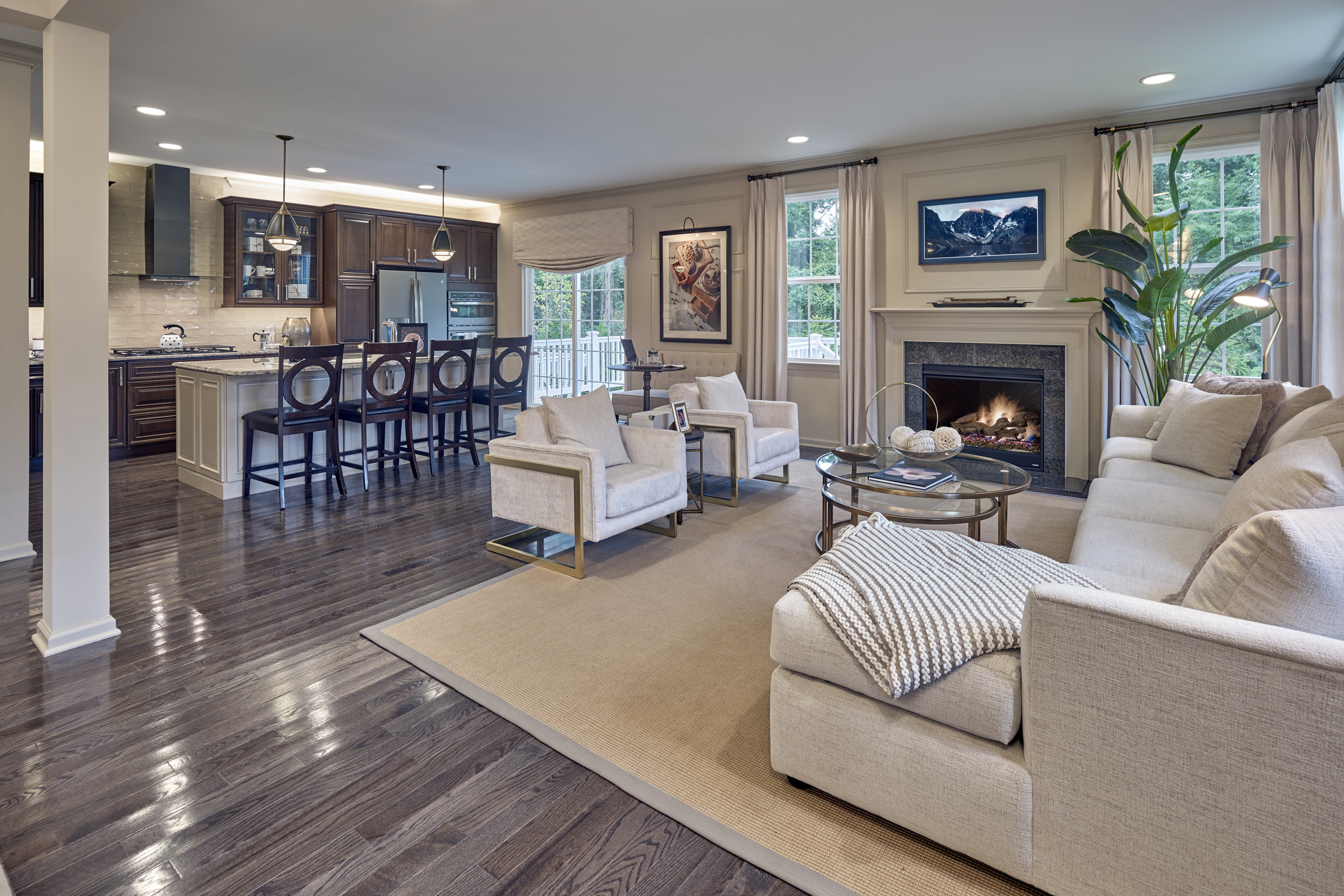
Fireplaces and TVs are common focal points in living rooms. Place seating to face or circle around them for easy viewing. Keep a comfortable distance between the furniture and the focal point. Arrange sofas and chairs to promote conversation and a clear line of sight. Avoid blocking the fireplace or TV with large furniture.
Highlighting Artwork Or Windows
Artwork and windows can also serve as focal points. Position furniture to showcase a beautiful painting or a scenic window view. Use lighting to enhance artwork and create a cozy atmosphere. Avoid overcrowding these features with too many pieces. Let them shine by keeping the surrounding area simple and uncluttered.
Traffic Flow Planning
Planning traffic flow is vital for arranging living room furniture. It helps people move easily without bumping into objects. Good traffic flow makes your room feel open and welcoming. It also prevents accidents and keeps the space functional.
Creating Clear Pathways
Clear pathways guide people through the room smoothly. Leave at least 2 to 3 feet of walking space between furniture pieces. Arrange seating and tables so they do not block doorways or main routes. Consider how people enter and exit the room. Paths should connect these points without obstacles.
Avoiding Obstructions
Obstructions slow down movement and cause frustration. Avoid placing large furniture near walkways. Keep cords and rugs flat to prevent tripping. Use smaller pieces in tight spaces to maintain flow. Remove unnecessary items that crowd the room. A clutter-free space improves comfort and safety.
Furniture Scale And Proportion
Furniture scale and proportion play a vital role in arranging your living room. They affect how comfortable and inviting the space feels. Proper scale makes the room look balanced and well-planned.
Scale refers to the size of furniture compared to the room size. Proportion is about the relationship between different furniture pieces. Both need attention to create harmony.
Choosing Appropriately Sized Pieces
Pick furniture that fits the room’s dimensions. Large rooms can hold bigger sofas and chairs. Small rooms benefit from compact furniture to avoid overcrowding.
Measure your space before buying. Keep pathways clear to allow easy movement. Avoid pieces that dominate or get lost in the space.
Balancing Large And Small Items
Mix large and small furniture to create visual interest. A big sofa pairs well with smaller chairs or side tables. This contrast keeps the room lively and balanced.
Place large items opposite smaller ones to maintain flow. Use rugs and accessories to link different sizes together. This adds unity without making the space feel cluttered.
Seating Arrangement
Seating arrangement plays a crucial role in the living room’s overall feel. It influences social interaction, comfort, and space flow. Thoughtful seating helps create a welcoming and functional environment for family and guests.
Arranging seats with purpose encourages natural conversation and easy movement. It also ensures everyone has a comfortable spot to relax or chat. The layout should balance style with practicality to suit daily living.
Creating Conversation Zones
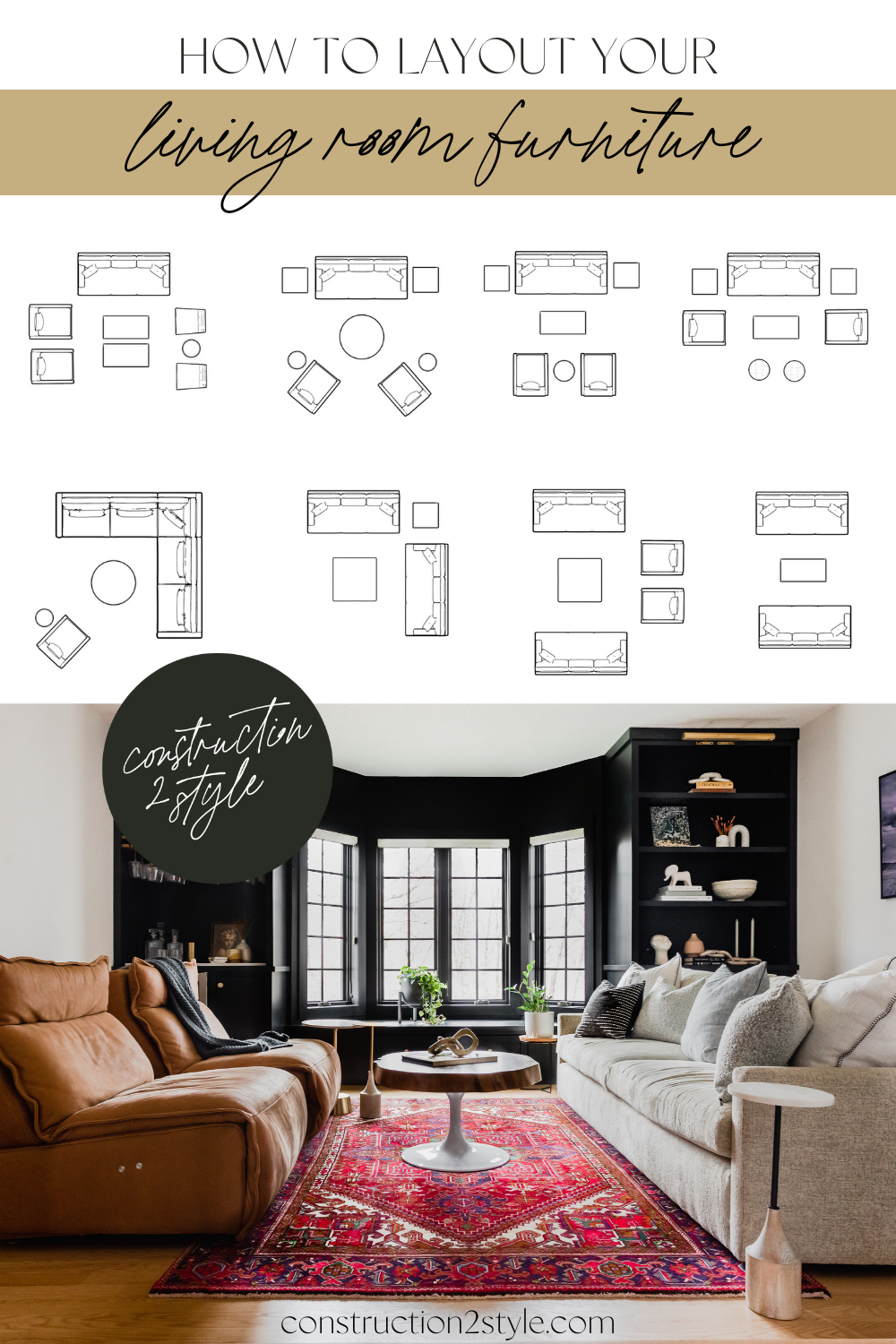
Group seating pieces close enough for easy talking. Chairs and sofas should face each other or form a circle. Avoid placing seats too far apart or too tight. Use rugs or coffee tables to define these zones visually. This setup invites connection and makes conversations flow smoothly.
Arranging For Comfort And Accessibility
Leave enough space between furniture to move freely. Allow at least two feet of walking room around seating. Choose chairs with supportive cushions and armrests for added comfort. Keep seats at a height that suits most users. Make sure pathways stay clear to avoid trips or bumps.
Balance And Symmetry
Balance and symmetry are key to creating a calm and inviting living room. They help the space feel organized and comfortable. Proper balance prevents one side of the room from feeling heavier or cluttered. Symmetry offers a sense of harmony and order, making the room pleasing to the eye.
Achieving balance does not mean everything must be identical on both sides. It means arranging furniture and decor to distribute visual weight evenly. This creates a natural flow and a well-put-together look. Symmetry often involves pairing similar pieces or matching elements across the room.
Distributing Visual Weight
Visual weight refers to how much attention an object draws in a room. Large, dark, or bold items have more visual weight than small, light, or neutral ones. To balance a living room, place heavier pieces opposite lighter ones. For example, a large sofa can face two smaller chairs.
Try grouping furniture and decor to balance each side of the room. Avoid clustering all big items on one side. Spread them out to maintain flow and open space. This technique helps the room feel stable and welcoming.
Mixing Patterns And Textures
Patterns and textures add interest and depth to a living room. Mixing them can create balance without making the space feel too busy. Use a variety of textures like soft velvet, smooth leather, or rough wood. These differences add contrast and comfort.
Choose patterns that complement each other. For example, pair stripes with florals or geometric shapes. Keep some solid-colored pieces to give the eye a place to rest. This mix keeps the room lively and balanced at the same time.
Credit: construction2style.com
Mixing Styles And Colors
Mixing styles and colors in your living room creates a unique and inviting space. Combining different design elements adds personality and charm. Careful planning ensures harmony and avoids visual clutter. Blend styles and colors thoughtfully for a balanced, stylish look.
Incorporating Multiple Decor Eras
Mix furniture and accessories from different time periods. Pair a vintage armchair with a modern coffee table. This contrast adds character and interest. Choose pieces that share a common shape or size to keep balance. Avoid overcrowding with too many styles in one space.
Use one era as the main theme and add accents from others. For example, a mid-century sofa with traditional lamps. This mix feels fresh but not chaotic. Keep the scale and proportion consistent across styles. This approach creates a smooth flow in the room.
Using A Cohesive Color Palette
Pick a color scheme that ties all elements together. Use two or three main colors throughout the room. These colors can appear in furniture, rugs, and decor. A cohesive palette makes diverse styles feel connected.
Add texture and pattern within the chosen colors for depth. For instance, combine soft fabrics with sleek metals. Use neutral tones for larger pieces and brighter colors for accents. This method keeps the room lively without overwhelming the eye.
Avoiding Common Mistakes
Avoiding common mistakes is key to a well-arranged living room. Small errors can make a space feel cramped or awkward. Careful planning helps the room feel open and inviting. Focus on smart placement and flow to enhance comfort and style.
Not Pushing Furniture Against Walls
Many people push furniture against the walls to save space. This can make the room feel empty and disconnected. Pulling furniture away creates a cozy conversation area. It also improves movement and balance in the room. Try to float key pieces in the center for a better flow.
Maintaining Natural Light And Window Access
Blocking windows reduces natural light and fresh air. Avoid placing tall furniture in front of windows. Keep window areas clear to brighten the space naturally. This helps the room feel larger and more cheerful. Allow easy access to open and close windows as well.
Preventing Overcrowding
Too much furniture makes the room feel tight and cluttered. Select only essential pieces to keep the space open. Leave enough walking space between items for comfort. Use smaller or multi-functional furniture in small rooms. This creates a balanced and welcoming living area.
:strip_icc()/neutral-living-room-white-fireplace-594af4cd-dfb9df1c2680468ab84c14d87b0b9eb9.jpg)
Credit: www.bhg.com
Using Accessories To Enhance Flow
Accessories play a key role in shaping the flow of your living room. They help connect furniture pieces and define areas without clutter. Proper use of accessories guides movement and creates harmony. Thoughtful choices make your space feel open and inviting. Small touches can lead the eye naturally through the room.
Adding Rugs And Lighting
Rugs anchor seating areas and add warmth to floors. Choose a rug size that fits under furniture legs to unify the space. Patterns or colors on rugs can direct attention and highlight zones. Lighting sets mood and improves navigation. Use layered lighting with lamps and overhead lights to brighten dark corners. Position lights near pathways to enhance safe movement.
Incorporating Accent Pieces
Accent pieces bring personality and help balance the layout. Use decorative pillows and throws to soften edges and invite comfort. Small tables and ottomans serve as functional stops in open areas. Plants add life and soften sharp lines, guiding flow naturally. Arrange accessories with purpose, avoiding overcrowding. Each piece should support the room’s rhythm and ease of movement.
Credit: www.juddbuilders.com
Frequently Asked Questions
What Is The 2 3 Rule For Furniture?
The 2 3 rule for furniture means arranging two larger pieces with three smaller items to create balance and visual interest.
What Are The Four Rules In Furniture Arrangement?
The four rules of furniture arrangement are: ensure functionality and smooth traffic flow, create a focal point, maintain balance and symmetry, and use proper proportion and scale.
What Is The 3 4 5 Rule In Interior Design?
The 3-4-5 rule in interior design guides mixing three patterns, four decor styles, and five colors or textures for balanced, dynamic spaces.
What Is The Biggest Mistake In Placement Of Furniture?
The biggest mistake in furniture placement is blocking natural traffic flow, making the space feel cramped and uninviting.
Conclusion
Arranging living room furniture takes simple steps and thoughtful choices. Focus on creating open space for easy movement. Place key pieces around a central point, like a fireplace or TV. Keep balance by mixing large and small furniture. Use rugs and lighting to define areas clearly.
Choose styles and colors that feel comfortable and inviting. Remember, your living room should reflect your personal style and daily needs. Small changes can make a big difference in how the room feels. Enjoy making your space both functional and welcoming.