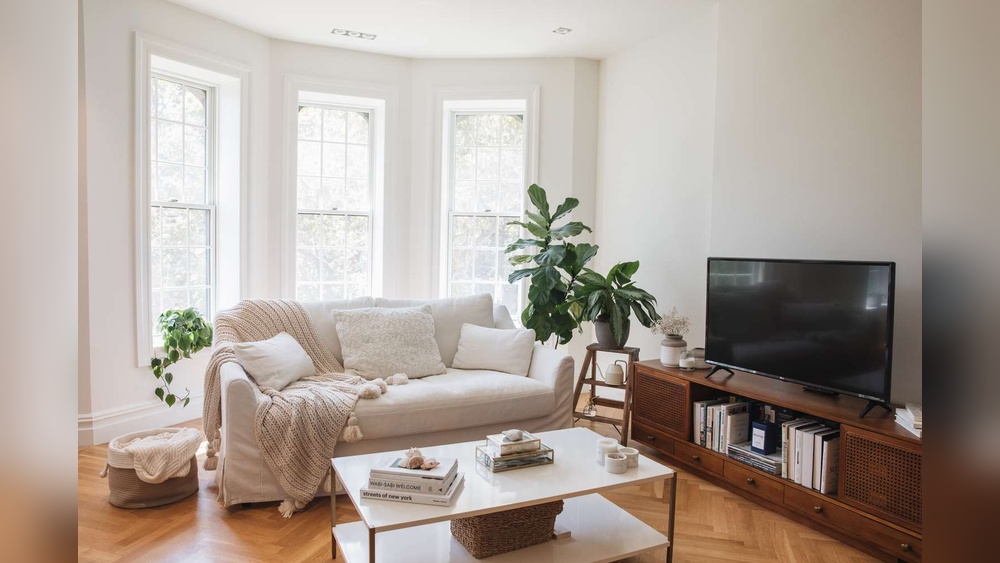
Your living room is more than just a space—it’s where you relax, entertain, and make memories. But if your furniture feels awkward or the room seems cluttered, it can stop you from truly enjoying that space.
How do you arrange furniture to make your living room inviting, functional, and stylish? In this guide, you’ll discover simple, practical tips to transform your living room layout. You’ll learn how to create balance, highlight focal points, and improve flow so that your space feels just right for you.
Keep reading, and soon you’ll have a living room that welcomes you home every day.
Furniture Placement Basics
Arranging furniture in your living room starts with understanding the basic principles that guide placement. These basics help you create a space that feels open, comfortable, and functional. Getting these right means your living room will not only look great but also serve your daily needs well.
Traffic Flow And Functionality
Think about how you move through your living room. You want clear paths that let you walk without bumping into furniture. Avoid blocking doorways or windows, and leave at least 2 to 3 feet of walking space between pieces.
Place seating so it encourages conversation but also allows easy access to other areas. Ask yourself: does this setup make it easy to get from the entrance to the kitchen or hallway? If not, consider shifting the furniture.
Creating A Focal Point
Every living room needs a focal point—a spot that naturally draws attention. It could be a fireplace, a large window, or even a TV. Arrange your furniture around this spot to create a sense of purpose.
I once tried placing the sofa away from the fireplace and noticed the room felt disconnected. Moving it to face the fireplace instantly made the space cozier and more inviting. What in your room should be the star?
Balance And Symmetry
Balance means distributing furniture evenly to avoid one side feeling heavier than the other. Symmetry, like matching chairs on either side of a sofa, creates a calm and organized look. But perfect symmetry isn’t always necessary—sometimes, a slightly asymmetrical layout can feel more dynamic.
Try pairing a large sofa with two smaller chairs instead of one big chair. This keeps the room feeling balanced without being too predictable. How can you mix balance and creativity in your layout?
Proportion And Scale
Choose furniture that fits the size of your room. Oversized pieces can overwhelm a small space, while tiny furniture can make a large room feel empty. A good rule is to pick a sofa about two-thirds the length of the wall or rug it sits on.
Think about how each piece relates to the others in size. For example, a low coffee table works well with a tall sofa to keep the sightlines open. What pieces in your room need resizing or repositioning to feel right?
:strip_icc()/neutral-living-room-white-fireplace-594af4cd-dfb9df1c2680468ab84c14d87b0b9eb9.jpg)
Credit: www.bhg.com
Applying The Two-thirds Rule
The two-thirds rule is a simple design guide for arranging living room furniture. It helps keep the space balanced and pleasing to the eye. This rule suggests that key pieces like the sofa and artwork should take up about two-thirds of the wall or rug space. This ratio creates a neat and comfortable look without overcrowding the room.
Sofa To Wall Ratio
Measure the length of your wall first. Choose a sofa about two-thirds that length. This leaves empty space on both sides. The room feels more open and less tight. Avoid a sofa that stretches fully across the wall. Too large a sofa makes the room look crowded and small.
Sofa To Rug Ratio
When placing a sofa on a rug, check the rug’s width. The sofa should cover about two-thirds of this width. This size anchors the seating area well. A smaller sofa can look lost on a big rug. A too-large sofa overwhelms the rug and the space.
Artwork And Wall Treatments
Hang artwork that spans about two-thirds of your sofa’s width. This keeps the art in good proportion to the furniture. For wall treatments like paneling or wainscoting, cover the bottom third of the wall. Leave the top two-thirds free for paint or wallpaper. This gives walls a balanced, elegant look.
Using Odd-numbered Groupings
Using odd-numbered groupings is a simple trick to make your living room look stylish and balanced. Odd numbers create a natural flow and feel more inviting than even numbers. This method works well for furniture, decorations, and wall art. It adds interest without cluttering the space.
Why Odd Numbers Work
Odd numbers catch the eye and hold attention longer. They create a sense of movement and energy in the room. Groups of three, five, or seven feel more natural and less forced. This breaks the symmetry and adds charm to your living space.
Arranging Decorative Items
Place decorative items like vases, candles, or sculptures in odd-numbered groups. For example, group three candles of different heights together on a coffee table. This creates a focal point and adds depth. Avoid lining up items in pairs or fours, which can feel stiff.
Grouping On Shelves And Mantels
Arrange books, plants, and small objects in odd numbers on shelves and mantels. Mix taller and shorter items for variety. A group of five objects with different shapes looks balanced and lively. Leave some space around the group to avoid clutter.
Gallery Wall Arrangements
Hang artwork or photos in odd-numbered clusters on your wall. Three or five pieces work well above sofas or consoles. Vary the sizes slightly to add interest. This approach feels less rigid and more creative than evenly spaced grids.
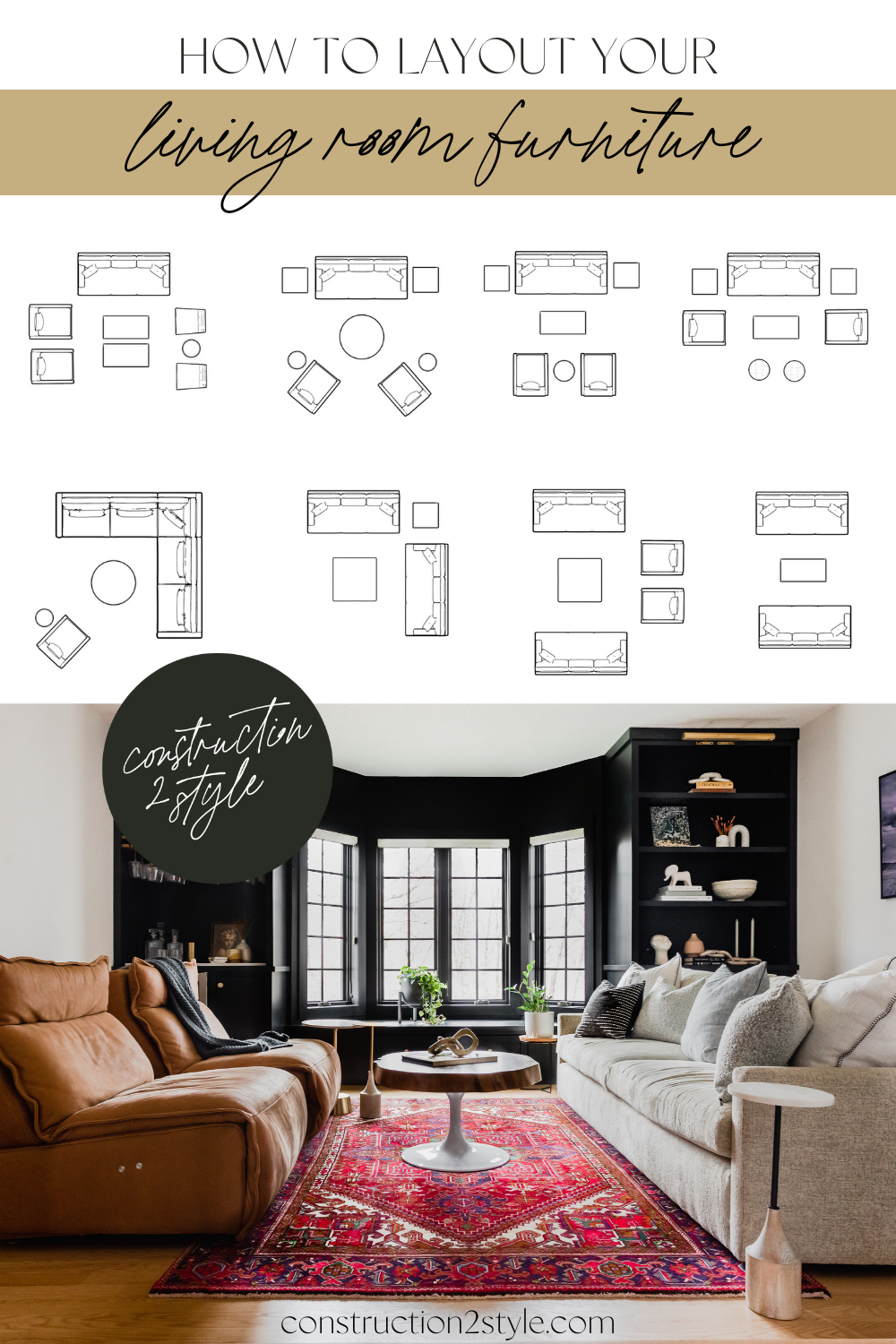
Credit: construction2style.com
Living Room Layouts By Shape
Arranging furniture in a living room depends greatly on the room’s shape. Each shape requires a different approach to create a balanced, functional space. Understanding the layout by shape helps you make the best use of the area. It improves flow and enhances comfort.
Long And Narrow Rooms
Long, narrow rooms need careful placement of furniture to avoid a cramped feeling. Place sofas and chairs along the longer walls to open the center space. Use rugs to define seating areas and add warmth. Avoid blocking pathways to keep the room easy to move through. Consider slim furniture that fits the narrow space without crowding.
Large Open Spaces
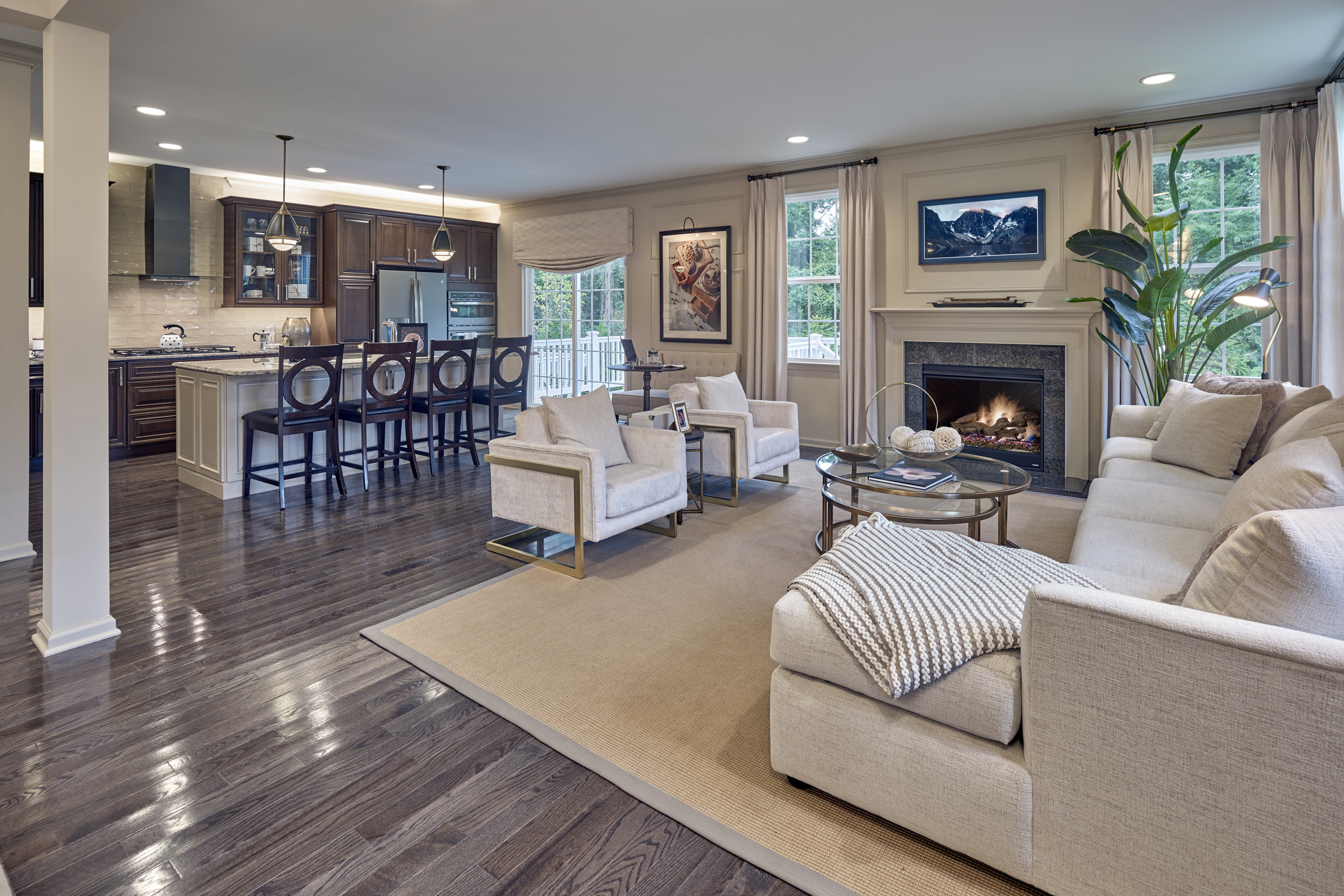
Large open living rooms offer freedom but can feel empty without structure. Divide the room into zones for seating, entertainment, and other activities. Use furniture groupings to create cozy areas. Arrange pieces around a central point, like a coffee table or rug. Balance the room by spacing furniture evenly and adding accessories for warmth.
Rooms With Corner Fireplaces
Corner fireplaces create a natural focal point but limit furniture placement. Position the main seating to face or angle toward the fireplace. Use smaller chairs or ottomans to fill in extra space without blocking the view. Keep pathways clear and balance the room by placing furniture opposite the fireplace. This layout highlights the fireplace and encourages conversation.
Maximizing Small Living Rooms
Small living rooms need smart furniture arrangements to feel open and cozy. Every piece must serve a purpose without crowding the space. Thoughtful choices can make your room look bigger and more inviting. Focus on size, function, and storage to maximize your small living room.
Choosing Scaled Furniture
Select furniture that fits the room size well. Large sofas or bulky chairs can overwhelm small spaces. Opt for slim, low-profile pieces that provide comfort without bulk. Measure your room before buying to ensure the right fit. Smaller furniture creates a balanced and airy feel.
Multi-functional Pieces
Pick furniture that has more than one use. A sofa bed or an ottoman with storage adds value. These pieces save space and reduce clutter. Multi-functional furniture helps keep the room tidy and flexible. Use them to create a versatile living area.
Optimizing Storage
Use vertical space for storage to free floor area. Wall shelves or tall cabinets work well in small rooms. Choose furniture with built-in storage like coffee tables or sideboards. Keep items organized and out of sight. Good storage makes a small living room feel clean and spacious.
Credit: www.juddbuilders.com
Tips From Interior Designers
Interior designers share valuable tips to arrange furniture in your living room effectively. These tips focus on comfort, style, and practical use of space. Applying their advice can transform your living area into a welcoming and balanced place.
Creating Inviting Seating Areas
Place furniture close enough to encourage conversation but not too tight. Arrange sofas and chairs around a central point like a coffee table or fireplace. Leave clear paths for easy movement. Avoid pushing all pieces against the walls. Grouping seating creates warmth and connection.
Anchoring With Rugs
Use rugs to define seating zones and add color or texture. Choose a rug large enough to fit under the front legs of all furniture in the area. This ties the pieces together visually. Rugs also soften hard floors and absorb sound. Pick a pattern or color that complements your room’s palette.
Mixing Textures And Styles
Combine different materials for depth and interest. Pair smooth leather with soft fabrics or wooden furniture with metal accents. Mixing styles adds character but keep a common color or theme. Balance bold pieces with simpler ones to avoid clutter. Texture variety makes the room feel cozy and dynamic.
Frequently Asked Questions
What Are The Four Rules In Furniture Arrangement?
The four rules in furniture arrangement are: ensure clear traffic flow, create a focal point, maintain balance and symmetry, and use proper proportion and scale. These guidelines help design functional, visually appealing, and well-organized spaces.
What Is The 2 3 Rule For Sofas?
The 2-3 rule for sofas means the sofa should be about two-thirds the length of the wall or rug. This creates balanced, proportional room design.
What Is The 3-5-7 Rule In Decorating?
The 3-5-7 rule in decorating groups items in odd numbers for visual balance. It creates rhythm, focal points, and variety. Odd numbers feel dynamic and natural, enhancing room aesthetics and interest.
What Is The Biggest Mistake In Placement Of Furniture?
The biggest mistake in furniture placement is blocking natural traffic flow, causing cramped, uncomfortable spaces. Arrange furniture to allow easy movement and balance.
Conclusion
Arranging furniture well makes your living room inviting and practical. Keep pathways clear for easy movement and comfort. Place larger pieces first, then add smaller items around them. Use the two-thirds rule to balance furniture with walls or rugs. Group items in odd numbers for a natural look.
Focus on creating a cozy spot for conversation and relaxation. With simple steps, your living room will feel both stylish and functional. Enjoy arranging your space to fit your lifestyle perfectly.