Your bedroom should be your sanctuary—a place where you feel relaxed, comfortable, and inspired. But how you arrange your bedroom furniture can make all the difference between a chaotic space and a peaceful retreat.
If you’ve ever walked into your room and felt cramped, cluttered, or just “off,” it’s not your imagination. The way your furniture is positioned affects how the room feels and functions every day. Imagine waking up refreshed because your bed is perfectly placed to catch natural light, or easily moving around without bumping into anything.
In this guide, you’ll discover simple, effective steps to arrange your bedroom furniture that maximize space, improve flow, and create a cozy atmosphere tailored just for you. Ready to transform your bedroom into the perfect haven? Let’s dive in.

Credit: www.matterbrothersfurniture.com
Place The Bed First
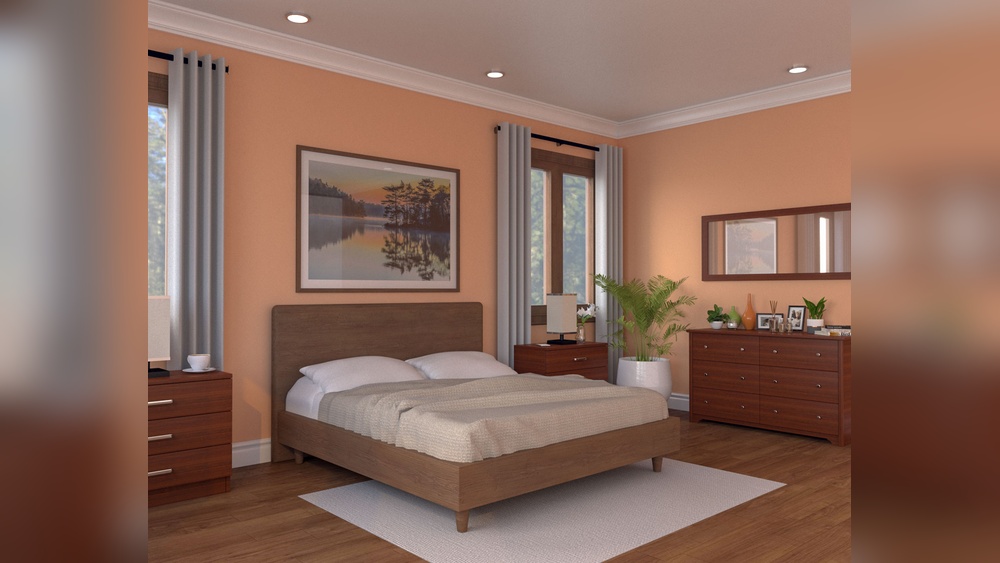
Placing the bed first is the best way to start arranging bedroom furniture. The bed is the biggest piece and the room’s main focus. Deciding its spot early helps organize other furniture smoothly. It sets the tone for the room’s flow and comfort. Think about comfort and style while choosing its place.
Other pieces like nightstands, dressers, or desks come next. Their placement depends on the bed’s location and room size. This method keeps your bedroom balanced and easy to use. It also makes the space look neat and welcoming.
Choose The Focal Point
The bed is the bedroom’s focal point. Place it where it naturally draws attention. Usually, this means against the longest wall or opposite the door. Avoid placing the bed in a corner or behind doors. A clear view of the bed creates a cozy and inviting feel.
Apply The Command Position
Place the bed so you see the door without lying directly in line with it. This position gives a sense of security and control. It also allows natural light to reach the bed. Avoid spots that force you to face a wall or window while resting.
Avoid Drafty Or Noisy Spots
Keep the bed away from windows or vents that cause drafts. Avoid walls shared with noisy rooms or busy streets. Drafts and noise disrupt sleep and comfort. Choose a quiet, warm corner to help rest better.
Consider Architectural Features
Look at windows, doors, and fireplaces before placing the bed. Do not block windows or doors with the bed. If the room has a fireplace, place the bed opposite it if possible. Use these features to add charm and balance to your layout.

Credit: www.wikihow.com
Prioritize Movement
Prioritizing movement in your bedroom layout improves comfort and safety. It allows easy access to key areas without obstacles. This approach helps your room feel more open and organized. Focus on creating smooth pathways and placing furniture thoughtfully.
Ensure Clear Pathways
Keep walkways free of clutter and large furniture. Clear paths help you move without tripping or squeezing through tight spaces. Avoid placing furniture too close to doors or windows. Leave enough room to open drawers and doors fully.
Measure Walking Space
Use a tape measure to check space between furniture pieces. Aim for at least 24 inches of walking space in main pathways. Narrower gaps can cause discomfort or accidents. Adjust furniture placement to maintain these clear zones.
Position Nightstands Conveniently
Place nightstands close enough for easy reach from the bed. They should not block walking routes around the bed. Nightstands provide space for lamps, phones, and essentials. Well-placed nightstands improve both function and flow in the room.
Group Furniture By Use
Grouping bedroom furniture by use helps create a more functional and comfortable space. It allows each area to serve its purpose clearly. This method also improves movement and organization in the room.
By arranging furniture based on activity, the bedroom feels less cluttered. It supports daily routines like dressing, relaxing, and entertainment. Each zone can have its own flow and style.
Create Dressing Areas
Place dressers, wardrobes, and mirrors together to form a clear dressing zone. Keep this area near the closet for easy access to clothes. Adding a small bench or chair can make dressing more comfortable.
Good lighting is important here. Use bright lamps or natural light to help with outfit choices. This setup reduces clutter in other parts of the bedroom.
Align Bed With Tv Viewing
Position the bed where you can easily see the TV. This arrangement enhances relaxation and entertainment. Make sure the TV is not too high or too low for comfortable viewing.
Keep pathways clear between the bed and TV for smooth movement. Nightstands can flank the bed without blocking the view. This setup balances comfort and function.
Establish Activity Zones
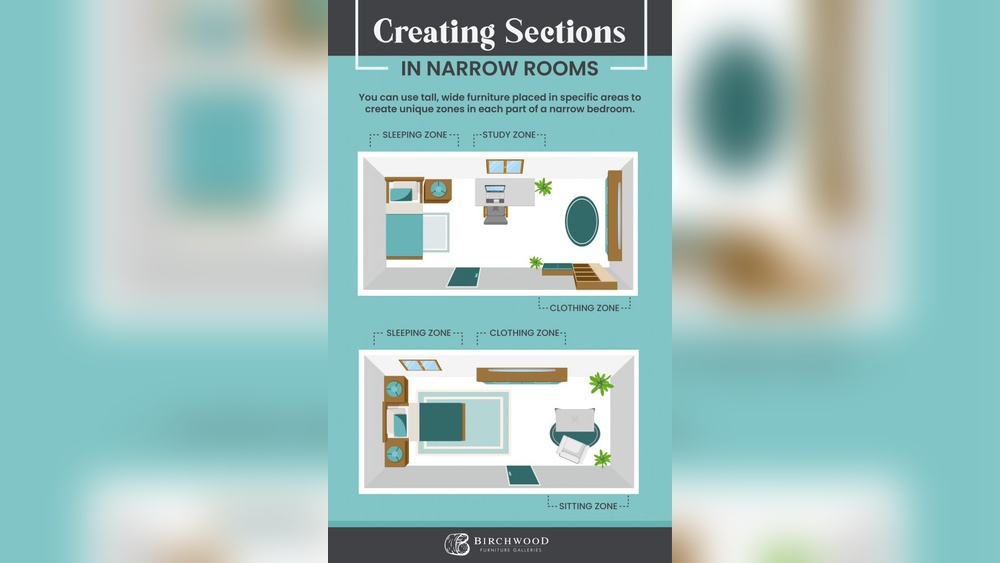
Divide the bedroom into zones for different tasks like sleeping, reading, or working. Use rugs or furniture placement to mark each area. This separation helps keep the room organized.
For example, place a small desk or reading chair in a corner to create a quiet workspace. Keep the sleeping area calm and clutter-free. Zones improve focus and relaxation.
Maximize Vertical Space
Maximizing vertical space in your bedroom helps keep the room neat and spacious. Using the walls effectively allows more floor space for movement and larger furniture pieces. Vertical storage solutions create order and add style without cluttering the room.
Use Wall Storage
Wall storage saves floor space and keeps items within reach. Install cabinets or floating shelves to hold books, decor, or personal items. Using wall-mounted storage keeps things organized and off the ground. Choose units that match your room’s style for a clean look.
Incorporate Shelving And Hooks
Shelves add extra storage and display space at eye level or higher. Hooks are perfect for hanging bags, hats, or accessories. Combine shelves and hooks to use every inch of wall space. This method keeps your belongings visible and easy to grab.
Keep Floor Space Open
Clear floors make your bedroom feel larger and less crowded. Place furniture with legs to allow light and air to flow underneath. Avoid bulky pieces that cover the floor completely. Open floor space improves walking paths and makes cleaning easier.
Balance Scale And Quantity
Creating a balanced scale and quantity of furniture in your bedroom is key for comfort and style. Balance means matching furniture size with your room’s space. Quantity means choosing the right number of pieces. Both help the room feel open and inviting.
Match Furniture Size To Room
Choose furniture that fits the bedroom size. Large pieces can overwhelm a small room. Small pieces may look lost in a big room. Measure your space before buying. Ensure the bed, dresser, and chairs suit your room’s dimensions.
Mix Large And Small Pieces
Combine big and small furniture items for interest. A large bed pairs well with smaller nightstands. A big dresser can balance a small chair. This mix keeps the room from feeling too heavy or too empty.
Avoid Overcrowding
Keep enough space to move freely. Too many items make the room feel cramped. Leave clear paths between furniture. Limit pieces to what you really need. This makes the bedroom feel calm and spacious.
Measure And Plan Layout
Measuring and planning your bedroom layout is the first step to a well-organized space. It helps you use every inch wisely and avoid clutter. Taking accurate measurements and planning ahead can save time and effort. This process ensures your furniture fits comfortably and the room feels balanced.
Sketch Room Dimensions
Start by drawing your bedroom’s floor plan on paper. Include windows, doors, and any built-in features. Use a tape measure to get the exact length and width of the room. Mark the locations of power outlets and light switches. A clear sketch helps visualize space and plan furniture placement.
Measure Furniture Accurately
Measure each piece of furniture before moving it. Note the height, width, and depth of beds, dressers, and nightstands. Write down these numbers on your sketch. This step prevents surprises and ensures pieces fit through doorways and around corners. Accurate measurements make arranging easier and more efficient.
Test Arrangements Before Moving
Try out different furniture layouts on your sketch or with online room planners. Use cutouts or tape on the floor to represent furniture sizes. This helps you see how much space each piece will take. Testing saves effort and avoids heavy lifting. Adjust until you find the best flow and comfort for your room.
Enhance With Lighting And Accessories
Lighting and accessories bring life to your bedroom layout. They create warmth, style, and comfort. Thoughtful use of these elements adds depth and personality. They also improve the room’s function and flow.
Use Lighting To Define Zones
Different lights shape how you use each space. Use soft lamps near the bed for reading. Bright overhead lights work well for dressing or makeup. Task lighting helps at a desk or vanity. Layer lights to switch moods easily. This separation makes the room feel larger and more organized.
Add Rugs For Visual Separation
Rugs create clear zones without walls. Place a rug under the bed to anchor it. Use smaller rugs near a seating area or desk. Rugs add texture and color. They also soften hard floors and reduce noise. Choose sizes that fit furniture groupings well. Rugs help the room feel cozy and balanced.
Incorporate Personal Touches
Accessories show your style and make the room yours. Add framed photos, artwork, or souvenirs. Use pillows and throws for color and comfort. Plants bring freshness and life into the space. Select items that tell your story or inspire you. Personal touches create a relaxing, inviting atmosphere.
:strip_icc()/bedroom-fur-rug-blue-bedspread-f5e36d84-0a567ef8963746dbb0d6001f205a1758.jpg)
Credit: www.bhg.com
Adjust For Room Shape
Adjusting bedroom furniture to fit the room shape improves comfort and flow. Each room shape needs a unique approach for the best layout. Understanding how to work with your room’s shape helps create a balanced and functional space.
Arrange Long, Narrow Bedrooms
In long, narrow bedrooms, place the bed along the longer wall. This opens up walking space and avoids a cramped feel. Use slim furniture to keep the room from feeling cluttered. Mirrors can add light and make the room feel wider. Keep pathways clear to improve movement.
Optimize Small Spaces
Small bedrooms need smart furniture choices and placement. Choose multifunctional items like beds with storage drawers underneath. Place larger pieces against walls to free up floor space. Use vertical storage such as shelves to keep the floor clear. Light colors and minimal décor help the room feel bigger.
Adapt For Large Rooms
Large bedrooms offer many options but can feel empty without planning. Create zones for sleeping, dressing, and relaxing to fill the space. Group furniture in clusters to make the room cozy. Use area rugs to define different areas. Avoid pushing all furniture to the walls; bring some pieces inward for balance.
Frequently Asked Questions
How Do You Decide Where To Put Furniture In A Bedroom?
Start by placing the bed as the focal point, ideally where you see the door but not directly aligned with it. Arrange other furniture for easy movement, group by function, and use vertical space to maximize room. Avoid overcrowding and measure spaces before placing items.
What Is The 2/3 Rule Furniture?
The 2/3 rule in furniture means placing a piece that covers about two-thirds of a wall or space, balancing room flow and aesthetics. It helps create harmony and avoids overcrowding, ensuring functional and visually pleasing furniture arrangements.
What Is The Biggest Mistake In Placement Of Furniture?
The biggest mistake in furniture placement is overcrowding the space, blocking pathways, and ignoring room flow. This reduces comfort and functionality.
Is There An App That Helps You Rearrange Furniture?
Yes, apps like Houzz, Planner 5D, and Roomstyler help you rearrange furniture easily with 3D room layouts and drag-and-drop tools.
Conclusion
Arranging bedroom furniture well makes your space feel calm and neat. Start with the bed as the main focus. Keep pathways clear for easy movement. Group items by function to stay organized. Use walls for storage to save floor space.
Create zones if the room is large enough. Small changes can make the room more comfortable and useful. Try different layouts until it feels right for you. A well-arranged bedroom helps you relax and sleep better.