Struggling to fit all your essentials into a small bedroom without making it feel cramped? You’re not alone.
When space is tight, arranging furniture can feel like a puzzle with no clear solution. But what if you could make your room feel larger, more organized, and truly comfortable—all by placing your furniture the right way? In this guide, you’ll discover simple, smart strategies to arrange your furniture so every inch of your small bedroom works for you.
Keep reading to unlock easy tips that transform your space into a cozy, stylish retreat you’ll love spending time in.
Bed Placement
Placing the bed in a small bedroom requires careful thought. The bed is the room’s main piece. Its position affects space, flow, and comfort. Proper bed placement can open the room and make it feel larger. It also helps in organizing other furniture around it. Follow simple tips to arrange your bed for maximum space and ease.
Centering On Main Wall
Place the bed against the main wall for balance. Usually, this is the wall opposite the door. Centering the bed creates symmetry and harmony. It allows equal space on both sides for nightstands. This setup improves the room’s look and function. It also makes the room feel more spacious and neat.
Maximizing Accessibility
Keep enough space around the bed for easy movement. Leave at least two feet on each side. This space helps you get in and out of bed comfortably. Avoid pushing the bed against a corner. Accessibility makes the room safer and more usable. It also allows cleaning and changing bedding with ease.
Avoiding Window Blocks
Do not block windows with the bed. Windows bring light and fresh air inside. Blocking them can make the room dark and stuffy. Position the bed beside or away from windows. This placement maximizes natural light and ventilation. It keeps the room bright and inviting all day.

Credit: www.wikihow.com
Choosing Furniture
Choosing the right furniture is key in a small bedroom. The goal is to make the room feel spacious and functional. Picking pieces that fit well can change the whole look and comfort of the space. Focus on size, style, and usefulness to get the best results.
Selecting Proper Scale
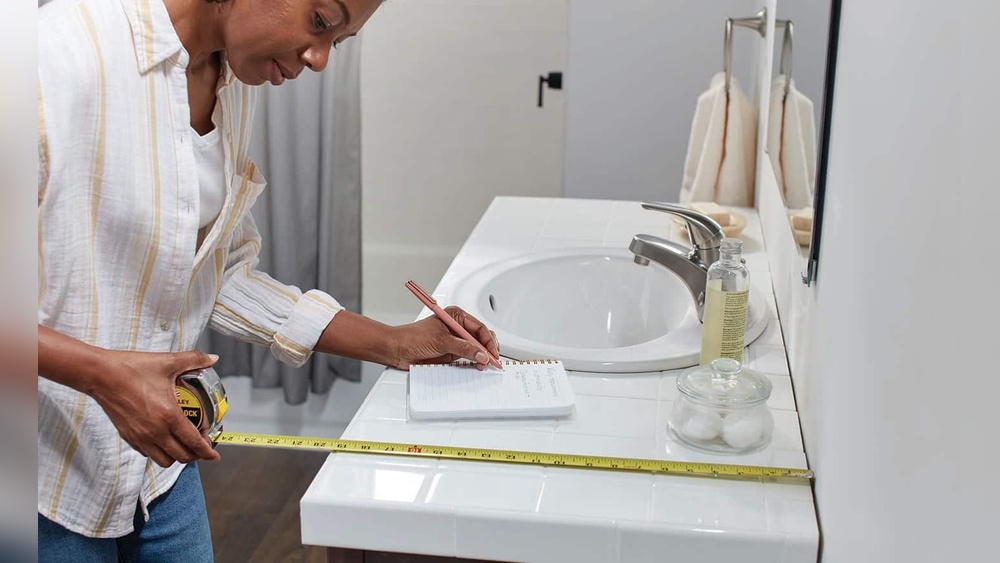
Choose furniture that fits the room’s size. Large pieces can make the space feel cramped. Small, compact furniture keeps the room open and airy. Measure the room before buying to avoid overcrowding. Aim for a balance between comfort and space.
Multi-functional Pieces
Furniture that serves more than one purpose saves space. A bed with storage drawers helps reduce clutter. A fold-out desk can act as a workspace and a table. Look for items that combine uses to maximize room function. This approach keeps the bedroom tidy and practical.
Avoiding Overcrowding
Place only essential furniture in the bedroom. Too many items make the room feel tight and busy. Leave enough walking space around each piece. Avoid blocking windows or doors with furniture. A simple layout improves flow and creates a peaceful atmosphere.
Optimizing Layout
Optimizing the layout is key to making a small bedroom feel spacious and comfortable. Thoughtful furniture arrangement helps use every inch wisely. It improves movement and adds style without crowding the room. Below are strategies to create an efficient and inviting layout.
Maintaining Traffic Flow
Allow clear paths for walking around the room. Avoid blocking doorways and windows with furniture. Keep at least two feet of space for easy movement. Place larger pieces like the bed against the longest wall. This frees central space for walking and other activities.
Creating Conversation Zones
Group seating and surfaces to encourage talking and relaxing. Use a small chair or bench near the bed or window. Position furniture close enough to feel cozy but not cramped. This creates a friendly and functional area in a limited space.
Balancing Symmetry And Function
Center the bed on the main wall to anchor the room. Place matching nightstands on each side for balance and storage. Use symmetrical decor like lamps or art pieces to enhance harmony. Prioritize function by choosing pieces with storage or multipurpose use.
Lighting And Windows
Lighting and windows play a big role in arranging furniture in a small bedroom. Good light makes the room feel open and fresh. Natural light brings warmth and helps highlight the best parts of your space. Using windows well can also create a nice flow and give your room a calm, airy feel.
Maximizing Natural Light
Keep window areas clear to let in as much light as possible. Avoid heavy curtains or dark blinds. Choose sheer or light-colored fabrics. Place your bed or desk near the window to enjoy daylight. This makes your room feel larger and more inviting. Clean windows regularly to keep light bright and clear.
Using Mirrors To Expand Space
Mirrors reflect light and create the illusion of space. Hang a large mirror opposite or next to a window. This doubles the natural light in the room. A floor mirror can also add depth. Use simple frames to keep the look clean. Mirrors make small bedrooms feel less cramped and more open.
Smart Lamp Placement
Use lamps to add light where natural light falls short. Place lamps on bedside tables or shelves. Choose lamps with adjustable brightness. This helps create a cozy mood in the evening. Avoid placing lamps in the middle of the room to save space. Wall-mounted lamps save floor space and add style. Good lamp placement balances light and keeps the room functional.
Storage Solutions
Storage solutions play a vital role in arranging furniture in a small bedroom. They help keep the room tidy and make the most of limited space. Smart storage options reduce clutter and create a relaxing environment. Small bedrooms benefit greatly from creative and efficient storage ideas.
Under-bed Storage
Under-bed storage uses the space beneath the bed to store items. You can use flat bins or drawers designed to fit under the bed frame. This space is perfect for storing shoes, clothes, or extra bedding. It keeps things out of sight but easy to reach. Using under-bed storage frees up closet and drawer space.
Vertical Shelving
Vertical shelving takes advantage of wall height for storage. Tall shelves or wall-mounted units hold books, decor, and daily items. They draw the eye upward, making the room feel taller. Vertical shelves avoid using precious floor space. Placing shelves near the bed or door keeps essentials handy.
Built-in Cabinets
Built-in cabinets fit seamlessly into a small bedroom’s design. They use awkward spaces like corners or alcoves effectively. Cabinets can be customized to fit your storage needs. These units offer closed storage to hide clutter and open shelves for display. Built-ins add style and function without crowding the room.
Decor Tips
Decor tips play a vital role in making a small bedroom feel spacious and cozy. The right choices create a calm and inviting atmosphere. Simple changes can improve the room’s look and function. Focus on colors, accessories, and area definition to enhance the space without clutter.
Choosing Light Colors
Light colors open up a room and reflect more light. Shades like white, beige, pale blue, or soft gray work well. They make walls and furniture look less heavy. Light colors create a clean and airy feel. Use them on walls, bedding, and curtains for a fresh look.
Minimalist Accessories
Keep accessories simple and few in number. Choose items that add style without crowding the room. Small plants, a few framed photos, or a sleek lamp work great. Avoid large or busy decorations that take up space. Minimalist accessories keep the room tidy and calm.
Using Rugs To Define Areas
Rugs help separate different parts of the room. They add texture and warmth without taking up space. Place a rug under the bed or near a reading corner to create zones. Choose rugs that fit the room size and color scheme. This adds style and makes the room feel organized.
Tech Tools For Planning
Planning furniture layout in a small bedroom can be tricky. Tech tools help visualize and organize the space easily. These tools save time and reduce guesswork. They allow you to try different setups without moving heavy furniture. Using digital aids makes arranging furniture more fun and less stressful.
Apps For Floor Plans
Floor plan apps let you draw room dimensions quickly. They create accurate layouts with simple taps or swipes. Some apps scan your room using your phone camera. Others allow manual drawing for precise measurements. You can add furniture icons to see the fit. Popular choices include Magicplan and RoomScan Pro. These apps show how much space each item uses.
Augmented Reality Tools
Augmented reality (AR) tools overlay furniture in your real room view. Point your phone camera and see virtual furniture on the floor. This method helps check size and style in real-time. IKEA Place is a well-known AR app for this purpose. AR tools reduce mistakes by showing exact placement. They work well for small bedrooms with tight spaces.
Virtual Furniture Placement
Virtual placement tools let you move furniture around digitally. You can drag and drop items to test different arrangements. These tools often include 3D models of sofas, beds, and desks. They help find the best layout for comfort and flow. Using virtual furniture placement avoids heavy lifting. It also gives a clear idea of how the room will look.

Credit: www.youtube.com
Common Mistakes
Arranging furniture in a small bedroom can be tricky. Many make common mistakes that reduce space and comfort. Avoiding these errors helps create a balanced and functional room. Small changes improve flow and make the room feel larger. Here are some frequent pitfalls to watch out for.
Pushing Furniture Against Walls
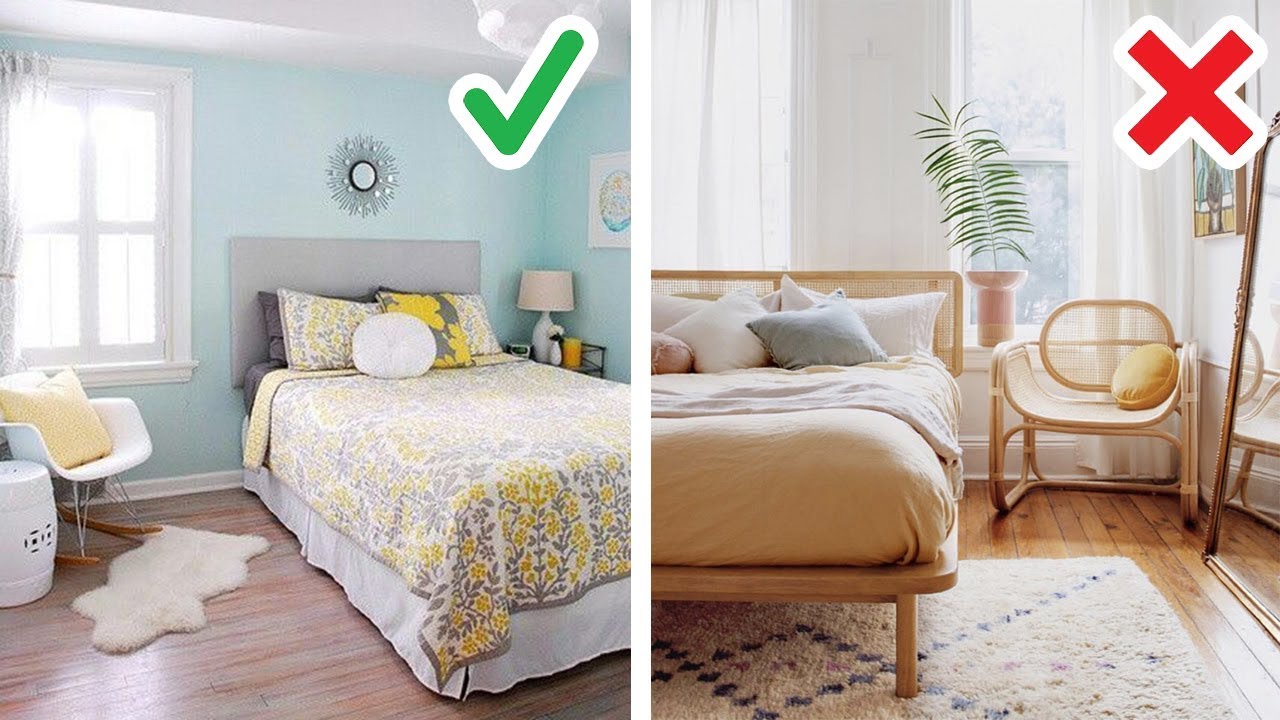
Many place all furniture flat against the walls. This can make the room feel empty and awkward. Leaving some space around pieces creates a cozy and inviting atmosphere. Floating the bed or dresser slightly inward opens up the room visually. It also allows easier access and better balance.
Ignoring Room Traffic
Ignoring how people move through the room causes frustration. Blocking pathways with furniture limits comfort and usability. Plan clear routes from the door to the bed and closet. Keep walkways at least two feet wide. This simple step helps the room flow naturally and avoids cluttered spaces.
Over-centering On Tv
Putting the TV at the center of the room limits furniture options. It forces awkward arrangements that reduce space and comfort. Focus on the bed as the main feature instead. Place the TV where it is viewable but does not dominate the layout. This creates a more restful and balanced bedroom setup.
Credit: www.youtube.com
Frequently Asked Questions
What Is The Best Way To Arrange Furniture In A Small Bedroom?
Place the bed against the most visible wall, leaving space on both sides. Use multifunctional furniture and keep pathways clear. Arrange pieces to maximize natural light and avoid overcrowding. This creates balance, enhances flow, and makes the small bedroom feel spacious and comfortable.
What Is The 2/3 Rule Furniture?
The 2/3 rule in furniture means arranging two-thirds of a room with furniture, leaving one-third open for space and flow.
What Is The Biggest Mistake In Placement Of Furniture?
The biggest mistake in furniture placement is pushing all pieces against walls, ignoring natural flow and overcrowding the space.
Is There An App That Helps You Rearrange Furniture?
Yes, apps like DecorMatters, Homestyler, and Magicplan help you rearrange furniture using AR and floor plans.
Conclusion
Arranging furniture well can make a small bedroom feel larger. Focus on balance and keep pathways clear for easy movement. Choose furniture that fits your space without crowding it. Use light colors and natural light to brighten the room. Remember, less is more—avoid clutter to maintain a calm atmosphere.
With careful planning, even a small bedroom can be cozy and functional. Try different layouts until you find what works best for you. Small spaces can still offer comfort and style.