Your outdoor wood furniture is more than just a place to sit—it’s a part of your home’s charm and comfort. But weather, sun, rain, and changing seasons can quickly wear it down.
If you want to keep your wood looking beautiful and strong for years, you need to protect it from these elements. You’ll discover simple, effective ways to shield your outdoor wood furniture so it stays durable and inviting. Ready to learn how to make your investment last?
Keep reading—you won’t want to miss these easy tips.
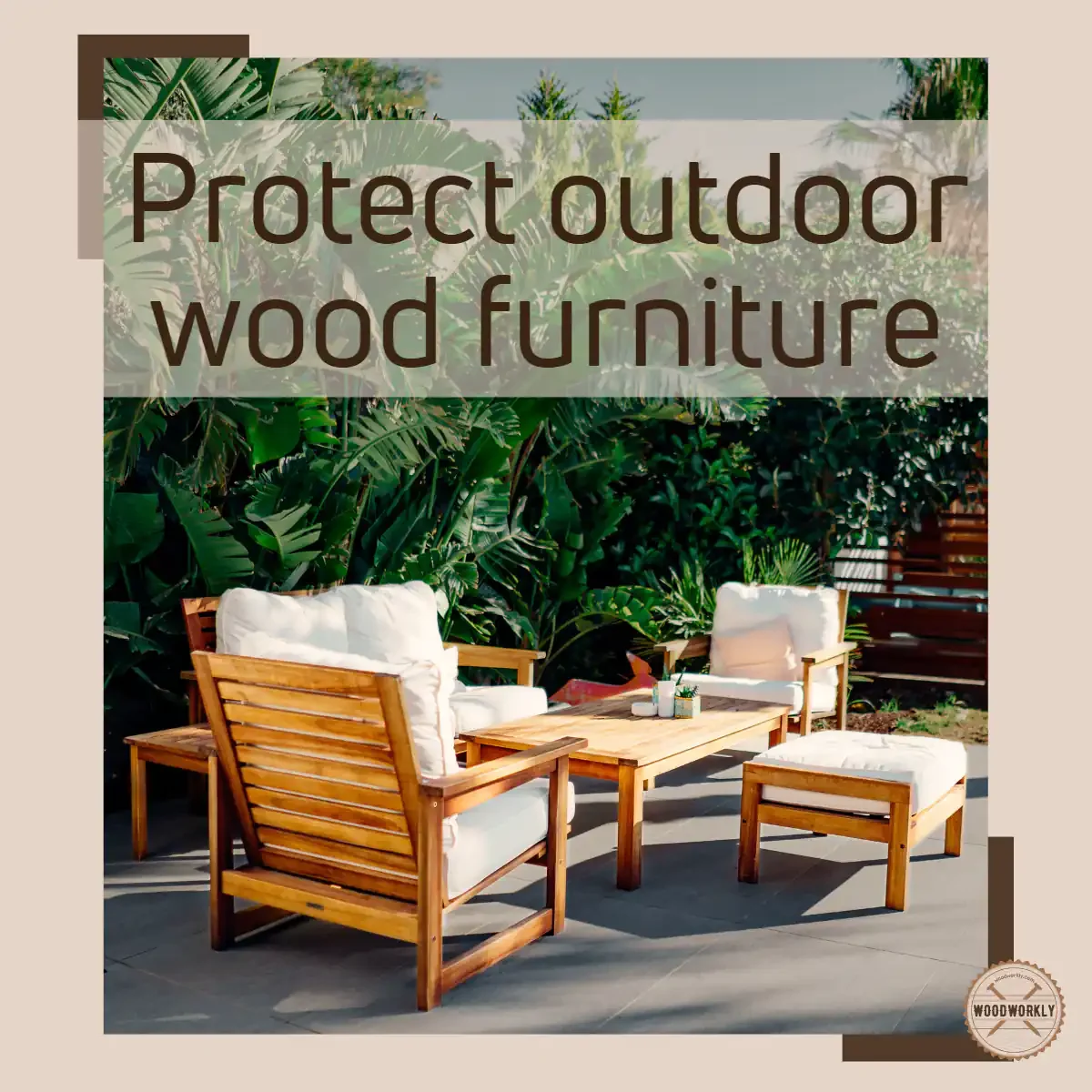
Credit: woodworkly.com
Choosing The Right Wood
Choosing the right wood is key to protecting outdoor furniture from weather damage. Wood types vary in strength and resistance to moisture and insects. Picking the right wood saves time and money on repairs and replacements.
Some woods last longer outside. Others need extra care to stay strong. Knowing the differences helps you make a smart choice for your outdoor space.
Durable Wood Types
Cedar and teak are popular for outdoor use. They resist rot and insects naturally. Redwood also holds up well against moisture. These woods do not warp easily in sun or rain.
Hardwoods like mahogany and ipe are very strong. They can handle harsh weather for many years. These woods may cost more but last longer without much maintenance.
Treated Vs. Untreated Wood
Treated wood has chemicals to prevent decay and bugs. It is safer to use outdoors. Pressure-treated pine is a common choice. This wood is affordable and lasts longer than untreated pine.
Untreated wood looks natural but needs sealing. Without protection, it absorbs water and cracks. Applying sealant or paint helps keep untreated wood safe. Regular upkeep is important to avoid damage.
Cleaning Outdoor Wood Furniture
Cleaning outdoor wood furniture is important to keep it looking good and lasting longer. Dirt and dust can build up on the surface. This can cause damage over time. Regular cleaning removes these particles and protects the wood.
Proper cleaning also helps to spot any cracks or wear early. This lets you fix problems before they get worse. Simple cleaning steps make a big difference in maintaining wood furniture outdoors.
Removing Dirt And Debris
Start by brushing off loose dirt and leaves. Use a soft-bristle brush or a dry cloth. Avoid harsh scrubbing that can scratch the wood. Cleaning this debris prevents mold and mildew growth. It also stops dirt from settling deep into the wood grain.
Rinse the furniture with water to remove remaining dust. Use a gentle spray, not a strong jet, to avoid damage. Let the furniture dry completely before the next cleaning step.
Using Mild Cleaners
Choose a mild soap or wood cleaner safe for outdoor use. Mix it with water to create a gentle cleaning solution. Avoid harsh chemicals that strip natural oils from the wood. These oils protect and keep the wood strong.
Use a soft cloth or sponge to apply the cleaner. Work in small sections, wiping gently along the wood grain. Rinse well with clean water to remove any soap residue. Dry the furniture with a soft towel or let it air dry.
Sealing And Staining
Sealing and staining are key steps to protect outdoor wood furniture. They create a strong barrier against rain, sun, and dirt. This helps wood last longer and look better. Proper sealing and staining also prevent wood from cracking or fading. These steps keep your furniture safe and fresh for many seasons.
Types Of Sealants
There are several types of sealants for wood. Clear sealants keep wood’s natural color. They protect without changing the look. Tinted sealants add color and protection. Oil-based sealants soak deep into the wood. They provide strong water resistance. Water-based sealants dry fast and have less smell. Choose a sealant based on your wood type and style.
Applying Stain And Sealant
Start by cleaning your furniture well. Remove dirt and old finishes. Use a brush or cloth to apply stain evenly. Follow the wood grain for best results. Let the stain dry fully before sealing. Apply the sealant in thin, even coats. Avoid thick layers to prevent peeling. Allow each coat to dry before adding another.
Frequency Of Reapplication
Reapply stain and sealant every 1 to 2 years. Check furniture often for signs of wear. Fading or water absorption means it’s time to reapply. Regular maintenance keeps wood protected and strong. Reapplying prevents damage and extends furniture life. Keep your outdoor wood furniture looking great.

Credit: www.luxushomeandgarden.com
Protecting Against Moisture
Moisture is one of the biggest threats to outdoor wood furniture. Water can soak into the wood, causing it to swell, crack, or rot over time. Protecting wood from moisture helps keep furniture strong and looking good for years. Simple steps can make a big difference in stopping water damage.
Waterproof Covers
Using waterproof covers is an easy way to shield wood furniture from rain and dew. Covers made from durable materials block water and keep furniture dry. Choose covers that fit well and cover all parts of the furniture. Remove covers on sunny days to avoid trapping moisture underneath.
Elevating Furniture From Ground
Keep wood furniture off the ground to prevent water damage. Moisture from wet grass or soil can seep into the wood. Use small blocks or furniture risers to raise legs a few inches. Elevation improves airflow and reduces the chance of wood absorbing water from the ground.
Shielding From Sun Damage
Sunlight can quickly damage outdoor wood furniture. It dries out the wood and causes fading and cracking. Protecting your furniture from sun damage helps keep it strong and beautiful for years. Simple steps can make a big difference.
Using Uv-resistant Finishes
Applying a UV-resistant finish creates a barrier against the sun’s harmful rays. These finishes block ultraviolet light and reduce fading. Choose finishes made for outdoor wood. Reapply every year for the best protection. The finish also helps seal the wood from moisture and dirt.
Positioning Furniture In Shade
Placing furniture in shaded areas limits direct sun exposure. Use natural shade from trees or install umbrellas and awnings. This reduces heat and protects the wood surface. Moving furniture out of direct sunlight during peak hours extends its life. Shade helps maintain color and prevents drying out.
Winterizing Wood Furniture
Winter is tough on outdoor wood furniture. Cold, moisture, and frost can cause damage. Wood may crack, warp, or lose its finish. Proper winterizing helps keep furniture safe and looking good for years.
Taking time to prepare wood furniture before winter reduces repair costs. It also extends the life of your investment. Follow these key steps to protect your wood pieces during cold months.
Cleaning Before Storage
Start with a good cleaning. Remove dirt, dust, and grime using a soft brush or cloth. Use mild soap and water to wash the surface gently. Avoid harsh chemicals that can damage the wood.
Rinse thoroughly and let the furniture dry completely. Moisture left on wood invites mold and mildew. Drying may take a day or two in a warm, dry spot.
Check for any damage, like cracks or loose joints. Fix small issues before storage. This prevents further problems during winter.
Proper Storage Techniques
Store wood furniture in a dry, sheltered place. A garage or shed works well. Avoid direct contact with the cold ground by placing furniture on pallets or blocks.
Cover pieces with breathable covers. Plastic sheets trap moisture and cause mold. Use fabric or canvas covers that allow air flow.
Keep furniture away from heaters or vents. Sudden temperature changes can harm wood. Ensure good air circulation around the items to prevent dampness.
Repairing And Maintaining
Outdoor wood furniture faces weather damage over time. Repairing and maintaining keeps it strong and beautiful. Small problems can turn big if left alone. Regular care extends the life of your furniture. It saves money and preserves the natural look of wood.
Fixing Cracks And Splits
Cracks and splits appear from sun and rain exposure. Clean the damaged area first. Use wood glue or filler to seal the crack. Press the wood together and wipe off extra glue. Let it dry fully before using or painting. This stops water from entering and causing more damage.
Sanding And Refinishing
Sanding removes old finish and smooths rough spots. Use fine sandpaper and sand gently along the grain. Wipe dust away with a clean cloth. Apply a fresh coat of varnish or sealant. This protects wood from moisture and sun damage. Refinish every year for best results and lasting protection.

Credit: sunnydazedecor.com
Additional Protective Tips
Protecting outdoor wood furniture takes more than just basic care. Small extra steps can make a big difference. These additional tips help your furniture last longer and look better. They add a strong layer of defense against sun, rain, and dirt.
Using Furniture Covers
Furniture covers shield wood from rain, dust, and sunlight. Choose covers made from breathable materials to avoid moisture buildup. Always cover furniture when not in use, especially during bad weather. Remove covers occasionally to let air circulate and prevent mold. Secure covers tightly to keep them from blowing away.
Avoiding Harsh Chemicals
Harsh chemicals can damage wood and remove protective finishes. Use gentle, wood-safe cleaners for cleaning furniture. Avoid bleach, ammonia, or abrasive cleaners that cause discoloration. Test any new cleaner on a small area first. Regular mild cleaning keeps wood healthy and strong without harm.
Frequently Asked Questions
How Do I Protect Wood Furniture From Rain?
Use waterproof sealants or outdoor varnishes on wood surfaces. Cover furniture with waterproof covers during rain. Store furniture in sheltered areas to prevent water damage and prolong its lifespan.
What Is The Best Finish For Outdoor Wood Furniture?
Teak oil and spar urethane are excellent finishes. They penetrate wood and provide water resistance. These finishes enhance durability and maintain wood’s natural look outdoors.
How Often Should I Treat Outdoor Wood Furniture?
Treat your wood furniture once every 6 to 12 months. Regular maintenance prevents cracking, fading, and weather damage. Inspect furniture for wear before reapplying protective coatings.
Can I Use Indoor Wood Furniture Outside?
Indoor wood furniture lacks weather-resistant finishes. Using it outdoors can cause warping and damage. Always use furniture designed for outdoor use or properly seal indoor pieces.
Conclusion
Protecting outdoor wood furniture takes regular care and simple steps. Clean the wood often and apply a good sealant. Cover furniture during rain and strong sun to avoid damage. Store pieces indoors or in a sheltered spot during winter. These small efforts help wood last longer and look great.
Enjoy your outdoor space without worry. Keep your furniture safe, and it will serve you well for years. Easy habits make a big difference. Try them today for lasting wood beauty.