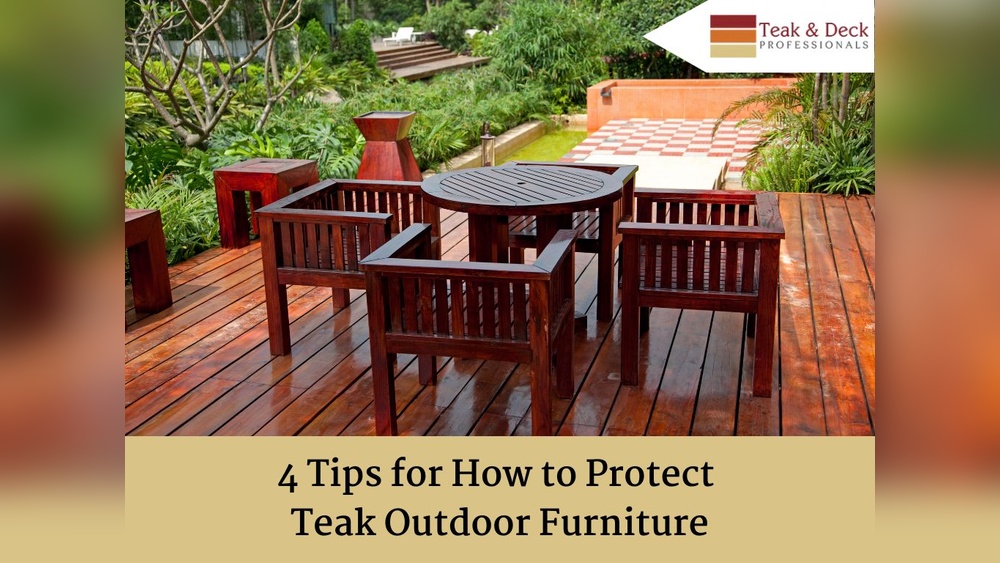
Choosing the right stain for your outdoor furniture can make all the difference between a dull, worn-out look and a vibrant, long-lasting finish. You want your pieces to withstand weather, resist fading, and still look great season after season.
But with so many options out there, how do you know which stain is best for your wood? This guide will help you discover the perfect stain that protects your furniture and brings out its natural beauty. Keep reading to find out how to make your outdoor space shine like never before.
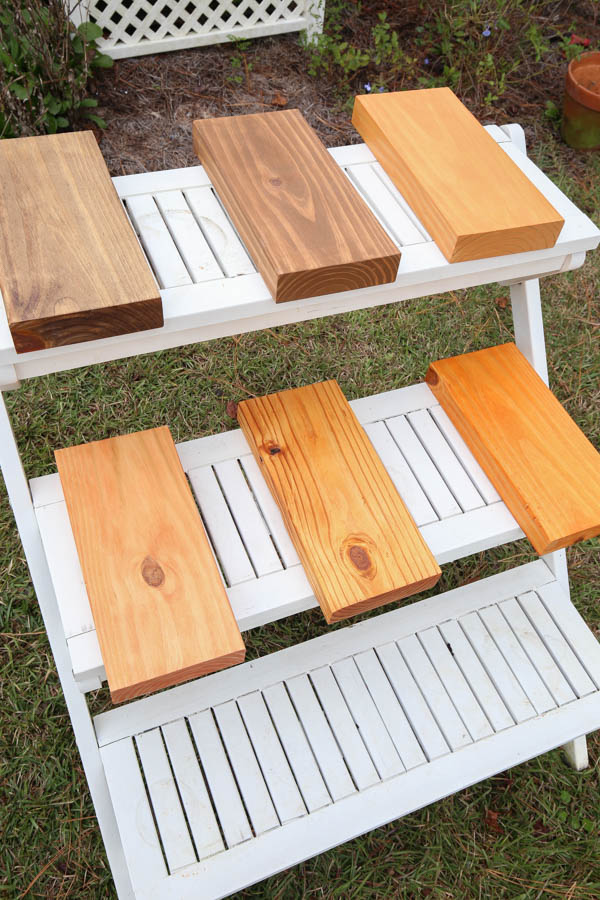
Credit: angelamariemade.com
Choosing The Right Outdoor Stain
Choosing the right outdoor stain is important for protecting and beautifying your furniture. The right stain guards wood against sun, rain, and wear. It also keeps your furniture looking fresh for years.
Many types of stains exist. Each type offers different looks and levels of protection. Understanding these options helps you pick the best one for your needs.
Oil-based Vs Water-based Stains
Oil-based stains soak deep into the wood. They protect well from water and sun damage. These stains often last longer but take more time to dry.
Water-based stains dry fast and clean up easily with soap and water. They keep color brighter and resist fading. Water-based stains are better for the environment too.
Transparent, Semi-transparent, And Solid Stains
Transparent stains show the wood grain clearly. They offer light protection and natural beauty. These stains suit new or well-maintained wood.
Semi-transparent stains add color but let some grain show. They hide minor defects and give moderate protection. This type suits older or rough wood.
Solid stains cover the wood fully like paint. They hide grain and imperfections well. Solid stains provide the strongest protection against weather.
Factors Influencing Stain Choice
Consider your climate. Rain and sun exposure affect stain durability. Choose stains designed for your weather conditions.
Think about wood type. Softwoods need more protection than hardwoods. Match stain to the wood’s needs.
Consider maintenance. Some stains require yearly reapplication. Others last several years with less upkeep.
Color preference matters too. Lighter stains reflect sunlight. Dark colors absorb heat and fade faster.
Preparing Furniture For Staining
Preparing outdoor furniture for staining is a crucial step. It helps the stain stick better and last longer. Proper preparation also improves the furniture’s look and protects it from damage. Take time to clean, repair, and protect before applying any stain.
Cleaning And Sanding
Start by cleaning the furniture thoroughly. Remove dirt, dust, and old finishes using a brush and mild soap. Rinse well and let it dry completely. Next, sand the surface with fine-grit sandpaper. Sanding smooths rough spots and opens the wood pores. This allows the stain to penetrate evenly. Wipe away sanding dust with a clean cloth.
Repairing Damage
Check the furniture for cracks, holes, or loose joints. Fill small holes and cracks with wood filler. Let the filler dry and sand it smooth. Tighten or glue loose parts to ensure stability. Repairing damage prevents further wear and gives a neat finish after staining.
Protecting Surrounding Areas
Cover nearby plants, grass, or surfaces with drop cloths or plastic sheets. Use painter’s tape to protect edges and hardware. Stains can drip or spill, so protect your work area well. This keeps your yard and other items clean during the staining process.
Applying Outdoor Stain
Applying outdoor stain is a key step to protect and beautify your outdoor furniture. It helps wood resist weather damage and keeps its color longer. The process is simple but requires care and the right tools. Follow each step to get the best results and enjoy your furniture for years.
Tools And Materials Needed
- Outdoor wood stain suitable for your furniture type
- Paintbrush or foam brush for smooth application
- Sandpaper (medium and fine grit)
- Clean cloths or rags
- Protective gloves and mask
- Drop cloth or plastic sheet to protect the ground
- Stir stick to mix the stain
Step-by-step Application Process
Start by cleaning the furniture surface. Remove dirt and old finish. Let it dry completely.
Sand the wood with medium grit sandpaper to smooth rough spots. Finish with fine grit for a soft feel.
Wipe away dust with a clean cloth. Make sure no particles remain.
Stir the stain well before use. Do not shake the can.
Apply the stain with a brush, following the wood grain direction. Use even strokes.
Let the stain soak into the wood for 5 to 15 minutes. Check the product instructions.
Remove excess stain with a clean cloth to avoid sticky patches.
Allow the stain to dry fully, usually 24 hours. Apply a second coat if needed.
Tips For Even Coverage
- Work in a shaded area to avoid quick drying.
- Apply thin coats to prevent drips and blotches.
- Brush along the wood grain for a natural look.
- Keep a wet edge to blend strokes smoothly.
- Check for missed spots and touch up before drying.
- Use a consistent pressure on the brush for uniform color.
Maintaining Stained Furniture
Stained outdoor furniture looks beautiful but needs care to last long. Proper maintenance keeps the color fresh and protects the wood. Regular checks help spot damage early. This section explains simple ways to maintain stained furniture.
Cleaning And Reapplying Stain
Clean furniture often with mild soap and water. Use a soft brush to remove dirt. Avoid harsh chemicals that harm the stain. Let the furniture dry completely before applying any product.
Reapply stain every 1-3 years depending on wear. Lightly sand the surface before staining to remove old layers. Use a brush or cloth to apply the stain evenly. Let it dry well before using the furniture again.
Handling Weather Exposure
Sun, rain, and wind can damage outdoor furniture. Move pieces to a shaded area or cover them during harsh weather. Use waterproof covers to protect from rain and snow.
Check furniture for cracks or fading after storms. Fix small problems quickly to avoid bigger damage. Store furniture indoors during winter months if possible.
Preventing Mold And Mildew
Mold and mildew grow in damp, shaded areas. Keep furniture dry by placing it in sunny spots. Clean mold with a solution of water and vinegar or mild detergent.
Dry furniture thoroughly after cleaning to stop mold growth. Ensure good air circulation around furniture to reduce moisture. Regular cleaning helps prevent mold from returning.
Popular Wood Types And Stain Recommendations
Choosing the right stain for outdoor furniture depends on the wood type. Different woods react differently to stains. Some need more protection, while others benefit from oils that bring out their natural beauty. This guide covers popular woods and the best stains for each.
Cedar And Redwood
Cedar and redwood have natural oils that resist rot and insects. Use a transparent or semi-transparent stain. These stains keep the wood’s natural color and show its grain. Look for stains with UV protection to stop fading. Reapply every two years for best results.
Teak And Ipe
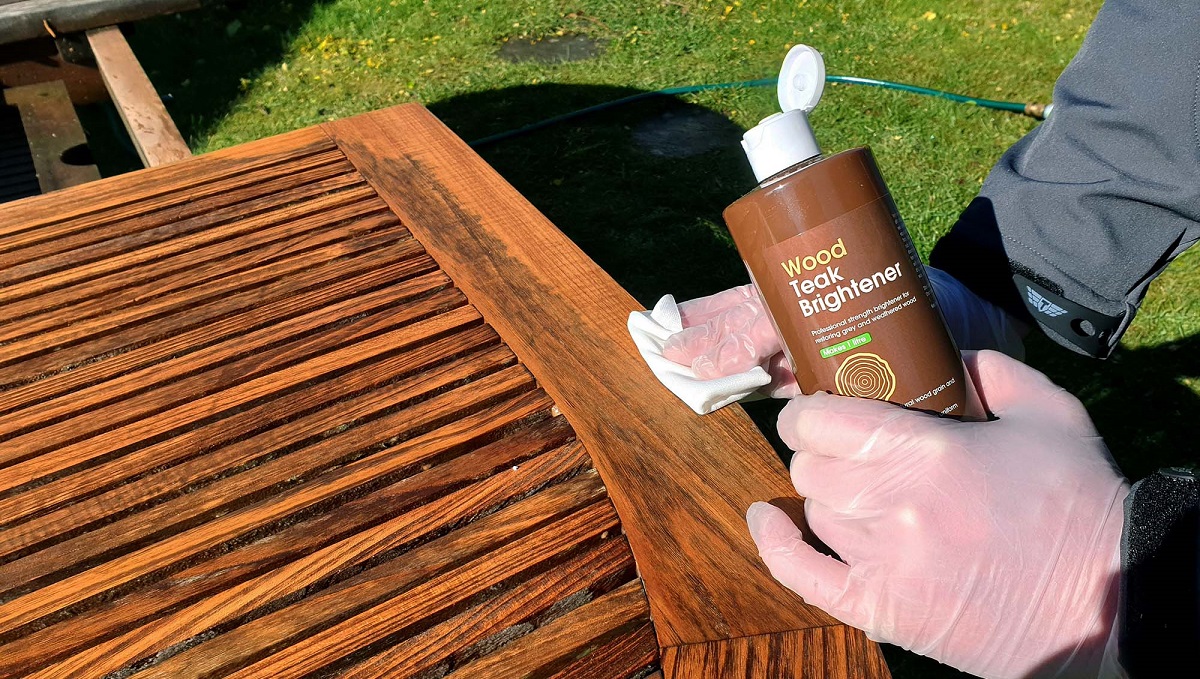
Teak and ipe are very dense hardwoods. They resist water and insects naturally. Use oil-based stains or teak oil to keep their rich color. Avoid thick, film-forming stains that peel. Apply oil every six months to maintain the wood’s shine and durability.
Pine And Other Softwoods
Pine and softwoods absorb stains unevenly. Use a pre-stain wood conditioner before staining. Choose a semi-transparent stain to protect while showing some wood grain. Water-based stains dry fast and are easy to clean. Plan to restain pine furniture every year for lasting protection.
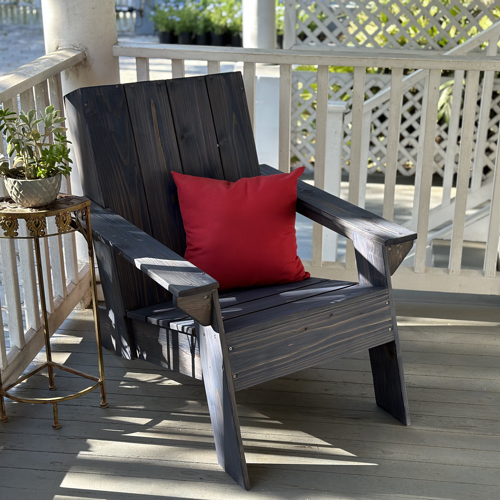
Credit: thecraftsmanblog.com
Eco-friendly And Safe Stain Options
Choosing the right stain for outdoor furniture matters for health and nature. Eco-friendly and safe stains protect wood without harmful chemicals. These options keep your space healthy and green.
Using safe stains helps avoid bad smells and toxic fumes. Your family and pets stay safe around treated furniture. Plus, the environment stays clean and fresh.
Non-toxic Stains
Non-toxic stains contain no harsh chemicals or poisons. They use natural ingredients like plant oils and water. These stains still protect wood from sun and rain damage. Ideal for families with kids or pets.
Non-toxic stains dry quickly and have low odor. They keep outdoor furniture looking good without health risks.
Low Voc Products
Low VOC stains release fewer harmful gases into the air. VOC means Volatile Organic Compounds, which pollute air and cause health problems. Stains with low VOC help keep outdoor air cleaner.
These products meet strict safety rules. They protect your furniture and reduce pollution at the same time.
Sustainable Practices
Sustainable stains use renewable resources and eco-friendly methods. They avoid plastic packaging and harmful waste. Choosing these stains supports better forest and water care.
Many brands now focus on green production. Using sustainable stains helps protect nature for future generations.
Common Mistakes To Avoid
Choosing the right stain for outdoor furniture is important. Avoiding common mistakes helps your furniture last longer and look better. Many people make simple errors that cause poor results. Knowing what to avoid saves time and money.
Applying Stain On Wet Wood
Wood must be dry before staining. Wet wood stops the stain from soaking in properly. The finish may peel or bubble later. Always check wood moisture with a tester or by touch. Wait until it feels dry and looks dry too.
Skipping Surface Preparation
Surface preparation is key to good stain results. Dirt, dust, and old paint block stain absorption. Sand the wood smooth and clean it well. Use a brush or cloth to remove all dust. Skipping this step causes uneven color and poor protection.
Ignoring Weather Conditions
Weather affects how stain dries and sticks. Avoid staining on rainy or very humid days. Direct sunlight can dry stain too fast, leaving marks. Choose a cool, dry day with mild weather for best results. This helps stain set evenly and last longer.
Credit: www.furnitureclinic.co.uk
Frequently Asked Questions
What Is The Best Stain For Outdoor Wood Furniture?
The best stain for outdoor wood furniture is a penetrating oil-based stain. It protects wood from moisture, UV rays, and mildew while enhancing natural grain. Choose a stain labeled for exterior use to ensure durability and long-lasting protection in varying weather conditions.
How Long Does Outdoor Furniture Stain Last?
Outdoor furniture stain typically lasts 2 to 5 years. The lifespan depends on the stain type, weather exposure, and maintenance. Oil-based stains last longer than water-based ones. Regular cleaning and reapplication extend the protection and keep furniture looking fresh.
Can I Use Interior Wood Stain Outdoors?
Interior wood stains are not suitable for outdoor use. They lack UV protection and water resistance. Using them outside can cause premature fading, peeling, and wood damage. Always select stains specifically formulated for exterior furniture to ensure proper protection.
Should I Seal Outdoor Furniture After Staining?
Yes, sealing outdoor furniture after staining adds extra protection. A clear exterior sealer prevents moisture penetration and UV damage. It prolongs the stain’s life and maintains the wood’s appearance. Choose a compatible sealer to avoid affecting the stain finish.
Conclusion
Choosing the right stain protects your outdoor furniture well. It keeps wood strong and beautiful for years. Oil-based stains soak deep and resist water better. Water-based stains dry fast and show natural wood grain. Consider your climate and furniture type before picking a stain.
Regular maintenance helps your furniture last longer outdoors. A good stain saves money by reducing repairs. Keep these tips in mind to enjoy your outdoor space. Your furniture will thank you with lasting beauty and strength. Simple care goes a long way.