Are you thinking about adding metal outdoor furniture to your patio or garden? You might be wondering if it will start to rust over time.
Rust can ruin the look of your furniture and make it less sturdy, which is the last thing you want after investing in a stylish outdoor set. But does metal outdoor furniture really rust? And if it does, can you stop it from happening?
Keep reading to find out the truth about rust and how you can keep your furniture looking great for years to come.
Credit: www.gardenexperiments.com
Why Metal Rusts Outdoors
Metal outdoor furniture is popular for its strength and style. Yet, many owners worry about rust. Rust forms when metal reacts with elements in the environment. Understanding why metal rusts outdoors helps protect your furniture better.
Role Of Moisture And Oxygen
Rust happens because of moisture and oxygen. Water on metal surfaces starts a chemical reaction. Oxygen in the air joins this reaction. This combination creates iron oxide, known as rust. Even small drops of water can begin this process. Humid air also adds moisture, speeding rust formation.
Types Of Metal Prone To Rust
Not all metals rust easily. Iron and steel are the most likely to rust. These metals contain iron, which reacts with water and oxygen. Metals like aluminum and stainless steel resist rust better. They have protective layers that stop rust from forming. Choosing the right metal can reduce rust risks.
Impact Of Weather Conditions
Weather plays a big role in rusting. Rain and snow soak metal, adding moisture. Hot temperatures can speed up rusting by increasing reactions. Cold weather may slow rust but causes metal to crack. Coastal areas with salty air cause rust faster. Protecting metal furniture from harsh weather helps it last longer.

Credit: www.lazysusanfurniture.co.uk
Common Metals Used In Outdoor Furniture
Outdoor furniture must stand strong against weather. Metals are popular for their strength and style. Different metals have different properties. Some resist rust better than others. Understanding common metals helps you choose wisely.
Each metal type has unique benefits. Some are heavier, some lighter. Some need more care, some less. Let’s explore common metals used in outdoor furniture.
Steel And Iron
Steel and iron are strong and durable. They can support heavy weight easily. These metals often rust if not treated. Coatings like paint or powder help protect them. Without protection, rust can appear quickly.
Aluminum
Aluminum is lightweight and rust-resistant. It does not rust like steel or iron. This metal is easy to move and clean. Aluminum furniture lasts long with little care. It suits many outdoor settings well.
Wrought Iron
Wrought iron is a classic choice for outdoor furniture. It looks elegant and lasts many years. This metal can rust without proper coating. Regular painting keeps wrought iron in good shape. It is heavier than aluminum but very sturdy.
Stainless Steel
Stainless steel resists rust and stains well. It contains chromium, which protects the surface. This metal needs less maintenance than iron or steel. Stainless steel furniture looks modern and sleek. It is a great choice for moist areas.
Rust Resistance Of Different Metals
Metal outdoor furniture comes in many types of metals. Each metal reacts differently to weather. Rust is a common problem for metals. Some metals resist rust well. Others need protection to last long. Understanding rust resistance helps choose the best furniture for outside use.
How Aluminum Resists Rust
Aluminum does not rust like iron. It forms a thin layer of aluminum oxide. This layer protects the metal underneath. It stops air and water from causing rust. This makes aluminum ideal for outdoor use. Aluminum furniture stays strong and looks good for years.
Stainless Steel’s Protective Layer
Stainless steel contains chromium. Chromium creates a thin, invisible layer on the surface. This layer prevents rust from forming. It repairs itself if scratched. Stainless steel is very durable in wet or humid areas. It is a popular choice for outdoor furniture that lasts.
Challenges With Steel And Iron
Steel and iron rust easily without protection. They react with water and oxygen to form rust. Rust weakens the metal and damages furniture. Coatings like paint or powder help prevent rust. Regular maintenance is needed to keep steel and iron furniture safe. Without care, these metals can deteriorate quickly outside.
Signs Of Rust On Outdoor Furniture
Rust on metal outdoor furniture is a common issue. It can weaken the structure and spoil the look. Spotting rust early helps protect your furniture. Here are the key signs to watch for.
Visual Indicators
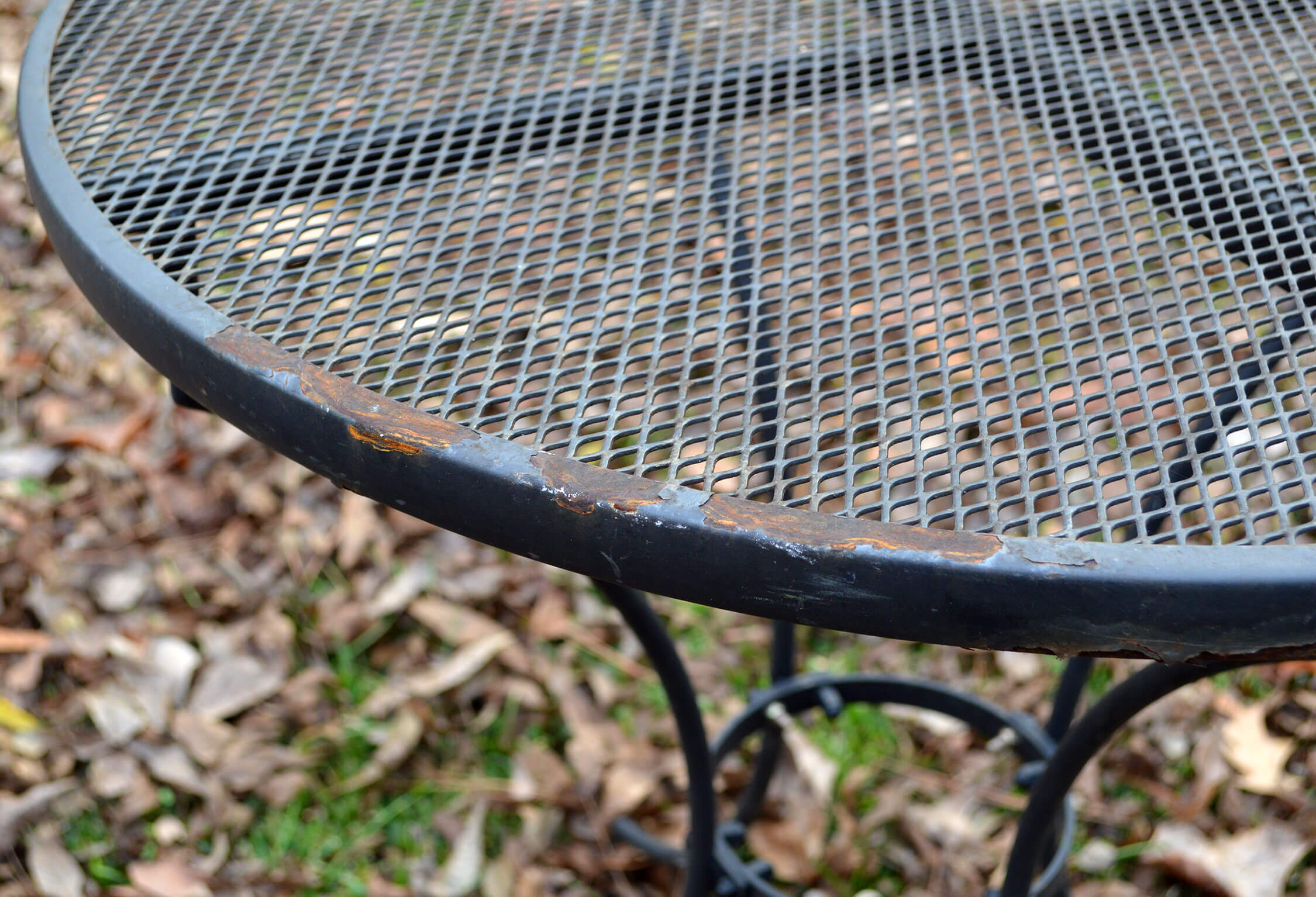
Rust often shows as reddish-brown spots. These spots can spread over time. Look closely at joints and corners. Rust may appear as small flakes or bubbles under paint. Check areas exposed to rain and humidity.
Surface Texture Changes
The metal surface may feel rough or grainy. Rust causes metal to lose its smooth finish. You might notice peeling paint or discoloration. Sometimes, rust forms small bumps or pits on metal. These texture changes signal damage beneath the surface.
Structural Damage Warning
Rust weakens metal and can cause holes. Furniture may feel wobbly or unstable. Screws and bolts can become loose or break. Rust spots near joints are especially risky. Catching these signs early avoids costly repairs.
Preventing Rust On Metal Furniture
Metal outdoor furniture can look great for years with the right care. Rust is a common problem, but it does not have to ruin your pieces. Preventing rust helps keep your furniture strong and beautiful. Simple steps can protect your investment and extend its life.
Protective Coatings And Paints
Applying a protective coating blocks moisture from metal surfaces. Use rust-resistant paints designed for outdoor use. Powder coating is a strong option that lasts longer than regular paint. Clear sealants work well to protect original finishes. Check the furniture yearly and touch up any chipped areas quickly.
Regular Cleaning And Maintenance
Keep metal furniture clean to stop rust from forming. Dirt and debris hold water against the metal, causing rust. Wipe furniture with a damp cloth and mild soap regularly. Dry all surfaces fully after cleaning. Remove any small rust spots with sandpaper and repaint soon after.
Proper Storage Tips
Store metal furniture indoors during harsh weather or winter months. If indoor storage is not possible, cover with waterproof covers. Make sure covers allow air to circulate to avoid trapped moisture. Place furniture on raised surfaces to keep it off wet ground. Proper storage greatly reduces rust risk.
Repairing Rusted Metal Furniture
Repairing rusted metal furniture helps extend its life and keeps it looking good. Rust can damage the metal and make furniture weak. Fixing rust early stops more damage and saves money. The repair process includes removing rust, applying rust inhibitors, and repainting the metal. Each step is important for strong, lasting protection.
Removing Rust Safely
Start by cleaning the metal surface. Use a wire brush or sandpaper to remove loose rust. Work gently to avoid scratching the metal too much. For stubborn rust, apply a rust remover product. Follow the product instructions carefully. Wear gloves and work in a well-ventilated area. After removing rust, wipe the surface with a damp cloth to clean dust and debris.
Applying Rust Inhibitors
Rust inhibitors stop new rust from forming. Use a rust converter or rust-proof primer on bare metal. Apply evenly with a brush or spray. Let the product dry fully before moving to the next step. Rust inhibitors create a protective barrier on the metal. This barrier blocks moisture and air, which cause rust.
Repainting And Sealing
Choose paint made for metal surfaces and outdoor use. Apply one or two coats for full coverage. Let the paint dry completely between coats. After painting, add a clear sealant for extra protection. Sealants keep water and dirt away from the metal. This step improves the furniture’s look and durability.
Choosing Rust-resistant Outdoor Furniture
Choosing rust-resistant outdoor furniture is smart for long-lasting style and comfort. Metal furniture can rust, but some materials and designs fight rust better. Picking the right type saves time and money on repairs. It keeps your space looking fresh year after year.
Material Selection Tips
Aluminum is a great choice. It does not rust and is lightweight. Stainless steel also resists rust but costs more. Wrought iron looks classic but needs a special coating. Powder-coated metal adds a strong layer to stop rust. Check the finish before buying.
Design Features That Help
Look for furniture with smooth surfaces. Rough spots hold water and cause rust. Furniture with drainage holes lets water escape. Rounded edges reduce places where rust can start. Avoid designs with many joints or crevices.
Budget Considerations
Rust-resistant furniture can cost more upfront. Aluminum and powder-coated options offer good value. Stainless steel is pricier but very durable. Think about repair and replacement costs later. Choose what fits your budget and lasts longer.

Credit: www.bhg.com
Frequently Asked Questions
Does Metal Outdoor Furniture Rust Easily?
Metal outdoor furniture can rust if exposed to moisture and air. Protective coatings like paint or powder coating help prevent rust. Regular maintenance and covering furniture during rain also reduce rust risks.
How To Prevent Rust On Metal Outdoor Furniture?
To prevent rust, apply rust-resistant paint or sealant. Keep furniture dry and clean off dirt regularly. Use covers during bad weather and store furniture indoors when not in use.
Is Aluminum Metal Furniture Rust-resistant?
Aluminum outdoor furniture is naturally rust-resistant due to its oxide layer. It rarely rusts but may corrode under harsh conditions. Proper care still extends its life and maintains appearance.
Can Rust Damage Metal Outdoor Furniture Permanently?
Yes, rust can cause permanent damage by weakening metal structure. Early rust spots can be treated to stop spread. Ignoring rust leads to costly repairs or replacement.
Conclusion
Metal outdoor furniture can rust if left unprotected. Regular care helps keep rust away. Using covers or paint adds extra protection. Choosing rust-resistant metals reduces the risk. Clean and dry furniture after rain or snow. Small rust spots need quick attention to stop spreading.
Rust does not mean you must replace your furniture. With simple steps, metal furniture stays strong and looks good. Keep your outdoor space inviting and worry-free. Rust is manageable with the right habits.