
Are you wondering if wax can protect your outdoor furniture and keep its paint looking fresh? You’re not alone.
When it comes to sealing paint, many people want a simple, effective solution that lasts through sun, rain, and changing seasons. Using wax might sound like a great idea, but does it really work? You’ll discover the truth about wax as a sealant, how it affects your furniture, and what you should do to keep your outdoor pieces looking their best year after year.
Keep reading to find out if wax is the right choice for your outdoor furniture project.
Benefits Of Wax On Outdoor Furniture
Wax offers many benefits for outdoor furniture painted surfaces. It helps keep the paint looking fresh and strong for longer. Wax creates a smooth finish that protects the paint from damage. This protection is important for furniture exposed to sun, rain, and wind. Applying wax can save money by reducing the need for frequent repainting. It also makes cleaning easier by preventing dirt from sticking tightly. Wax can improve the overall look of your outdoor furniture by adding a soft shine.
Enhancing Paint Durability
Wax adds a tough layer over the paint. This layer helps stop cracks and chips caused by rough use or weather. It slows down paint fading from sun exposure. Wax keeps paint from peeling by sealing tiny cracks. Your outdoor furniture stays looking new longer.
Water Resistance Properties
Wax repels water and prevents it from soaking into the paint. This stops water damage like swelling or warping. Moisture can cause mold and mildew under paint. Wax keeps the paint dry, avoiding these problems. Water-resistant furniture lasts longer in all weather conditions.
Adding A Protective Layer
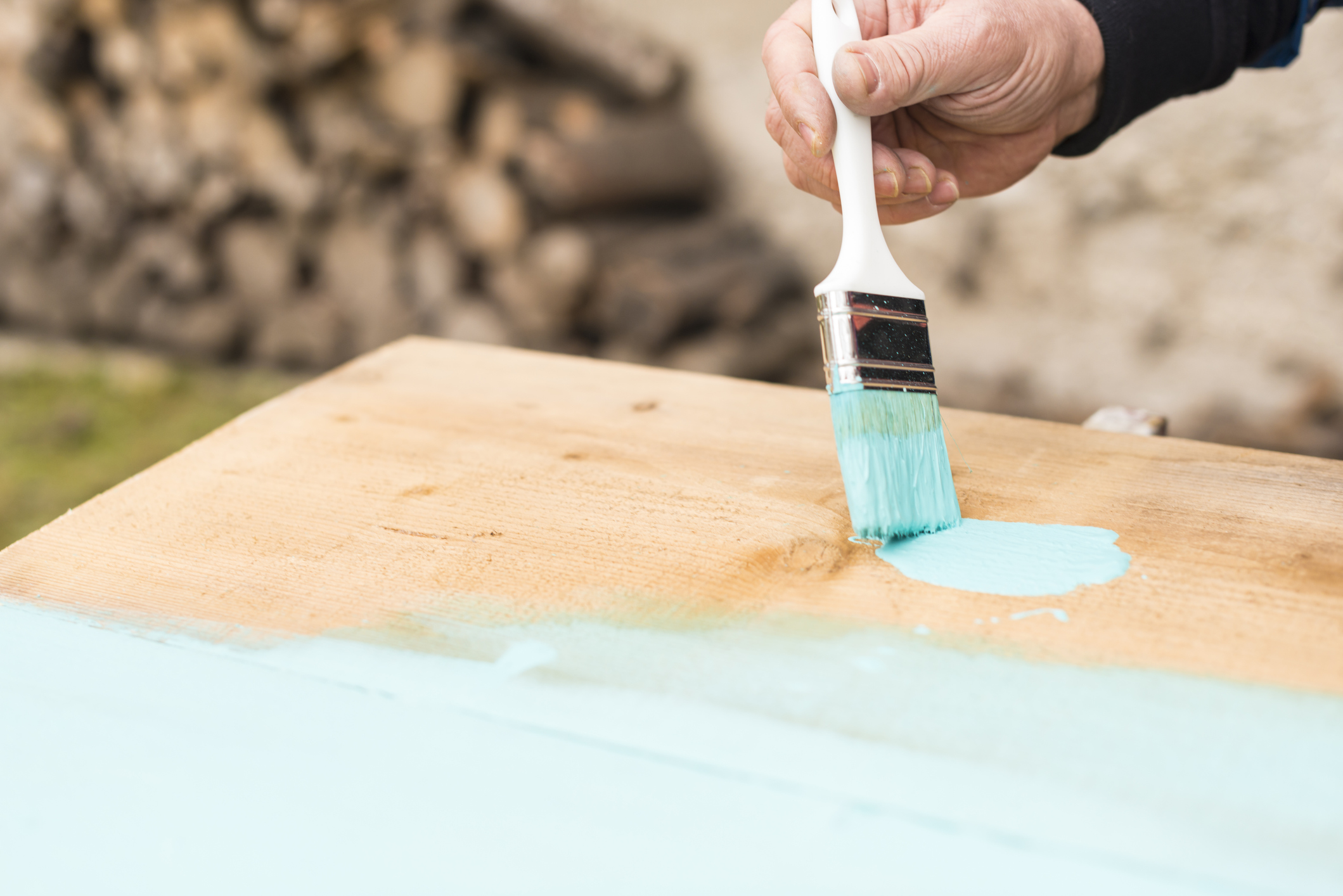
Wax forms a clear shield over the paint. This shield guards against dust, dirt, and small scratches. It also protects from harmful UV rays that fade paint colors. The wax layer is easy to apply and renew. This protection keeps outdoor furniture looking nice and fresh.
Credit: www.rainbowchalk.com
Types Of Wax Suitable For Outdoor Use
Choosing the right wax for outdoor furniture paint is important. Not all wax types protect well outside. Some waxes resist water and sun damage better. The wax must also be safe for painted surfaces. Here are common wax types used outdoors.
Beeswax And Carnauba Wax
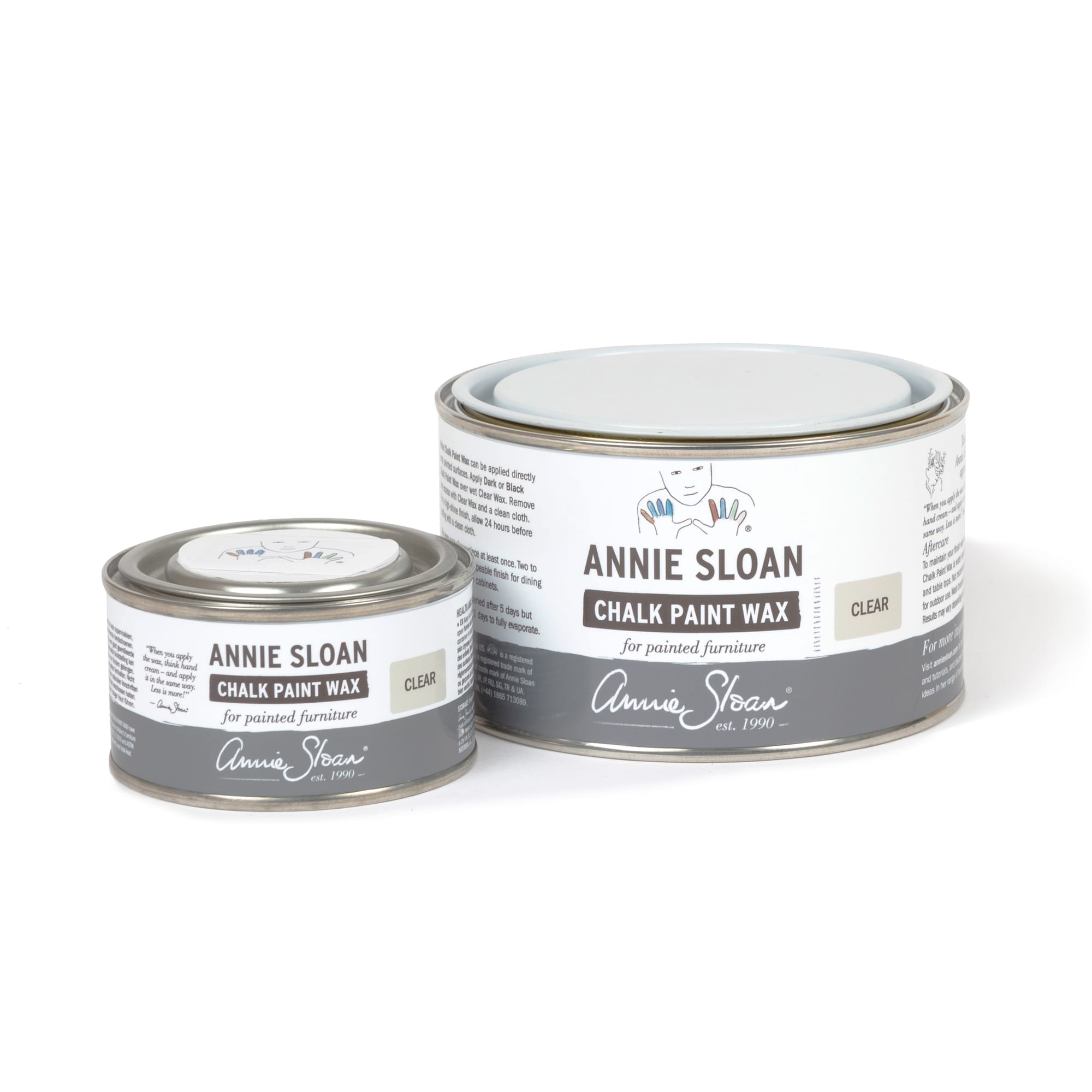
Beeswax is natural and easy to apply. It creates a soft, water-resistant layer. It helps stop paint from peeling or fading. Carnauba wax comes from a palm tree leaf. It is harder and shinier than beeswax. Carnauba adds strong protection against rain and sun. Both waxes work well on wood and metal furniture.
Synthetic Wax Options
Synthetic waxes are made in labs to last longer. They resist heat, water, and dirt better than natural wax. Some synthetic waxes are designed for outdoor paint. They create a tough, clear barrier on surfaces. These waxes need less frequent reapplication. They also offer good shine and smoothness.
Choosing The Right Wax For Paint
Match the wax to your furniture material. Consider the climate and how much sun it gets. Natural waxes suit mild weather and light use. Synthetic waxes fit harsher weather and heavy use. Test the wax on a small paint spot first. Check if the wax changes paint color or texture. Pick a wax that keeps paint looking fresh and strong.
Preparing Furniture Before Waxing
Preparing outdoor furniture before applying wax is very important. It helps the wax stick well and protects the paint better. Taking time to prepare the furniture can make the finish last longer. Here are simple steps to get your furniture ready for waxing.
Cleaning And Drying Surfaces
Start by cleaning the furniture surface. Use a mild soap and water to remove dirt and dust. Dirt can stop wax from sticking properly. After washing, dry the furniture fully. Wet or damp surfaces will affect wax application and results.
Sanding Painted Areas
Lightly sand the painted areas with fine sandpaper. Sanding smooths the surface and removes any rough spots. It also helps the wax bond better with the paint. Be gentle to avoid damaging the paint layer.
Ensuring Paint Is Fully Cured
Make sure the paint has dried completely before waxing. Paint needs time to cure and harden fully. Applying wax too soon can cause the paint to peel or bubble. Wait at least a few days or follow the paint maker’s instructions.
Credit: www.anniesloan.com
Step-by-step Wax Application Process
Applying wax to outdoor furniture is a simple way to seal paint and protect surfaces. The process needs care to ensure good coverage and lasting results. Follow these steps to apply wax correctly and keep your furniture looking fresh.
Applying Wax Evenly
Start with clean, dry furniture. Use a soft cloth or brush to spread wax. Apply a thin, even layer over the painted surface. Avoid thick patches that take longer to dry. Work in small sections to control the application. Make sure every part gets covered without missing spots.
Buffing Techniques For Shine
Let the wax sit for a few minutes after applying. Then, use a clean, dry cloth to buff the surface. Move the cloth in circular motions. This action creates a smooth, shiny finish. Buffing also helps the wax bond to the paint. Repeat until you see a nice glow on the furniture.
Multiple Coats And Drying Times
For stronger protection, apply several wax coats. Wait at least one hour between each coat. This time allows the wax to dry properly. More coats build a thicker seal against weather. After the last coat, let the furniture dry overnight. This ensures the wax hardens fully.
Common Mistakes To Avoid
Applying wax to outdoor furniture paint can protect it well. Many make mistakes that reduce wax’s effectiveness. Avoid these common errors to get the best results. Proper steps help the wax seal paint and last longer outdoors.
Using Wax On Unsealed Paint
Wax does not stick well to unsealed paint. Paint must be dry and cured fully before waxing. Applying wax on fresh paint can cause peeling. Always wait the recommended time for paint to harden. This step ensures wax forms a strong protective layer.
Applying Too Much Wax
More wax is not better. Thick layers take longer to dry and can become sticky. Excess wax can attract dirt and dust. Use a thin, even coat for best protection. Multiple thin layers work better than one thick layer. Let each layer dry before adding the next.
Ignoring Weather Conditions
Weather affects how well wax cures on paint. Avoid waxing on hot, sunny days or before rain. Heat can make wax dry too fast and unevenly. Rain or high humidity stops wax from setting properly. Choose a cool, dry day for waxing outdoor furniture.
Maintenance Tips For Waxed Outdoor Furniture
Maintaining waxed outdoor furniture keeps it looking fresh and protected. Wax creates a seal over paint, but it needs care. Without proper upkeep, the wax can wear off. This leads to paint damage and furniture wear. Follow simple tips to keep waxed furniture in top shape.
Regular care makes wax last longer. It also keeps furniture safe from dirt and weather. These easy steps help your outdoor pieces stay beautiful for years.
Regular Cleaning Methods
Dust and dirt can build up on waxed surfaces. Use a soft cloth or brush to remove loose dirt. Clean with mild soap and water. Avoid harsh chemicals that can strip wax. Dry the furniture thoroughly after cleaning. This prevents water spots and mold growth.
Reapplying Wax Periodically
Wax wears down over time due to sun and rain. Apply a fresh coat every few months. Use a clean cloth to spread wax evenly. Let it dry completely before using the furniture. Reapplying wax keeps the paint sealed and protected. It also restores shine and smoothness.
Protecting Furniture During Harsh Weather
Extreme weather can damage wax and paint layers. Cover furniture with waterproof covers during storms. Move pieces to sheltered areas if possible. Avoid direct sun exposure for long hours. Store furniture indoors during winter or heavy rain. Protection helps wax last and furniture stay strong.
Alternatives To Wax For Sealing Paint
Wax is not the only option to protect painted outdoor furniture. Other sealers can offer better protection and last longer. These alternatives help keep paint safe from rain, sun, and dirt. Choosing the right sealer depends on the type of paint and the furniture material.
Polyurethane And Varnishes
Polyurethane and varnishes create a hard, clear coat over paint. They protect against scratches and water damage. These sealers are durable and often used on wood furniture. Oil-based versions last longer but take more time to dry. Water-based options dry quickly and have less odor.
Outdoor Paint Sealers
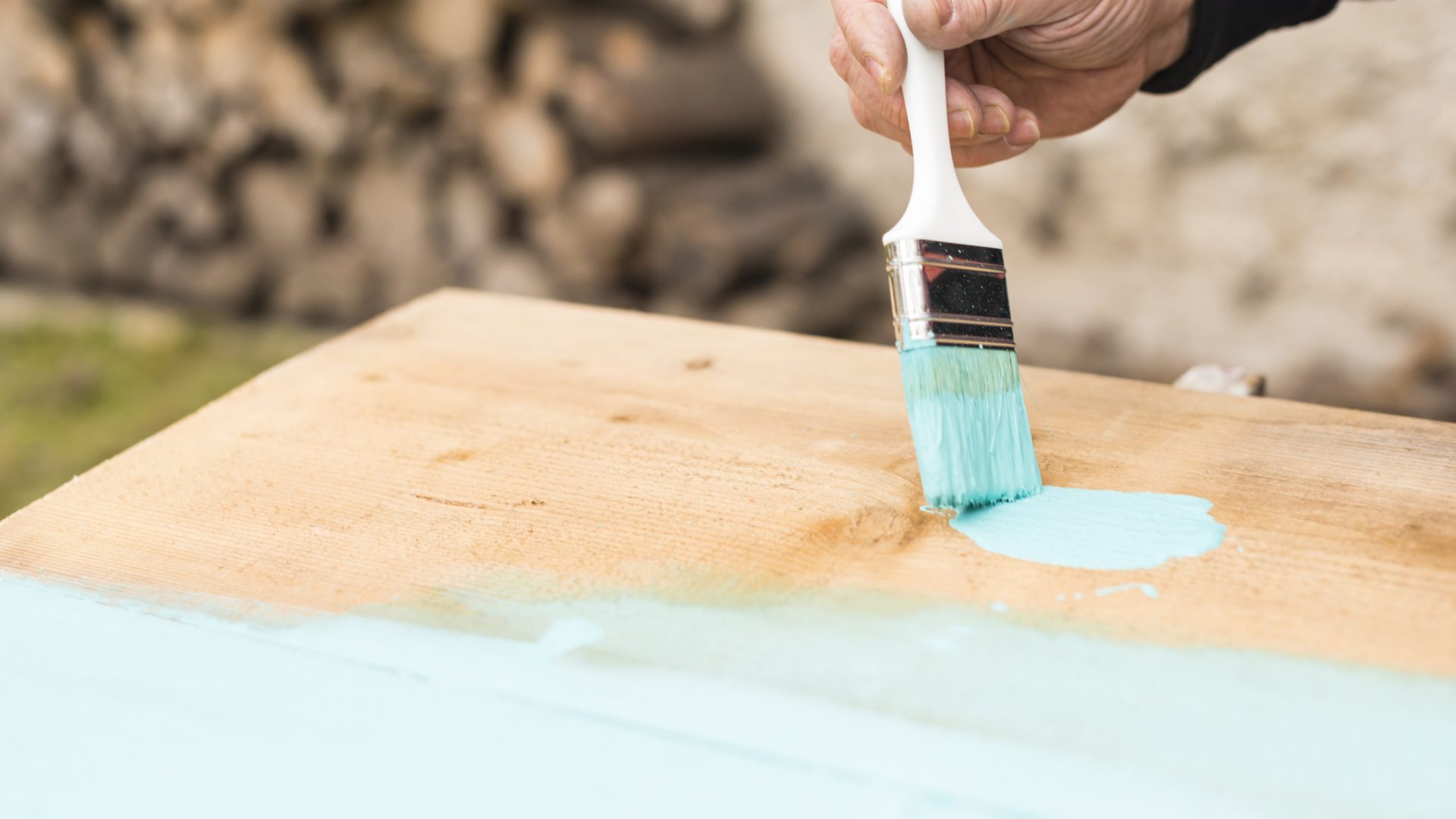
Outdoor paint sealers are made for harsh weather conditions. They keep paint from fading and peeling. These sealers are flexible and resist cracking. Many come with UV protection to block sun damage. They are easy to apply and maintain the furniture’s look.
Comparing Effectiveness And Longevity
Polyurethane and varnishes offer strong, long-lasting protection. They work best for furniture that faces heavy use. Outdoor paint sealers are more flexible and good for sun exposure. Wax provides a soft finish but wears off quickly. For lasting paint protection, polyurethane or outdoor sealers are better choices.
Credit: www.rainbowchalk.com
Frequently Asked Questions
Can Wax Protect Outdoor Furniture Paint?
Yes, wax can provide a protective layer on outdoor furniture paint. It helps repel moisture and dirt, preserving the finish longer. However, wax is less durable than other sealants and may require frequent reapplication for sustained protection.
Is Wax Better Than Varnish For Outdoor Furniture?
Wax offers a natural, low-sheen finish but is less durable than varnish. Varnish provides stronger, longer-lasting protection against weather elements. Choose wax for easy maintenance and varnish for heavy-duty sealing needs on outdoor furniture.
How Often Should Wax Be Applied On Outdoor Furniture?
Wax on outdoor furniture should be applied every 3 to 6 months. Frequent application ensures consistent protection against moisture, UV rays, and dirt. Regular waxing keeps the paint sealed and furniture looking fresh.
Can Wax Prevent Paint Chipping Outdoors?
Wax can reduce paint chipping by forming a protective barrier. However, it won’t fully prevent chipping caused by impacts or harsh weather. Combining wax with proper paint and sealant improves overall durability.
Conclusion
Wax can protect outdoor furniture paint from water and dirt. It creates a thin, clear layer that helps keep paint fresh. Applying wax is simple and affordable for many people. Still, wax may need reapplication after some time outside. For best results, clean furniture before waxing.
This helps the wax stick better and last longer. Wax works well for light protection but not against heavy damage. Consider wax as one part of your furniture care routine. It can help your painted furniture look nice longer.

