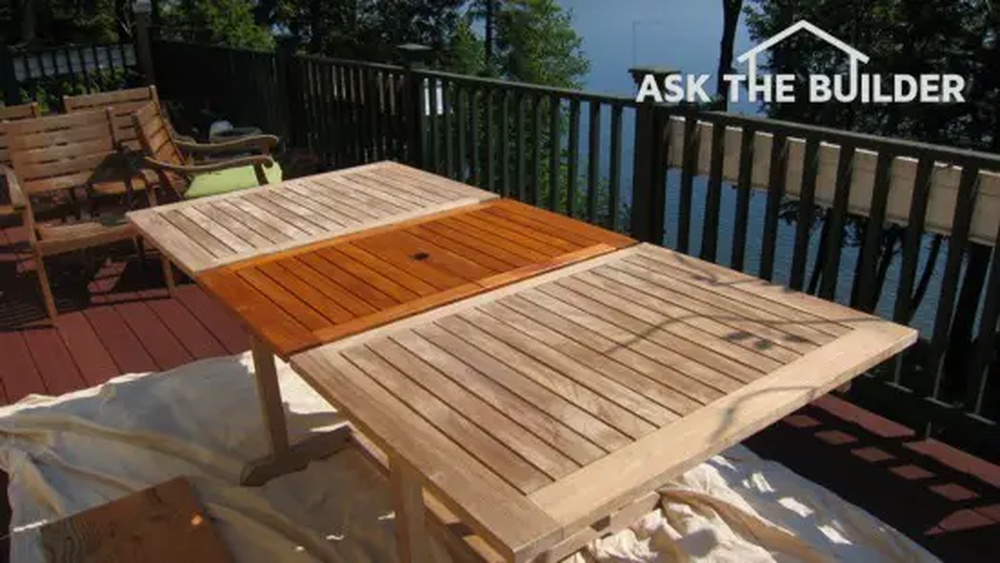
Are you thinking about updating your outdoor space with new furniture? Choosing the right material can make all the difference in comfort, style, and durability.
Wicker furniture often catches the eye with its natural, woven look, but you might wonder— is wicker really a good choice for outdoor use? You’ll discover the truth about wicker’s strengths and weaknesses. By the end, you’ll know exactly whether wicker fits your lifestyle and outdoor needs.
Keep reading to make a confident decision that your outdoor space will thank you for.
Types Of Wicker Materials
Wicker furniture uses different types of materials. Each type has unique features. Knowing these helps you pick the best option for outdoors. Some wicker is natural. Others are synthetic. Both have pros and cons. Let’s explore the common varieties of wicker materials.
Natural Wicker Varieties
Natural wicker comes from plants. Common sources include rattan, bamboo, and willow. These materials give furniture a classic look. They feel warm and cozy. Natural wicker is light and easy to move. It can be delicate and may need care. Rain and sun can damage it over time.
Synthetic Wicker Options
Synthetic wicker is made from plastic fibers. Usually, polyethylene is used. It looks like natural wicker but lasts longer. Synthetic wicker resists water, sun, and fading. It requires less maintenance. This type is strong and good for any weather. It can be heavier than natural wicker.
Comparing Natural And Synthetic
Natural wicker offers a traditional, earthy style. It is eco-friendly and biodegradable. Synthetic wicker provides durability and easy care. It stands up to outdoor elements better. Natural materials may need yearly treatment. Synthetic ones need only occasional cleaning. Both types can look beautiful outdoors. Your choice depends on style and upkeep needs.
Durability In Outdoor Settings
Durability plays a big role in choosing outdoor furniture. Wicker is popular, but its strength varies. Understanding how wicker handles outdoor conditions helps make a smart choice. This section breaks down how wicker stands up to weather, sun, and moisture.
Resistance To Weather Elements
Wicker can handle mild weather well. Synthetic wicker resists rain and wind better than natural wicker. Natural wicker may crack or break in harsh weather. Synthetic options last longer under sun and rain. Protecting wicker with covers extends its life.
Uv Protection And Fading
Sunlight can make wicker fade or weaken. Synthetic wicker often includes UV protection to reduce fading. Natural wicker loses color faster when exposed to sun. Darker colors show fading more clearly. Keeping furniture in shade helps maintain its look.
Impact Of Moisture And Humidity
Moisture affects wicker differently. Natural wicker absorbs water and may rot or mold. Synthetic wicker dries quickly and resists mold. High humidity can weaken natural wicker over time. Regular cleaning prevents dirt buildup and damage.
Maintenance And Care Tips
Wicker furniture looks great outside but needs care to stay beautiful. Proper maintenance helps it last longer and keeps it strong. Regular cleaning and smart storage protect wicker from damage and dirt. Following simple steps can keep your outdoor wicker furniture in top shape.
Cleaning Techniques
Use a soft brush or cloth to remove dust and dirt. Mix mild soap with warm water for washing. Gently wipe the wicker with a damp cloth. Avoid soaking wicker as too much water can harm it. Rinse lightly and dry with a clean towel. Clean regularly to stop dirt buildup and keep it fresh.
Preventing Mold And Mildew
Wicker can grow mold in damp places. Keep furniture dry and in a well-ventilated area. Use a mixture of water and white vinegar to clean spots of mold. Spray lightly and wipe with a dry cloth. Sunlight also helps stop mold growth. Act fast if you see mold to prevent damage.
Storage Recommendations
Store wicker furniture indoors during heavy rain or winter. Use breathable covers to protect from dust and moisture. Avoid plastic covers that trap humidity. Place furniture in a dry, cool place when not in use. Regularly check for signs of wear or mold. Proper storage extends wicker’s life and beauty.
Comfort And Design Flexibility
Wicker furniture offers great comfort and design flexibility for outdoor spaces. Its unique weave allows for gentle support and breathability. This makes sitting outside pleasant, even on warm days. Wicker’s adaptable nature also helps it fit many design styles, from classic to modern.
Ergonomics Of Wicker Furniture
Wicker furniture molds to the body’s shape with ease. The woven material provides a soft, cushioned feel. It supports posture without feeling hard or rigid. Many wicker chairs feature curved backs and armrests. These shapes help reduce strain and improve comfort. Overall, wicker furniture encourages relaxation outdoors.
Variety In Styles And Colors
Wicker furniture comes in many styles. From traditional patterns to sleek, modern designs. It also offers a wide color range, including natural browns, whites, and bold hues. This variety allows homeowners to match their outdoor décor easily. The colors usually resist fading from sun and rain. This keeps the furniture looking fresh over time.
Customization Possibilities
Wicker furniture is highly customizable. Cushions come in various fabrics and colors. You can add pillows for extra softness and style. Some pieces allow mixing wicker colors or weaving patterns. This personal touch makes each set unique. Customization helps create a cozy and inviting outdoor space.
Cost And Value Considerations
Choosing outdoor furniture involves careful thought about cost and value. Wicker furniture often attracts buyers due to its unique style. Understanding its price and worth helps in making smart choices. This section breaks down the cost and value of wicker for outdoor use.
Price Range Comparison
Wicker furniture prices vary widely. Natural wicker tends to cost more than synthetic versions. Synthetic wicker offers budget-friendly options under $500. Natural wicker pieces often start around $800 and up. Prices depend on craftsmanship, material quality, and brand reputation.
Longevity Vs Initial Cost
Natural wicker looks beautiful but needs more care. It may wear out faster in harsh weather. Synthetic wicker resists moisture and sun damage better. It lasts longer outdoors with less maintenance. Spending more initially on synthetic wicker can save money over time.
Investment Benefits
Wicker furniture adds charm and comfort to outdoor spaces. High-quality pieces increase home appeal and value. Durable synthetic wicker offers years of use without frequent replacement. Choosing the right wicker furniture balances style, cost, and long-term benefits.

Credit: www.castlery.com
Environmental Impact
Choosing outdoor furniture impacts the environment. Wicker is a popular choice, but its environmental effects vary. Understanding these effects helps make better decisions. The type of wicker matters a lot. Natural and synthetic wicker have different footprints. Let’s explore their impact on nature.
Sustainability Of Natural Wicker
Natural wicker comes from plants like rattan and willow. These plants grow fast and absorb carbon dioxide. Harvesting them can be sustainable if done carefully. Responsible farming avoids damaging forests and wildlife. Natural wicker furniture often lasts many years. It breaks down naturally after disposal. This reduces landfill waste and pollution. Choosing natural wicker supports renewable resources.
Recyclability Of Synthetic Materials
Synthetic wicker is made from plastics like polyethylene. These plastics are durable and weather-resistant. They do not decompose easily and can pollute the environment. Some synthetic wicker can be recycled, but not all facilities accept it. Recycling plastic reduces waste and saves energy. Still, synthetic wicker often ends up in landfills or oceans. This creates long-term pollution problems. Check if your synthetic furniture is recyclable before buying.
Eco-friendly Alternatives
Eco-friendly alternatives to traditional wicker exist. Materials like bamboo and seagrass grow quickly and renew naturally. Some companies use recycled plastics to make wicker-like furniture. These options lower environmental harm and waste. Look for furniture certified by environmental groups. These products have less impact on nature. Choosing eco-friendly furniture helps protect the planet for future use.
Common Misconceptions
Wicker furniture often faces many myths. These myths can make people unsure about using wicker outdoors. Clearing up these wrong ideas helps understand wicker better. Let’s look at some common misconceptions about wicker.
Is Wicker Fragile?
Many think wicker breaks easily. True wicker, made from natural fibers, can be delicate. But modern wicker uses synthetic materials. This synthetic wicker is strong and lasts long. It can handle regular use without cracking or breaking. So, wicker is not always fragile.
Does Wicker Require High Maintenance?
People believe wicker needs a lot of care. Natural wicker does need some attention to stay good. Synthetic wicker requires little cleaning and no special treatment. A simple wipe with a damp cloth is enough. No need for expensive cleaners or frequent repairs.
Suitability For Different Climates
Some say wicker is only for dry weather. Natural wicker can suffer in wet or very sunny places. Synthetic wicker can resist rain, sun, and cold. It keeps its shape and color in many climates. Wicker furniture can work well in most outdoor settings.
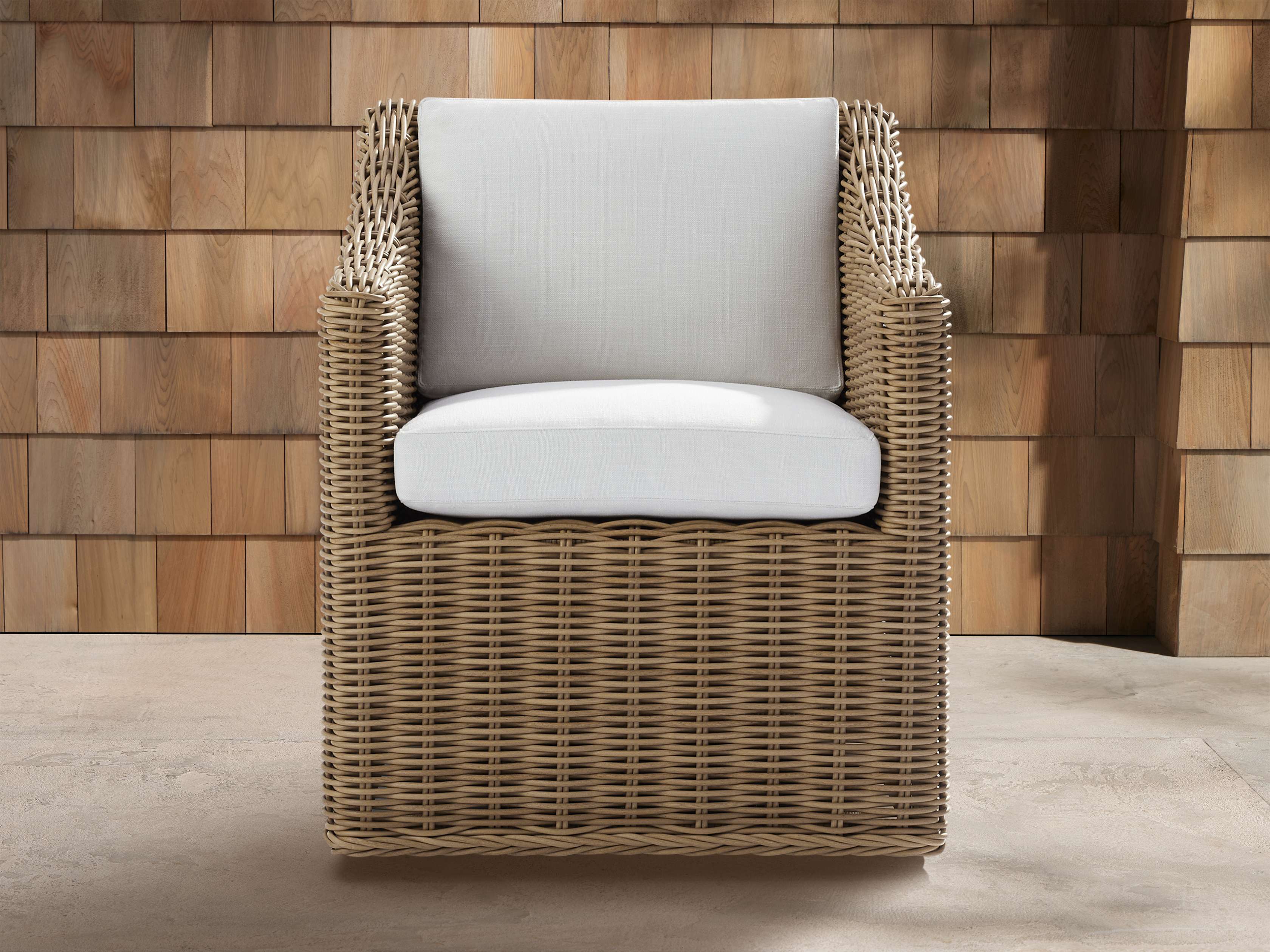
Credit: www.arhaus.com
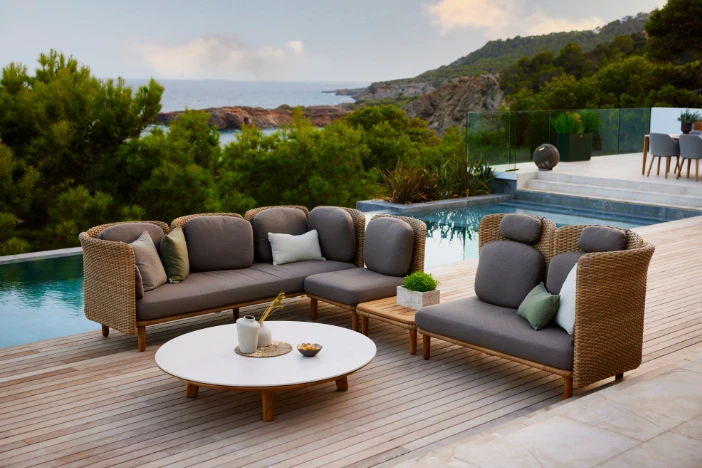
Credit: decoroutdoor.com
Frequently Asked Questions
Is Wicker Durable For Outdoor Furniture Use?
Wicker is durable when made from synthetic materials like resin. Natural wicker can wear quickly outdoors. Resin wicker resists moisture, UV rays, and temperature changes, making it ideal for outdoor furniture.
How To Maintain Wicker Outdoor Furniture?
Clean wicker furniture regularly with a soft brush or cloth. Use mild soap and water to remove dirt. Avoid harsh chemicals. Cover or store furniture during extreme weather to extend lifespan.
Does Wicker Furniture Withstand Different Weather Conditions?
Synthetic wicker withstands rain, sun, and wind well. Natural wicker is less weather-resistant and can crack or fade. Choose resin wicker for long-lasting outdoor use in various climates.
Is Wicker Furniture Comfortable For Outdoor Seating?
Wicker furniture is lightweight and flexible, offering good comfort. Adding cushions enhances comfort and style. It suits relaxing outdoor areas with a natural, cozy feel.
Conclusion
Wicker offers a stylish and lightweight option for outdoor furniture. It handles sun and mild rain well but needs care to last longer. Regular cleaning and covering can protect it from damage. Wicker fits many outdoor spaces and adds a cozy feel.
Choose quality wicker for better durability and comfort. Overall, wicker is a practical and attractive choice for your patio or garden. Consider your climate and maintenance time before deciding. It can bring charm and function to your outdoor living area.